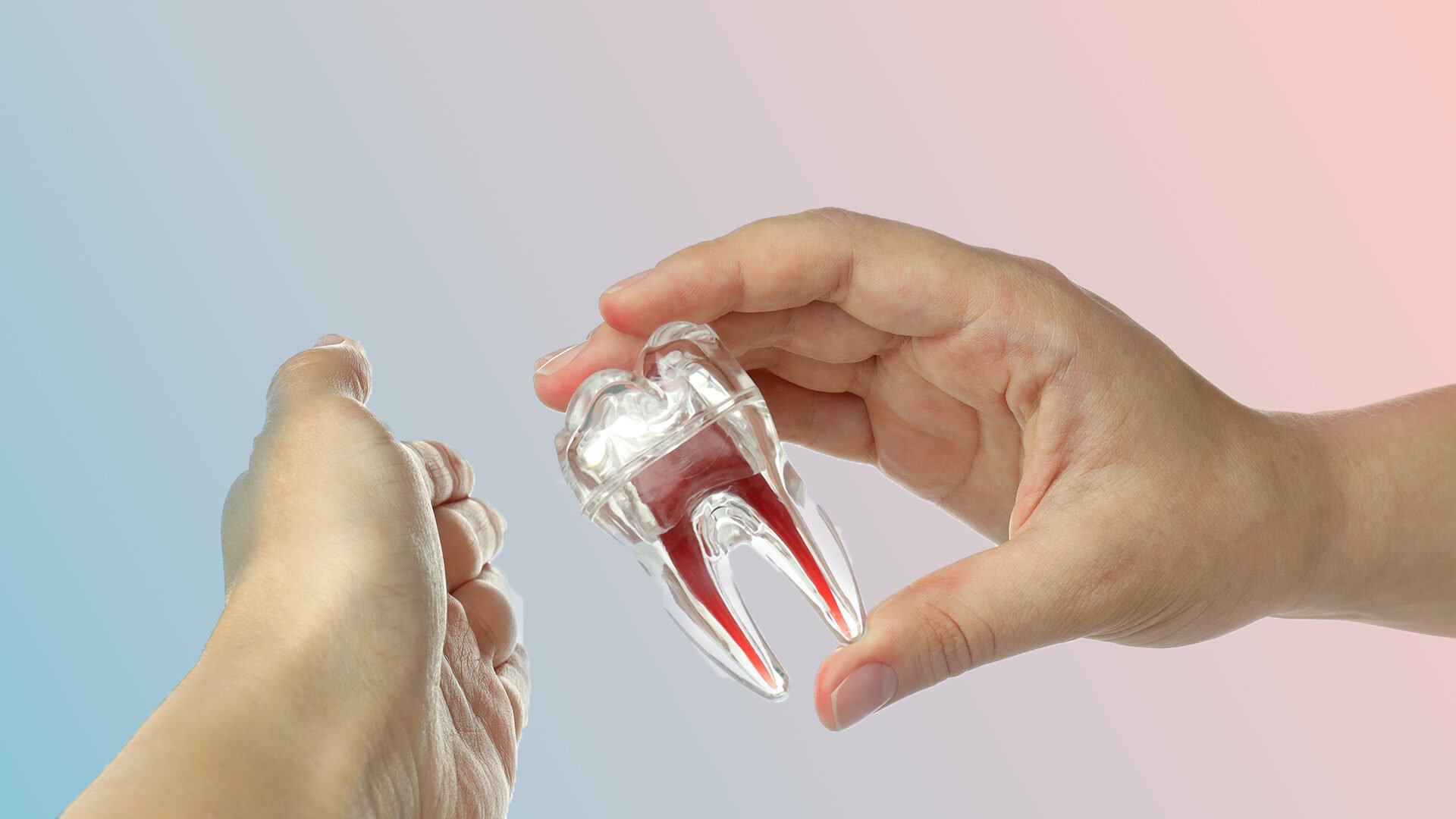
A semi-erupted wisdom tooth is a third molar that has broken through the gum only partly, leaving a flap of tissue over the rest of the crown. Third molars normally appear between the ages of 17 and 25; when the jaw is short of space or the tooth is angled, part of it stays covered. That flap traps plaque and food, which is why caries and periodontal pathology are reported most often around partially erupted third molars (PubMed 32681826). Pericoronitis, the infection of that flap, is diagnosed most often in adults aged 20 to 29 (PubMed 39241154). Management runs from cleaning the area to surgical removal and is decided tooth by tooth.
- 01Semi-erupted means part of the crown is still covered by gum or bone, unlike a fully impacted tooth that never breaks through at all; third molars normally erupt between the ages of 17 and 25.
- 02The gum flap over a partly erupted crown forms a pocket where bacteria and food debris collect, and that pocket is where pericoronitis develops.
- 03A systematic review of 37 studies found caries and periodontal pathology to be the changes seen most often in retained third molars, especially partially erupted and mesially inclined lower ones (PubMed 32681826).
- 04Pericoronitis is diagnosed most often between the ages of 20 and 29 and more often in women; the described options run from operculectomy to coronectomy to full extraction (PubMed 39241154).
- 05Recovery after surgical removal is usually reached within 1 to 2 weeks and pain typically settles in 3 to 4 days, though the full healing period varies from patient to patient.
Wisdom teeth are the third molars that usually appear between the ages of 17-25. However, in some cases, these teeth cannot find enough space in the jaw structure and can remain embedded or semi-embedded. Semi-embedded wisdom teeth can both threaten oral health and cause pain, infection and tooth alignment disorders. In this article, we will cover every detail that needs to be known about semi-embedded wisdom teeth.
/ Semi-Erupted Wisdom Teeth Definition, Symptoms and Problems
What is a Semi-Erupted Wisdom Tooth?
A semi-erupted wisdom tooth is a condition in which a tooth cannot fully erupt and a portion of it remains under the gum or in the bone. This usually occurs due to the narrowness of the jaw structure or the tooth trying to erupt at the wrong angle. Semi-erupted teeth can lead to more infections and gum problems than completely impacted teeth.
Semi-Erupted Wisdom Teeth Symptoms
Symptoms of semi-erupted wisdom teeth can vary from person to person, but the most common symptoms include:
- Gum swelling and tenderness
- Pain in the jaw and ear area
- Difficulty opening the mouth
- Bad breath
- Redness and inflammation of the gums
- Headaches and neck pain
- Discomfort while chewing
Problems That Can Be Caused by Semi-Erupted Wisdom Teeth
Semi-erupted wisdom teeth not only cause pain, but can also trigger the following health problems:
- Pericoronitis (Gum Infection)
As a result of the tooth not being able to fully erupt, a pocket forms in the gum and this area becomes suitable for bacteria to accumulate. This can cause infection.
- Tooth Decay
Semi-erupted teeth are more prone to decay because they are located in areas that are difficult to clean. They can also cause cavities in the surrounding teeth.
- Jaw Cysts and Tumors
A tooth that remains buried under the gum can cause cysts or tumors to form over time. This can lead to damage to the jawbone.
- Tooth Crowding and Orthodontic Problems
Semi-erupted wisdom teeth can push other teeth, causing them to become crowded and crooked.
/ Semi-Erupted Wisdom Teeth Treatment, Surgery and Prevention Methods
Semi-Erupted Wisdom Teeth Treatment Methods
Whether semi-erupted wisdom teeth need to be treated depends on the location of the tooth and the problems it creates. Here are the most common treatment methods:
- Tooth Extraction
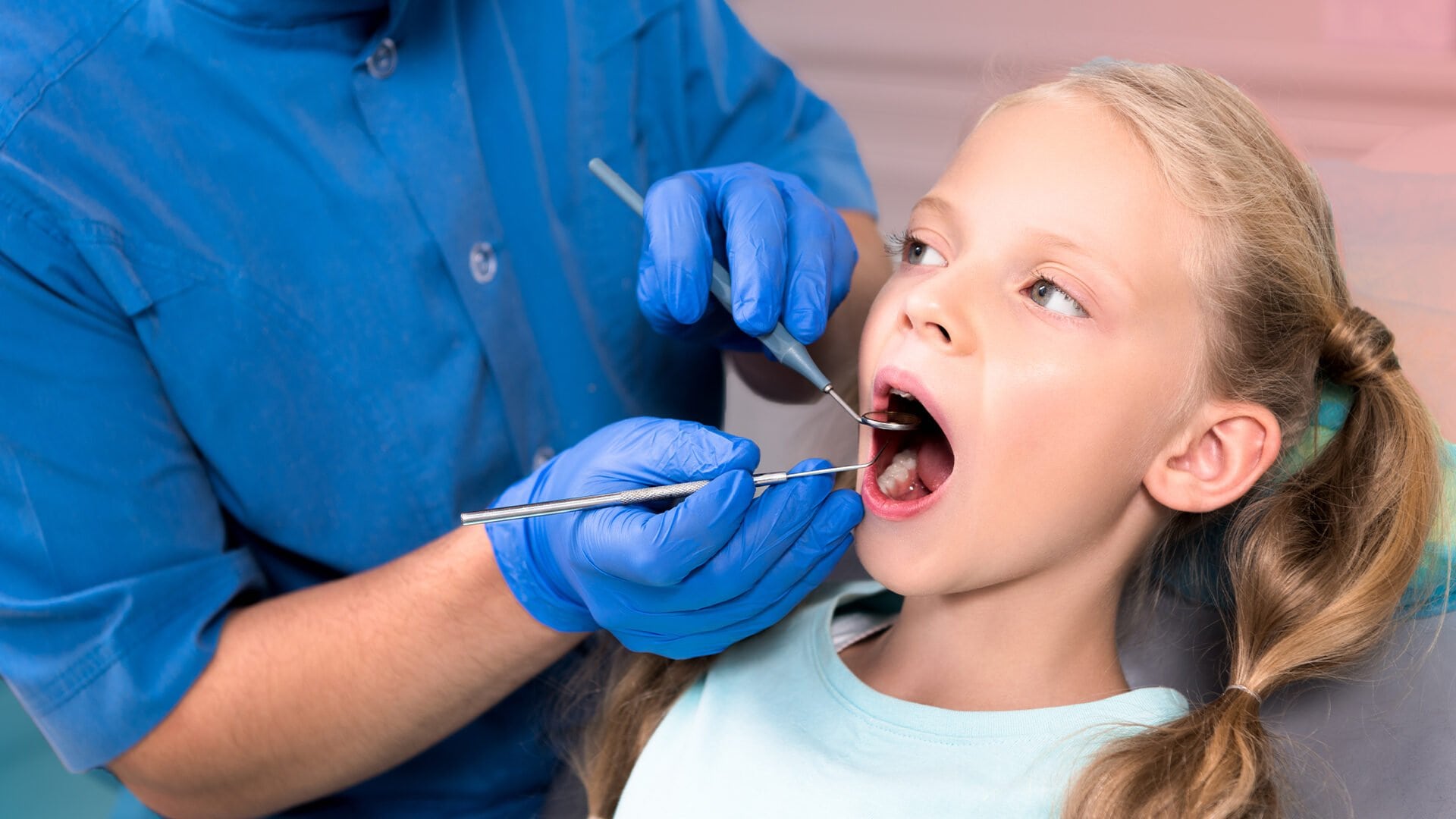
In most cases, surgical extraction of semi-erupted teeth is recommended. The dentist removes the tooth under local anesthesia, providing relief to the patient. For a lower wisdom tooth, the panoramic film is also read for signs that the roots enclose the nerve canal, such as a break in the outline of the canal, darkening of the root or an upward bend of the canal; when several of these signs appear together, a CBCT scan is recommended before surgery.
- Use of Antibiotics and Painkillers
If it is not possible to extract the tooth immediately, antibiotic treatment can be applied to control the infection. Painkillers can also provide temporary relief.
In some cases, the tooth can be removed by cutting the gum tissue on the tooth.
Semi-Erupted Wisdom Tooth Surgery Process
If a semi-erupted tooth is causing serious problems, surgical intervention may be required. The procedure consists of the following steps:
- Examination and X-Ray: The position of the tooth is evaluated.
- Local or General Anesthesia Application: The most appropriate anesthesia method for the patient is determined.
- Gum and Bone Opening: The gum and bone on the impacted tooth are removed.
- Tooth Removal: The tooth can be separated into pieces and removed.
- Stitching and Healing Process: After the procedure, stitches can be placed and the healing process begins.
Methods to Prevent Problems Caused by Semi-Erupted Wisdom Teeth
Although it cannot be completely prevented, you can minimize the problems caused by wisdom teeth by taking some precautions:
- Regular Dental Checkups: Visiting the dentist every 6 months is important for early diagnosis.
- Paying Attention to Oral Hygiene: Daily brushing and flossing reduces the risk of infection.
- Healthy Nutrition: Avoiding sugary and acidic foods protects dental health.
/ Frequently Asked Questions
- What happens if a semi-impacted wisdom tooth is not extracted?
Semi-impacted teeth that are not extracted can lead to serious health problems such as infection, decay, jaw cysts and tooth alignment disorder.
- Is it difficult to extract a semi-impacted wisdom tooth?
It may vary depending on the location of the tooth. In some cases, surgical intervention may be required.
- How long does the recovery process take after a semi-impacted wisdom tooth extraction?
Recovery is usually achieved within 1-2 weeks. However, the full recovery period may vary from patient to patient.
- What should be considered after wisdom tooth surgery?
Hot and cold foods should be avoided, hard foods should not be consumed and the medications recommended by the doctor should be used in the first 24 hours after the surgery.
- How long does the pain after wisdom tooth extraction last?
It usually subsides within 3-4 days, but in some cases it can last up to 1 week.
Let’s plan the right treatment together.
Free Assessment→- 1.Vandeplas C, Vranckx M, Hekner D, Politis C, Jacobs R. Does Retaining Third Molars Result in the Development of Pathology Over Time? A Systematic Review. J Oral Maxillofac Surg 2020;78:1892-1908. PubMed 32681826
- 2.Rolek A, Pławecki P. Comprehensive management of pericoronitis in lower third molars: extraction, operculectomy, and coronectomy approaches. Wiad Lek 2024;77:1514-1516. PubMed 39241154
- 3.Shirzadeh A, Bagheri Shirvan S, Alizadeh O, Grillo R, Vida M, Samieirad S. What is the Most Prevalent Type of Third Molar Impaction in Patients with Pericoronitis?. World J Plast Surg 2023;12:57-63. PubMed 38130387
- 4.Janovics K, Soós B, Tóth Á, Szalma J. Is it possible to filter third molar cases with panoramic radiography in which roots surround the inferior alveolar canal? A comparison using cone-beam computed tomography. J Craniomaxillofac Surg. 2021;49(10):971-979.