Alveoloplasty is the surgical reshaping and smoothing of the alveolar ridge after extractions or before a prosthesis, so that sharp bone edges and irregular contours do not sit under a denture. It changes bone shape rather than adding bone volume, which is what separates it from grafting. Reshaping matters because the ridge changes on its own: human re-entry studies pooled in a systematic review found 3.79 mm of horizontal and 1.24 mm of buccal vertical bone reduction six months after extraction (PubMed 22211303). The procedure itself usually takes 30 to 90 minutes, and most patients heal within three to four weeks.
- 01Alveoloplasty reshapes existing bone while bone grafting adds volume; the two answer different problems and alveoloplasty is most often done in the same visit as the extractions.
- 02The ridge does not stay still after extraction: pooled human re-entry data show 29% to 63% horizontal and 11% to 22% vertical bone loss at six months, with the fastest change in the first three to six months (PubMed 22211303).
- 03Instrument choice changes the patient experience: in 35 edentulous patients with bilateral bony spicules, piezosurgery alveoloplasty gave lower pain scores on day 2 and better healing index scores on day 7 than the conventional technique (P < 0.05) (PubMed 30693229).
- 04Reported operating time is 30 to 90 minutes depending on how much ridge is reshaped, with suture review usually at one to two weeks and healing in three to four weeks.
- 05Rare complications are documented, including sublingual emphysema after alveoloplasty reported as a single case, which is why instrument selection and flap technique are handled with care (PubMed 33088550).
What Alveoloplasty Is and When It Is Needed
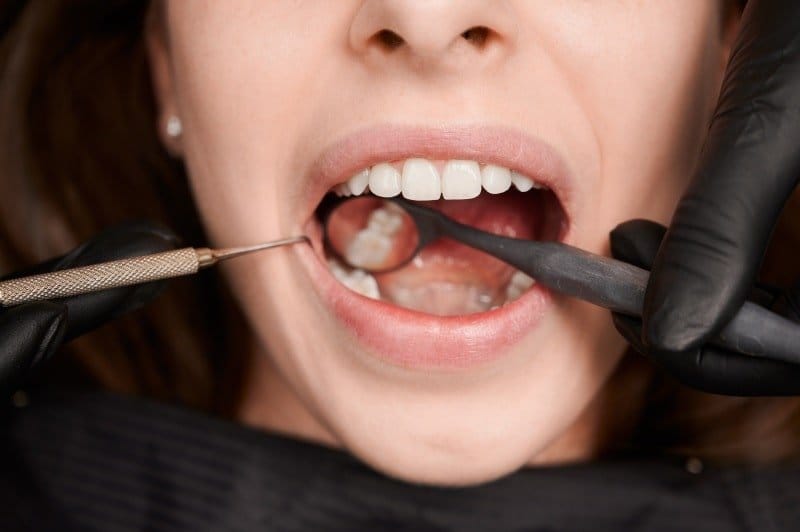
Alveoloplasty is the surgical reshaping and smoothing of the alveolar ridge, the part of the jawbone that holds the teeth, and it is needed when the shape of that ridge would get in the way of a denture or another restoration. After teeth are removed, the bone left behind can have sharp edges, small bony spurs or an uneven outline. A denture resting on such a ridge rocks, presses on the high points and causes sore spots. Alveoloplasty removes those projections and evens out the contour so that the prosthesis sits evenly along the ridge and gives a more stable base for dentures, implants or other restorations.
There are three common situations. The first is after multiple extractions, when the sockets heal into an irregular ridge with sharp margins. The second is before a denture is made, when the ridge already carries projections or clear irregularities that would affect fit and comfort. The third is during other oral surgery, where the reshaping is done in the same appointment as the extractions so that the patient goes through one surgical episode and one recovery period.
A smooth ridge also matters for comfort in daily use. Irregular bone under a denture irritates the overlying gum during chewing and speaking, and the pressure points can become painful ulcers. Smoothing the bone gives the soft tissue an even surface to settle on as it heals. Alveoloplasty is only indicated when the shape of the ridge is the problem. A smooth, evenly contoured ridge does not need it, and the decision follows the radiograph and the ridge examination.
Why the Ridge Changes After Extraction
The ridge does not keep its shape after a tooth is removed, and that is one reason its contour is planned before a denture or implant is made. Once the tooth is gone, the bone that held it begins to remodel, and the ridge becomes narrower and lower over the following months.
A systematic review of human studies measured how large this change is. In human hard tissue, horizontal reduction reached 3.79 mm and buccal vertical reduction 1.24 mm six months after extraction (PubMed 22211303). Human re-entry studies in the same review showed horizontal bone loss of 29% to 63% and vertical bone loss of 11% to 22% at six months, with the fastest reduction in the first 3 to 6 months and slower change after that (PubMed 22211303). The review drew on 20 studies that met its inclusion criteria (PubMed 22211303).
These figures explain two practical points. The first is timing. Because most of the change happens early, a denture made very soon after extraction may loosen as the ridge settles and may need relining. The second is restraint in reshaping. Alveoloplasty itself removes bone, and bone removed during surgery is bone the ridge will not get back. Surgeons therefore take away only what the prosthesis needs, smoothing sharp points and undercuts without lowering the ridge more than necessary. In a ridge that is already thin, the conversation may turn toward preserving or adding bone instead of reshaping it.
Alveoloplasty and Bone Grafting Solve Different Problems
Alveoloplasty reshapes and smooths bone that is already there, while bone grafting adds bone where volume is missing. The two are sometimes confused because both are done on the ridge and both prepare it for a prosthesis, but they answer different questions.
Alveoloplasty is used when there is enough bone in an unhelpful shape. Sharp edges, spurs and uneven crests are reduced and rounded so a denture can rest on them. It is most often done at the same visit as the extractions, and the prosthetic phase can begin once the gum has healed.
Bone grafting is used when there is too little bone. A graft material, often protected by a membrane, is placed to rebuild height or width, typically so that an implant can be placed in the right position. A graft needs its own healing period before prosthetic work continues, so the overall timeline is longer.
The use cases follow from this. Alveoloplasty mainly serves denture preparation and minor contouring. Grafting serves implant support and the correction of more severe bone loss. Some patients need both at different sites of the same jaw, for example smoothing in one area where a denture will rest and grafting in another where an implant is planned. The ridge shrinks after extraction whichever route is chosen, so the plan is made on current imaging and a clinical examination of the ridge, and it may change if healing turns out differently from what was expected.
How the Procedure Is Carried Out
Alveoloplasty is minor bone surgery, usually done under local anaesthesia, and it typically takes 30 to 90 minutes depending on how much of the ridge is reshaped. When several areas are treated or the patient is anxious, sedation or general anaesthesia may be used instead.
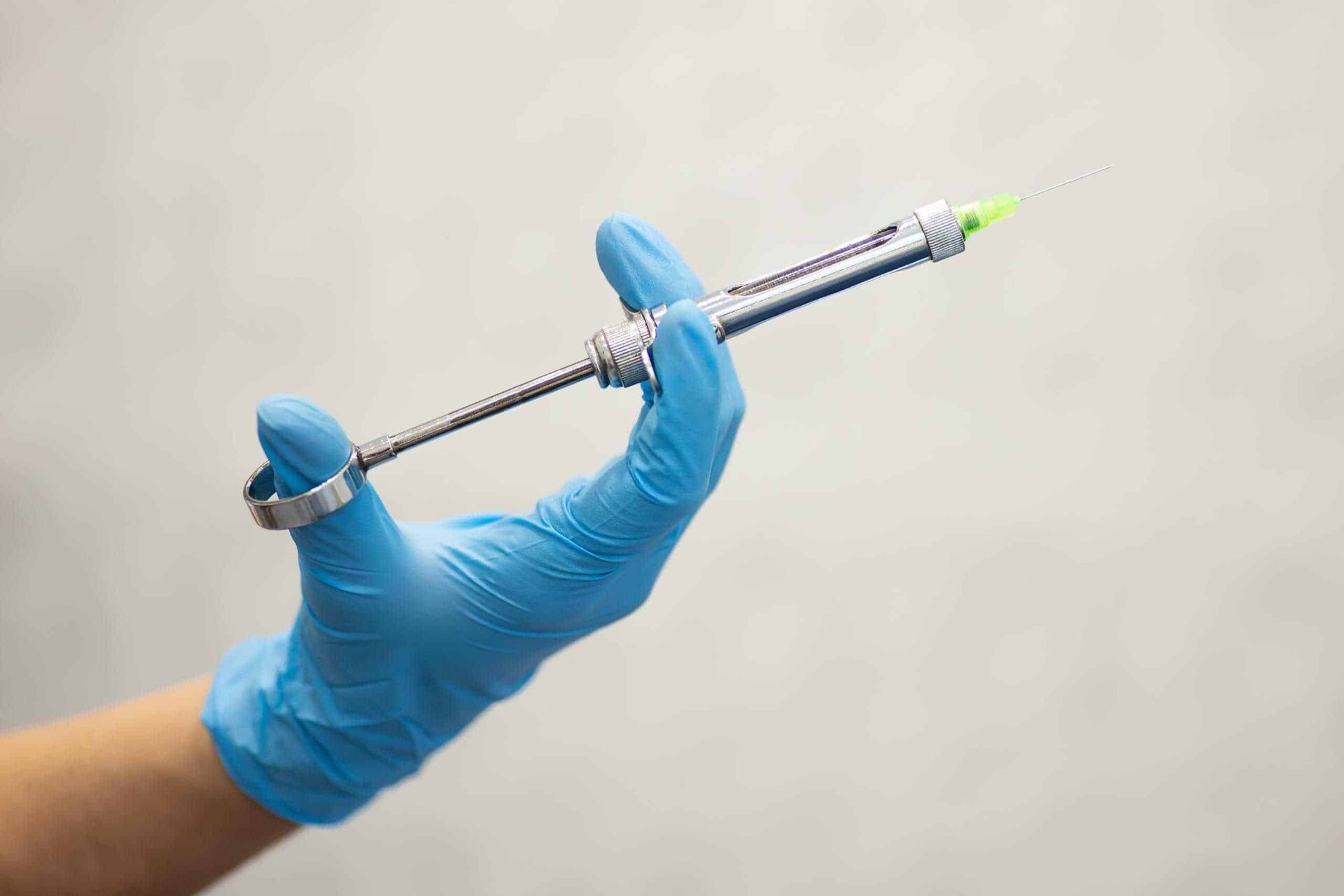
After the area is numbed, the gum over the ridge is opened so the bone can be seen. The oral surgeon or dentist then reduces sharp edges and spurs with hand instruments, rotary burs or a piezosurgery unit, smooths the surface and checks the contour by feel. The site is irrigated to clear bone fragments, and the gum is closed with sutures where needed.
The choice of instrument affects how the recovery feels. A comparative study included 35 edentulous patients, 25 men and 10 women aged 38 to 83, who had bony spicules on both sides of the jaw (PubMed 30693229). One side was treated with piezosurgery and the other with the conventional technique, and the piezosurgery side showed lower pain scores on day 2 and better healing index scores on day 7 (PubMed 30693229). The difference between groups was statistically significant (P < 0.05) (PubMed 30693229). The study was small, and piezosurgery is not available or needed in every case, but it shows that technique is part of the patient experience.
For insurance, the procedure has its own dental codes. Alveoloplasty done in the same appointment as extractions is coded D7310 per quadrant, and alveoloplasty done as a separate later procedure is coded D7320 per quadrant. The codes help insurers classify the treatment and decide on cover.
Recovery and Aftercare
Most patients heal from alveoloplasty in three to four weeks, and the first days feel much like recovery from a routine extraction. Mild to moderate discomfort is expected and is usually controlled with prescribed or over-the-counter pain relief. Swelling and minor bleeding can continue for a few days.
In the first days, avoid chewing on the surgical site and follow the dentist's instructions on cleaning and medication. A soft diet, such as soups and mashed foods, keeps pressure off the healing gum. Strenuous activity can increase bleeding and should wait a few days. Drinking enough water helps, and smoking should be avoided because it slows healing. A soft diet in the first days and avoiding smoking are the two aftercare measures with the clearest effect on recovery.
A follow-up visit is usually booked within one to two weeks to review healing and remove the sutures. At that visit the dentist checks that the gum has closed over the smoothed bone and that no sharp points remain. Healing time varies with age, general health and how much surgery was done, so the three to four week figure is a typical range and does not apply to everyone.
When the alveoloplasty was done to prepare for a denture, the impression stage starts once the gum has settled. Because the ridge continues to remodel for months after extraction, a denture fitted early may need adjusting or relining later, and this is planned from the start so it does not come as a surprise.
Risks, Medicines and Planning
Temporary pain, swelling and bruising are the common effects of alveoloplasty, and serious complications are uncommon. Rarer problems include infection, delayed healing in smokers and in people with diabetes, and nerve injury when the surgery is close to sensory nerves. Removing bone also costs ridge height, which is why the amount reshaped is kept to what the prosthesis needs.
Unusual events are documented. A case report described localised sublingual emphysema, air trapped in the tissues under the tongue, after alveoloplasty; there was no facial involvement and the patient recovered uneventfully (PubMed 33088550). Reports like this are the reason instrument choice and flap handling are managed with care, even though such events are rare.
Medicines need attention before surgery. Because alveoloplasty is bone surgery, it needs extra planning in people taking antiresorptive drugs for osteoporosis. An international consensus lists maxillary or mandibular bone surgery and ill-fitting dentures among the risk factors for osteonecrosis of the jaw, while estimating its incidence in osteoporosis patients at 0.001% to 0.01% (PubMed 25414052). The same consensus puts the incidence in oncology patients on high doses at 1% to 15% (PubMed 25414052). The risk in osteoporosis is therefore low, but the dentist needs to know about these medicines, as well as blood thinners and conditions such as diabetes, before surgery is scheduled.
Questions to Settle Before Surgery
Before alveoloplasty, the patient and dentist should agree on why the ridge needs reshaping, how much bone will be removed and what comes after. The examination and radiograph show whether the ridge has sharp projections, undercuts or irregular crests that would affect a denture, or whether it is smooth enough to leave alone. If bone volume is the problem, the discussion moves to grafting.
Timing is the next question. Reshaping at the same visit as the extractions saves a second surgery and a second recovery. A separate later procedure is used when the ridge problem shows up only after healing or after a denture has been worn for some time.
The medical history shapes the plan: antiresorptive or blood-thinning medicines, diabetes, smoking and any previous radiotherapy to the jaws. So does the prosthetic goal, since preparing for a full denture, a partial denture or implants calls for different contours.
Some patients combine alveoloplasty with a larger treatment plan while travelling for dental care, where it may be included in full-mouth restoration. In that case it is worth checking the clinic's accreditation, the qualifications of the surgeon and how follow-up care will be handled once the patient returns home, because the ridge keeps changing for months after surgery. With these answers in place, the patient knows how many visits to expect, how long the ridge will take to settle and when the final prosthesis can be made.
Let's plan the right treatment together.
Free Assessment→- 1.Tan WL, Wong TL, Wong MC, Lang NP. A systematic review of post-extractional alveolar hard and soft tissue dimensional changes in humans. Clin Oral Implants Res 2012;23 Suppl 5:1-21. PubMed 22211303
- 2.Gangwani KD, Shetty L, Kulkarni D, Seshagiri R, Chopra R. Piezosurgery Versus Conventional Method Alveoloplasty. Ann Maxillofac Surg 2018;8:181-187. PubMed 30693229
- 3.Dodge A, Kreh K, Kofina V, Rawal SY. Sublingual emphysema following alveoloplasty: A case report. Clin Case Rep 2020;8:2051-2054. PubMed 33088550
- 4.Khan AA, Morrison A, Hanley DA, Felsenberg D, McCauley LK, O'Ryan F, et al. Diagnosis and management of osteonecrosis of the jaw: a systematic review and international consensus. J Bone Miner Res. 2015;30(1):3-23. PubMed 25414052