Dental tourism in Turkey means travelling for treatment at a clinic that combines internationally trained dentists, current digital equipment and lower prices, and the cost gap is the main draw. How wide that gap is depends on the treatment, the material and what the quoted fee covers, so it is read from a written quote rather than from a headline percentage. Mosdent offers routine check-ups, cosmetic procedures, implants, veneers, orthodontics and extensive restorative work, with treatment plans built per patient. Safety is decided at the level of the individual clinic, and choosing by viral content is the documented risk: an analysis of 131 UK newspaper articles on dental tourism identified social media hype and warnings from dental professionals among its five main themes (PubMed 40021870).
- 01Cost is the primary driver: treatment fees here are generally lower than in Western Europe and North America. How much lower depends on the treatment and on what the quoted fee covers, which is why the comparison worth making is between two written quotes rather than between two percentages.
- 02Mosdent's stated scope runs from routine check-ups through teeth whitening, veneers, implants and orthodontics to extensive restorative work, with a treatment plan built per patient.
- 03Clinic selection criteria that can actually be checked are sterilisation protocols, digital radiography and 3D imaging on site, the implant brands used, dentist training and the follow-up arrangement.
- 04Choosing by viral content is a documented risk: an analysis of 131 UK newspaper articles on dental tourism identified social media hype and warnings from dental professionals among its five main themes (PubMed 40021870).
Why Patients Travel to Turkey for Dental Treatment
Patients travel to Turkey for dental work mainly because treatment fees here are generally lower than in Western Europe and North America. Cost is the usual starting point, and for many people considering dental treatments abroad it is the reason the search begins at all. How large the gap is depends on the treatment, the material and what the quoted fee includes, so the useful comparison is between two written quotes for the same plan. A headline percentage says little about your own case.
Two further reasons tend to appear alongside cost. The first is capability: clinics treating international patients usually work with current digital equipment, and many of their dentists trained in Europe or North America. The second is the option of combining treatment with a stay in the country, which suits people who want the work finished in one or two concentrated visits.
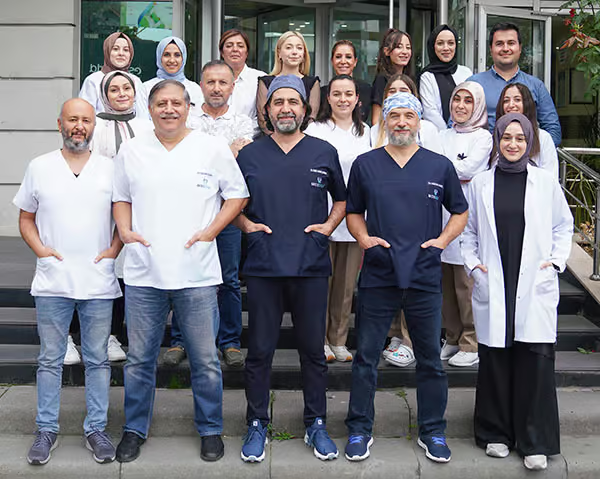
The travel plan should follow the treatment plan. The number of visits and the waiting time between them are set by the case itself. A course of veneers or crowns can often be completed within one stay, while an implant needs time for the bone to integrate the fixture before the final tooth is fitted, which usually means a second trip. Booking flights before the plan is written is the most common way patients end up rushing a stage that needed more time. Mosdent is one of the clinics in Istanbul that treats patients travelling from abroad, and the rest of this page sets out what is worth checking before you choose any clinic here.
What the Quoted Fee Should Cover
A quote is only comparable when you know what it contains. Before accepting one, ask which materials and implant systems will be used, who will carry out each stage of the treatment and what happens if something needs correcting after you fly home. Two quotes that look far apart can describe different materials, different numbers of appointments or different follow-up arrangements, and the cheaper one may leave out items the other includes.
Ask also what any travel arrangement actually covers and what it excludes, in writing, before the flight is booked. Transfers and accommodation are sometimes bundled with treatment and sometimes priced separately, and the difference changes the total more than patients expect.
Training varies from clinic to clinic. Some dentists have studied or trained abroad, and it is reasonable to ask where the clinician who will treat you trained and how often that clinician carries out the procedure you need. A dentist who places implants every week and one who places them occasionally can both be qualified, but the first will have met more of the complications your case might raise.
Equipment varies as well. Ask which imaging and digital planning the clinic uses for your case, and ask to see them applied to your own records. A sample case chosen for a brochure shows the equipment at its most flattering. Your own panoramic image or scan, explained to you, tells you more about how the clinic plans than any gallery of finished smiles.
Checking a Clinic Before You Book
Quality is not uniform across the country, so it is judged clinic by clinic. Safety depends on the individual clinic, and a national reputation, good or bad, tells you little about the room you will be treated in.
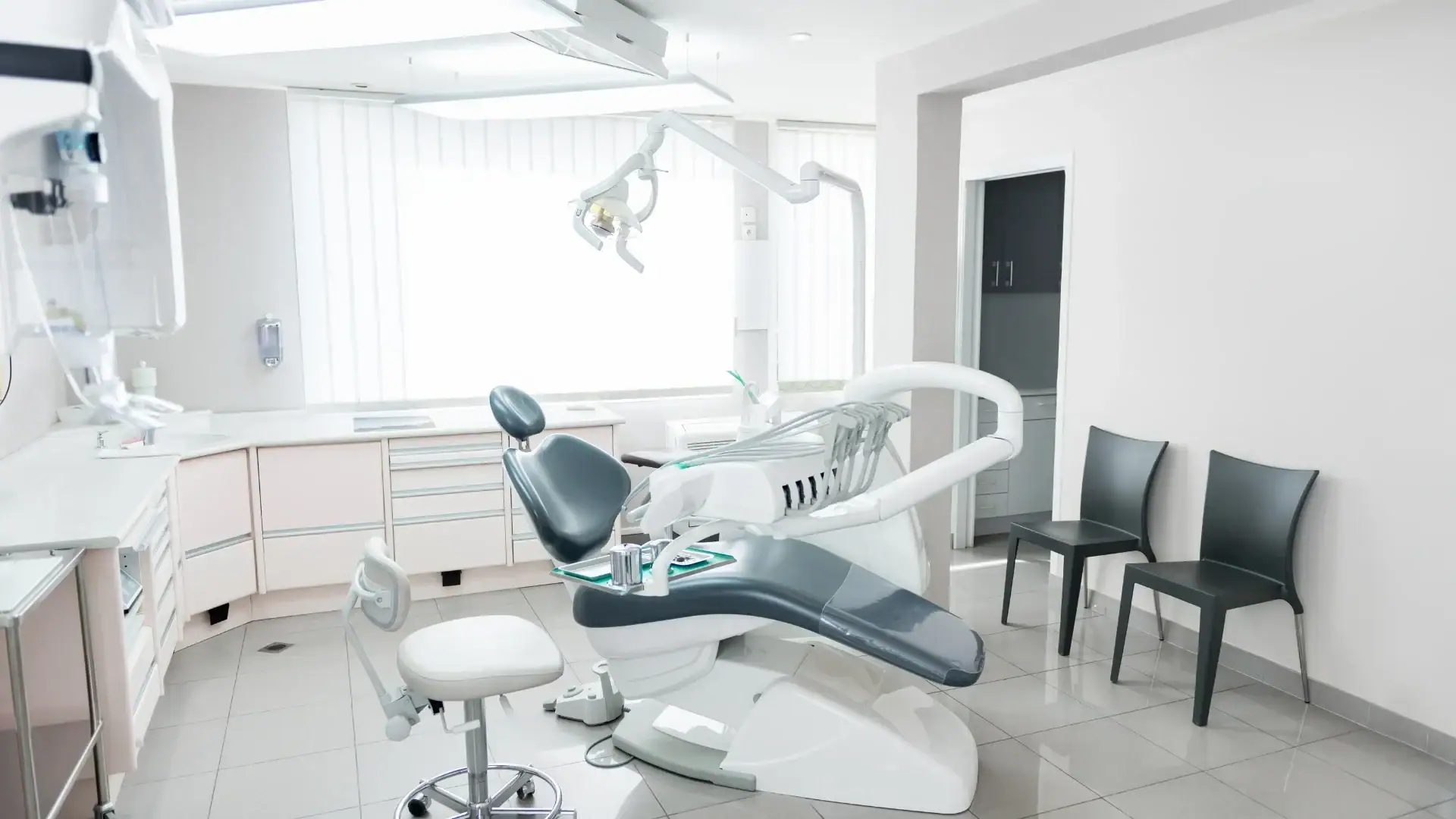
The points that can actually be checked are practical ones. The first is the sterilisation protocol: how instruments are cleaned, packed and recorded between patients. The second is imaging: whether digital radiography and 3D imaging are available on site, since implant planning in particular depends on a three-dimensional view of the bone. The third is materials: which implant and ceramic brands are used, and whether they are named on your plan so that a dentist at home can identify them later. The fourth is experience: whether the clinic treats your type of case often enough for it to be routine there, and whether you can see before and after cases in the specific treatment you need. The last is follow-up: what the arrangement is if a crown needs adjusting or an implant needs checking after you have returned home.
At Mosdent these points are set out in writing before treatment starts. Any clinic should be willing to do the same, and a reluctance to put materials, stages and follow-up on paper is a reasonable signal to keep looking.
Written answers matter for a second reason. They give your local dentist something concrete to work from if a problem appears months later, and they make it possible to compare clinics on the same terms.
What Coverage of Dental Tourism Shows
Much of what patients know about treatment abroad comes from social media and news coverage, and that coverage has been studied directly. The risk it points to is choosing a clinic because of viral content, without checking the clinic itself.
A review of dental tourism reporting in the ten most popular UK newspapers identified 201 related articles and analysed 131 of them, finding five key themes: the push and pull factors that lead people abroad, patient-reported outcomes and experiences, warnings from dental professionals, amplifying social media hype, and media shaming of people who had treatment abroad (PubMed 40021870). The same study concluded that viral social media health trends were a means of distributing health misinformation and that the press amplified those perspectives (PubMed 40021870).
Two practical lessons follow from this. The first is that a before and after video shows a result on the day of fitting and says nothing about the preparation of the teeth underneath, the bite or how the work will age. The second is that stories in the press tend to report the worst outcomes and rarely name the clinic, so they cannot tell you whether a particular clinic is safe either.
The way through is to go back to what can be checked: the written plan, the named materials, the clinician's training and the follow-up arrangement. Those answers apply to your own mouth, while viral content and headlines describe someone else's.
Treatments Available at Mosdent
Mosdent is one of the Istanbul clinics treating international patients. A multi-specialty center brings several specialties under one roof, which differs from a single-chair practice where one dentist carries out every stage. The stated range runs from routine check-ups through cosmetic procedures to extensive restorative work.
On the cosmetic side, treatments include teeth whitening and veneers. Whitening is often done before any ceramic work, because a crown or veneer keeps the shade it was made in and will not lighten afterwards. Veneers cover the front surface of a tooth and are used to change its shape or colour, and the amount of tooth prepared for them is part of the plan you should see in writing.
Restorative and functional treatments include implants and orthodontics, alongside the routine care that keeps existing teeth healthy. Implants replace missing teeth with a fixture in the jawbone, and orthodontic treatment moves teeth into a better position which in some cases reduces the restorative work needed afterwards.
Each plan is drawn up case by case after an examination, around the individual patient. The center also emphasises ongoing staff training so that techniques stay current. If you are travelling, ask which stages can be sequenced into one trip and which need a second visit, since that answer shapes both the travel plan and the time you will need away from home.
Records to Take Home After Treatment
What you should receive at discharge is a written record of what was done, which materials and brands were used, and when the follow-up appointments are due. This is the document that protects the work after you leave the clinic.
The record matters most once you are home. If a crown needs a small bite adjustment, or a tooth becomes sensitive, your local dentist can manage it far more easily when the materials and the steps already taken are written down. Without that information a dentist may have to guess what was placed, and guessing leads to more drilling or to replacing work that only needed a minor correction.
For implants, the record should name the implant system and identify the components, since parts are not interchangeable between systems. For veneers and crowns, it should state the ceramic used and whether any teeth received root canal treatment during the process. For any treatment, it should list the follow-up visits and what each one is for.
Before you book, ask the clinic whether it provides this record as standard and in which language. Asking at the start costs nothing, and a clinic that already works this way will answer the question easily. Keep a copy with your own medical records, and bring it to the first check-up with your dentist at home so that the two practices are working from the same information.
Let’s plan the right treatment together.
Free Assessment→