
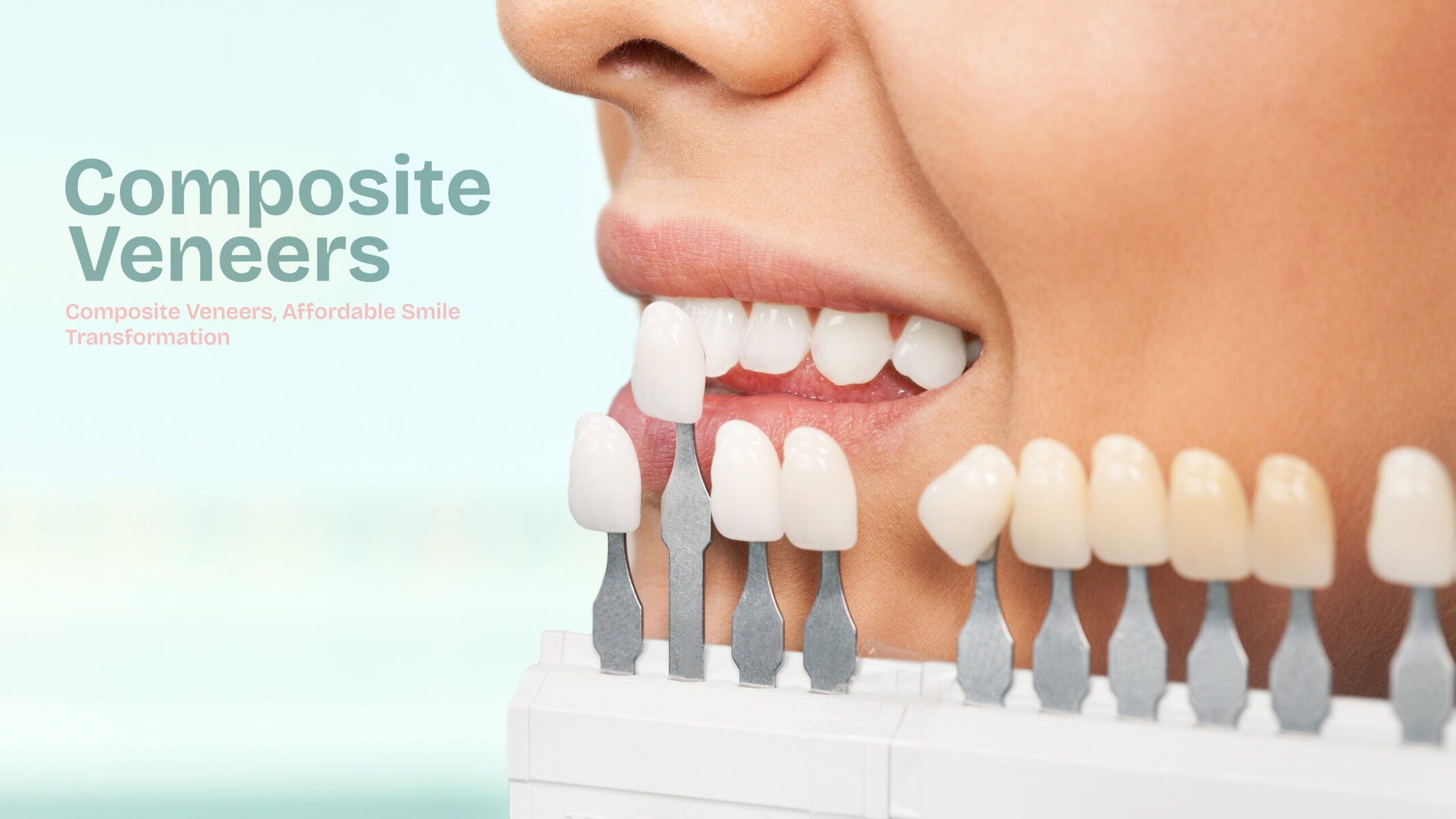
Composite veneers are tooth-coloured resin built up directly on the tooth in layers and hardened with a curing light in the same visit, usually after removing under a millimetre of enamel. Their survival has been pooled: a systematic review and meta-analysis of randomised trials put resin composite laminate veneer survival at 88 percent (95 percent CI 81 to 94) across follow-up periods of 24 to 97 months, with surface roughness, colour mismatch and marginal discolouration the most reported complications (PubMed 38035903). In the United States they are priced around $250 to $1,500 per tooth against $900 to $2,500 for porcelain, which is why they are chosen as much for cost and chair time as for appearance.
- 01A composite veneer is a restoration type, not a material class: composite resin is sculpted onto the tooth chairside and light-cured in one visit, whereas porcelain veneers are fabricated in a laboratory and bonded at a second appointment.
- 02Pooled survival from the randomised controlled trials is 88 percent (95 percent CI 81 to 94), with mean follow-up from 24 to 97 months; the review included 7 studies in total, 3 randomised trials and 4 cohorts (PubMed 38035903).
- 03The typical failures are cosmetic rather than catastrophic: surface roughness, colour mismatch and marginal discolouration were the most reported complications, and most were judged clinically acceptable with or without reintervention (PubMed 38035903).
- 04Porcelain behaves differently: 580 porcelain laminate veneers in 66 patients showed 86 percent cumulative survival to 12 years, 99 percent where the preparation stayed in enamel, and about ten times the failure risk when bonded to dentine (PubMed 23342345).
- 05Price bands in the United States are $250 to $1,500 per tooth for composite and $900 to $2,500 for porcelain, with a full set of 6 to 8 teeth running $3,000 to $10,000.
In recent years, cosmetic dentistry has become more accessible and popular, with a growing number of patients seeking ways to enhance their smiles. One of the most sought-after solutions in smile makeovers is composite veneers. These versatile, cost-effective restorations have transformed the way people address imperfections, such as stained, chipped, or misaligned teeth. Composite veneers are made from a durable resin material that is sculpted directly onto the teeth, resulting in a natural and aesthetically pleasing appearance.
As more individuals explore options for improving their smiles, composite veneers have gained traction due to their affordability, quick application process, and impressive results.
/ Composite Veneers and How They Are Applied
Composite veneers are a popular cosmetic dental treatment designed to improve the appearance of your teeth. Made from a resin-based material, composite veneers are custom-crafted to cover imperfections on the surface of your teeth, giving you a natural, beautiful smile. Whether you’re dealing with chipped, stained, or unevenly shaped teeth, composite veneers can provide a quick and effective solution.
Material Used in Composite Resin Veneers
The primary material used in composite veneers is composite resin, a tooth-colored material that is versatile and durable. This resin is a blend of acrylic and other dental materials, offering a range of benefits for those seeking aesthetic improvements. Composite resin is known for its ability to mimic the natural translucency of teeth, allowing it to blend naturally with your existing dental structure.
One of the key advantages of composite resin is its ability to be shaped directly onto the tooth. Unlike porcelain veneers , which are made in a dental lab, composite veneers can be applied directly by the dentist during a single visit. This flexibility allows the dentist to sculpt and mold the material to the exact specifications needed to achieve the desired look.
How Composite Veneers Are Applied
The process of applying composite veneers is relatively simple and minimally invasive compared to other veneer options, like porcelain veneers. Here's an overview of the steps involved:
- Preparation : In most cases, only a small amount of tooth enamel is removed, usually less than a millimeter. This allows the composite resin to bond more effectively to the tooth’s surface.
- Shaping and Application : The composite resin is applied in layers, with each layer being carefully shaped and molded to fit the tooth. The material is hardened using a special curing light to ensure it stays in place.
- Polishing : After the resin is fully hardened, the dentist will polish the composite veneer to give it a natural shine, making it indistinguishable from the surrounding teeth.
The entire procedure can typically be completed in one visit, making composite veneers a time-efficient solution for those looking to enhance their smiles quickly.
/ Aesthetic Benefits and Common Uses of Composite Veneers
One of the main reasons composite veneers have become so popular is their aesthetic appeal. Because composite resin is available in a wide range of shades, it can be closely matched to the natural color of your teeth, ensuring a flawless result. This ability to customize the veneer color helps individuals achieve a brighter, more uniform smile without the need for whitening treatments or extensive dental work.
Additionally, composite veneers provide a smooth, shiny finish that enhances the overall appearance of your teeth. They reflect light in a similar way to natural enamel, offering an incredibly realistic, lifelike look.
Common Uses for Composite Veneers
Composite veneers are incredibly versatile and can address a variety of cosmetic dental concerns. Some of the most common uses include:
- Chipped Teeth : Composite veneers can repair chips and fractures, restoring the tooth to its natural shape and function.
- Stained or Discolored Teeth : Composite veneers are ideal for covering stubborn stains or discoloration that cannot be removed with traditional whitening treatments.
- Uneven or Misshapen Teeth : If you have teeth that are uneven in size or shape, composite veneers can provide a symmetrical and aesthetically pleasing appearance.
- Gaps Between Teeth : Composite veneers can also be used to close small gaps between teeth, providing a more uniform smile.
Overall, composite veneers offer a highly effective, affordable solution for a wide range of cosmetic dental issues. Whether you're looking to fix a small imperfection or undergo a full smile makeover, composite veneers can provide the enhancements you need to feel confident in your smile.
/ Composite Veneers Cost and Pricing Factors
Composite veneers are a popular choice for individuals seeking to enhance their smiles without the hefty price tag associated with other dental restorations. While costs can vary based on several factors, understanding the typical price range and what influences these costs can help you make an informed decision.
Average Cost of Composite Veneers
The cost of composite veneers generally ranges between $250 and $1,500 per tooth , depending on various factors such as location, dentist expertise, and material quality. In some cases, a full set of composite veneers (typically covering 6–8 teeth) can cost between $3,000 and $10,000 .
Factors Influencing the Cost
Several elements can impact the overall cost of composite veneers:
- Geographic Location : Dental fees can vary significantly by region. Urban areas with higher living costs often have higher dental fees compared to rural locations.
- Dentist's Experience and Reputation : Highly experienced cosmetic dentists may charge more for their services due to their expertise and track record.
- Number of Veneers Needed : The more teeth that require veneers, the higher the total cost. A full set of veneers will naturally be more expensive than a single veneer.
- Material Quality : Higher-quality composite resins can increase the cost but may offer better aesthetics and durability.
- Additional Procedures : Pre-treatment procedures, such as teeth whitening or gum contouring, can add to the overall expense.
/ Composite Veneers Pricing Comparisons and Inclusions
Composite vs. Porcelain Veneers
When comparing composite veneers to porcelain veneers, cost is a significant differentiator. Composite veneers are generally more affordable, with prices ranging from $250 to $1,500 per tooth , while porcelain veneers typically cost between $900 and $2,500 per tooth . However, it's important to note that porcelain veneers tend to be more durable and stain-resistant than composite veneers.
What's Included in the Price?
The quoted price for composite veneers often encompasses:
- Consultation Fees : Initial assessment and treatment planning.
- Procedure Costs : Application of the veneers, including any necessary tooth preparation.
- Aftercare : Follow-up visits to ensure proper fit and address any concerns.
It's advisable to confirm with your dental provider exactly what is included in the quoted price to avoid unexpected expenses.
Final Thoughts
Composite veneers offer a cost-effective solution for those looking to improve their smile. By considering factors such as location, dentist expertise, and the number of veneers needed, you can better estimate the potential costs involved. Remember to consult with a qualified dental professional to determine the best option tailored to your needs and budget.
/ How Long Do Composite Veneers Last? The Truth About Their Lifespan and Durability
Composite veneers are a popular choice for enhancing smiles due to their affordability and aesthetic appeal. However, understanding their longevity is crucial for setting realistic expectations and ensuring proper care.
Average Lifespan of Composite Veneers
Composite veneers showed 88% survival over 24 to 97 months (PubMed 38035903). Results vary based on several factors, including the quality of the material used, the skill of the dentist, and the patient's oral hygiene practices. With diligent care, some individuals may experience a longer lifespan for their veneers.
Factors Influencing Longevity
Several elements can impact the durability of composite veneers:
- Oral Hygiene : Maintaining a rigorous oral hygiene routine by brushing twice daily with non-abrasive toothpaste and flossing regularly can prevent plaque buildup and staining.
- Dietary Habits : Consuming staining foods and beverages like coffee, tea, and red wine can discolor veneers over time. Limiting these can help maintain their appearance.
- Protective Measures : Using a mouthguard during sports or if you grind your teeth at night can prevent chipping and wear.
- Avoiding Harmful Habits : Refraining from biting hard objects or using teeth as tools can prevent damage to the veneers.
Maintenance Tips to Maximize Lifespan
To extend the life of your composite veneers:
- Regular Dental Check-ups : Visit your dentist regularly for professional cleanings and to monitor the condition of your veneers.
- Gentle Brushing : Use a soft-bristled toothbrush and fluoride toothpaste to avoid scratching the veneer surface.
- Avoid Abrasive Products : Steer clear of abrasive toothpastes and whitening agents that can erode the veneer material.
Signs That Veneers May Need Replacement
Be vigilant for the following signs that indicate your composite veneers may require replacement:
- Discoloration : Persistent staining or darkening that doesn't respond to cleaning.
- Chipping or Cracking : Visible damage to the veneer surface.
- Gum Recession : Gums pulling away from the veneers, exposing the underlying tooth.
- Loose Veneers : Veneers that feel loose or detached from the tooth.
- Sensitivity : Increased tooth sensitivity to hot or cold temperatures.
By adhering to proper maintenance practices and being attentive to changes in your veneers, you can enjoy a lasting and radiant smile.
/ Choosing a Dentist for Composite Veneers
If you're considering composite veneers to enhance your smile, finding a qualified dentist nearby is the first step toward achieving your aesthetic goals. Here's how you can locate reputable providers and make an informed decision.
What to Look for When Comparing Clinics
Ask to see the clinic's own composite veneer cases and how repairs are handled. Online maps and dental directories help identify local practices that work in cosmetic dentistry.
Tips on Selecting a Qualified Dentist
When choosing a dentist for composite veneers, consider the following:
- Experience and Specialization : Opt for a dentist with extensive experience in cosmetic procedures, particularly composite veneers. Specialized training can indicate a higher level of expertise.
- Technology and Techniques : Inquire about the dental technologies and techniques the practice employs. Advanced tools can enhance the precision and outcome of veneer applications.
- Personalized Treatment Plans : A reputable dentist will assess your unique dental needs and aesthetic goals, tailoring a treatment plan that aligns with your expectations.
Importance of Reviews, Consultations, and Referrals
- Patient Reviews : Read reviews on platforms like Google and Yelp to gauge patient satisfaction and the quality of care provided.
- Consultations : Schedule consultations to discuss your options, understand the procedure, and evaluate the dentist's approach to care.
- Referrals : Ask friends, family, or your general dentist for recommendations. Personal referrals can lead you to trusted professionals.
/ Local Resources and Final Considerations for Composite Veneers
Tools and Resources to Find Local Options
- Online Directories : Websites like Healthgrades , Zocdoc , and American Academy of Cosmetic Dentistry offer searchable databases of dental professionals.
- Dental Insurance Provider : If you have dental insurance, check your provider's website for a list of covered cosmetic dentists in your area.
- Local Dental Societies : Contacting your local or state dental society can provide a list of accredited cosmetic dentists nearby.
Directories narrow the list; the clinic's own cases and its repair policy decide which name on that list is the right one.
Conclusion
Composite veneers offer an effective, affordable solution for those seeking to improve their smile with minimal time and effort. Whether you’re dealing with chipped, stained, or uneven teeth, composite veneers can provide a natural, aesthetically pleasing result. By understanding the cost, longevity, and where to find a qualified provider, you can make an informed decision that aligns with your goals and budget.
Remember to research local dentists, check reviews, and consult with professionals to find the right fit for your needs. With proper care and maintenance, composite veneers can give you a bright, confident smile for years to come.
Let’s plan the right treatment together.
Free Assessment→- 1.Lim TW, Tan SK, Li KY, Burrow MF. Survival and complication rates of resin composite laminate veneers: a systematic review and meta-analysis. J Evid Based Dent Pract. 2023;23(4):101911. doi:10.1016/j.jebdp.2023.101911
- 2.Gurel G, Sesma N, Calamita MA, Coachman C, Morimoto S. Influence of enamel preservation on failure rates of porcelain laminate veneers. Int J Periodontics Restorative Dent. 2013;33(1):31-39. doi:10.11607/prd.1488
- 3.Demarco FF, Collares K, Coelho-de-Souza FH, Correa MB, Cenci MS, Moraes RR, et al. Anterior composite restorations: A systematic review on long-term survival and reasons for failure. Dent Mater 2015;31:1214-24. PubMed 26303655