
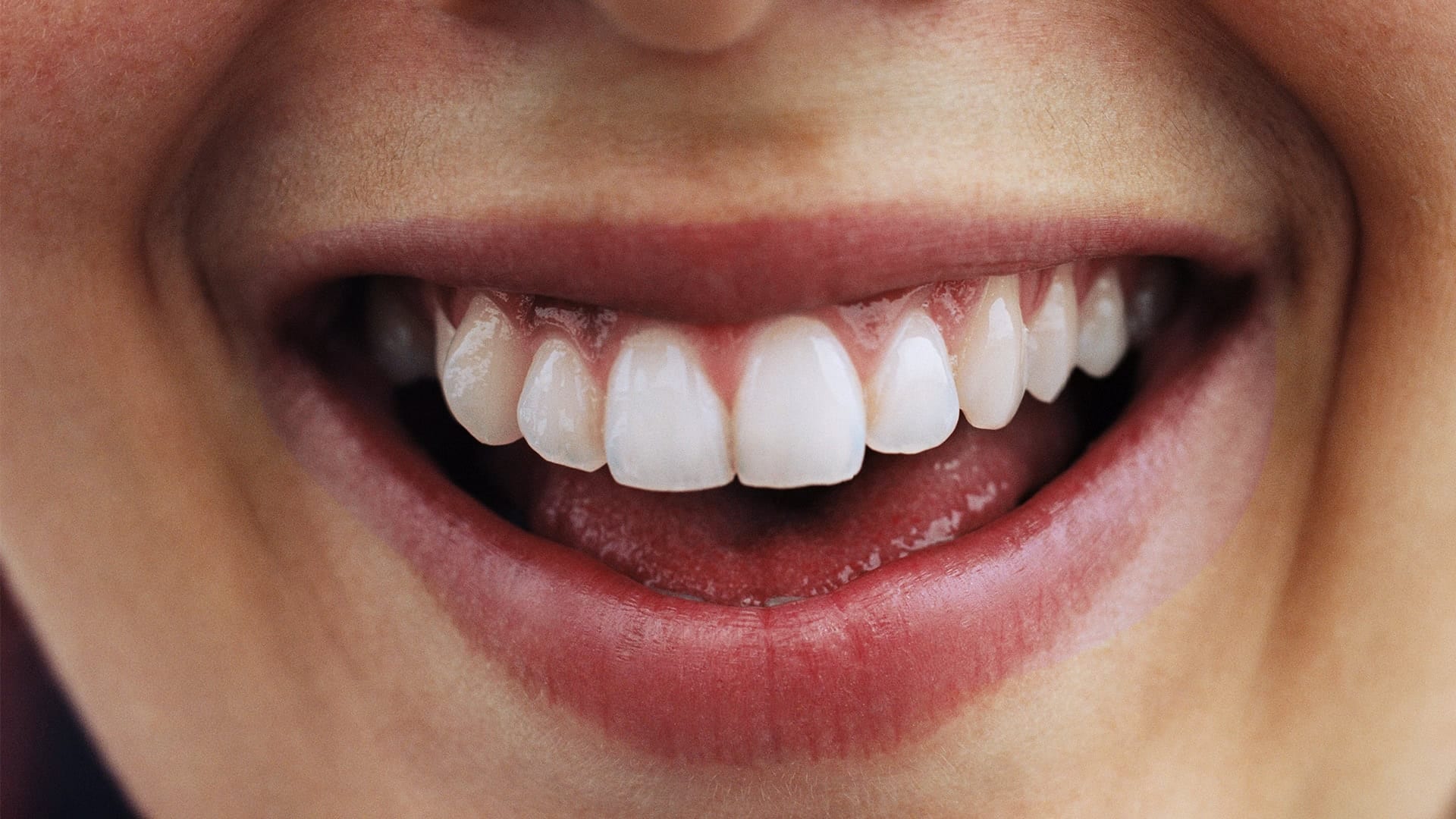
A gummy smile, clinically called excessive gingival display, is a smile that shows more than 3 to 4 millimetres of gum above the upper teeth, and it traces back to an overactive upper lip, excess gum tissue, short or worn teeth, or vertical overgrowth of the upper jaw. Treatment follows the cause. In a meta-analysis of botulinum toxin A, gingival display fell by a mean 2.51 mm at two weeks and 2.24 mm at three months (PubMed 36835971); lip repositioning surgery reduced it by 2.87 mm at three months, easing to 2.10 mm by twelve months (PubMed 33325589).
- 01Excessive gingival display is defined as more than 3 to 4 mm of gum visible above the upper teeth during a full smile, and it is an aesthetic finding rather than a disease.
- 02Botulinum toxin A reduced gingival display by a mean 2.51 mm at two weeks and 2.24 mm at three months, with 1.25 to 7.5 units injected per side into the levator labii superioris group (PubMed 36835971).
- 03Lip repositioning surgery gave 2.87 mm reduction at three months, 2.71 mm at six months and 2.10 mm at twelve months across eight studies, so roughly a quarter of the gain relapses inside a year (PubMed 33325589).
- 04Adding myotomy to lip repositioning produced greater reduction at six months than the procedure without it (P < 0.02; PubMed 33325589).
- 05When the cause is vertical maxillary excess, orthognathic surgery is the structural answer; muscle-driven cases are the ones that respond to botulinum toxin, and gum or bone excess is handled by crown lengthening or contouring.
When Smiling Shows More Than Intended
A beautiful smile is often associated with confidence, charisma, and health. However, when the gums are overly exposed while smiling, it can create what is commonly referred to as a gummy smile. While not medically harmful, a gummy smile can affect self-esteem and influence how one perceives their facial aesthetics.
/ Gummy Smile Overview and Causes
What Is a Gummy Smile?
A gummy smile, also known as excessive gingival display, occurs when more than 3–4 millimeters of gum tissue is visible above the upper teeth during a full smile. While some people may see it as charming, others feel it throws off the harmony of their smile and facial balance.
Characteristics of a Gummy Smile:
- More than 4mm of gum visible while smiling
- Short or small-looking upper teeth
- Excess gum tissue or high upper lip line
- Often symmetrical, but can also be one-sided
What Causes a Gummy Smile?
Understanding the root cause is essential to choosing the right treatment. So, what causes a gummy smile? There are several possible factors:
1. Overactive Upper Lip Muscles
The levator muscles may lift the upper lip excessively while smiling, exposing more gum than normal.
2. Excessive Gum Tissue
Known as gingival hypertrophy, some people naturally have thicker or more prominent gum tissue.
3. Short Upper Teeth or Worn Enamel
Teeth that appear short due to wear or incomplete eruption can make the gums look more prominent.
4. Vertical Maxillary Excess
An overgrowth of the upper jaw (maxilla) can push the gums downward, resulting in more visibility.
5. Genetics
Many people simply inherit the trait. In fact, gummy smile celebrities like Gwen Stefani and Nicole Kidman have helped normalize it.
Gummy Smile in Men vs. Women: Aesthetic Differences
While both genders can experience gummy smiles, treatment expectations and approaches often differ.
- Men may prefer subtle or natural corrections
- Women often seek refined, proportionate upper lip movement
- Lip mobility, bone density, and muscle strength can influence treatment strategy
Personalized planning is essential for achieving facial balance across gender identities.
Gummy Smile in Children and Teens: Can It Be Prevented?
Early detection is key. In children, certain habits or developmental delays can be early indicators.
- Orthodontic screening should begin at age 7
- Habits like thumb-sucking and mouth-breathing should be addressed early
- Jaw growth evaluations can prevent future maxillary overgrowth
- Early correction of deep bite may limit gum exposure later
/ Gummy Smile Treatment Options Without Major Surgery
How to Fix a Gummy Smile: Treatment Options
If you're wondering how to fix a gummy smile, there are multiple solutions available, ranging from non-invasive to surgical.
Botox for Gummy Smile: A Quick and Non-Surgical Option
Gummy smile Botox is one of the most popular modern solutions, particularly for those looking for a fast and non-invasive approach.
- Involves injecting botulinum toxin into the muscles that raise the upper lip
- Weakens muscle activity to reduce gum exposure
- Results in 3–5 days, lasts 3–6 months
- Suitable for mild-to-moderate gummy smiles
- No downtime, affordable, but temporary
Lip Fillers and Gummy Smile: Complementary or Conflicting?
Some patients who consider gummy smile treatment also ask about lip fillers. But do they work together?
- Can lip fillers worsen a gummy smile? Yes, if they push the lip upward
- Can lip fillers help? In rare cases, yes, by adding volume to cover the gum
- Best approach? Botox for muscle control, then optional lip filler for volume, with proper planning
Consultation with a professional is key to balancing the two treatments safely.
Orthodontic Treatment for Gummy Smiles
When gummy smiles are caused by improper bite or misaligned teeth, orthodontics can help:
- Braces or aligners reposition teeth
- Temporary Anchorage Devices (TADs) can intrude over-erupted teeth
- Often used in growing children and teens but effective in adults too
/ Gummy Smile Treatment Options and Cost
Gummy Smile Surgery: Permanent and Structural Solutions
Surgical options provide long-term or permanent results and target the underlying structure:
1. Crown Lengthening Surgery
- Removes excess gum and bone tissue
- Makes teeth appear longer
- Ideal for gum overgrowth and short teeth
2. Lip Repositioning Surgery
- Repositions upper lip attachment point
- Limits excessive elevation of the lip
- Less invasive than jaw surgery
3. Orthognathic (Jaw) Surgery
- Addresses skeletal issues like vertical maxillary excess
- Requires general anesthesia and orthodontic prep
- Most invasive but highly effective for severe cases
Laser Gum Contouring
This quick, cosmetic procedure reshapes uneven or bulky gums using laser technology.
- Minimally invasive
- Immediate visual improvement
- Used alone or with veneers/crowns
Gummy Smile Makeovers: Before and After Transformations
Botox Example
Before: 5 mm gum exposure due to lip hyperactivity
After: 2 mm reduction with balanced lip lift
Crown Lengthening Example
Before: Short teeth hidden by excessive gums
After: Recontoured gum line and visible, proportionate teeth
Orthognathic Surgery Example
Before: Skeletal excess causing 8+ mm gingival display
After: Jaw repositioned for harmonious facial proportions
Visual results help patients feel more confident about pursuing treatment.
Smile Design: Combining Treatments for Best Results
In many cases, combining multiple treatments yields the best aesthetic and functional results.
- Botox + Veneers for quick cosmetic improvement
- Gum contouring + Orthodontics for alignment and balance
- Lip repositioning + Crowns to improve gum-to-tooth ratio
This “smile makeover” approach is tailored individually for optimal results.
Cost Breakdown: How Much Does Gummy Smile Treatment Cost?
| Treatment | Cost Range (USD) | Duration | Maintenance |
|---|---|---|---|
| Botox | $200–$600 | 3–6 months | Yes |
| Laser Contouring | $500–$1,500 | Permanent | No |
| Crown Lengthening | $1,000–$3,000 | Permanent | No |
| Lip Repositioning Surgery | $2,000–$4,000 | Long-lasting | Rare |
| Orthognathic Jaw Surgery | $8,000–$20,000+ | Permanent | No |
Note: Pricing varies by country, clinic, and complexity.
/ Gummy Smile Celebrities and Personal Choice
Gummy Smile Celebrities: Owning Their Look
Some celebrities with gummy smiles have opted for treatment, while others proudly wear their natural smiles.
- Gwen Stefani – Embraces her signature smile
- Natalie Portman – Natural gummy smile adds character
Their stories show that treatment is a personal choice, not a requirement, whether it’s embracing a natural charm or choosing to pursue a more sculpted, camera-ready Hollywood Smile .
Psychological and Social Impact of a Gummy Smile
Even if a gummy smile is harmless medically, its emotional effects can be real:
- Lower self-esteem
- Avoiding photos or public speaking
- Social anxiety, especially in teens
- Professional self-consciousness
Treating a gummy smile is often as much about emotional well-being as physical aesthetics.
How to Choose the Right Gummy Smile Treatment
Use these criteria to make the best choice:
- Cause-based diagnosis : Is the issue muscular, gingival, or skeletal?
- Longevity : Do you want a temporary fix or a permanent solution?
- Budget : Botox is affordable; surgery is a bigger investment.
- Recovery : Can you afford downtime or want quick results?
A consultation with a cosmetic dentist or oral surgeon will help clarify your options.
/ FAQs
What is a gummy smile?
Excess gum tissue (usually more than 3–4mm) visible when smiling.
How to fix a gummy smile?
Options include Botox, laser, crown lengthening, lip repositioning, orthodontics, or jaw surgery.
How to get rid of a gummy smile without surgery?
Botox and laser contouring are great non-surgical alternatives.
What causes a gummy smile?
Common causes: overactive lip, extra gum tissue, short teeth, jaw structure, or genetics.
Is gummy smile treatment permanent?
Botox is temporary; surgery, laser, and orthodontics can be long-term or permanent.
Conclusion: Your Smile, Your Confidence
A gummy smile doesn’t have to limit your self-image. From fast fixes like gummy smile Botox to long-lasting surgical options, there’s a treatment path that fits your needs, budget, and comfort level.
Whether you choose to embrace your natural smile like some gummy smile celebrities, or opt for a transformative aesthetic procedure, the power is in your hands, and your smile is worth it.
Let’s plan the right treatment together.
Free Assessment→- 1.Rojo-Sanchis C, Montiel-Company JM, Tarazona-Álvarez B, Haas-Junior OL, Peiró-Guijarro MA, Paredes-Gallardo V, et al. Non-Surgical Management of the Gingival Smile with Botulinum Toxin A-A Systematic Review and Meta-Analysis. J Clin Med 2023;12. PubMed 36835971
- 2.Dos Santos-Pereira SA, Cicareli ÁJ, Idalgo FA, Nunes AG, Kassis EN, Castanha Henriques JF, et al. Effectiveness of lip repositioning surgeries in the treatment of excessive gingival display: A systematic review and meta-analysis. J Esthet Restor Dent 2021;33:446-457. PubMed 33325589