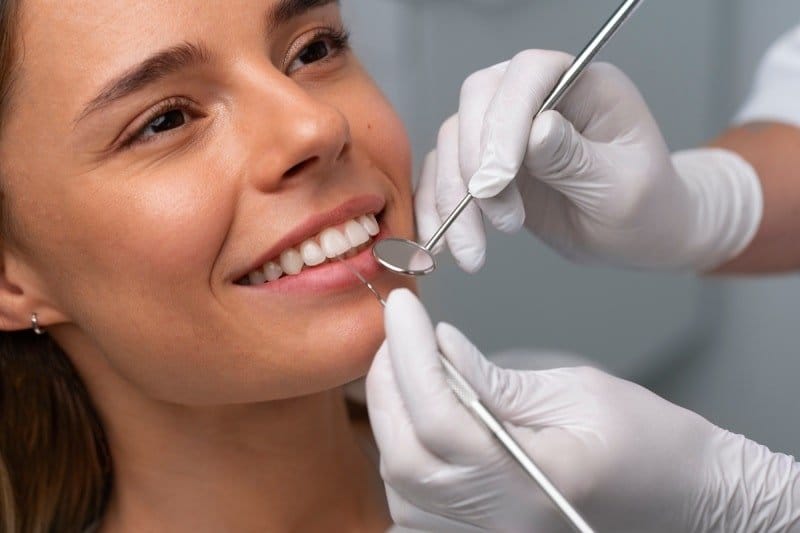
A veneer is a thin custom shell of ceramic or resin composite bonded to the front surface of a tooth to change its colour, shape or apparent alignment, and it is the restoration behind most of the uniform smiles seen on red carpets. Pooled clinical data put ceramic laminate veneer survival at 96.81 percent for lithium disilicate and 96.13 percent for feldspathic ceramic at 10.4 years across 29 studies, while resin composite veneers pooled at 88 percent over follow-ups of 24 to 97 months (PubMed 39523553, PubMed 38035903). Enamel removed during preparation does not grow back, so the decision is permanent.
- 01A veneer is a restoration, not a material: the same shell can be made from feldspathic ceramic, leucite-reinforced glass ceramic, lithium disilicate or resin composite.
- 02Ceramic laminate veneers pooled at 96.81 percent survival for lithium disilicate and 96.13 percent for feldspathic ceramic at 10.4 years across 29 clinical studies (PubMed 39523553).
- 03Resin composite veneers pooled at 88 percent over 24 to 97 months, cheaper and easier to repair but more prone to surface roughness and colour mismatch (PubMed 38035903).
- 04Enamel removed for preparation does not regenerate, so a veneered tooth stays committed to being restored from then on.
- 05The celebrity cases mocked in public fail on shape and shade selection rather than on bonding: oversized, opaque and perfectly uniform reads as artificial.
Veneers have become a staple in cosmetic dentistry , especially among celebrities who rely on their appearance for public appeal. These thin porcelain shells offer an instant transformation correcting misaligned, stained, or chipped teeth. But what’s behind the growing trend of celebrity veneers?
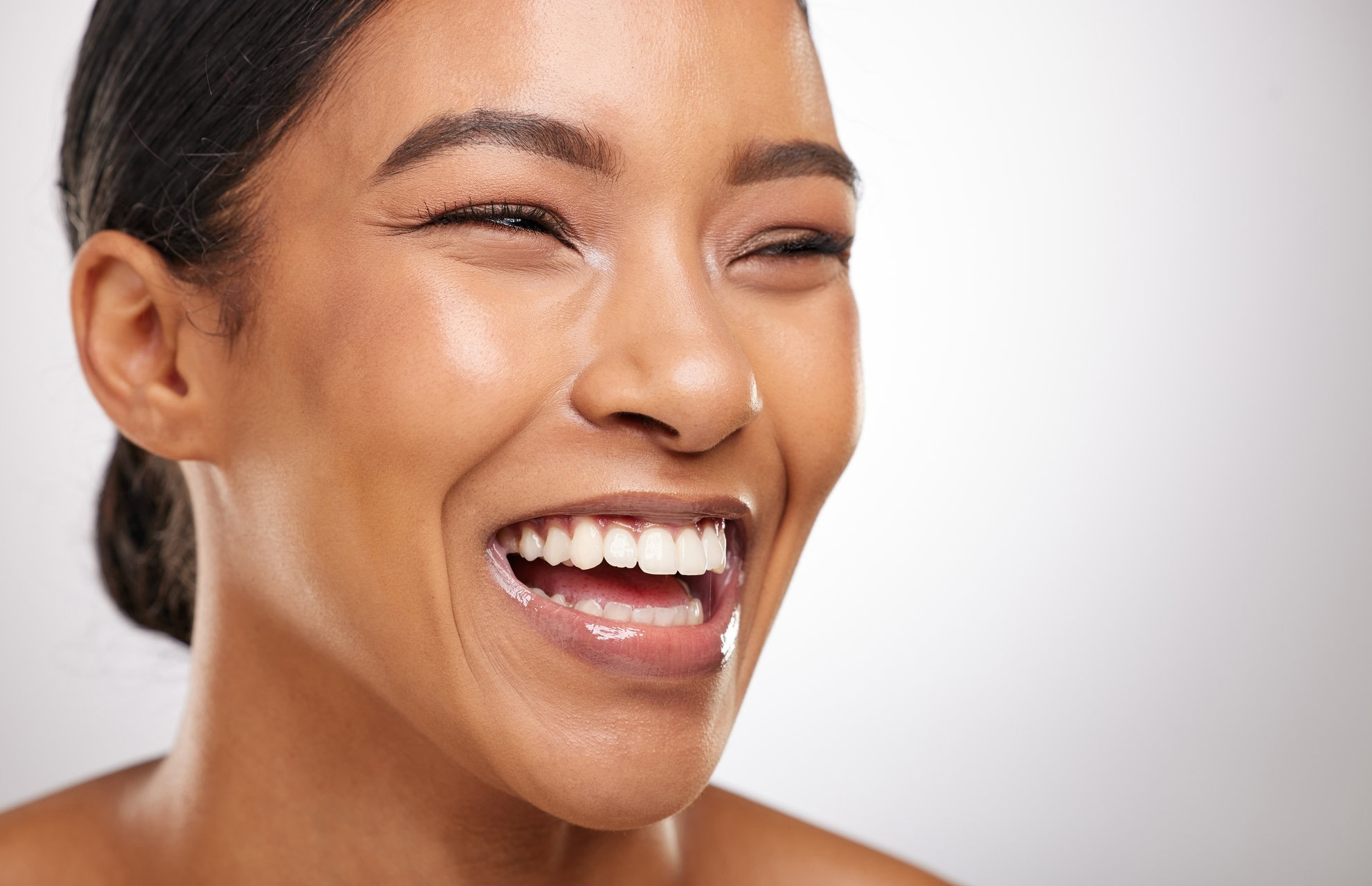
/ Celebrity veneers and Hollywood smile transformations
What Are Veneers and Why Are They Popular Among Celebrities?
Veneers are custom-made shells usually porcelain or composite bonded to the front of the teeth to enhance their appearance. They’re used to correct discoloration, gaps, misalignment, and chips, creating a uniform and flawless smile.
Why Celebrities Prefer Veneers:
- Instant aesthetic results
- Long-lasting durability (93.70% to 96.81% pooled survival at 10.4 years for ceramic veneers, PubMed 39523553)
- Camera-ready confidence
- Minimal maintenance
Popular Celebrities with Veneers
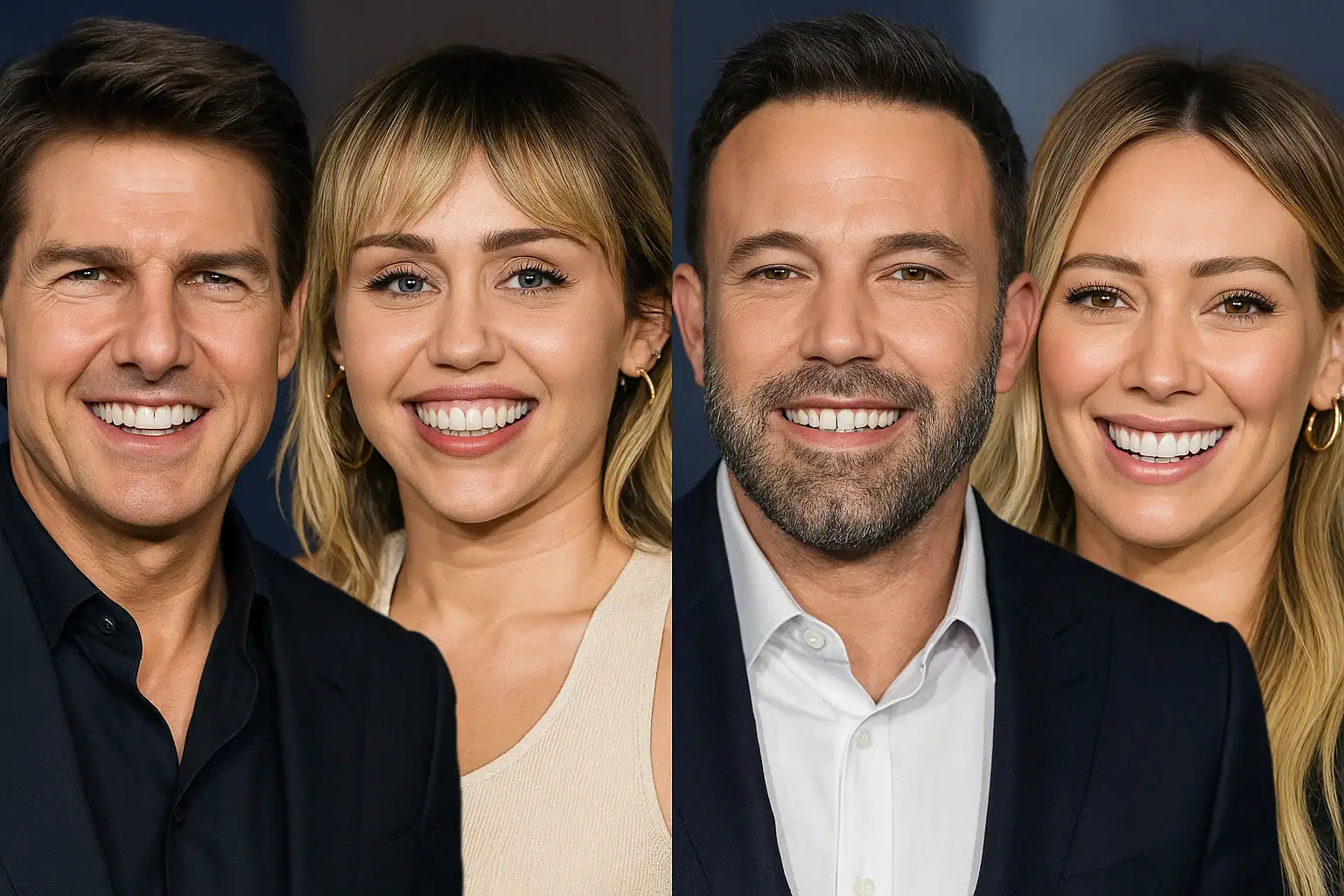
- Tom Cruise : Once known for his crooked smile, Tom now boasts perfectly aligned veneers.
- Miley Cyrus : Her dental evolution over the years includes veneers for a brighter, more even smile.
- Ben Affleck: A fuller smile thanks to veneers, improving his on-screen presence.
- Zac Efron: Closed his signature gap with dental veneers.
- Hilary Duff: Chipped a tooth on a microphone, leading to her new veneer smile.
Celebrities with Veneers Before and After
Side by side transformations often leave fans stunned. Celebs like Cardi B and Niall Horan openly shared their smile makeovers , helping normalize cosmetic dentistry.
Key transformations include:
- Shape and symmetry correction
- Brighter, whiter teeth
- Gap closure
/ Celebrity veneer trends and materials
Celebrity Veneers Trends Over the Years
Hollywood’s definition of the “perfect smile” has evolved. The 90s emphasized ultra-white, sometimes artificial looks, whereas today’s stars favor more natural aesthetics using advanced materials like Emax.
Most Natural-Looking Celebrity Veneers
Not all veneers are obvious. Celebrities like Margot Robbie and Taylor Swift are rumored to have undergone subtle enhancements, opting for shapes and shades that mimic natural enamel.
Types of Veneers Chosen by Celebrities
An overview of materials like:
- Porcelain veneers: Known for durability and a natural look.
- Composite veneers: More affordable but may require more maintenance.
- Emax veneers : Popular for their translucency and strength.
Controversial Celebrity Veneers: What Went Wrong?
Not every celebrity veneer story ends well. Some have faced public criticism for overly large, blindingly white, or misaligned veneers.
Examples:
- Lindsay Lohan: Early veneer work was widely critiqued.
- Pete Burns: His dental work became a cautionary tale.
How Much Do Celebrity Veneers Cost?
Top-tier veneers, like those seen on Hollywood stars, can cost anywhere between $2,000 and $5,000 per tooth depending on:
- Material (porcelain vs. composite)
- Dentist expertise
- Location (NYC or Beverly Hills prices tend to be higher)
/ Celebrity smile design and veneer care
Dentist to the Stars: Who Designs Celebrity Smiles?
Some cosmetic dentists are celebrities in their own right. Professionals like Dr. Michael Apa and Dr. Bill Dorfman have become renowned for crafting the world’s most famous smiles.
The Psychological Impact of Veneers on Celebrities
A radiant smile can significantly boost confidence, enhance public image, and influence career opportunities. In an industry where appearances matter, dental aesthetics play a crucial role in perception and branding.
Maintenance of Celebrity Veneers
Even celebrities need to care for their veneers:
- Regular dental check-ups
- Avoiding hard or staining foods
- Using non-abrasive toothpaste
Veneers Gone Wrong: Lessons for the Public
While celebrities often have access to the best dentists, results aren’t always perfect. These stories emphasize the importance of:
- Choosing a qualified and experienced cosmetic dentist
- Ensuring veneers are custom-shaped for facial harmony
- Avoiding oversized or overly white designs that look unnatural
Cultural Impact: Veneers in the Age of Social Media
- How Instagram and TikTok influence the demand for a perfect smile
- Smile transformations as part of personal branding
Are Veneers Right for You?
While celebrity veneers may seem like a dream, it’s essential to consult with a trusted cosmetic dentist to assess your suitability. Alternatives like Invisalign, bonding, or whitening may also be effective depending on your needs.
/ Celebrity veneers FAQs and final perspective
FAQs
Do all celebrities have veneers?
Not all, but many opt for veneers to enhance their on-screen and public appearance.
Can veneers look natural?
Yes, especially with modern materials and personalized shaping.
Do veneers damage natural teeth?
Minimal enamel removal is required, but it’s generally safe when done by experienced professionals.
How long do veneers last?
Ceramic laminate veneers pooled 93.70% to 96.81% survival at 10.4 years across 29 studies (PubMed 39523553); care decides where a case lands.
Can I afford veneers like celebrities?
There are varying options and payment plans available depending on location and materials.
What should I consider before getting veneers?
Evaluate your bite, gum health, and long-term maintenance requirements with your dentist.
Are veneers reversible?
No, once enamel is removed, veneers must be maintained or replaced.
How do celebrities maintain their veneers?
With regular hygiene routines, protective habits, and visits to top-tier cosmetic dentists.
Celebrities with veneers have paved the way for cosmetic dentistry to become mainstream. While their perfect smiles may look effortless, each veneer journey is unique and carefully planned. Whether you're inspired by their results or just curious, understanding the process is the first step toward your own transformation.
Let’s plan the right treatment together.
Free Assessment→- 1.Klein P, Spitznagel FA, Zembic A, Prott LS, Pieralli S, Bongaerts B, et al. Survival and Complication Rates of Feldspathic, Leucite-Reinforced, Lithium Disilicate and Zirconia Ceramic Laminate Veneers: A Systematic Review and Meta-Analysis. J Esthet Restor Dent 2025;37:601-619. PubMed 39523553
- 2.Lim TW, Tan SK, Li KY, Burrow MF. SURVIVAL AND COMPLICATION RATES OF RESIN COMPOSITE LAMINATE VENEERS: A SYSTEMATIC REVIEW AND META-ANALYSIS. J Evid Based Dent Pract 2023;23:101911. PubMed 38035903