A porcelain veneer is a thin ceramic shell bonded to the front surface of a tooth to change its colour, shape or apparent alignment while the rest of the tooth stays intact, which is what separates it from a crown that encases the whole tooth. The long-term record is good: a meta-analysis of 29 clinical studies pooled survival at 96.13% for feldspathic, 93.70% for leucite-reinforced glass ceramic and 96.81% for lithium disilicate laminate veneers at 10.4 years, with lithium disilicate showing the lowest technical complication rate at 6.1% (PubMed 39523553).
- 01A veneer covers the front surface only; a crown encases the tooth on all sides. That difference in coverage is why veneer preparation removes far less tooth structure and why the two are not interchangeable for heavily damaged teeth.
- 02Pooled ten-year survival at 10.4 years of follow-up: 96.13% feldspathic, 93.70% leucite-reinforced glass ceramic, 96.81% lithium disilicate, with no significant difference between materials across 29 studies (PubMed 39523553).
- 03Complication rates separate the materials where survival does not: technical, aesthetic and biological events ran 41.48%, 19.64% and 6.51% for feldspathic against 6.1%, 1.9% and 0.45% for lithium disilicate at 10.4 years (PubMed 39523553).
- 04Where the preparation stops matters as much as the ceramic: across 580 porcelain laminate veneers in 66 patients followed up to 12 years, survival was 99% when the preparation stayed inside enamel and 94% when only the margins were in enamel, while veneers bonded to dentine were about ten times more likely to fail (PubMed 23342345).
- 05Zirconia laminate veneers showed 100% survival with no complications, but only at 2.6 years of follow-up and with no long-term data available, so that figure is not comparable to the ten-year numbers above (PubMed 39523553).
Your smile is one of your most powerful assets. It can light up a room, convey warmth, and boost confidence. But what happens when you're not satisfied with the way it looks? Many people struggle with imperfections in their teeth, discolouration, chips, or gaps. Enter porcelain veneers: a transformative solution that can help you achieve that perfect smile you've always dreamed of.
Porcelain veneers are thin shells bonded to the front surface of your teeth, designed to enhance appearance and function. They effectively address various dental concerns while providing a natural look that blends naturally with your existing teeth. Are you curious about how these magical little enhancements work? Let's dive deeper into everything you need to know about porcelain veneers and why they might be the key to unlocking your best smile!
/ Porcelain Veneers and Their Benefits
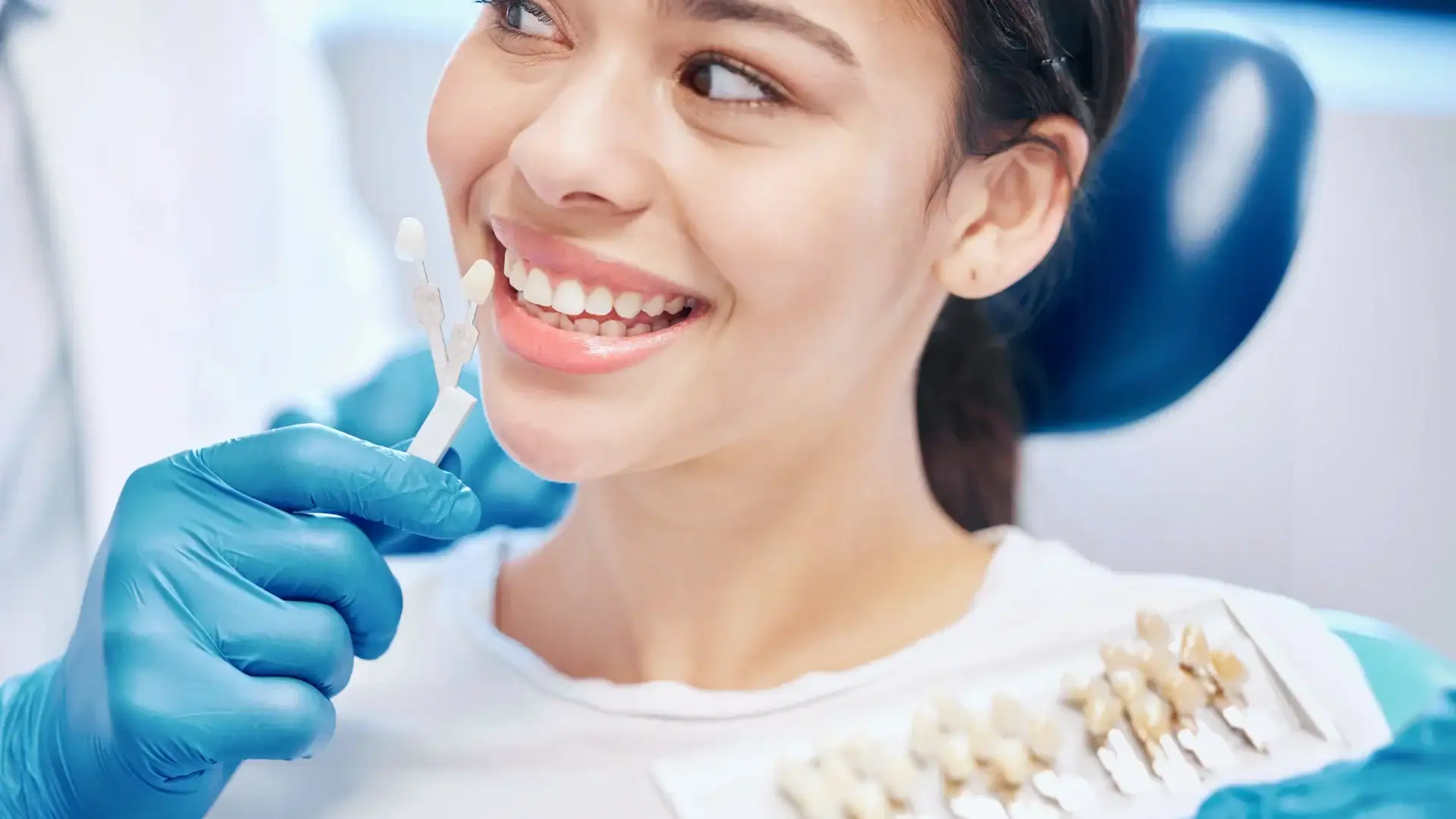
Porcelain veneers are custom-made, ultra-thin shells crafted from high-quality dental porcelain. They're designed to cover the front surface of your teeth, providing a flawless appearance.
These veneers mimic the light-reflecting properties of natural teeth. This means they can improve colour and shape while maintaining a lifelike look. Each veneer is tailored specifically for you, ensuring it fits perfectly with your smile.
They are an excellent solution for various issues such as discolouration, chips, gaps, or misalignment.
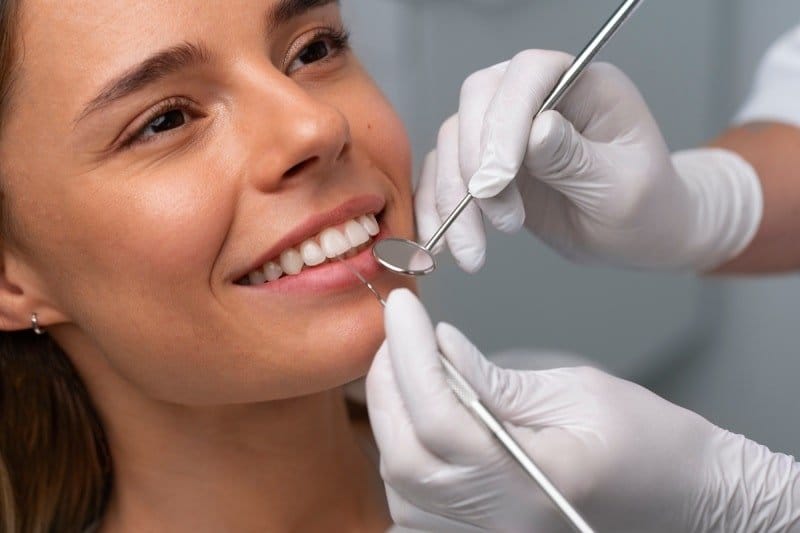
The process begins with a consultation where your dentist evaluates your needs and takes imaging to create a personalized plan. Once approved, the application involves minimal tooth preparation before bonding the veneers.
With proper care, these stunning enhancements can last many years while giving you that confidence boost every time you smile!
Porcelain veneers offer a transformative solution for those seeking the perfect smile. They are thin shells crafted from high-quality porcelain that mimic the natural appearance of teeth.
One significant benefit is their ability to conceal imperfections such as chips, gaps, and discolouration. With these custom-made coverings, your teeth can look flawless and uniform in colour.
Durability is another advantage. Porcelain veneers resist stains far better than natural enamel, allowing you to enjoy vibrant smiles without worrying about coffee or wine discolouration.
Additionally, they require minimal tooth preparation compared to crowns or other options. This means less alteration to your original teeth while still achieving stunning results.
Maintaining porcelain veneers is relatively straightforward, they only need regular brushing and flossing, just like your natural teeth!
/ The Process and Aftercare for Porcelain Veneers
Getting porcelain veneers is a straightforward yet exciting journey. It typically starts with an initial consultation. During this visit, your dentist will examine your teeth and discuss your smile goals.
If you decide to proceed, the next step involves preparing your teeth. This process may require removing a small amount of enamel to ensure the veneers fit perfectly. It's essential for achieving that natural look.
After preparation, impressions of your teeth are taken. These moulds guide the creation of custom veneers tailored just for you. While waiting for the final product, temporary veneers might be placed to protect your prepared teeth.
Once ready, you'll return to have them bonded onto your teeth using a strong adhesive. Your dentist will make any necessary adjustments at this stage to ensure they feel comfortable and look flawless.
The entire process can take several visits but leads to that perfect smile you've always wanted!
After getting porcelain veneers, maintaining them is crucial for preserving that perfect smile. Start with a solid oral hygiene routine. Brush your teeth at least twice a day and use non-abrasive toothpaste to avoid scratching the surface of your veneers.
Flossing daily is just as important. It helps prevent gum disease and keeps food particles from getting stuck between teeth and veneers.
Regular dental check-ups will ensure everything stays in great shape. Your dentist can monitor the condition of your natural teeth and the veneers, making necessary adjustments.
Be mindful of what you eat. Avoid hard or sticky foods that could damage your veneers. If you're prone to grinding teeth, consider using a night guard to protect them while you sleep.
Limit staining beverages like coffee or red wine. When indulging, rinse with water afterwards to keep those pearly whites looking pristine!
/ Comparing Porcelain Veneers to Other Cosmetic Dentistry Options
When considering how to achieve the perfect smile, it's essential to explore various cosmetic dentistry options. Porcelain veneers stand out for their aesthetic appeal and durability. However, they aren't the only choice available.
Teeth whitening is a popular option that can brighten your smile significantly. It's less invasive but may not address issues like chips or gaps in teeth as effectively as porcelain veneers do.
Bonding is another alternative. This involves applying a tooth-coloured resin to correct imperfections. While bonding can be completed in just one visit, it typically doesn't last as long as porcelain veneers and may require more frequent touch-ups.
Crowns are used to restore heavily damaged teeth but cover more of the tooth structure than veneers. They tend to be bulkier and might not offer the same natural look that many desire when aiming for a perfect smile.
Each option has its advantages and limitations. Choosing between them depends on individual needs, preferences, and specific dental conditions. Assessing these factors will guide you toward achieving that ideal smile you've been dreaming about with confidence.
Let’s plan the right treatment together.
Free Assessment→- 1.Klein P, Spitznagel FA, Zembic A, Prott LS, Pieralli S, Bongaerts B, et al. Survival and Complication Rates of Feldspathic, Leucite-Reinforced, Lithium Disilicate and Zirconia Ceramic Laminate Veneers: A Systematic Review and Meta-Analysis. J Esthet Restor Dent 2025;37:601-619. PubMed 39523553
- 2.Gurel G, Sesma N, Calamita MA, Coachman C, Morimoto S. Influence of enamel preservation on failure rates of porcelain laminate veneers. Int J Periodontics Restorative Dent 2013;33:31-9. PubMed 23342345