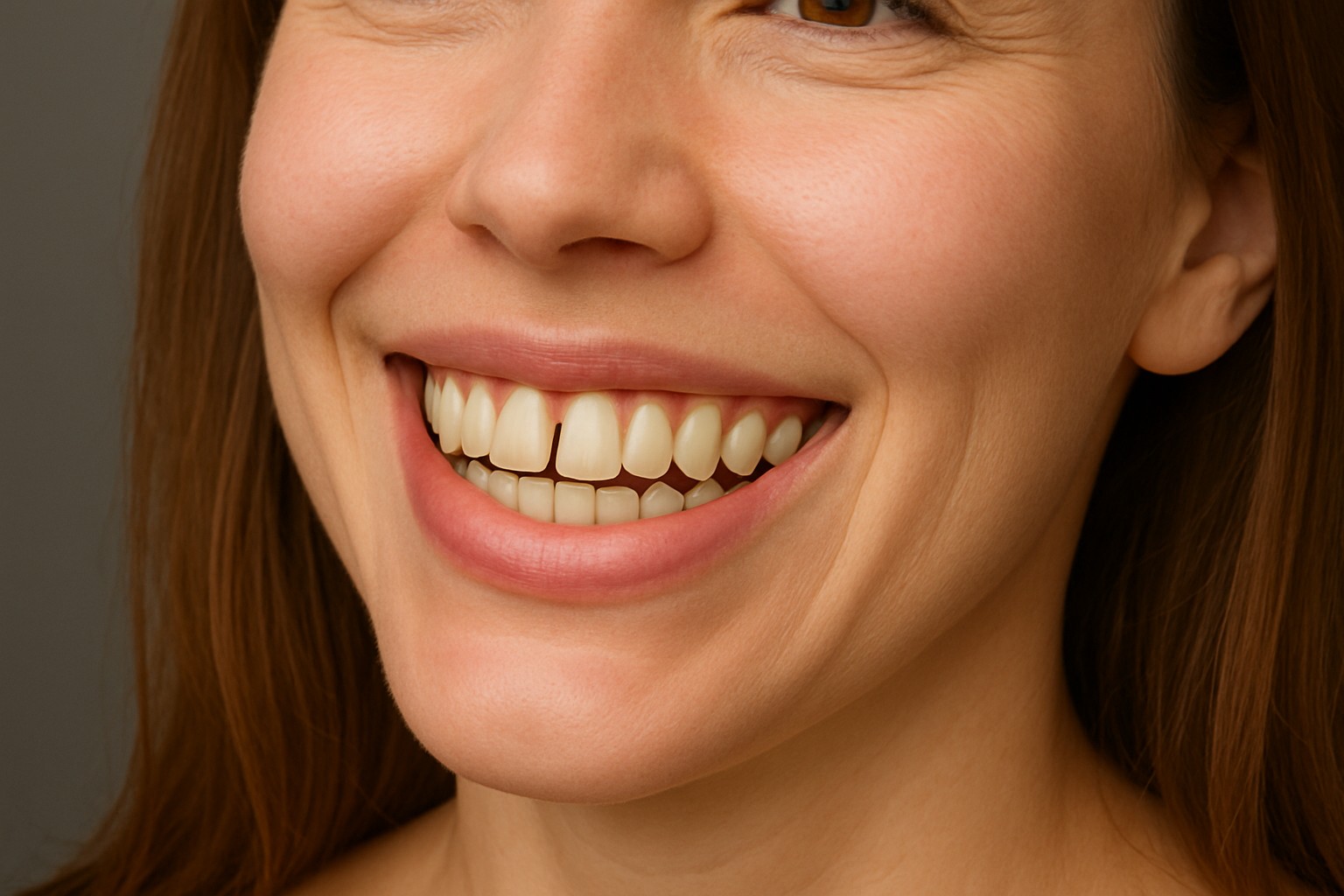
A diastema is a visible space between two adjacent teeth, most often between the upper central incisors, and it is a description rather than a diagnosis. Its causes range from a tooth-size to jaw-size mismatch and a low labial frenum attachment to thumb sucking, tongue thrust, missing teeth and bone loss from periodontal disease. It is common in childhood: among 1,802 schoolchildren aged 4 to 16 examined in Nairobi, 35% had a midline diastema (PubMed 10530193). In adults it rarely closes on its own, and closure runs from aligners to direct composite build-ups.
- 01Diastema names a gap, not a disease: midline, generalised and localised forms have different causes and different treatments.
- 02It is a normal developmental finding in children: 35% of 1,802 Nairobi schoolchildren aged 4 to 16, at a mean age of 7.6 years, had a midline diastema (PubMed 10530193).
- 03Diastema prevalence falls as the permanent dentition establishes, unlike crossbite, scissor-bite and crowding, which move the other way (PubMed 32567942, 77 studies).
- 04Composite closure has measured outcomes: 163 anterior direct composite restorations placed for fracture or diastema showed a mean annual failure rate of 1.43% and 88.34% survival up to 10 years (PubMed 28256273).
- 05In an adult, a space that appears or widens over time is a periodontal warning sign, because attachment and bone loss allow teeth to migrate.
/ Diastema definition and causes
What Is Diastema?
Diastema refers to a gap or space between two teeth, most commonly seen between the upper front teeth. While some people consider it a unique feature of their smile, others view it as a dental concern that needs correction. Diastema is a common condition that can occur in both children and adults for various reasons.
Diastema Definition and Overview
- Diastema (define): A term used in dentistry to describe a noticeable space or gap between teeth.
- Commonly Affected Area: Maxillary central incisors (upper front teeth)
- Types of Diastema:
- Midline Diastema: Gap between the upper front teeth
- Generalized Diastema: Multiple gaps between several teeth
- Localized Diastema: A gap in a specific area of the mouth
Causes of Diastema
- Genetics: Inherited traits, such as jaw size and tooth size mismatches
- Frenum Attachment: An oversized labial frenum can prevent front teeth from coming together
- Tooth Size Discrepancy: Teeth that are too small for the jawbone
- Missing Teeth: Creates gaps and shifts in tooth positioning
- Periodontal Disease: Gum disease can lead to bone loss and gaps between teeth
- Thumb Sucking or Tongue Thrusting: Childhood habits that exert pressure on the front teeth
Is Diastema a Medical Concern?
Diastema is usually not harmful and is often a cosmetic issue. However, in some cases, it can be a sign of underlying dental problems, such as:
- Gum disease
- Malocclusion (bite issues)
- Tooth migration due to bone loss
Consulting a dental professional can help determine if treatment is necessary.
/ Diastema treatment options
Can Diastema Close on Its Own?
In some children, especially during the transition from primary to permanent teeth, a diastema may close naturally. However, in adults, spontaneous closure is rare and usually requires dental intervention.
How to Fix Diastema: Treatment Options
1. Orthodontic Treatment
- Braces: Traditional braces can gradually close the gap between teeth.
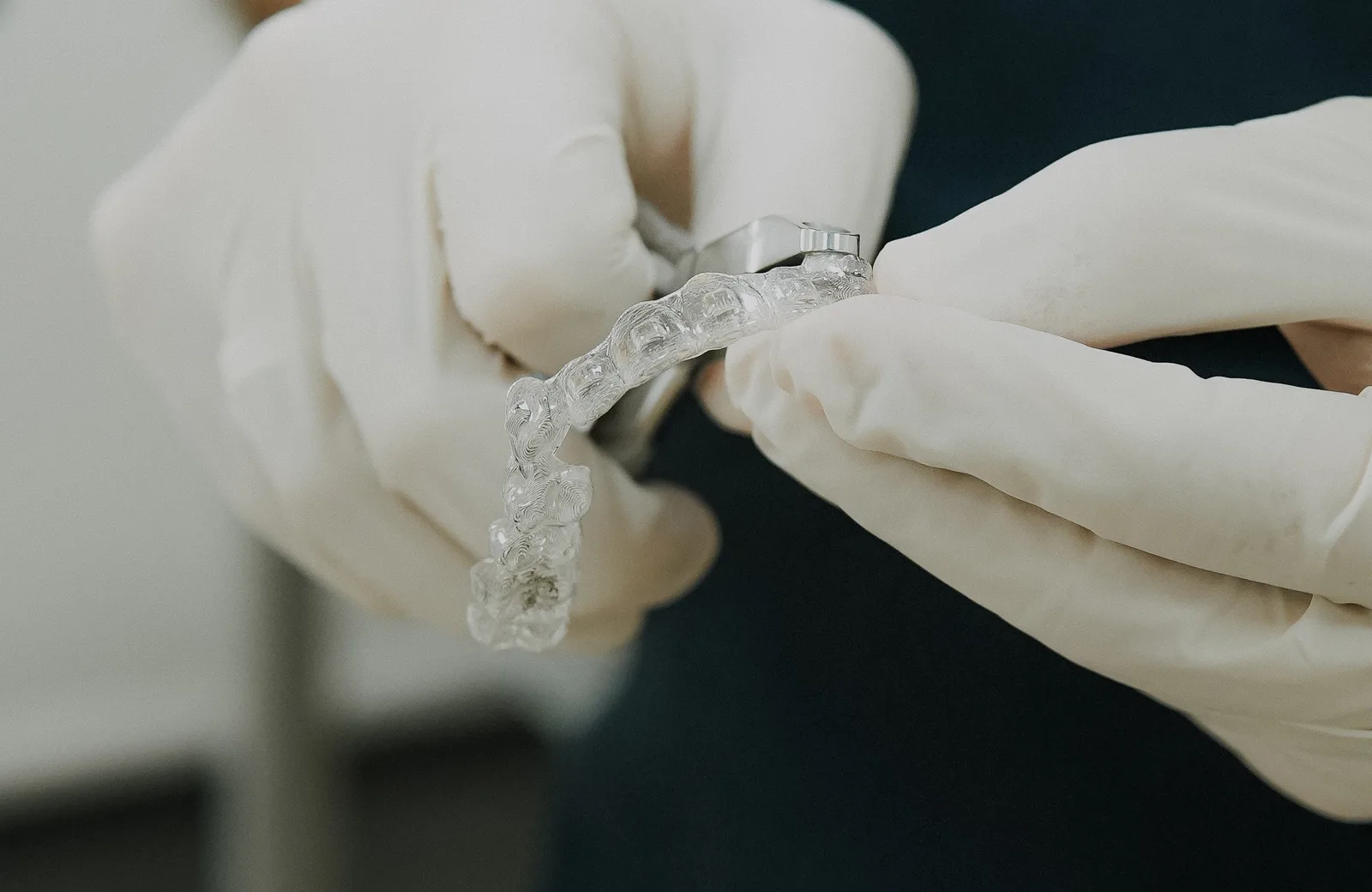
- Clear Aligners (e.g., Invisalign): A discreet and effective option for mild to moderate diastemas.
2. Dental Bonding
- Tooth-colored resin is applied and sculpted to close small gaps instantly.
- Quick and minimally invasive
3. Veneers
- Thin porcelain or composite shells placed over the teeth
- Offers both gap closure and aesthetic enhancement
4. Dental Crowns
- Used for severe spacing or structural issues
- Provides durability and cosmetic improvement
5. Frenectomy
- Surgical removal or repositioning of the labial frenum
- Often used in conjunction with orthodontics
Orthodontic vs. Cosmetic Correction
- Orthodontic Solutions: Best for functional issues, significant gaps, or alignment concerns.
- Cosmetic Options: Bonding or veneers are ideal for patients prioritizing speed and aesthetics.
Preventing Diastema
While not all diastemas are preventable, certain measures can reduce the risk:
- Early intervention for childhood habits like thumb sucking
- Regular dental check-ups to monitor gum health
- Prompt treatment of periodontal issues
- Maintaining good oral hygiene
/ Diastema aesthetics and patient guidance
Diastema and Aesthetics: Embracing or Correcting
- Embracing Diastema: Some individuals choose to keep their gap as part of their identity or cultural beauty standards.
- Correcting Diastema: Others may seek cosmetic or functional improvements, especially in professions emphasizing appearance.
Psychosocial Impact of Diastema
For some, diastema may contribute to self-esteem issues or social discomfort, particularly if the gap is perceived as a flaw. Addressing these concerns with a dental specialist can lead to improved confidence and overall well-being.
Pediatric Considerations
- Diastema in children is often part of normal dental development.
- Gaps may close naturally as permanent teeth erupt.
- Monitoring by a pediatric dentist can help determine if early intervention is needed.
Treatment Longevity and Follow-up
- Orthodontic and cosmetic treatments require regular dental follow-up to ensure lasting results.
- Use of retainers or dental maintenance is crucial for preventing recurrence.
Frequently Asked Questions
Q: What is a diastema?
A: It is a gap or space between two teeth, usually the front teeth.
Q: How to fix diastema naturally?
A: Natural closure is rare but may occur in children as permanent teeth erupt. Orthodontics is typically required in adults.
Q: Does diastema mean I have gum disease?
A: Not necessarily. While it can be related to gum disease, many diastemas are purely cosmetic.
Q: Can veneers close gaps between teeth?
A: Yes, veneers are a popular option for closing minor to moderate gaps while improving aesthetics.
Q: Is diastema treatment permanent?
A: With proper care and retention, results from orthodontic or cosmetic treatments can be long-lasting.
Diastema is a common dental condition with both cosmetic and functional considerations. Whether you choose to embrace your natural smile or seek correction, modern dentistry offers a range of effective and personalized solutions. Consulting with a dental specialist can help determine the best approach based on your goals and oral health needs.
By understanding the causes, implications, and treatment options, patients can make informed decisions about their dental care and overall confidence in their smile.
Let’s plan the right treatment together.
Free Assessment→- 1.Kaimenyi JT. Occurrence of midline diastema and frenum attachments amongst school children in Nairobi, Kenya. Indian J Dent Res 1998;9:67-71. PubMed 10530193
- 2.Lombardo G, Vena F, Negri P, Pagano S, Barilotti C, Paglia L, et al. Worldwide prevalence of malocclusion in the different stages of dentition: A systematic review and meta-analysis. Eur J Paediatr Dent 2020;21:115-122. PubMed 32567942
- 3.Lempel E, Lovász BV, Meszarics R, Jeges S, Tóth Á, Szalma J. Direct resin composite restorations for fractured maxillary teeth and diastema closure: A 7 years retrospective evaluation of survival and influencing factors. Dent Mater 2017;33:467-476. PubMed 28256273
- 4.Kanizaj Ugrin S, Špalj S. Comparison of efficacy of thermoplastic retainer with round and rectangular bonded lingual wire retainer in the mandible two years after orthodontic treatment: a randomised controlled trial. Clin Oral Investig 2024;28:183. PubMed 38424224