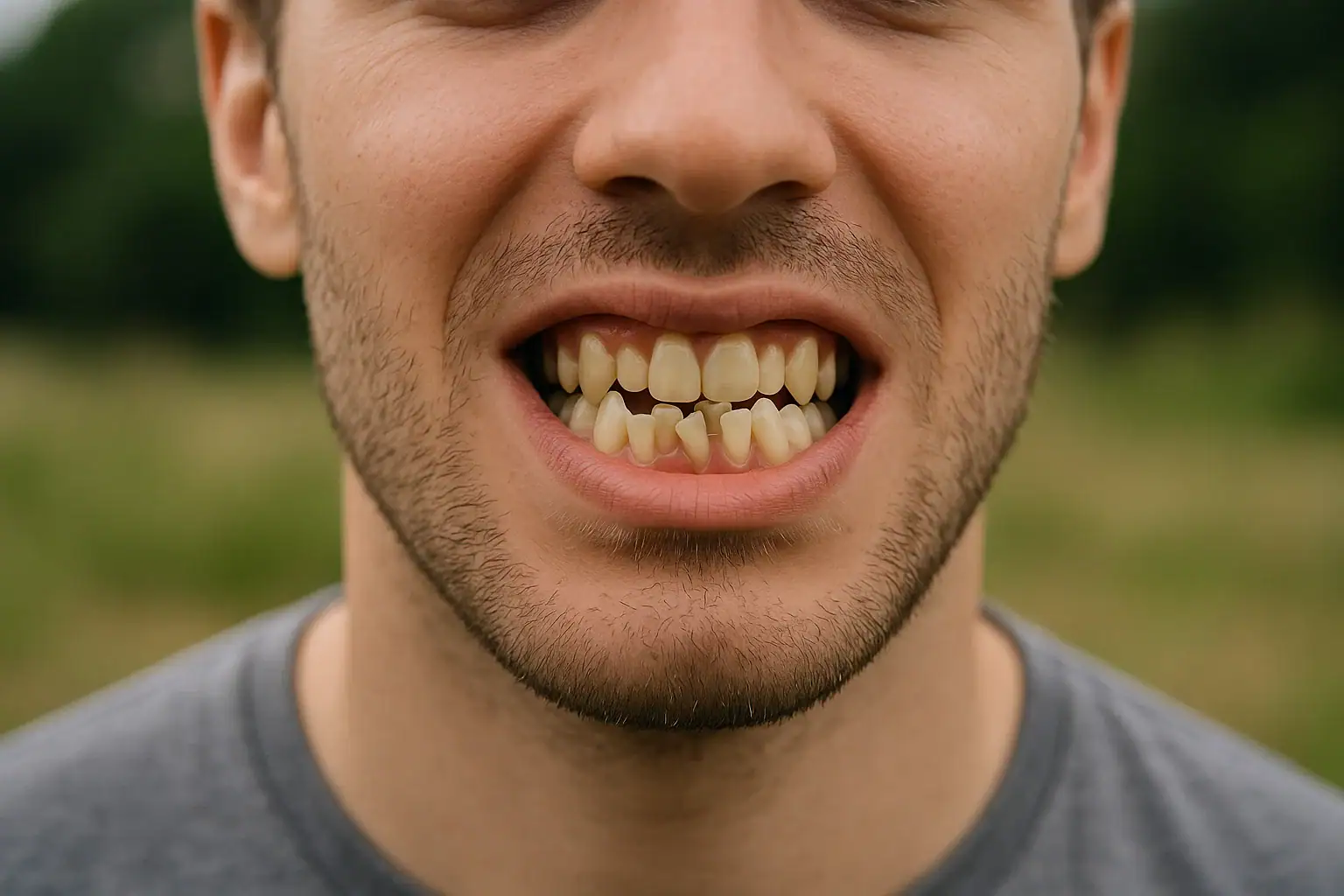
Malocclusion is a misalignment between the upper and lower teeth when the jaws are closed, covering crowding, spacing, overbite, underbite, crossbite and open bite. It is grouped in three classes: Class 1 with a normal jaw relationship but crowded or rotated teeth, Class 2 with the upper teeth or upper jaw positioned forward relative to the lower teeth or lower jaw, and Class 3 with the lower teeth or lower jaw positioned forward relative to the upper teeth or upper jaw. A meta-analysis of 77 studies put worldwide prevalence in children and adolescents at 56%, ranging from 48% in Asia to 81% in Africa (PubMed 32567942). Braces, clear aligners, appliances, extraction or jaw surgery are used according to severity.
- 01Worldwide prevalence of malocclusion in children and adolescents is 56%, with 81% in Africa, 72% in Europe, 53% in the Americas and 48% in Asia across 77 studies (PubMed 32567942).
- 02The prevalence score did not change from primary to permanent dentition, holding at 54%, which shows malocclusion persisting at population level rather than resolving with growth (PubMed 32567942).
- 03Class 1 keeps a normal jaw relationship with crowding or spacing; Class 2 sets the lower jaw or lower molars back relative to the upper ones, the pattern behind increased overjet and mandibular retrognathism; Class 3 sets them forward, the pattern behind underbite and mandibular prognathism.
- 04Among adolescents, pooled orthodontic treatment need is 46% and malocclusion treatment need 39%, while 34% of dental needs go unmet (PubMed 31778605).
- 05Skeletal Class 2 and Class 3 cases that tooth movement alone cannot correct are managed with orthognathic jaw surgery, not with braces on their own.
/ Malocclusion Overview and Definition
A healthy bite is essential for chewing and speaking, and for long-term oral health. When your upper and lower teeth do not align properly, the condition is called malocclusion . This misalignment can cause discomfort, affect appearance, and lead to complications if left untreated.
In this blog post, we’ll cover everything you need to know about malocclusion of teeth , including its causes, symptoms, types (like Class 2 malocclusion and Class 3 malocclusion ), and how to fix it. Whether you're searching for “what is malocclusion” or “can malocclusion be fixed,” this comprehensive guide will answer all your questions.
Quick Fact: Malocclusion is the third most common oral health problem globally, after tooth decay and gum disease .
The term malocclusion refers to an improper alignment of the teeth when the jaws are closed. It literally means “bad bite.” While mild cases might not cause significant problems, more severe malocclusions can affect speech, appearance, and dental health.
What Is a Malocclusion?
A malocclusion is a misalignment between the upper (maxillary) and lower (mandibular) teeth. It may involve crowding, spacing, overbite, underbite, or crossbite.
/ Causes and Symptoms of Malocclusion
Understanding the causes of malocclusion helps in identifying the right treatment strategy. Several factors may contribute to this condition:
1. Genetics and Heredity
Malocclusion often runs in families. Inherited jaw shapes or tooth size discrepancies can contribute to misalignment.
2. Childhood Habits
Prolonged thumb-sucking, pacifier use beyond age 3, or tongue thrusting can push teeth out of alignment.
3. Premature Loss of Primary Teeth
Losing baby teeth too early without space maintainers can lead to teeth shifting improperly.
4. Poor Dental Restorations
Ill-fitting crowns, fillings, or dentures can disturb the bite.
5. Jaw Injuries or Facial Trauma
A broken jaw or facial injury during development can affect how teeth align.
6. Tumors or Cysts
Growths in the mouth or jaw may cause displacement of teeth.
Interesting Note: The size of your jaw compared to the size of your teeth plays a crucial role in whether malocclusion occurs.
Not all malocclusions are obvious at first glance. Here are common signs:
- Crooked or crowded teeth
- Overbite or underbite
- Difficulty biting or chewing
- Speech problems (e.g., lisp)
- Frequent biting of the cheeks or tongue
- Mouth breathing
- Jaw or facial pain
- Headaches or TMJ disorders
Self-Test: Do your upper teeth overlap significantly with your lower ones? Do you struggle with certain speech sounds? You may have malocclusion.
/ Types of Malocclusion
Malocclusion is classified into three main categories:
1. Class 1 Malocclusion
- Most common type
- The bite is normal, but teeth may be crowded, rotated, or spaced
2. Class 2 Malocclusion (Increased Overjet)
- The upper jaw and teeth significantly overlap the lower jaw
- Often referred to as retrognathism
- Can result in a receding chin and lip incompetence
3. Class 3 Malocclusion (Underbite)
- The lower jaw protrudes past the upper jaw
- Also known as prognathism
- May give the appearance of a prominent chin
Other Bite Issues
- Crossbite : Upper teeth fall inside the lower teeth
- Open bite : Teeth do not meet when the mouth is closed
- Deep bite : Excessive vertical overlap of the front teeth
Orthodontists often use cephalometric X-rays to assess and classify bite types.
Diagnosing Malocclusion
To diagnose a malocclusion , a dentist or orthodontist will:
- Examine your bite and facial structure
- Take dental X-rays and photographs
- Create dental impressions or 3D scans
- Classify the type and severity of the bite problem
Early orthodontic evaluations are recommended by age 7 to spot malocclusion during jaw development.
If you're wondering “how to fix malocclusion” , several dental and orthodontic options are available depending on age, severity, and overall oral health.
/ Malocclusion Treatment Options
1. Braces
Traditional metal braces are one of the most effective treatments for all types of malocclusion. They apply continuous pressure to move teeth into alignment.
2. Clear Aligners (e.g., Invisalign)
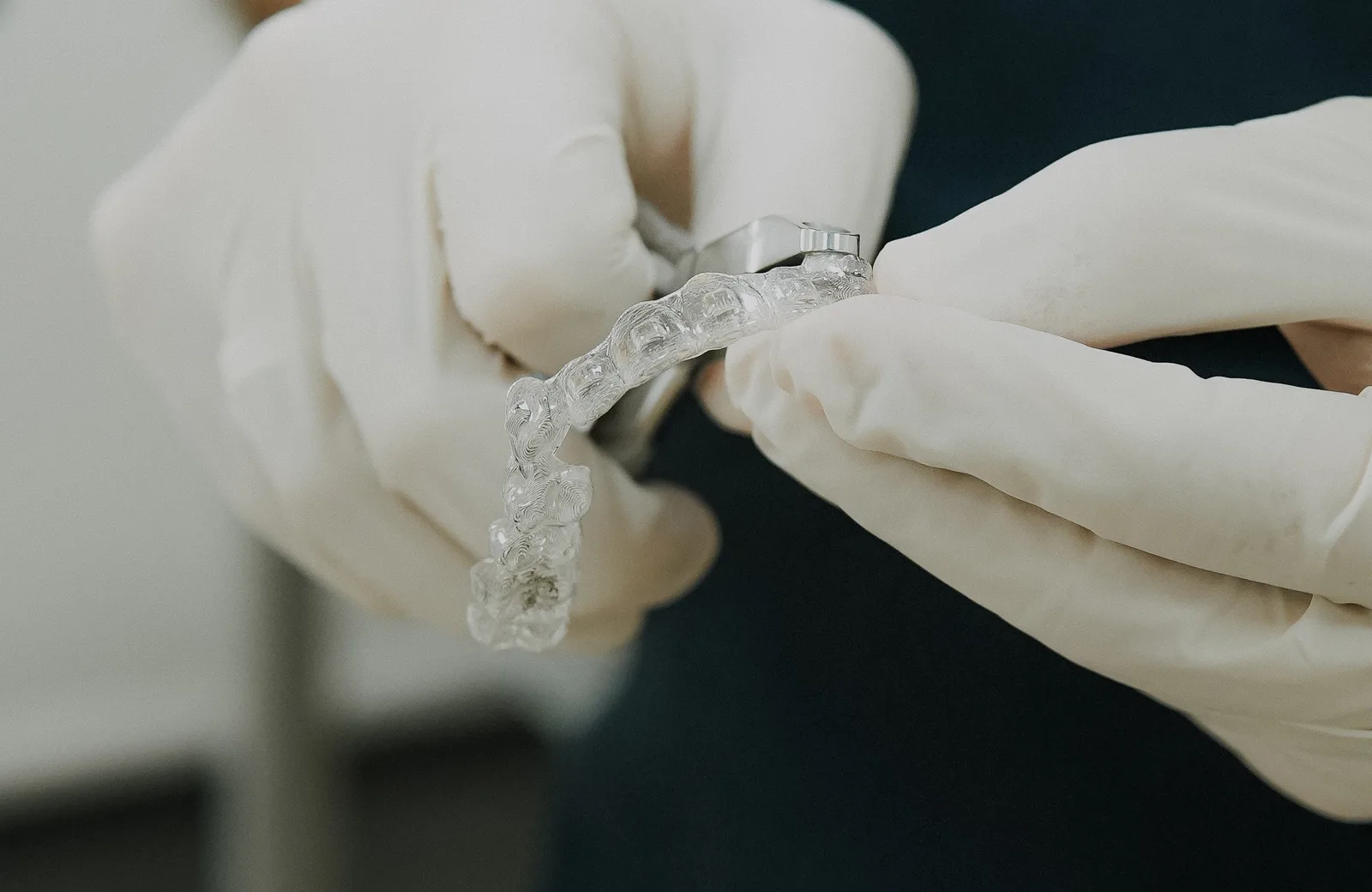
Aesthetic and removable, clear aligners are popular among teens and adults. They work best for mild to moderate cases.
3. Orthodontic Appliances
Expanders, retainers, and headgear may be used in growing children to guide jaw development and tooth movement.
4. Tooth Extraction
In cases of overcrowding, teeth may be removed to create space for proper alignment.
5. Surgery (Orthognathic Surgery)
For severe Class 2 or Class 3 malocclusion caused by skeletal misalignment, jaw surgery may be required to correct the jaw structure.
6. Dental Restoration
If malocclusion is caused by improper fillings or crowns, adjusting the restorations may fix the problem.
Can Malocclusion Be Fixed in Adults?
Yes. Malocclusion can be corrected at any age , although treatment may take longer in adults due to reduced bone flexibility.
Benefits of Treating Malocclusion in Adults:
- Improved bite function
- Enhanced aesthetics and confidence
- Easier oral hygiene and reduced risk of decay
- Relief from jaw pain and headaches
- Better long-term oral health
Adult orthodontics is more common than ever, thanks to advancements in discreet aligner technology.
Potential Complications of Untreated Malocclusion
Leaving malocclusion of teeth untreated may lead to:
- Gum disease and tooth decay due to poor cleaning access
- Tooth wear or enamel erosion
- Speech difficulties
- Chronic jaw pain or TMJ disorders
- Digestive issues from improper chewing
Prevention: Can Malocclusion Be Prevented?
While not all forms can be prevented (especially those caused by genetics), some preventive steps include:
- Encouraging children to stop thumb-sucking early
- Using pacifiers only as recommended
- Monitoring timely loss of baby teeth
- Seeking early orthodontic consultation
- Ensuring proper dental restorations
- Wearing mouthguards during sports to avoid jaw injury
/ FAQs About Malocclusion
What is malocclusion?
Malocclusion is a misalignment of the teeth and jaws, resulting in an abnormal bite.
What is a malocclusion of teeth?
It refers to the condition where the upper and lower teeth do not fit together properly.
How to fix malocclusion?
Treatment options include braces, aligners, dental appliances, surgery, or extractions depending on severity.
Can malocclusion be fixed?
Yes, malocclusion is treatable in both children and adults with the appropriate orthodontic intervention.
What causes malocclusion?
Common causes include genetics, childhood habits, early tooth loss, jaw injuries, and poor dental work.
Conclusion: Don’t Let Malocclusion Go Untreated
Whether it's a minor bite irregularity or a severe jaw misalignment, malocclusion can impact both oral health and quality of life. Fortunately, modern orthodontic solutions make it easier than ever to correct bite problems effectively and discreetly.
If you or your child show signs of malocclusion , consult with an orthodontist for an early evaluation. Addressing the issue now can save you from costly and painful complications later on.
✅ A healthy bite is a beautiful bite. Take the first step toward alignment today!
Let’s plan the right treatment together.
Free Assessment→- 1.Lombardo G, Vena F, Negri P, Pagano S, Barilotti C, Paglia L, et al. Worldwide prevalence of malocclusion in the different stages of dentition: A systematic review and meta-analysis. Eur J Paediatr Dent 2020;21:115-122. PubMed 32567942
- 2.Ghafari M, Bahadivand-Chegini S, Nadi T, Doosti-Irani A. The global prevalence of dental healthcare needs and unmet dental needs among adolescents: a systematic review and meta-analysis. Epidemiol Health 2019;41:e2019046. PubMed 31778605