Crooked teeth are teeth that have deviated from their proper alignment on the jaw bones and shifted right, left or forward and back, and the fix depends on which of four patterns is present. Rotation is a tooth turned on its own axis, crowding is overlap caused by too little space, spacing is gaps where the jaw is large and the teeth small, and crossbite is upper and lower teeth closing the wrong way over each other. Comprehensive orthodontic treatment with fixed appliances averaged 19.9 months across 22 prospective studies (PubMed 26926017), while veneers change the look of mild cases without moving anything.
- 01Four patterns, four answers: rotation, crowding, spacing and crossbite are separate problems and each may need a different orthodontic approach.
- 02Treatment duration depends on the degree of crowding; comprehensive treatment with fixed appliances averaged 19.9 months across 22 prospective studies (PubMed 26926017).
- 03Veneers and bonding change appearance without moving teeth, which is effective for mild crookedness only; moderate and advanced cases need orthodontic correction.
- 04A systematic review of clear aligner therapy included seven studies and rated the certainty of evidence for specific tooth movements as low to moderate, with aligners producing outcomes comparable to fixed appliances in mild to moderate malocclusions (PubMed 31651082).
- 05Retention decides whether the result holds: a fixed retainer bonded behind the teeth or a plate worn at night is used after active treatment to stop the teeth returning to their original position.
/ Crooked Teeth Meaning and Impact
What Does Imbalance in Your Smile Mean?
Although crooked teeth may seem like an aesthetic problem, they can have a direct impact on oral health, chewing function, and even psychological state. Crooked alignment of teeth is a problem that can begin in childhood and continue throughout life. Fortunately, modern dentistry offers highly developed solutions on this issue.
In this article you will find all the details, such as how crooked teeth are treated, why they occur, whether they are genetic or not, treatments that can be applied other than braces, and aesthetic treatments, so you can evaluate the most suitable solutions for your own smile.
What is Crooked Teeth? When Does It Require Treatment?
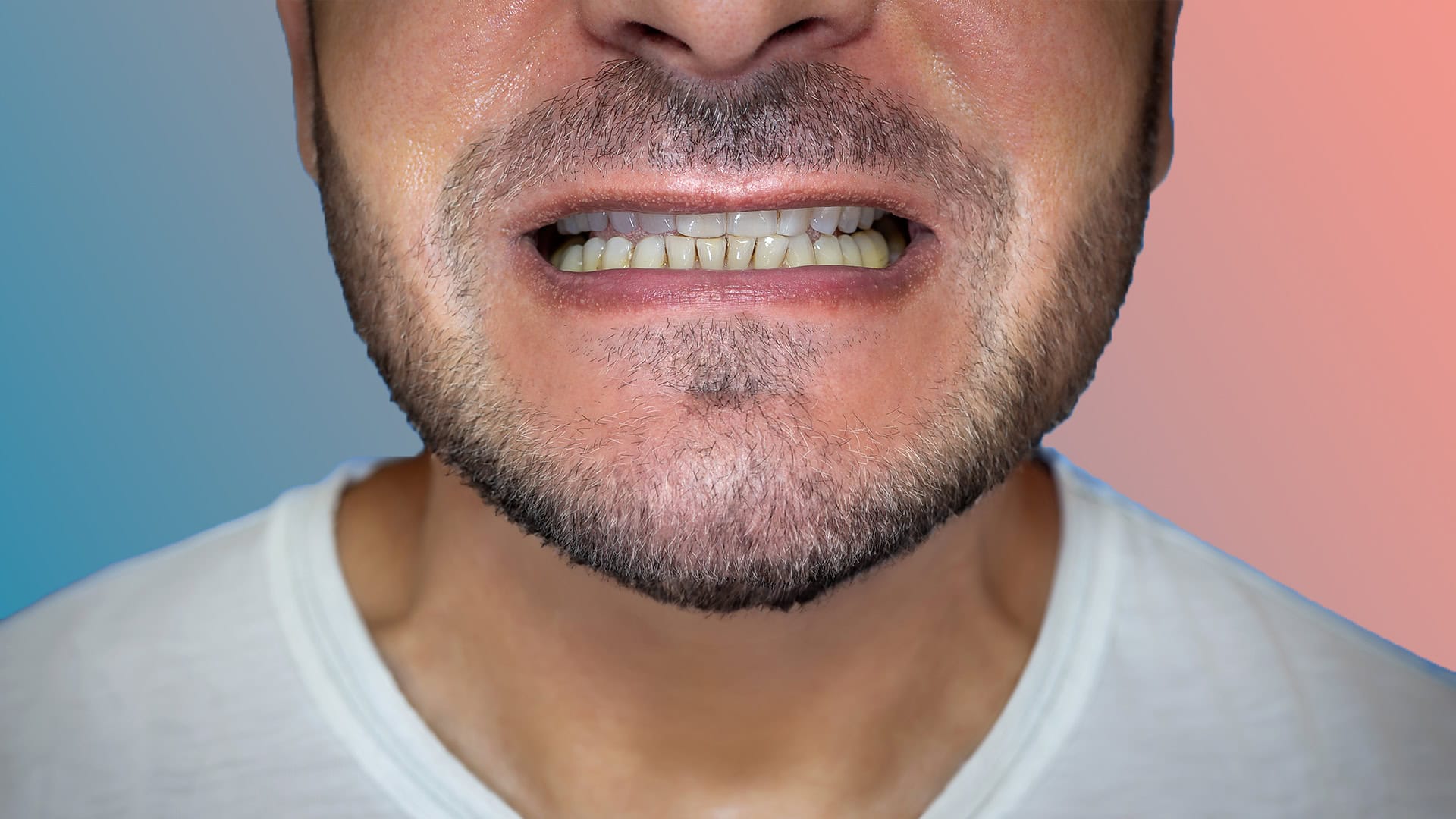
Crooked teeth occur when teeth deviate from their proper alignment on the jaw bones and shift to the right, left or front-back. This condition can affect a single tooth or the entire row of teeth. The most common symptoms:
- Overlapping of teeth
- Cross-positioning between teeth
- Incompatible closing of the upper and lower jaws when the mouth is closed
- An aesthetically distorted smile line
What Causes Crooked Teeth?
Although the question of what causes crooked teeth is generally thought to be limited to genetic factors, environmental and developmental factors also play a major role.
Genetic Inheritance
Are crooked teeth genetic? Yes. If the parents have jaw narrowness, crooked teeth or teeth alignment problems, there is a high probability that the child will have similar conditions.
Thumb Sucking and Pacifier Use
Long-term thumb sucking, bottle or pacifier habits can cause the front teeth to be pushed forward, especially.
Early Loss of Baby Teeth
Baby teeth that are extracted or fall out prematurely cause displacement. This can lead to the permanent teeth coming out crooked.
Jaw Developmental Disorders
Inadequate development of the lower or upper jaw causes the teeth to not find space and come out crooked. This situation usually manifests itself as crooked lower teeth.
/ Types of Crooked Teeth
Types of Crooked Teeth
In dentistry, crookedness is not only classified as overlapping. There are different types:
Rotation: The rotation of the tooth around its own axis.
Crowding: Overlapping due to insufficient space between the teeth.
Spacing: Gaps formed when the jaw is large and the teeth are small.
Crossbite: Incompatible closing of the upper and lower teeth.
Different orthodontic approaches may be required for each type.
Why Are Crooked Lower Teeth More Common?
The lower jaw is anatomically narrower and therefore crooked lower teeth are more common. Problems in lower jaw development, pressure from wisdom teeth, tooth loss or jaw asymmetry can cause crooked lower teeth. Crooked lower teeth should often be evaluated together with the upper jaw.
How to Fix Crooked Teeth?
Orthodontic Braces Treatment
Braces are the most classic and effective method for crooked teeth. Controlled correction is achieved over time with the help of brackets and wires on the teeth.
- Metal Braces
The most durable and cost-effective option. It is frequently preferred among young people.
- Clear Braces
Ideal for adults with aesthetic concerns. They are less noticeable because they are tooth-colored.
- Lingual Braces (Internally Attached)
Braces are applied to the inner surface of the tooth. They are completely invisible, but more difficult to get used to.
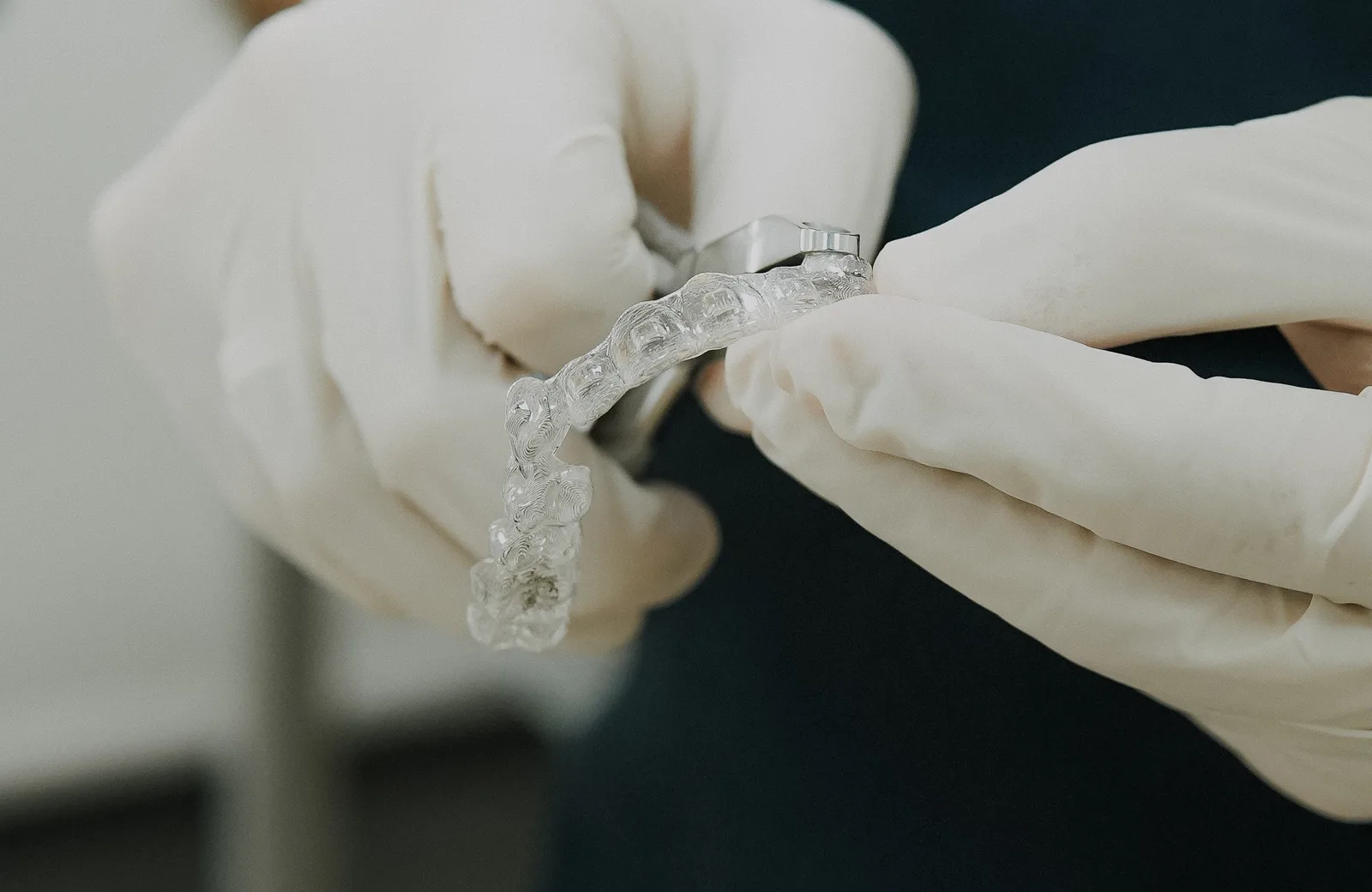
- Clear Aligners
It is the answer to the question of how to fix crooked teeth without braces. In this treatment, which is performed with systems such as Invisalign, clear aligners specially produced for the patient are used.
/ Crooked Teeth Correction Process
Aesthetic Correction with Dental Veneers
Can dental veneers correct crooked teeth?
Yes, it is an effective method especially for mild crookedness. This treatment targets aesthetic appearance rather than orthodontic correction:
- Laminate (porcelain veneer)
- Zirconium coating
- Composite bonding
With these methods, the surface of the teeth is reshaped and a more aesthetically smooth appearance is achieved.
Surgical Intervention
In very advanced cases, orthodontics may not be sufficient if there is jaw narrowness, skeletal disorders or impacted tooth problems. In this case, jaw surgery or surgically assisted orthodontics may be required.
Things to Know in the Orthodontic Process
Treatment Duration
The treatment period depends on the degree of crowding. Comprehensive treatment with fixed appliances averaged 19.9 months across 22 prospective studies (PubMed 26926017); mild cases can finish sooner and advanced cases take longer.
Things to Consider During the Process
- Special attention should be paid to dental hygiene
- Brackets should not be damaged
- Monthly check-ups should be attended regularly
- Acidic and sticky foods should be avoided while wearing braces
After Treatment: Why is the Retention Phase Important?
When orthodontic treatment is completed, a retainer is used to prevent the teeth from returning to their original state. This process is at least as important as active treatment.
Fixed retainer: Bonded to the back of the tooth.
Removable retainer: Worn at night, no aesthetic concerns.
/ Crooked Teeth Treatment in Adults
Is It Possible to Treat Crooked Teeth in Adults?
Yes. Orthodontic treatment is not only specific to children. Even if the jaw development of adults is complete, correction can be made with clear aligners or aesthetic approaches.
- The position of the teeth can be changed
- It can be supported with aesthetic smile design
- Transparent solutions can be offered to those who do not want braces
Problems That Crooked Teeth Can Cause
In addition to aesthetic deterioration, the following problems can be seen:
- Tooth decay and plaque formation: Areas that cannot be brushed properly are risky.
- Gum inflammation: If the interdental cleaning is inadequate, gum disease begins.
- Temporomandibular joint problems: Malocclusion can cause jaw pain.
- Speech disorders : Especially lisping can occur in the letters “s”, “t”, “z”.
Aesthetic and Psychological Effects
The following psychological conditions are common in individuals with crooked teeth:
- Avoiding smiling
- Lack of self-confidence in society
- Development of social phobia
- Withdrawal in professional life
After treatment, individuals experience a significant increase in self-confidence, social adaptation and improvement in quality of life.
Accelerated Orthodontic Methods
Several methods have been developed to try to shorten treatment:
- Acceledent: Accelerates tooth movement with micro vibrations
- Propel system: Makes small perforations in the bone around the teeth
A Cochrane review found no additional benefit of vibration devices or photobiomodulation for reducing overall treatment duration, with low to very low certainty evidence (PubMed 37339352).
/ Frequently Asked Questions (FAQ)
How are crooked teeth corrected?
It can be corrected with orthodontics (braces), clear aligners, veneers and surgical methods.
How are crooked teeth corrected without braces?
In mild cases, correction can be achieved with clear aligners, bonding and veneers.
What causes crooked teeth?
Genetics, bad habits, early tooth loss and jaw development disorders are the main causes.
Are crooked teeth genetic?
Yes, jaw structure and tooth positions are genetically transmitted.
Can dental veneers correct crooked teeth?
In mild cases, veneers can provide aesthetic correction. Moderate and advanced cases require orthodontics.
Crooked Teeth Are No Longer a Problem!
Crooked teeth can cause both aesthetic and functional problems. However, thanks to the treatment options that have developed today, this situation can be easily corrected. Whether it is orthodontic treatment, aesthetic veneers, or modern clear aligners… Transforming your smile is in your hands.
Remember, every smile is special. Instead of postponing, consult a specialist to determine a solution plan specific to you and step into a healthier, more confident life.
Let’s plan the right treatment together.
Free Assessment→- 1.Robertson L, Kaur H, Fagundes NCF, Romanyk D, Major P, Flores Mir C. Effectiveness of clear aligner therapy for orthodontic treatment: A systematic review. Orthod Craniofac Res 2020;23:133-142. PubMed 31651082
- 2.Alhamwi AM, Burhan AS, Idris MI, Nawaya FR. Duration of orthodontic treatment with clear aligners versus fixed appliances in crowding cases: a systematic review. Clin Oral Investig 2024;28:249. PubMed 38607436
- 3.Tsichlaki A, Chin SY, Pandis N, Fleming PS. How long does treatment with fixed orthodontic appliances last? A systematic review. Am J Orthod Dentofacial Orthop 2016;149:308-18. PubMed 26926017
- 4.El-Angbawi A, McIntyre G, Fleming PS, Bearn D. Non-surgical adjunctive interventions for accelerating tooth movement in patients undergoing orthodontic treatment. Cochrane Database Syst Rev 2023;6:CD010887. PubMed 37339352