Teeth whitening is a cosmetic dental procedure that lightens the natural shade of teeth by using hydrogen peroxide or carbamide peroxide to break down stain molecules inside the enamel. The professional options split four ways: Zoom, which uses an LED activation lamp across three to four 15-minute sessions in one visit; laser whitening for deep or stubborn stains; general dentist-supervised in-office whitening; and custom-fitted take-home trays. Prices quoted here range from 150 to 700 USD depending on system, staining and number of sessions, and how long results hold depends on diet, smoking and top-up sessions. Mild sensitivity and gum irritation are the usual side effects and typically settle within 24 to 48 hours.
- 01Whitening changes shade rather than cleaning the tooth: peroxide breaks down stain molecules inside the enamel, which is why discolouration at the dentin level needs veneers or crowns instead.
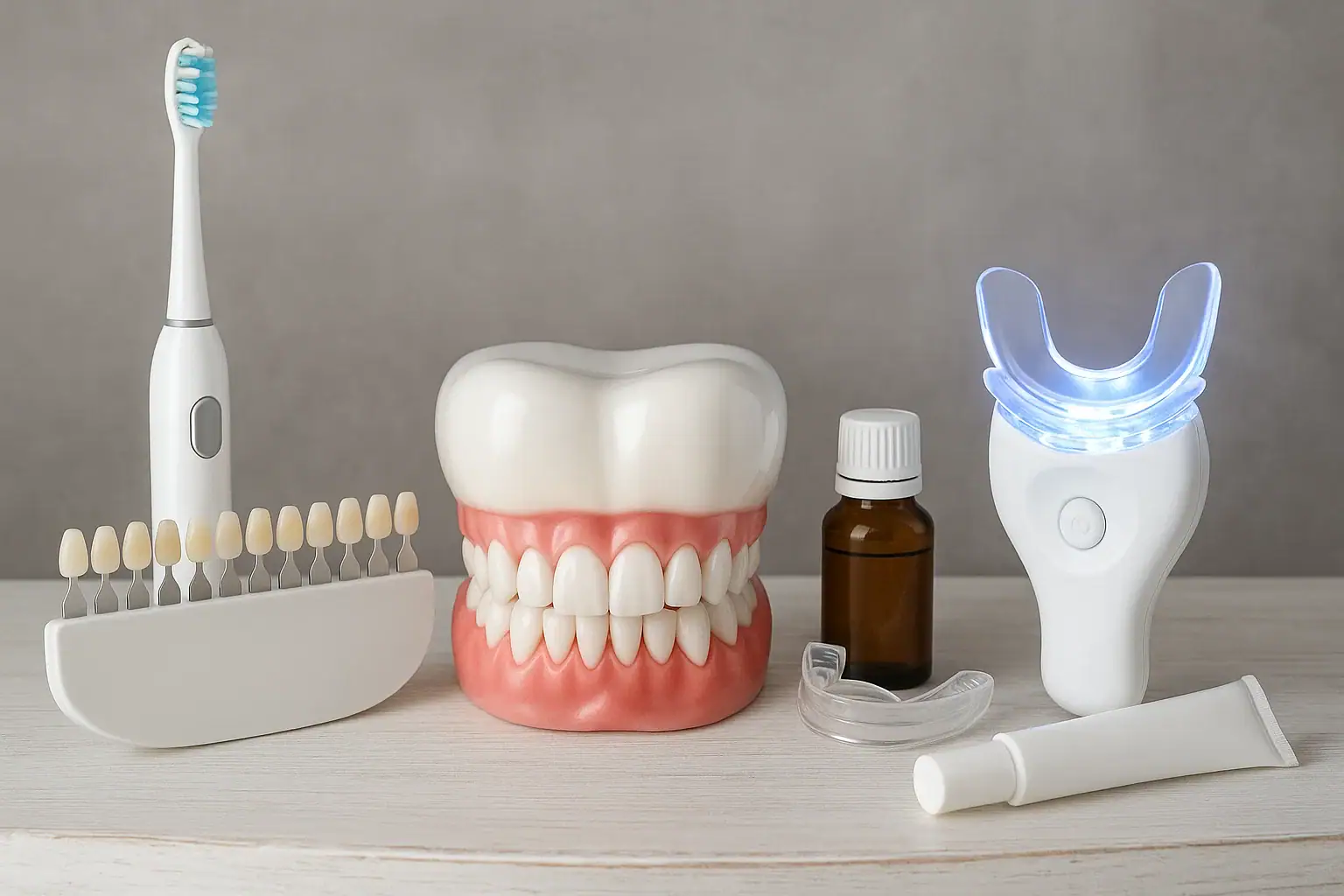
- 02Zoom runs three to four 15-minute sessions with an LED lamp in a single visit; dentist-made custom trays are the controlled take-home alternative to shop-bought strips.
- 03Measured shade change in a controlled trial: 30 patients treated with combined in-office and at-home bleaching averaged three shade guide units, and the result stayed stable across 12 months (PubMed 26919081).
- 04Sensitivity is common rather than rare. In a two-centre randomised trial of 38 percent hydrogen peroxide in-office bleaching, absolute risk of tooth sensitivity was 68 percent (95 percent CI 53 to 80) and 82 percent (95 percent CI 68 to 91) across the two protocols (PubMed 29949479).
- 05Cost bands quoted: Zoom 200 to 600 USD, laser 250 to 700 USD, general in-office 150 to 500 USD, dentist take-home kits 100 to 300 USD; how long the shade holds depends on diet, smoking and top-up sessions.
A bright, radiant smile has become one of the most sought-after aesthetic goals worldwide. Whether you are preparing for a special event, a job interview, or simply want to feel more confident, the first step is knowing which whitening options exist and which of them suits your teeth. The methods available range from in-office whitening and Zoom to laser whitening and dentist-supplied take-home trays.
At Mosdent in Istanbul, in-office whitening for both arches starts from €210. That is a starting price, not a quote: the figure that applies to you is written down after a free examination.
/ Teeth Whitening Basics
1. What Is Teeth Whitening? Understanding the Basics
Teeth whitening is a cosmetic dental procedure that lightens the natural shade of teeth by removing stains and discoloration. Stains may form due to:
- Coffee, tea, red wine
- Tobacco use
- Aging and enamel thinning
- Certain medications
- Poor oral hygiene
- High-pigment foods (berries, sauces, curry)
Modern whitening technology uses hydrogen peroxide or carbamide peroxide to break down stain molecules deep within the enamel, resulting in a whiter and brighter appearance.
2. What Clinic Whitening Adds
Clinic teeth whitening differs from shop-bought products on four points:
- The treatment is carried out under dentist supervision
- The peroxide concentration is higher than in over-the-counter products
- A gingival barrier protects the soft tissue during application
- Fluoride is applied afterwards to reduce sensitivity
Shop-bought strips carry a lower concentration and no custom fit, so the shade change they produce is limited.
Professional whitening falls into four categories, each with its own effectiveness and durability.
3.1 Zoom Whitening
Zoom is an in-office whitening system activated by an LED lamp. It uses:
- A medical-grade peroxide gel
- A special LED activation lamp
- Three to four 15-minute sessions in a single visit
Advantages of Zoom Whitening
- Up to 6–10 shades lighter in one session
- Fast and safe
- Ideal for events and emergencies
- Reduced post-treatment sensitivity with fluoride gel
Who Is a Candidate for Zoom Teeth Whitening?
- Patients with yellow or mild brown staining
- People seeking instant results
- Individuals who prefer dentist-controlled whitening
/ Professional Teeth Whitening Options
3.2 Laser Whitening
Laser whitening uses a concentrated gel activated by a dental laser.
Benefits
- Very precise application
- Less heat exposure
- Effective for tough, deep stains
- Requires shorter chair time
Who Should Prefer Laser Teeth Whitening?
- Patients with sensitive teeth
- Individuals with severe discoloration
- Those who want a modern, minimally invasive approach
3.3 In-Office Whitening
This refers to all dentist-supervised whitening treatments.
Why Choose Professional Whitening Over DIY Products?
- Stronger whitening agents (up to 40% peroxide)
- Predictable, uniform results
- Clinically safe, dentist-monitored
- Reduced risk of gum burns or enamel damage when performed by a dental professional
- Long-lasting effect
3.4 Take-Home Custom Whitening Kits from the Dentist
Instead of store-bought whitening strips, dentists often recommend custom-fit whitening trays.
Why?
- They offer significantly better results
- They prevent uneven whitening
- They reduce gum irritation
- They use a safe, controlled amount of whitening gel
/ Where to Get Teeth Whitening and How to Choose a Clinic
4. Where Teeth Whitening Is Carried Out
Here are the top places based on patient safety, effectiveness, and long-term results.
1. Dental Clinics (Dentist-Supervised)
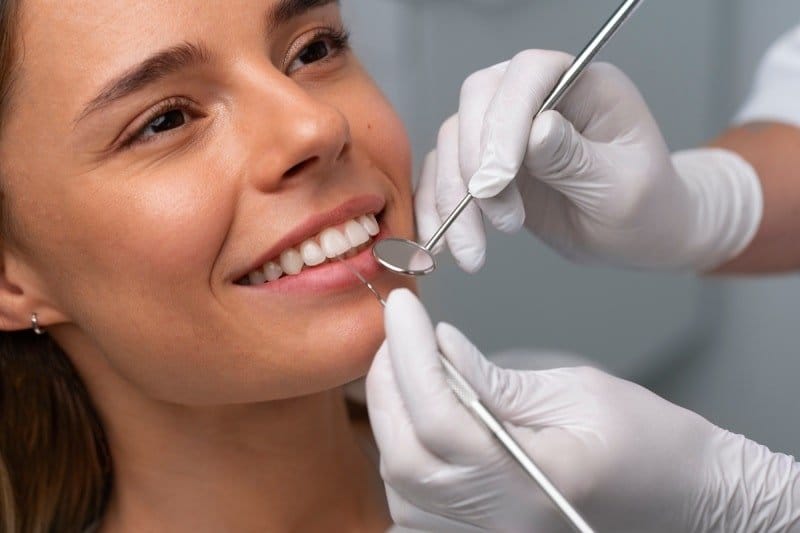
Clinics like Mosdent Dental Hospital offer:
- Advanced technology
- Expert cosmetic dentists
- Digital shade analysis
- Proven, safe whitening systems
- Tailored whitening plans
2. Beauty Centers or Spas (Not Recommended)
These facilities do not have medical supervision, which may lead to:
- Burns
- Sensitivity
- Permanent enamel damage
3. At-Home Options (Limited Results)
- Whitening strips
- Whitening pens
- LED light kits
These may help slightly but will never match professional whitening.
Of these three, only one is carried out under medical supervision:
A certified dental clinic with experienced cosmetic dentists.
5. How to Choose a Clinic
A high-quality whitening experience depends on choosing the right provider. Here are factors to look for:
5.1 Experience and Qualifications
A clinic with cosmetic dentistry experience can:
- Identify stain type
- Recommend the correct whitening system
- Avoid complications
5.2 Technology and Materials
Clinics offering:
- Zoom whitening
- Laser whitening
- Digital imaging
- Sensitivity-reducing agents
deliver far better results.
5.3 Hygiene and Safety Standards
Especially for whitening gels, strict hygiene ensures:
- No cross-contamination
- Safe gel application
- Quality-controlled results
5.4 Transparency in Pricing
You should know:
- Whitening system used
- Duration
- Expected shade improvement
- Aftercare requirements
Mosdent provides clear, personalized treatment plans for all patients.
/ Teeth Whitening Cost and Treatment Process
6. How Much Does Teeth Whitening Cost?
Prices vary by treatment type, clinic, technology, and region.
General cost ranges:
- Zoom Whitening: $200 – $600
- Laser Whitening: $250 – $700
- Professional In-Office Whitening: $150 – $500
- Take-Home Dentist Kits: $100 – $300
Factors affecting cost:
- Whitening system brand
- Degree of staining
- Number of sessions needed
- Additional sensitivity treatments
7. Step-by-Step: How Professional Teeth Whitening Works
Understanding the procedure helps calm anxious patients.
7.1 Consultation & Shade Analysis
Dentist examines:
- Enamel thickness
- Past treatments
- Sensitivity level
- Stain type (extrinsic vs intrinsic)
7.2 Gum Protection
A gingival barrier protects the soft tissues.
7.3 Application of Whitening Gel
High-strength peroxide gel is carefully applied.
7.4 Light Activation (Zoom or Laser)
Enhances the whitening effect.
7.5 Rinsing & Fluoride Treatment
Minimizes sensitivity and strengthens enamel.
7.6 Final Shade Comparison
Instant visible improvement.
8. How Long Do Teeth Whitening Results Last?
In a two-year randomised trial of 60 patients, neither in-office nor at-home bleaching showed significant colour rebound (PubMed 23082382). How long the shade holds depends on:
- Diet
- Smoking habits
- Oral hygiene
- Follow-up whitening sessions
9. Is Teeth Whitening Safe?
Yes, when done professionally.
Risks are more likely when whitening is:
- Overused
- Done at non-medical centers
- Applied incorrectly
Dentist-supervised treatment reduces these risks.
Common temporary side effects include:
- Mild sensitivity
- Gum irritation
Both typically resolve within 24–48 hours.
/ 10. Frequently Asked Questions
Where can I get my teeth whitened?
The safest and most effective place is a professional dental clinic offering Zoom or laser whitening.
What are the professional whitening options?
- Zoom whitening
- Laser whitening
- Professional in-office whitening
- Dentist-supervised home kits
Where are whitening strips sold?
Available in pharmacies, but they are less effective compared to professional whitening.
How much does teeth whitening cost?
Depending on the method, costs range from $150 to $700 .
Is laser whitening effective?
Yes, especially for deep stains and sensitive teeth.
Conclusion: Achieve a Brighter Smile with Trusted Professional Care
The result depends on the clinic that carries out the treatment: the whitening system used, the examination that precedes it and the aftercare that follows.
At Mosdent Dental Hospital, teeth whitening is not just a cosmetic procedure. It is:
- A scientifically proven treatment
- Tailored to your unique needs
- Performed using advanced LED and laser systems
- Designed for long-lasting results
Zoom, laser and in-office whitening are all carried out at Mosdent under dentist supervision.
Let’s plan the right treatment together.
Free Assessment→- 1.Rezende M, Ferri L, Kossatz S, Loguercio AD, Reis A. Combined Bleaching Technique Using Low and High Hydrogen Peroxide In-Office Bleaching Gel. Oper Dent 2016;41:388-96. PubMed 26919081
- 2.Martins I, Onofre S, Franco N, Martins LM, Montenegro A, Arana-Gordillo LA, et al. Effectiveness of In-office Hydrogen Peroxide With Two Different Protocols: A Two-center Randomized Clinical Trial. Oper Dent 2018;43:353-361. PubMed 29949479
- 3.Tay LY, Kose C, Herrera DR, Reis A, Loguercio AD. Long-term efficacy of in-office and at-home bleaching: a 2-year double-blind randomized clinical trial. Am J Dent 2012;25:199-204. PubMed 23082382