
2025
Panoramic Dental X-Ray: What It Is, Why It's Done, and How It Works
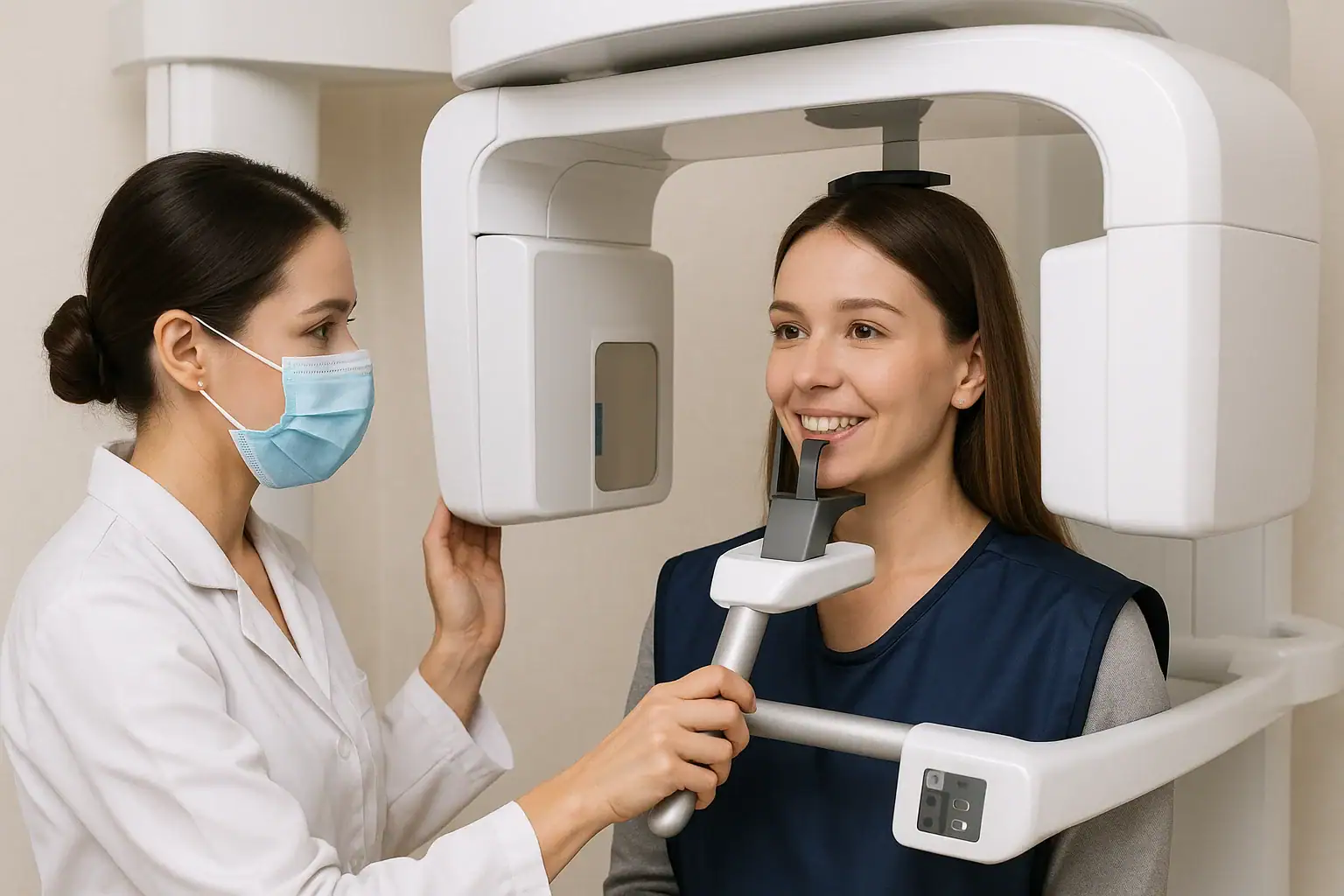
A panoramic dental X-ray is a two-dimensional image of both jaws, all the teeth, the jaw joints and the sinuses, taken in one 10 to 20 second rotating pass.
HK
Dr Hakan Kaval
Clinical experience, misunderstood concepts and frequently asked questions. Notes from many years of practice.
A panoramic dental X-ray is a two-dimensional image of both jaws, all the teeth, the jaw joints and the sinuses, taken in one 10 to 20 second rotating pass.
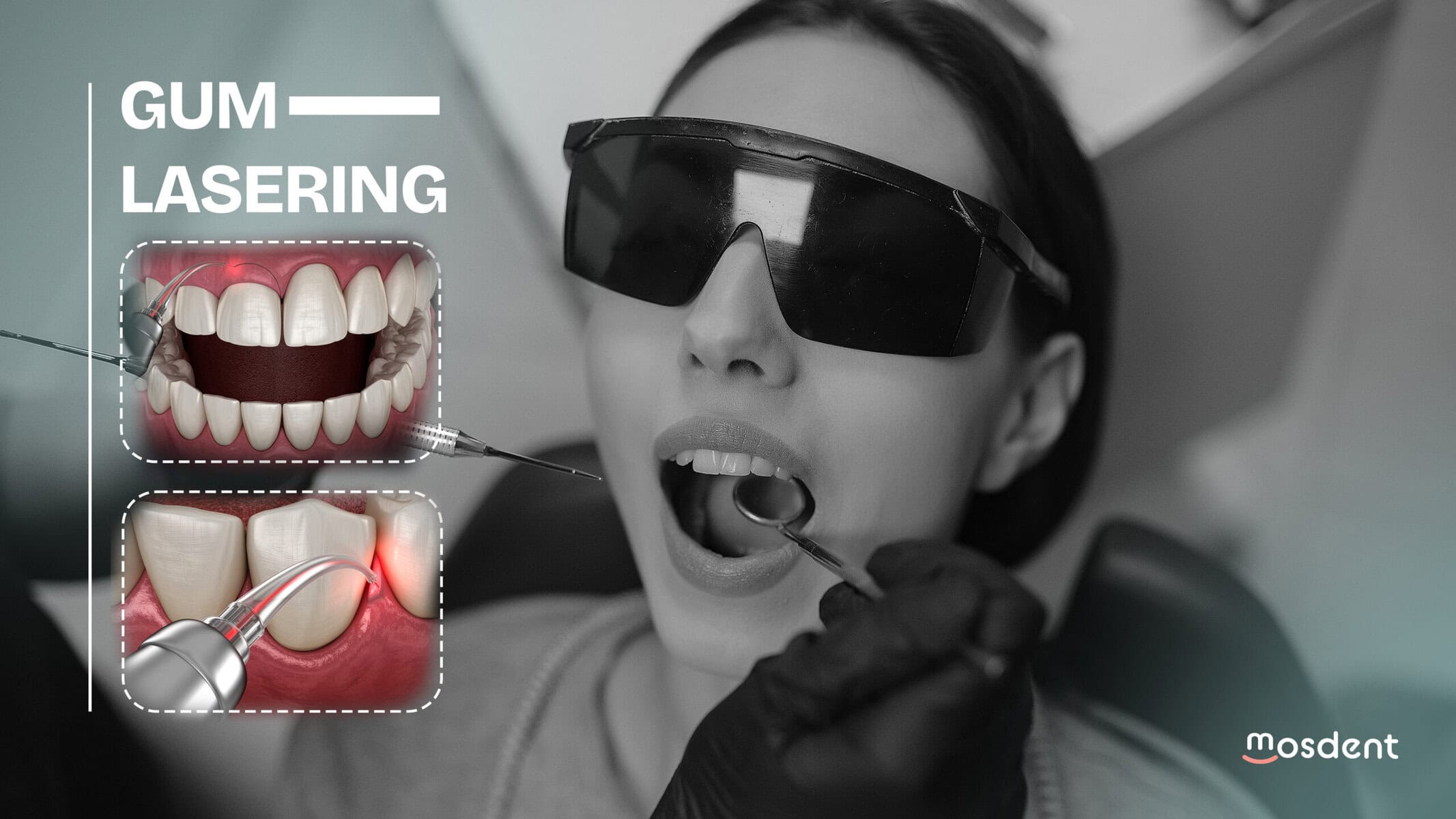
Laser gum contouring reshapes the gum line with a dental laser instead of a scalpel; in a randomised trial, no laser case needed stitches.
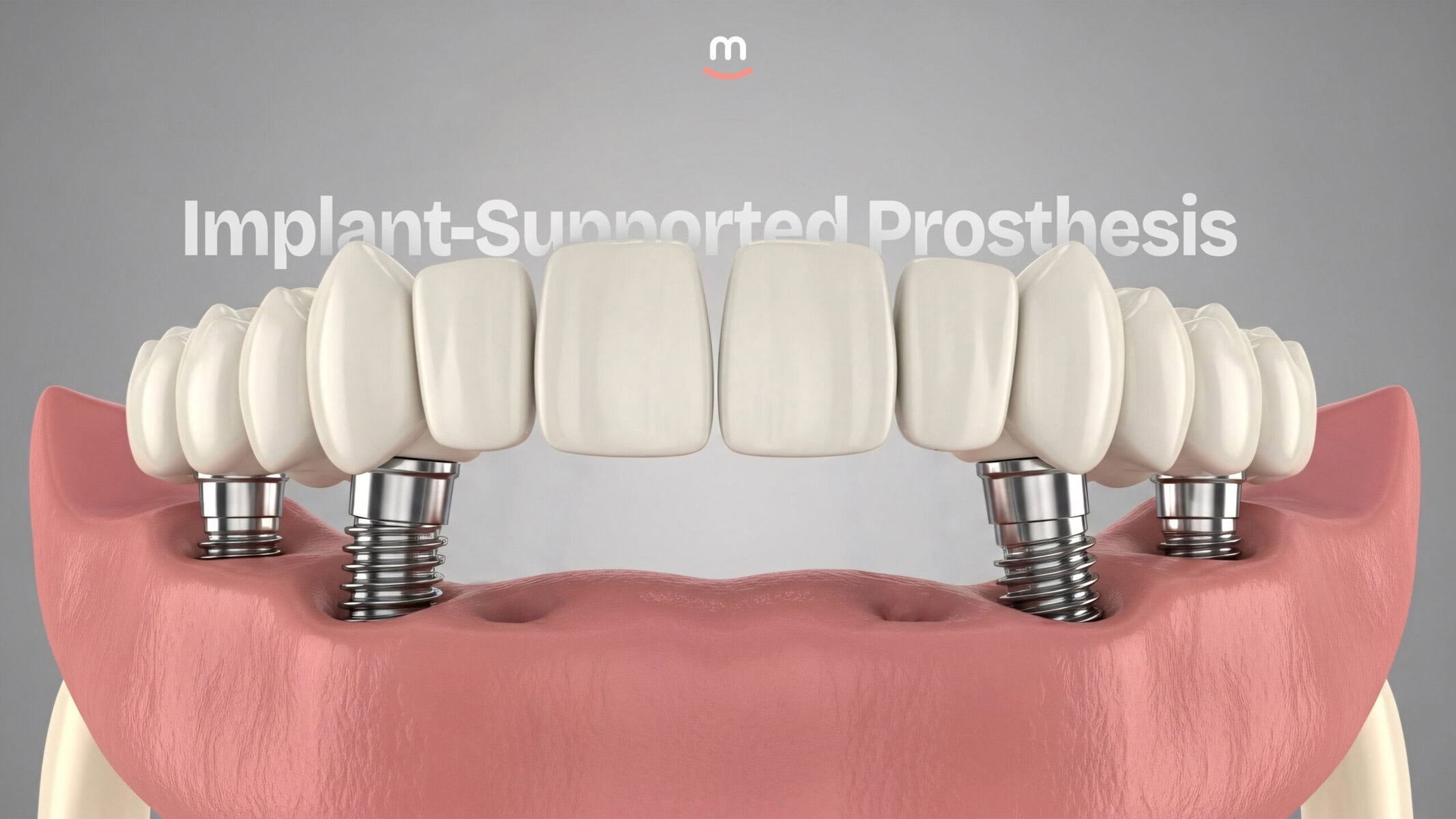
A systematic review of 32 studies put implants supporting fixed dental prostheses at 95.6 percent survival after 5 years and 93.1 percent after 10.
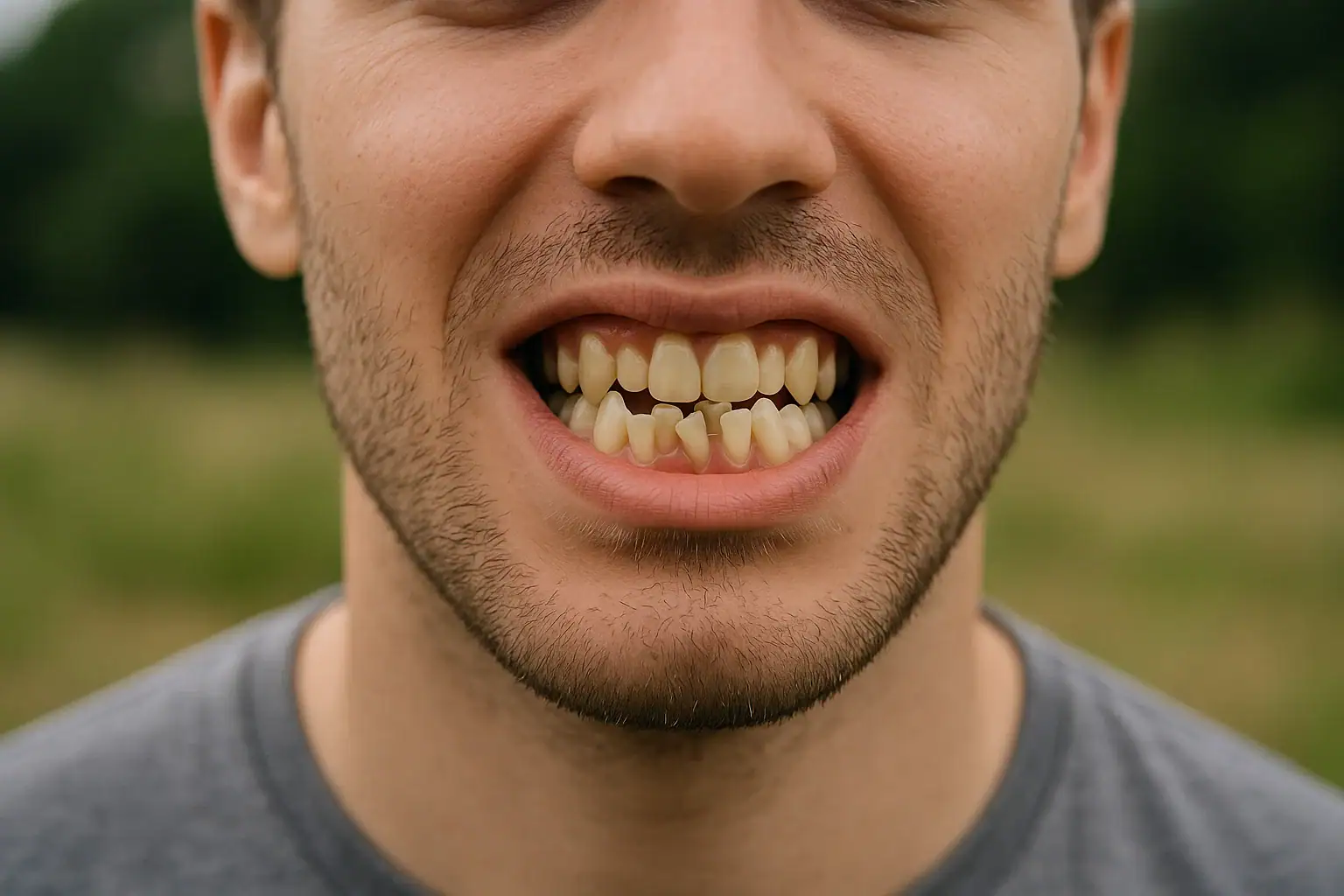
A meta-analysis of 77 studies put worldwide prevalence of misaligned bites in children and adolescents at 56%. Types, causes and what each one needs.
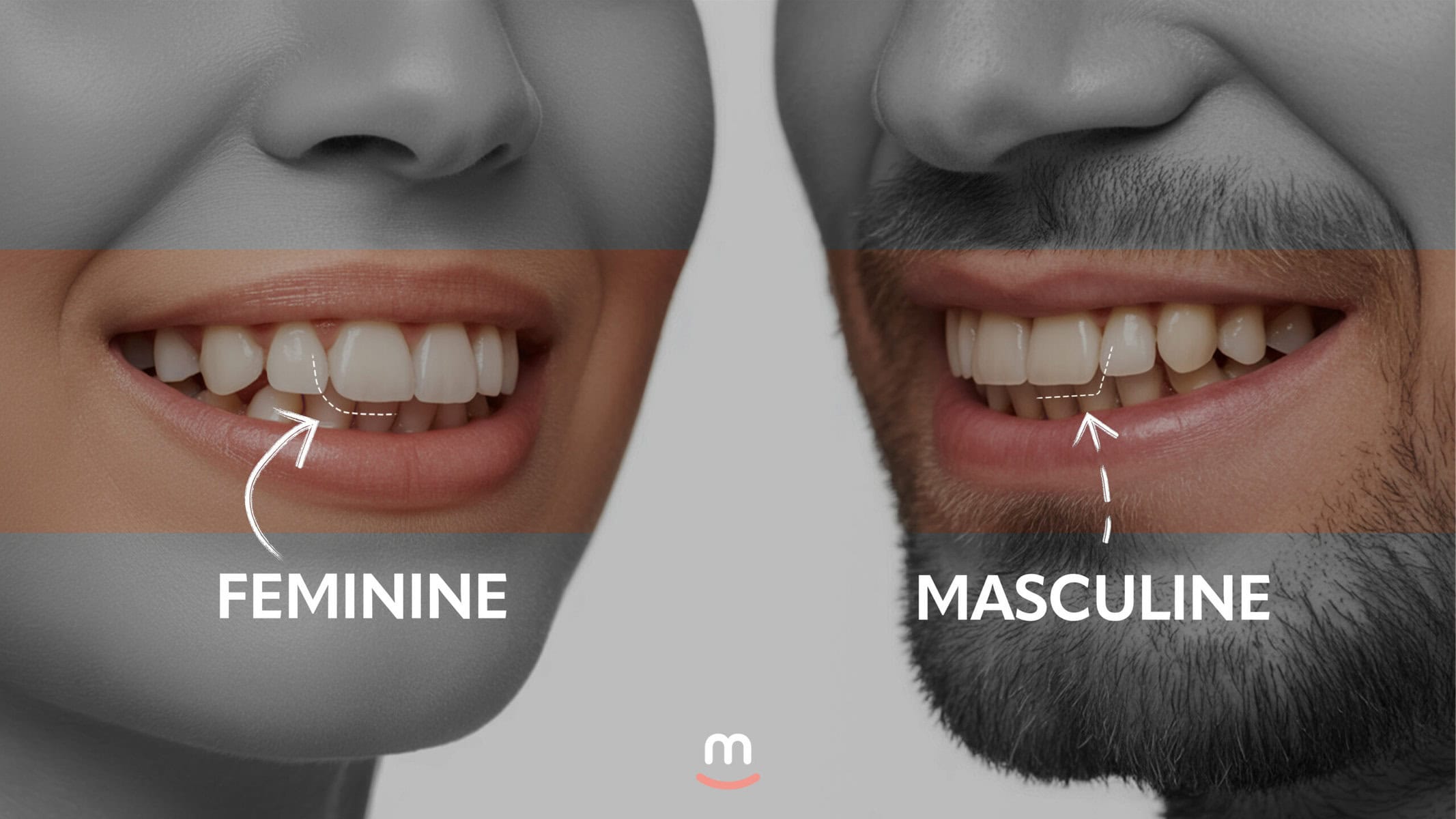
Feminine and masculine smiles are design conventions, not biological categories: in 15 studies, no crown dimension reached 80% accuracy for sex estimation.
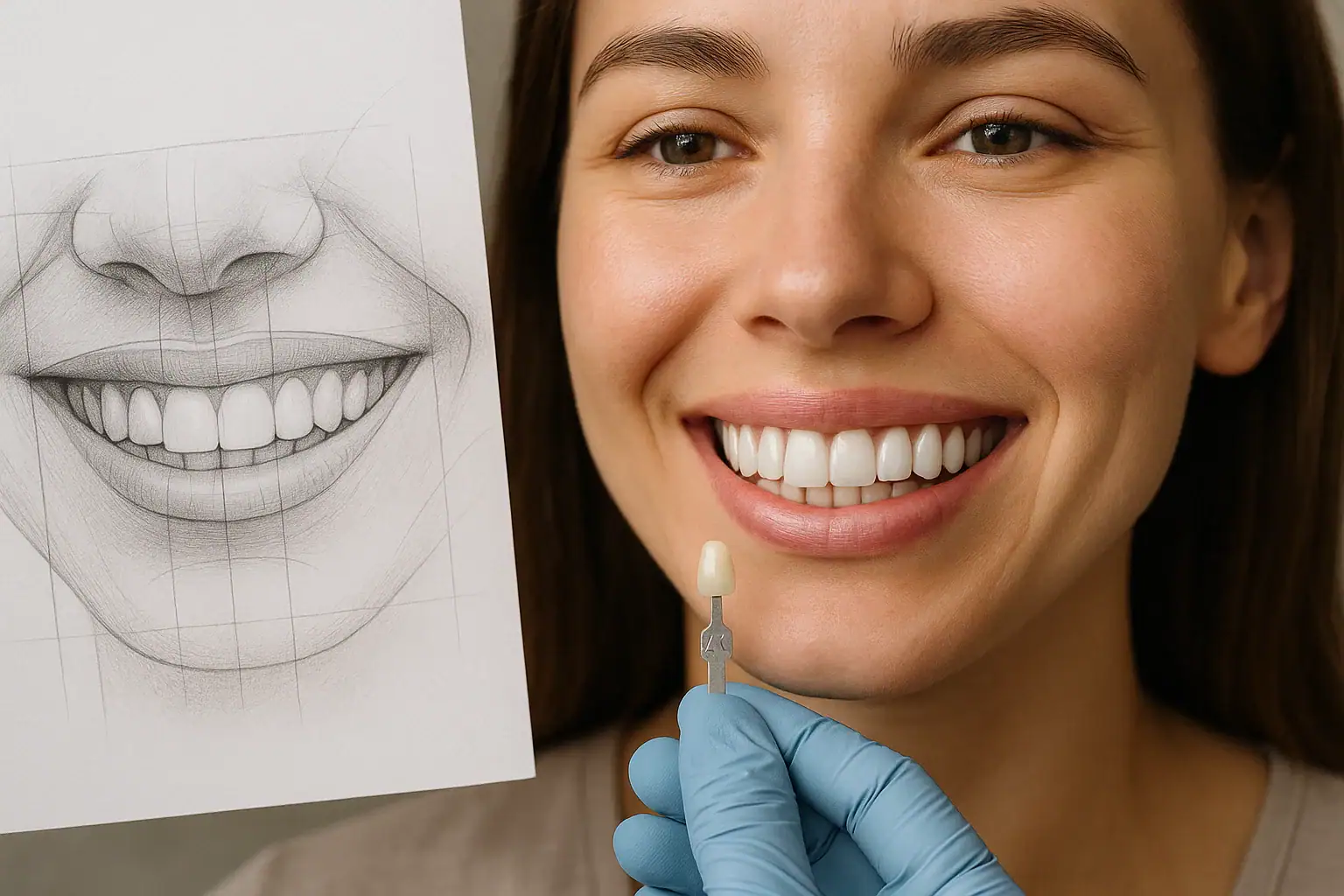
Across 29 studies, laminate veneer survival at 10.4 years was 96.13 percent for feldspathic and 96.81 percent for lithium disilicate. How the plan is built.

Wisdom teeth removal recovery is mostly over within a week: swelling peaks on days 1 and 2, and most patients resumed a more normal lifestyle by day 5.
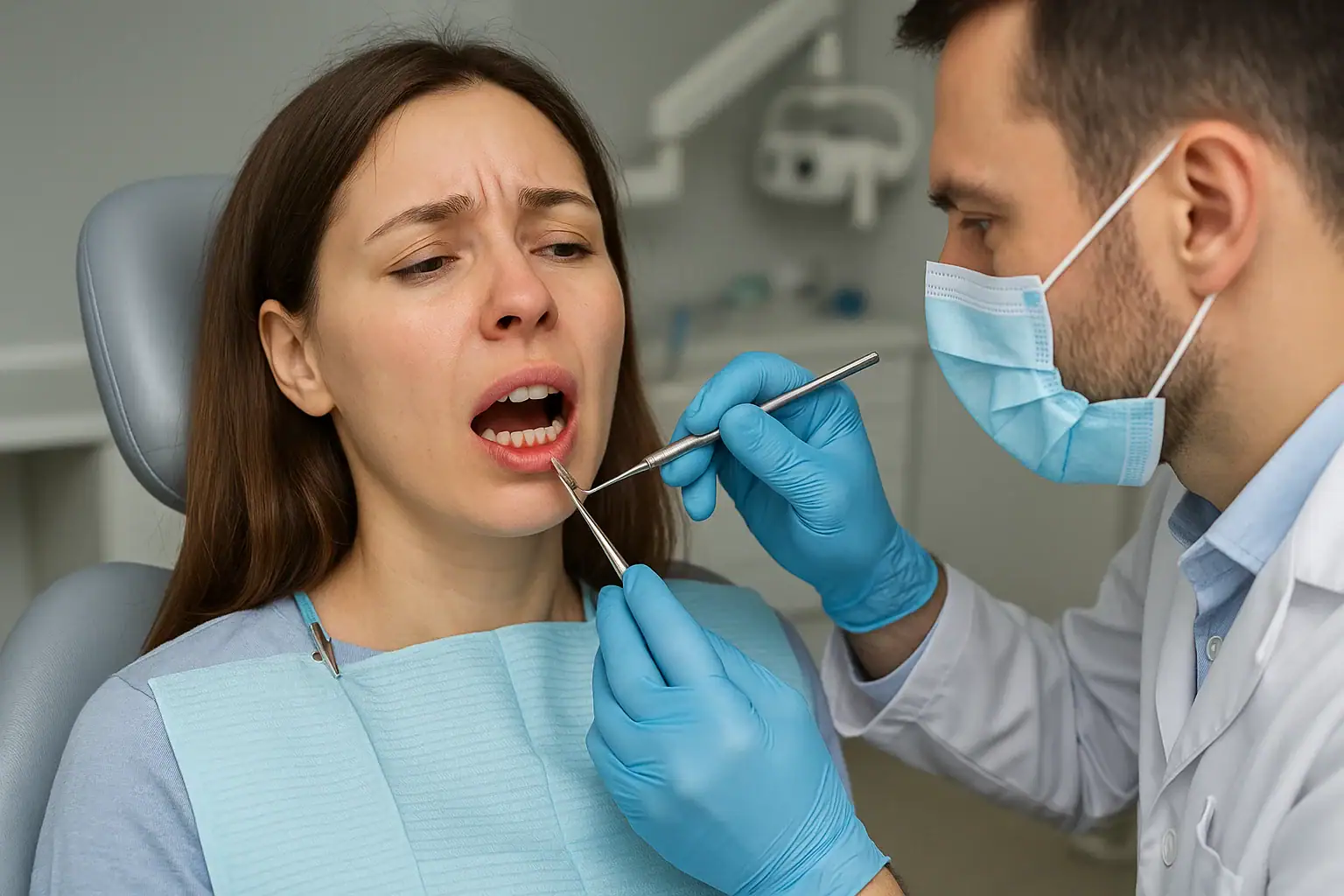
Across 51 studies and 5,345 participants, a chlorhexidine rinse lowered the Gingival Index by 0.21 on a 0 to 3 scale while increasing staining. Gingivitis is reversible and plaque removal is the treatment.
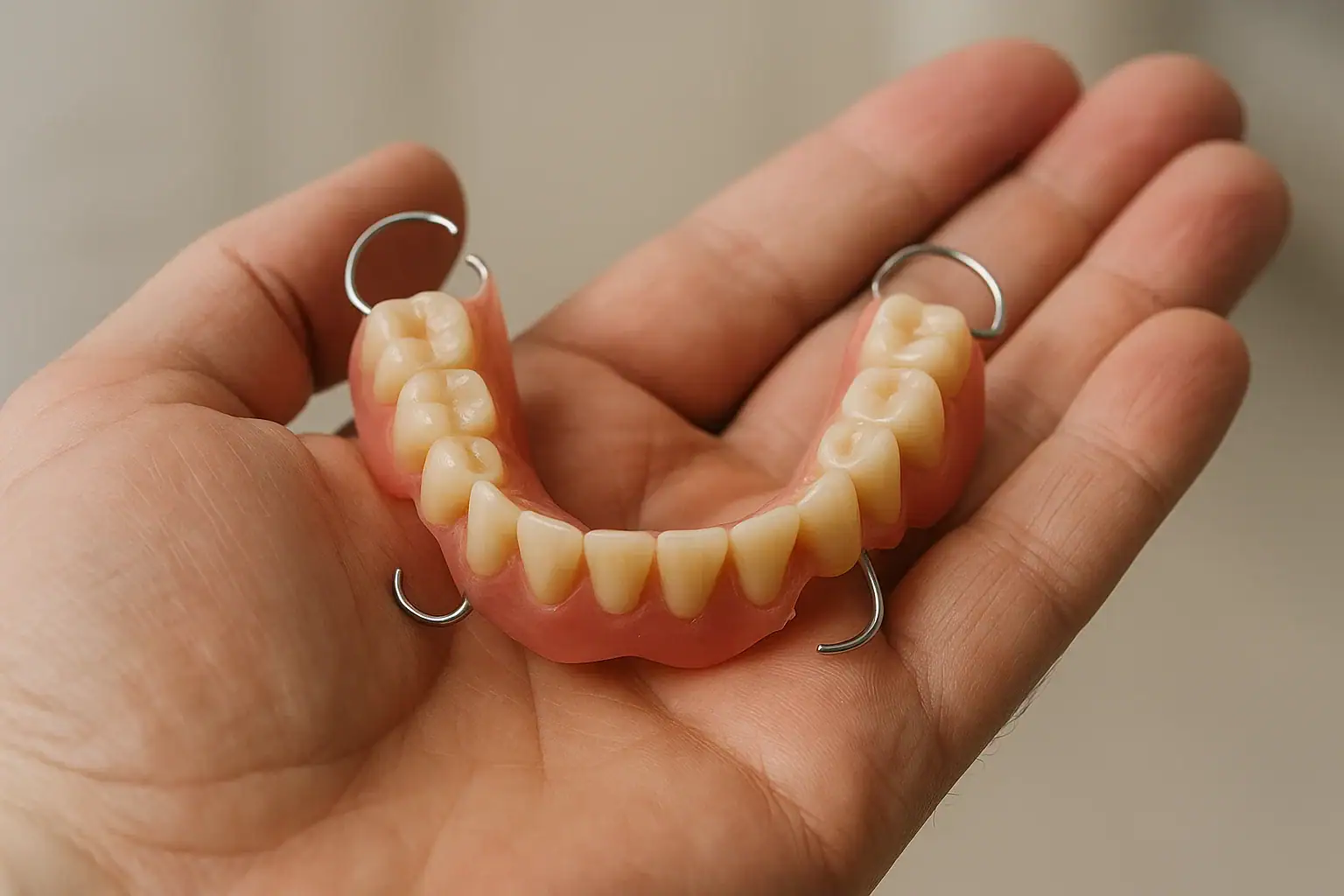
In a meta-analysis of 46 studies, five-year partial denture survival was 95.1 percent for cast-clasp designs and 91.7 percent for telescopic ones.