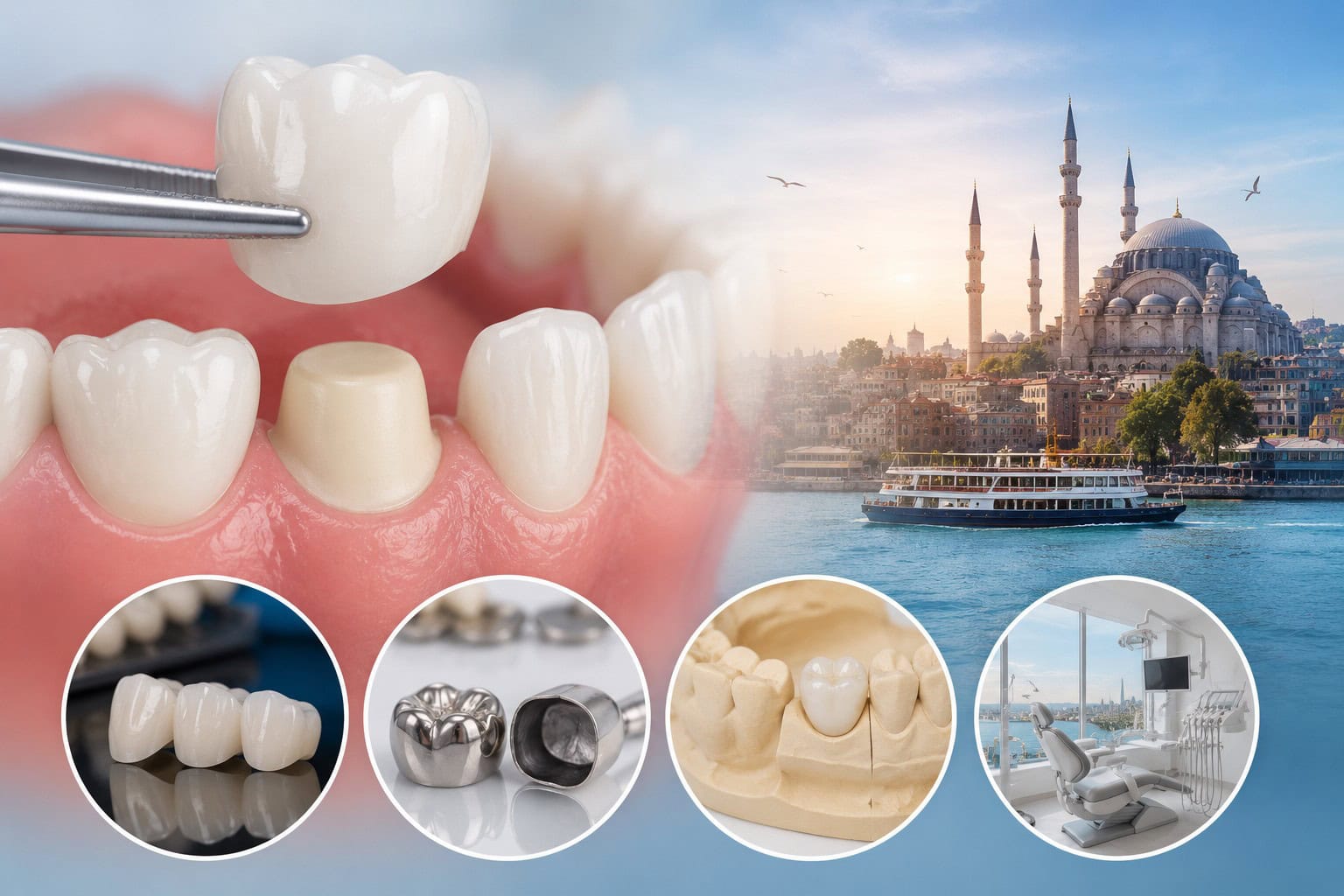
How to Replace Old Dental Crowns and Veneers: The Complete Renewal Guide
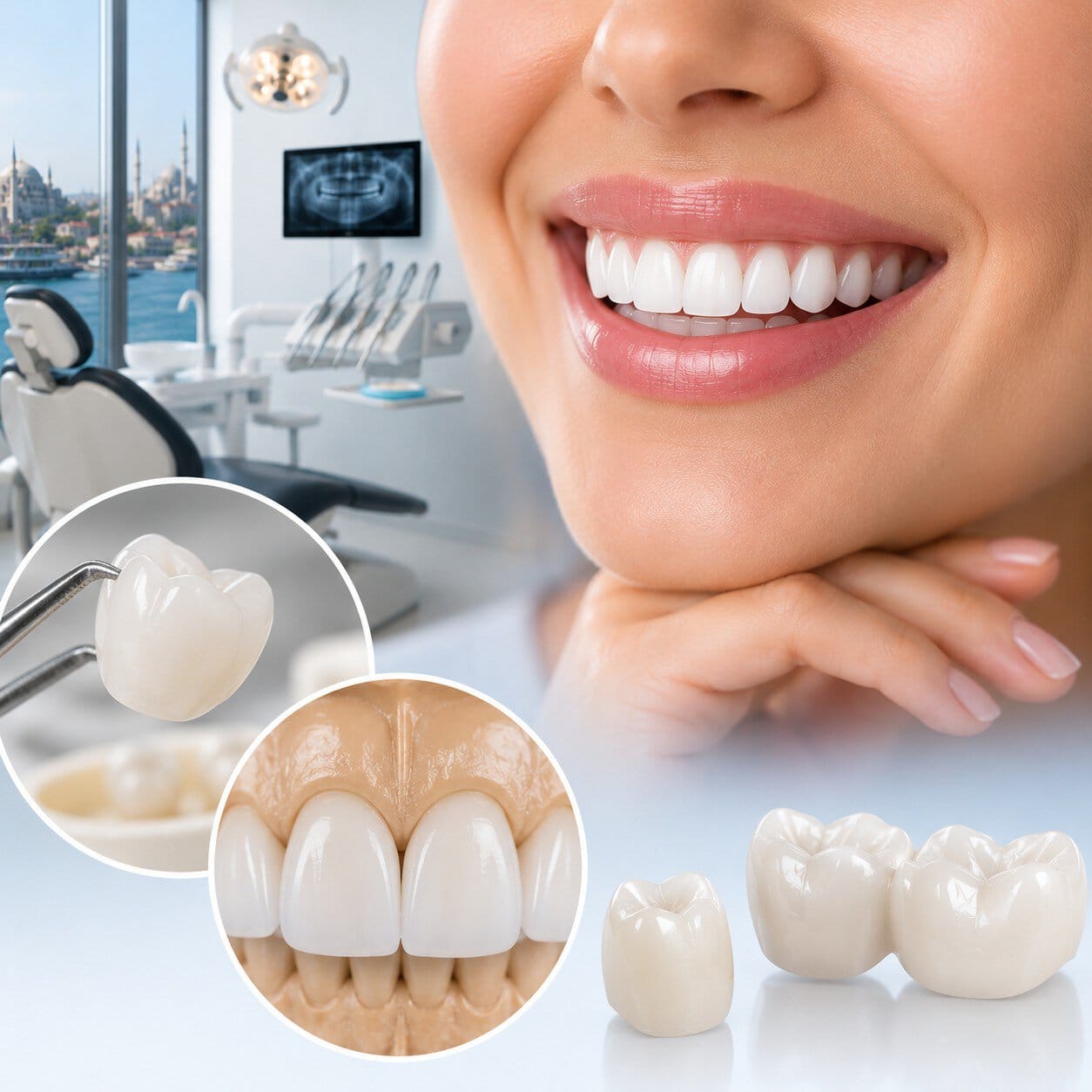
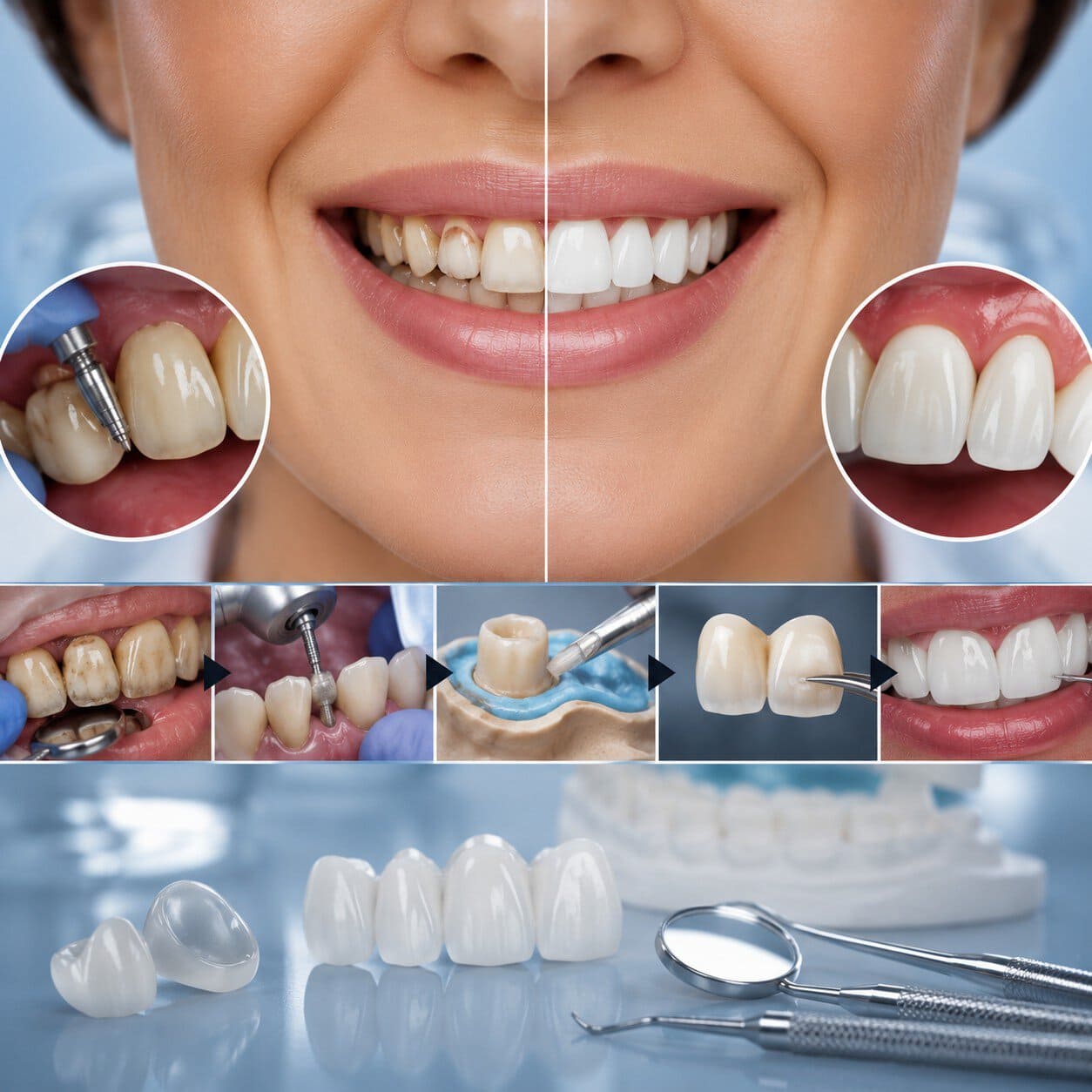
Replacing an old crown or veneer means removing it, checking for decay and making a new one; a dark line at the gumline, chipping or movement signal it.
Clinical experience, misunderstood concepts and frequently asked questions. Notes from many years of practice.

Replacing an old crown or veneer means removing it, checking for decay and making a new one; a dark line at the gumline, chipping or movement signal it.

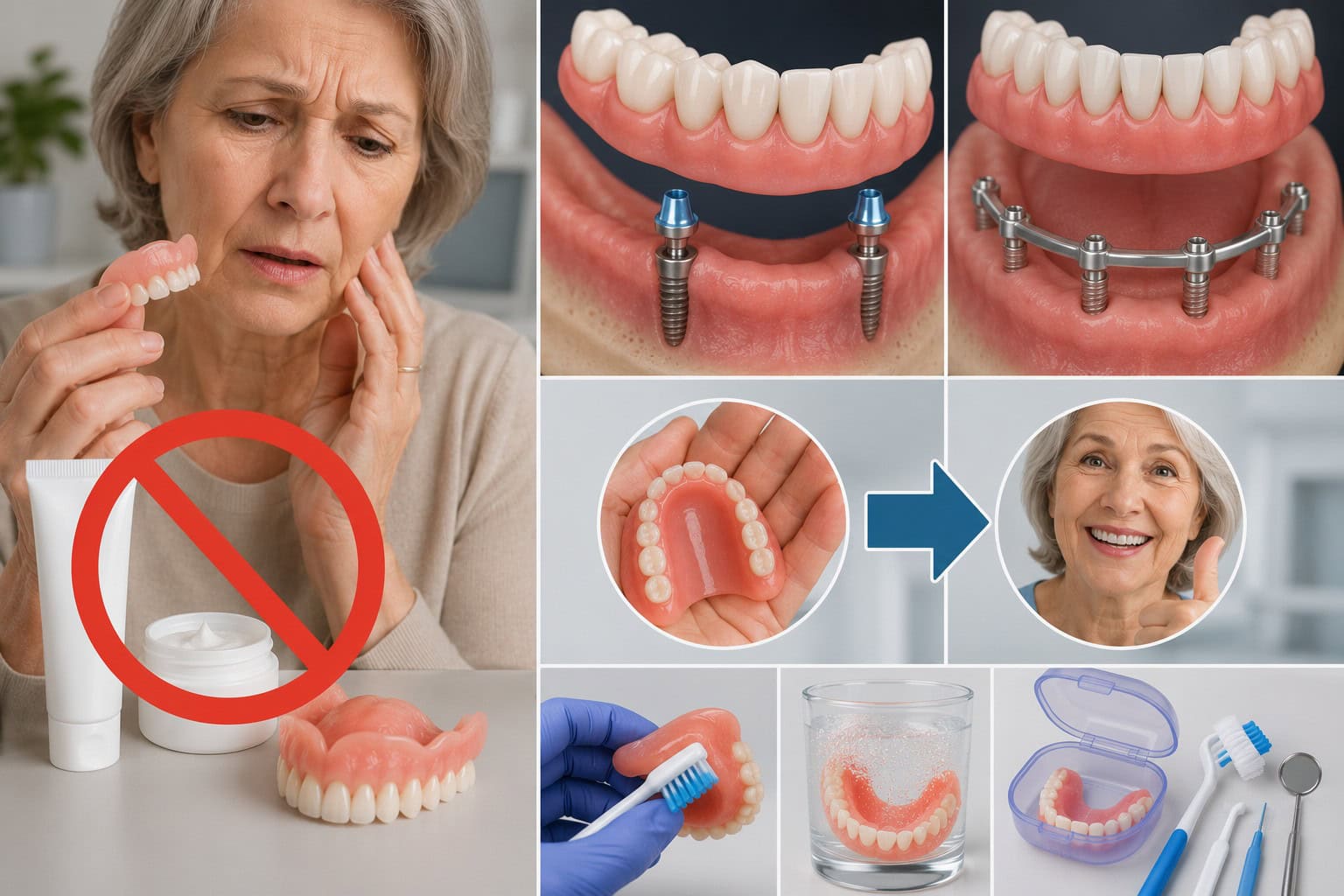
A loose denture is usually a bone problem: the ridge loses 29 to 63 percent of its width within six months of extraction. A reline, remake or implants fix it.

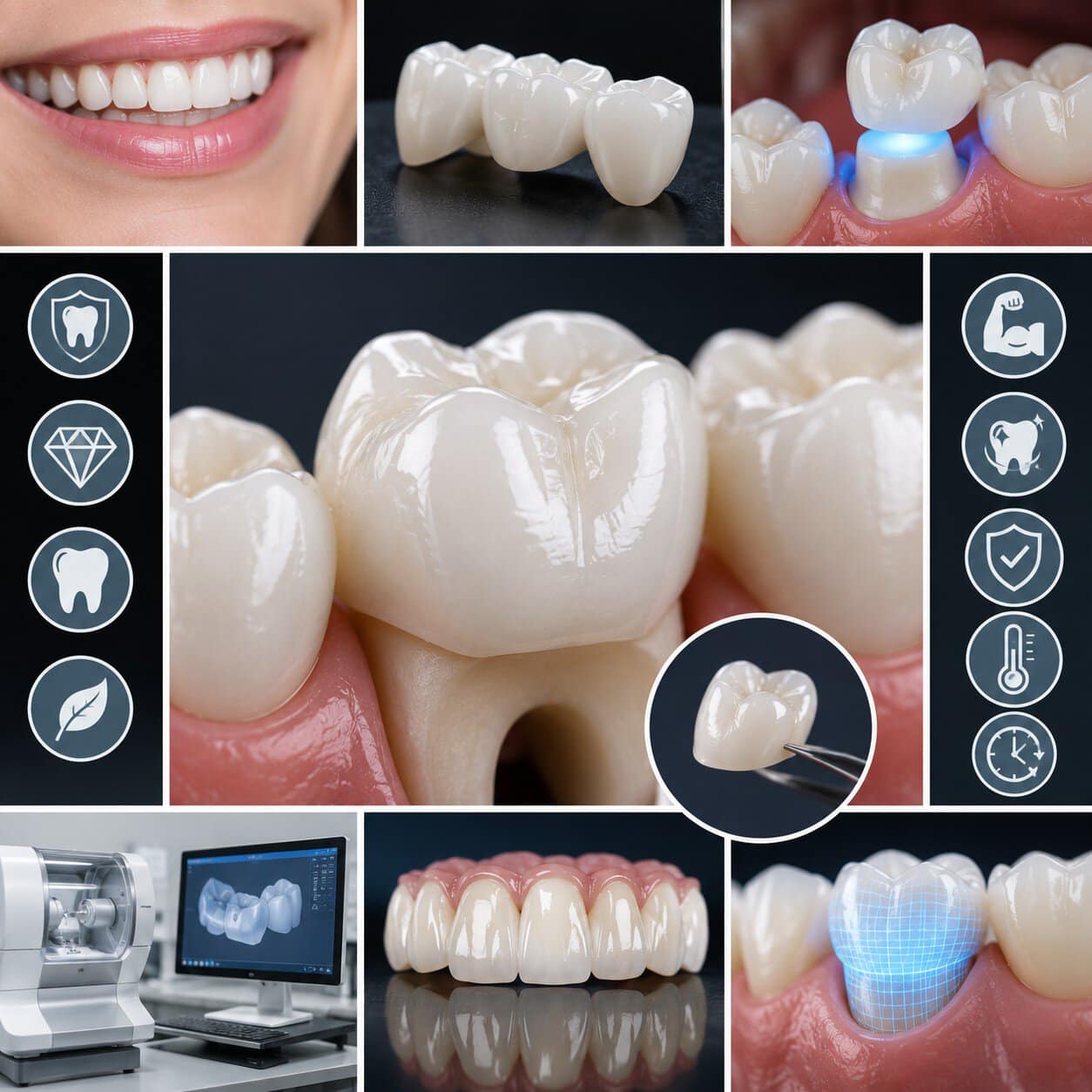
A zirconium crown is milled from zirconium dioxide with no metal core; monolithic designs chipped less than porcelain-veneered ones across 6,370 restorations.

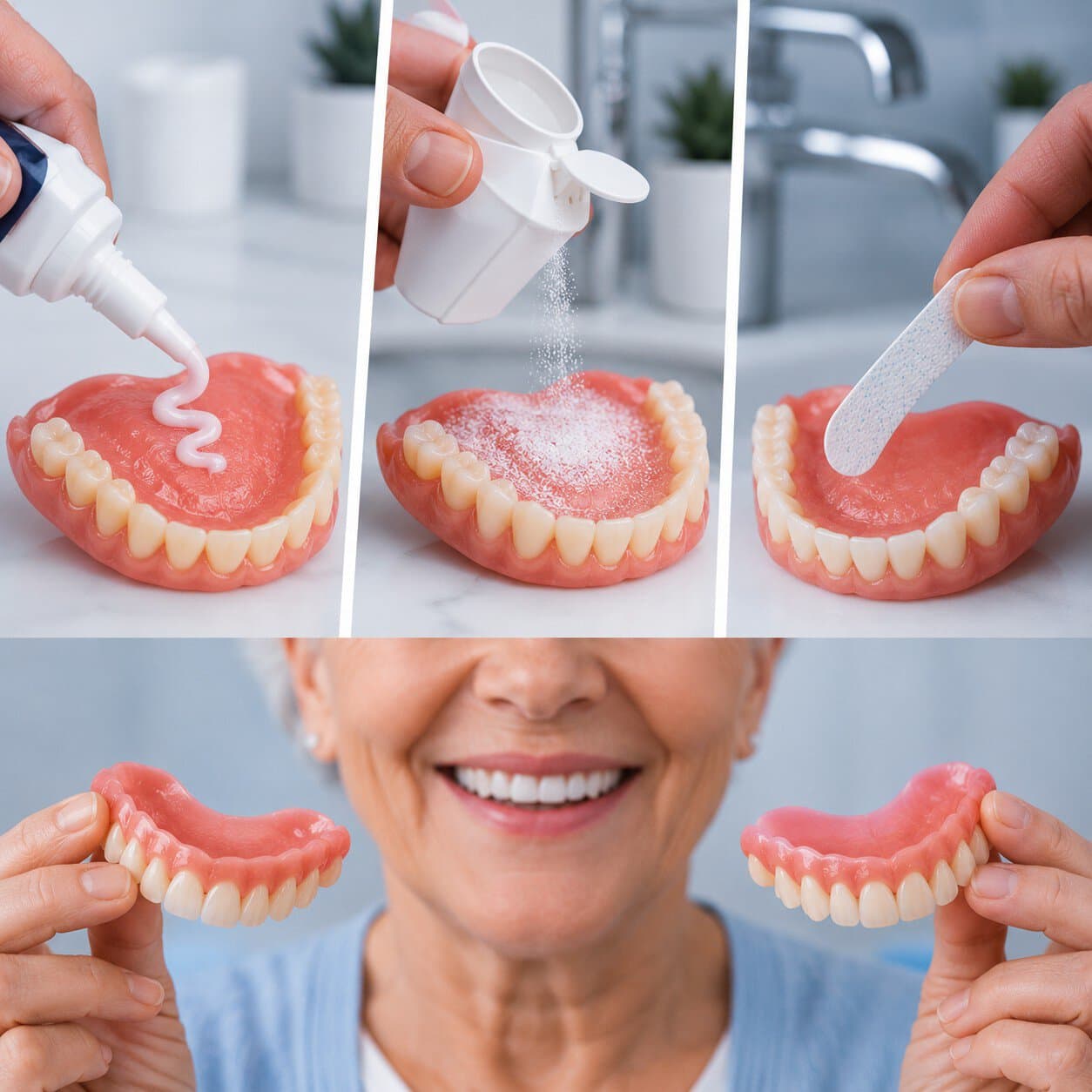
Creams, powders and strips are not interchangeable, and the evidence has a ceiling: a systematic review of 13 randomised trials with 516 participants found adhesives significantly improve retention, stability and masticatory performance, but rated the certainty of that evidence only low to moderate.

A crown on a front tooth is a different decision from one at the back, and the data support anterior use: five-year survival was 96.8% for monolithic densely-sintered zirconia and 97.3% for veneered zirconia across a meta-analysis of 64 studies covering 8,051 all-ceramic crowns. Translucency, thickness and the trade-off.

A dental crown caps the whole tooth; five-year survival runs from 96.8% (monolithic zirconia) to 98.5% (lithium disilicate) in a 64-study meta-analysis.