A zirconium crown is a full-coverage restoration milled by CAD/CAM from zirconium dioxide (ZrO2) ceramic, with no metal substructure beneath it. In clinical data it sits inside a narrow band rather than above every alternative: a prospective cohort of 68 participants restored with 90 monolithic and 72 partially veneered zirconia single crowns reported five-year failure-free survival of 93.1% and 96.2% respectively, and ceramic fracture-free survival of 100% and 98.6%, over a mean observation of 5.8 years (PubMed 34556602). Material choice stays case-specific, because strength, translucency and tooth position are traded against each other.
- 01Zirconium crown means a crown milled from zirconium dioxide; monolithic designs are one solid block, while veneered designs carry a porcelain layer over a zirconia core, and the two behave differently in the mouth.
- 02The design difference is measurable at scale: across 74 publications covering 6,370 tooth-supported zirconia prostheses on 8,200 abutment teeth in 3,549 patients followed up to 152 months, porcelain-veneered zirconia showed higher failure and markedly more chipping than monolithic zirconia (PubMed 37626273).
- 03In a five-year prospective cohort, 162 zirconia single crowns were placed and 158 were evaluated after dropouts; failure-free survival was 93.1% for monolithic and 96.2% for partially veneered crowns, a difference that was not statistically significant (p=0.111) (PubMed 34556602).
- 04Complication-free survival separated the designs where failure did not: 87.0% monolithic versus 95.8% partially veneered at five years (p=0.026), so fewer fractures is not the same claim as fewer complications.
- 05Zirconia carries no metal substructure and no ferromagnetic content, which removes the dark margin that appears at the gum line as tissue recedes over PFM crowns and avoids crown-related artefacts in MRI imaging.
If you have been told you need a dental crown, or you are simply researching cosmetic options, you have likely encountered zirconium (zirconia) as a material recommendation. But what actually makes zirconium crowns stand apart from porcelain-fused-to-metal, all-ceramic, or composite alternatives?
The answer is not marketing. It is material science, and the clinical outcomes it produces.
At Mosdent Dental Hospital in Istanbul, zirconium is our most frequently recommended crown material for both anterior (front) and posterior (back) restorations.
/ Zirconium Crowns and Exceptional Strength
What Is a Zirconium Crown?
A zirconium dental crown is a tooth-shaped cap milled from zirconium dioxide (ZrO₂), a ceramic compound originally developed for aerospace and industrial applications because of its extraordinary hardness and fracture resistance.
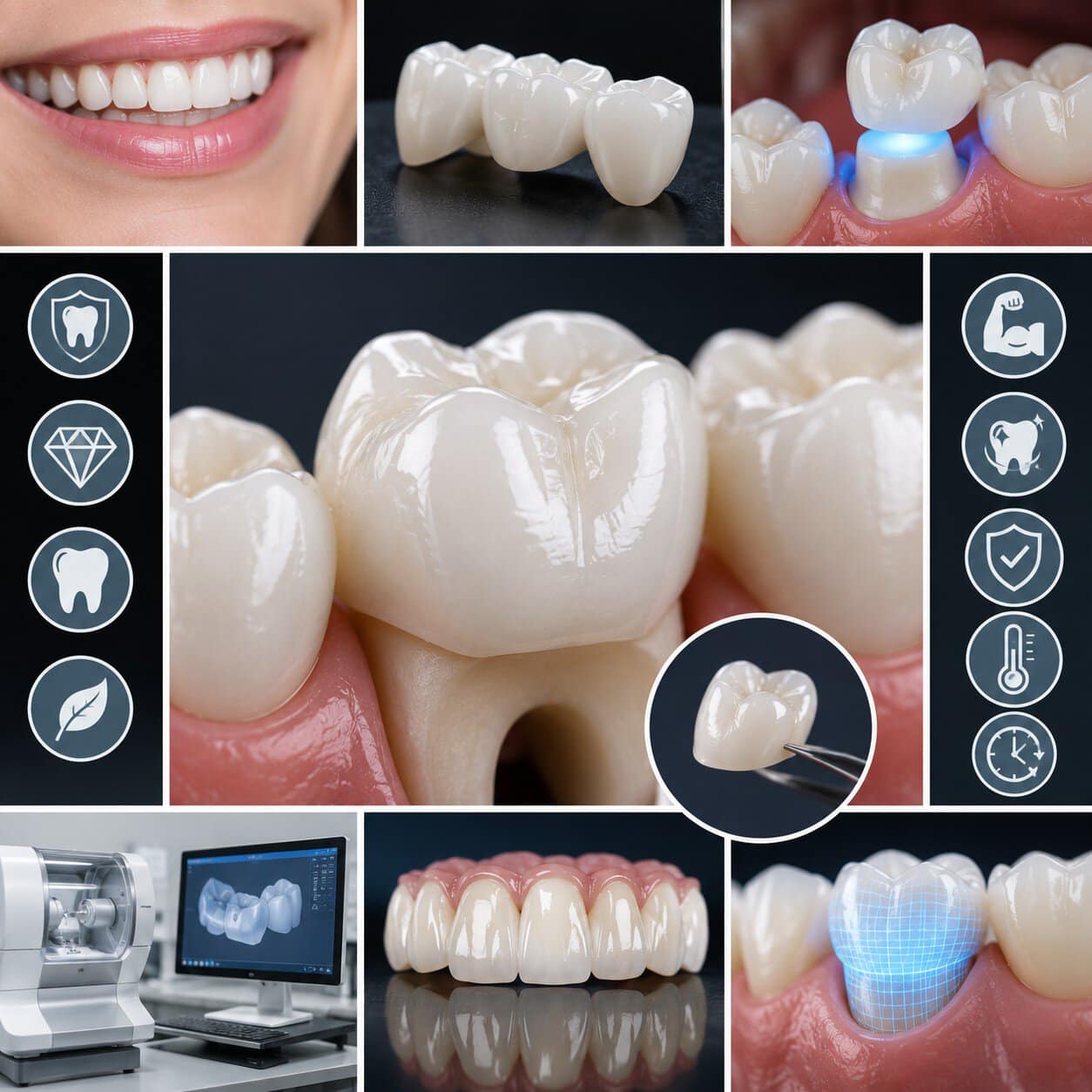
In dentistry, zirconia is fabricated using CAD/CAM (computer-aided design and manufacturing) technology: the crown is digitally designed to match the patient's tooth shape, occlusion, and surrounding anatomy, then precision-milled from a solid block of zirconia. The result is a restoration that is simultaneously stronger than most natural tooth enamel, highly biocompatible, and optically capable of mimicking the translucency of natural teeth.
This combination of properties, strength, aesthetics, and biological compatibility, is what makes zirconium difficult to match with any other single material.
Benefit 1: Exceptional Strength and Fracture Resistance
Zirconia is one of the hardest ceramic materials available in clinical dentistry. It withstands bite forces that would fracture conventional all-ceramic crowns, and resists chipping that commonly affects porcelain-fused-to-metal (PFM) restorations over time.
This matters most in the posterior teeth, molars and premolars, where bite forces can reach 400–800 newtons during normal chewing. Zirconium crowns placed on molars handle these loads routinely without fracture, a performance level that full-ceramic crowns of earlier generations could not reliably achieve.
The clinical implication: a zirconium crown on a molar is not a compromise between strength and aesthetics. It delivers both without trade-off.
/ Natural Aesthetics and Biocompatibility
Benefit 2: Natural Aesthetics, Especially with Monolithic Zirconia
Earlier generations of zirconium crowns used an opaque zirconia substructure layered with porcelain for aesthetics. While durable, this design still carried a risk of porcelain chipping over time.
Modern monolithic zirconia, a single solid block of high-translucency zirconia without a separate porcelain layer, has changed this entirely. High-translucency zirconia transmits light in a way that closely resembles natural enamel, which is what changed its use on front teeth. How close the finished crown looks to its neighbours in colour and depth is decided case by case, at the try-in, and depends on the grade chosen, the shade record and the ceramist.
For anterior restorations, where light interaction and natural appearance are most critical, high-translucency monolithic zirconia or layered zirconia crowns now achieve results that rival or equal those of Emax all-ceramic restorations, with greater structural reliability.
Mosdent's cosmetic dentistry team selects the specific zirconia formulation, standard, high-translucency, or layered, based on the position of the tooth, the aesthetic requirements, and the occlusal demands of each individual case.
Benefit 3: High Biocompatibility, No Metal, Low Risk of Reactions
Traditional porcelain-fused-to-metal crowns contain a metal alloy substructure, often including nickel, chromium, or cobalt. In some patients, these metals trigger sensitivity reactions or low-grade gum inflammation over time. The dark metal margin at the gumline, which becomes visible as gum tissue recedes with age, is another well-documented aesthetic drawback of PFM crowns.
Zirconium is entirely metal-free. It has an established record of full biocompatibility, no allergic reactions, no tissue irritation, and no galvanic effects from metal-to-metal contact in the mouth.
For patients with known metal sensitivities, systemic inflammatory conditions, or simply a preference for metal-free restorations, zirconium removes a category of concern entirely.
This biocompatibility also extends to the surrounding gum tissue. Gum health around well-fitted zirconium crowns is consistently better than around PFM restorations in long-term follow-up studies, partly because of material compatibility and partly because the precise fit of CAD/CAM-milled margins reduces the micro-gaps where bacteria accumulate.
/ Longevity and Gumline Aesthetics
Benefit 4: Longevity, Measured Over Five Years
In a prospective cohort, 158 zirconia single crowns were evaluated over a mean 5.8 years, with five-year failure-free survival of 93.1% for monolithic and 96.2% for partially veneered designs (PubMed 34556602).
By comparison, PFM crowns, the previous standard, show a higher incidence of porcelain chipping (approximately 3–5% per year) that accumulates into clinically significant failure rates over the same period. All-ceramic crowns of earlier formulations had comparable aesthetics but lower fracture resistance in posterior positions.
Beyond that window the published data thin out, so how long a well-placed crown serves depends on the prepared tooth, the gum at the margin, oral hygiene and grinding control.
The longevity of any crown is also influenced by what surrounds it. Mosdent's periodontology team assesses gum health before crown placement, ensuring the tissue environment supports the long-term stability of the restoration.
Benefit 5: No Dark Margins at the Gumline
One of the most common complaints about older crown restorations, particularly PFM crowns, is the appearance of a dark line at the gumline as gum tissue recedes naturally over the years. This line is the metal substructure becoming visible. It is aesthetically problematic, especially on visible front teeth, and cannot be corrected without replacing the entire crown.
Zirconium crowns have no metal substructure. The material is uniformly white throughout. Even as gum tissue changes with age, there is no underlying darkness to emerge, the margin remains aesthetically clean indefinitely.
This benefit is particularly significant for patients undergoing full smile makeovers or Hollywood smile design, where every restoration must maintain its appearance over a long time horizon.
/ Comfort, Compatibility and CAD/CAM Precision
Zirconium crowns also affect sensitivity, medical imaging compatibility, and manufacturing precision.
Benefit 6: Thermal Insulation, Less Sensitivity
Metal conducts temperature. PFM crowns, with their metal cores, can transmit hot and cold sensations to the tooth structure beneath, contributing to post-crown sensitivity that some patients experience as uncomfortable.
Zirconia, as a ceramic material, is a thermal insulator . It does not conduct temperature efficiently, which means the tooth beneath a zirconium crown is better protected from thermal stimuli. Patients with pre-existing dentinal sensitivity often report a more comfortable post-restoration experience with zirconium compared to metal-containing alternatives.
Benefit 7: MRI and Airport Compatibility, No Metal Interference
Zirconium dioxide contains no ferromagnetic metals. This means zirconium crowns are fully compatible with MRI scanning, an important practical consideration for patients who require periodic imaging for medical reasons. Metal-containing dental restorations can create artefacts in MRI images that complicate diagnostic interpretation.
Additionally, zirconium crowns will not trigger metal detectors at airports or other security environments, a minor but genuine convenience for frequent travellers.
Benefit 8: Precision Fit via CAD/CAM Manufacturing
Every zirconium crown at Mosdent is designed and fabricated using digital CAD/CAM technology. The tooth is digitally scanned, the crown is designed in three dimensions on-screen, and the final restoration is milled from a solid zirconia block to tolerances measured in microns.
This manufacturing precision produces a marginal fit, the seal between crown and tooth at the preparation margin, that is significantly tighter than what was achievable with traditional hand-fabricated porcelain crowns. Tighter margins mean fewer bacterial entry points, better long-term gum health around the crown, and reduced risk of secondary decay forming beneath the restoration.
For patients whose treatment plan includes multiple crowns, as in a full smile makeover or implant-supported restoration, CAD/CAM also ensures precise consistency across every unit.
/ Clinical Applications and Material Comparison
Zirconium crowns are used across many clinical applications and compared with other crown materials.
Benefit 9: Versatility Across Many Clinical Applications
Few dental materials perform well across the full range of clinical applications. Zirconium is one of them.
Single tooth crowns: Both anterior and posterior, from central incisors to second molars.
Dental bridges: Zirconia's strength makes it suitable for multi-unit bridges spanning multiple missing teeth, an application where weaker all-ceramic materials are contraindicated.
Implant crowns: Zirconium crowns are the preferred restoration for dental implants, All-on-4, and All-on-6 restorations due to their strength, biocompatibility, and aesthetic quality.
Smile design restorations: In Hollywood smile cases where full-coverage crowns are required, zirconium provides the most durable and aesthetically consistent long-term result.
This versatility means that a patient undergoing a comprehensive treatment plan, combining implants, bridges, and aesthetic anterior restorations, can receive a unified zirconia-based restoration throughout, ensuring consistent appearance, material behaviour, and maintenance requirements.
Zirconium vs Other Crown Materials: A Direct Comparison
| Property | Zirconium | PFM (Metal-Ceramic) | Emax (All-Ceramic) | Composite |
|---|---|---|---|---|
| Strength | ★★★★★ | ★★★★☆ | ★★★☆☆ | ★★☆☆☆ |
| Aesthetics | ★★★★★ | ★★★☆☆ | ★★★★★ | ★★★☆☆ |
| Biocompatibility | ★★★★★ | ★★★☆☆ | ★★★★★ | ★★★★☆ |
| Longevity | ★★★★★ | ★★★★☆ | ★★★★☆ | ★★★☆☆ |
| No dark margins | ✓ | ✗ | ✓ | ✓ |
| MRI compatible | ✓ | ✗ | ✓ | ✓ |
| Posterior suitability | ★★★★★ | ★★★★☆ | ★★★☆☆ | ★★☆☆☆ |
| Anterior aesthetics | ★★★★★ | ★★★☆☆ | ★★★★★ | ★★★☆☆ |
The one area where Emax ceramic is sometimes preferred over zirconium is in highly demanding anterior aesthetic cases where the maximum optical translucency of glass-ceramic offers a marginal visual advantage. For these specific cases, Mosdent's cosmetic team may recommend Emax over zirconium, or a combination of both in different positions. The material selection is always case-specific, never default.
/ Candidate Suitability and Treatment Process at Mosdent
Who Is an Ideal Candidate for Zirconium Crowns?
Zirconium crowns are appropriate for a very wide range of patients, but they are particularly well suited to:
- Patients replacing old PFM crowns with visible dark margins or chipped porcelain
- Patients with metal sensitivities or who prefer fully metal-free restorations
- Patients undergoing implant-supported restorations
- Patients requiring posterior crowns where bite force is high
- Patients planning comprehensive smile makeovers where durability over the long term is a priority
- Patients with active lifestyles, grinding habits (bruxism), or high physical demands on their dentition
For patients with bruxism, a night guard alongside zirconium crowns is typically recommended, not because zirconia is fragile, but because protecting any restoration from excessive nocturnal loading extends its lifespan.
The Treatment Process at Mosdent
Here is what the zirconium crown journey looks like at Mosdent Dental Hospital :
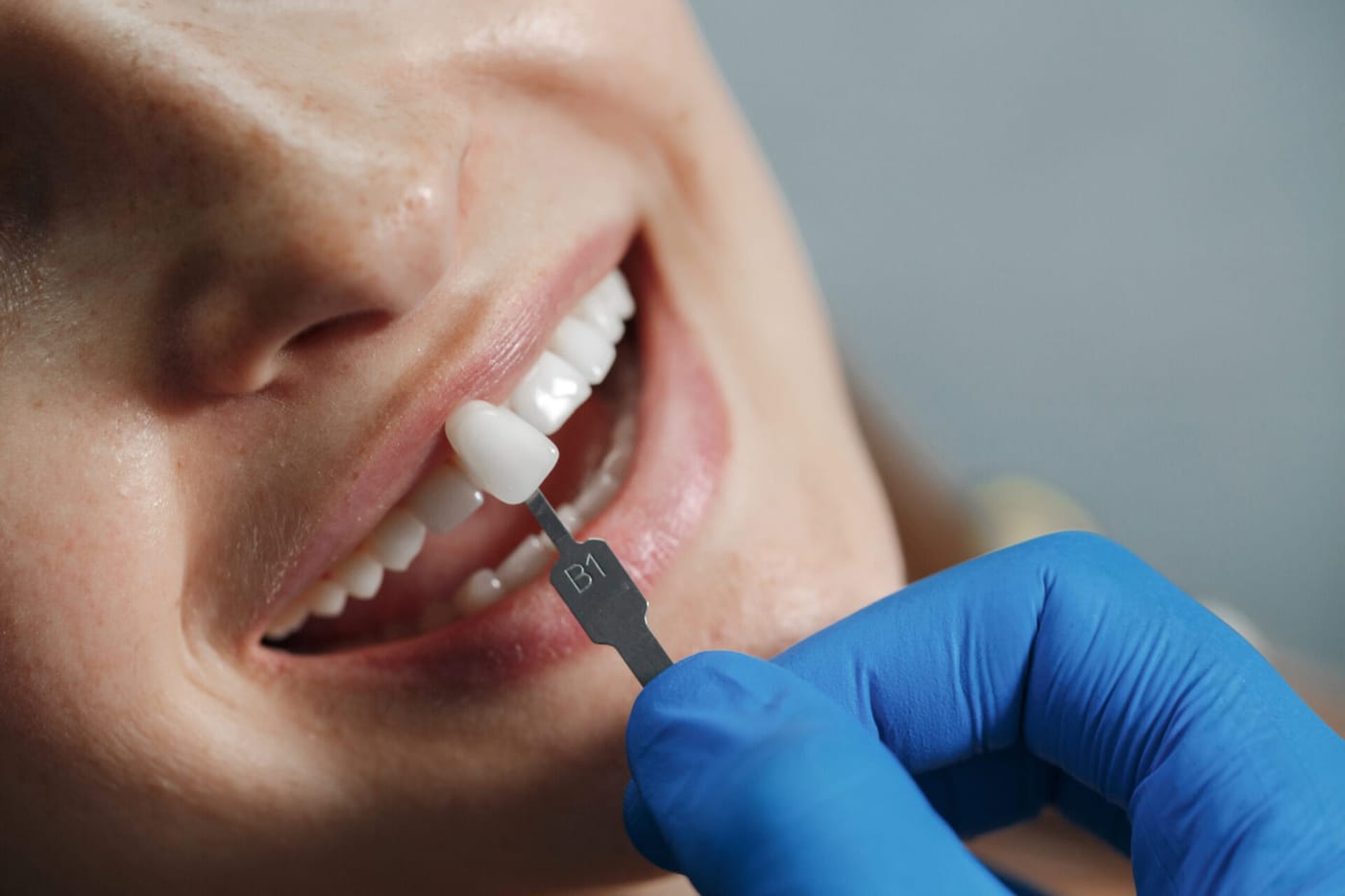
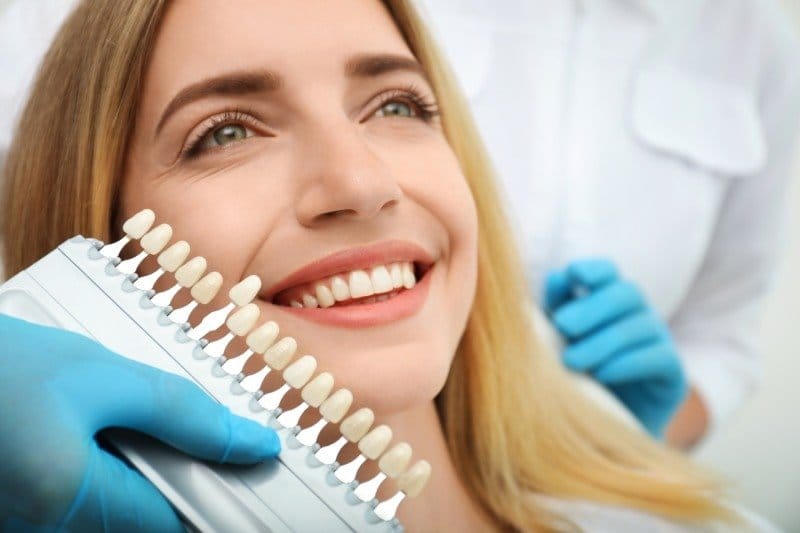
Step 1, Assessment and planning Clinical examination, photographs, and digital scans assess the teeth requiring crowns. Shade selection is performed in natural lighting to ensure the chosen colour integrates naturally with surrounding teeth.
Step 2, Tooth preparation The tooth is conservatively reduced to create space for the crown. A local anaesthetic ensures complete comfort throughout. A temporary crown protects the prepared tooth while the final restoration is fabricated.
Step 3, Digital design and milling The crown is digitally designed using CAD software, then milled from a precision zirconia block. Colouring and surface characterisation replicate the natural gradients of real tooth structure.
Step 4, Fitting and bonding The crown is tried in for fit, aesthetics, and occlusal harmony before final cementation. Adjustments are made chairside. The crown is permanently bonded using dental adhesive cement.
Step 5, Review A follow-up appointment confirms gum health, occlusal comfort, and aesthetic satisfaction.
For patients travelling from abroad, Mosdent schedules the preparation and fitting appointments within a single visit window wherever possible.
/ Frequently Asked Questions
How long do zirconium crowns last? Published follow-up gives five-year figures, not a lifespan: 158 zirconia crowns followed for a mean 5.8 years showed failure-free survival of 93.1% monolithic and 96.2% partially veneered (PubMed 34556602).
Are zirconium crowns painful to get? The preparation and fitting process is performed under local anaesthesia, no pain is felt during the procedure. Some patients experience mild sensitivity on the prepared tooth between preparation and final fitting; this resolves once the permanent crown is cemented.
Can zirconium crowns be whitened? No. Zirconium, like all ceramic restorations, does not respond to whitening agents. If you are considering teeth whitening, it should be completed before crown shade selection so the crown can be matched to your desired whitened shade.
Do zirconium crowns look natural? With modern high-translucency formulations they can sit convincingly next to natural teeth, which the older opaque grades could not. How convincing the result is depends on the specific zirconia type selected, on the shade record taken at preparation and on the skill of the ceramist, and it is judged at the try-in appointment.
Are zirconium crowns suitable for front teeth? Yes. High-translucency zirconium crowns on anterior teeth achieve exceptional aesthetics. For the very highest aesthetic demands on front teeth, your dentist may also discuss Emax ceramic veneers or laminate veneers as alternatives depending on your specific situation.
The Bottom Line: Why Zirconium Has Become the Clinical Standard
No dental material is perfect for every situation. But zirconium comes closer than any other currently available option to being universally appropriate, combining strength that rivals metal, aesthetics that rival glass-ceramic, and biological compatibility that no metal-containing material can match.
Whether you need a single crown on a molar, a front tooth restoration, a bridge, or a complete full-arch implant reconstruction, zirconium is a strong candidate functionally and aesthetically, with its best-documented results covering the first five years.
If you are considering zirconium dental crowns in Istanbul, explore Mosdent's full aesthetic dentistry services or contact our team to discuss your specific case. We will help you choose the right material, the right shade, and the right treatment plan for the result you want.
Let’s plan the right treatment together.
Free Assessment→- 1.Shihabi S, Chrcanovic BR. Clinical outcomes of tooth-supported monolithic zirconia vs. porcelain-veneered zirconia fixed dental prosthesis, with an additional focus on the cement type: a systematic review and meta-analysis. Clin Oral Investig 2023;27:5755-5769. PubMed 37626273
- 2.Waldecker M, Behnisch R, Rammelsberg P, Bömicke W. Five-year clinical performance of monolithic and partially veneered zirconia single crowns-a prospective observational study. J Prosthodont Res 2022;66:339-345. PubMed 34556602