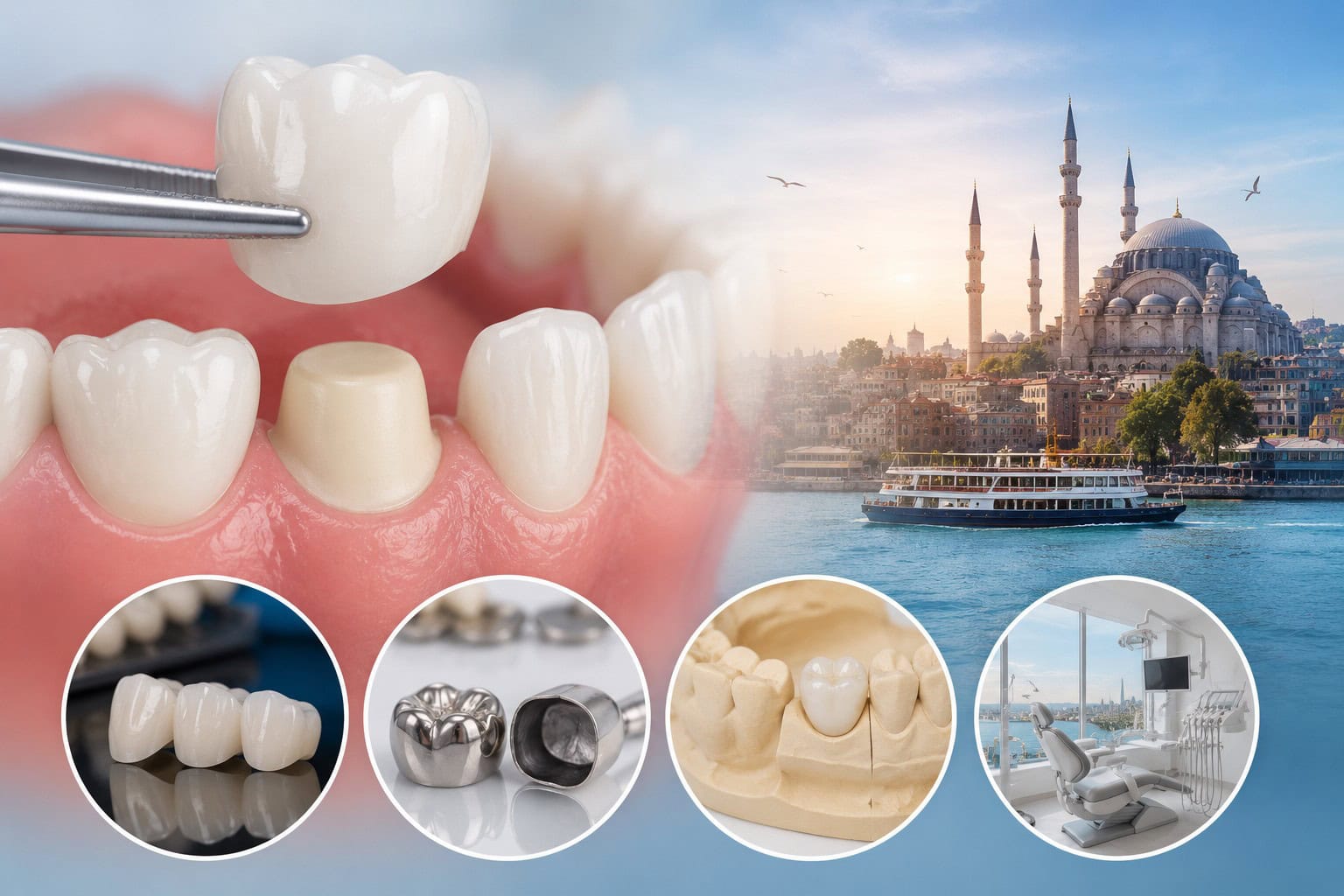
A dental crown is a full-coverage restoration that caps the whole tooth to rebuild its shape and strength, unlike a veneer that covers only the front surface. Material choice drives the result: in a meta-analysis of 64 studies covering 3,509 metal-ceramic and 8,051 all-ceramic tooth-supported single crowns, five-year survival was 98.5% for monolithic lithium disilicate, 97.3% for veneered zirconia, 97.1% for metal-ceramic and 96.8% for monolithic zirconia (PubMed 41489982). Istanbul clinics work with the same certified ceramics and CAD/CAM milling used elsewhere, and a single-crown or limited-tooth case is usually completed within a five to seven day visit.
- 01A crown wraps the tooth in its entirety while a veneer covers only the facial surface, which is why crowns are the option when structure, not just colour, is compromised.
- 02Five-year survival of tooth-supported single crowns is close across modern materials: 98.5% monolithic lithium disilicate, 97.1% metal-ceramic, 96.8% monolithic zirconia, against 90.4% for feldspathic ceramic (PubMed 41489982).
- 03Monolithic designs showed significantly fewer ceramic fractures and chipping than veneered alternatives in the same 64-study analysis (PubMed 41489982).
- 04Over ten years the gap widens: in 255 posterior crowns in 235 patients, cumulative survival was 86.0% for monolithic zirconia and 71.0% for porcelain-fused zirconia (PubMed 39984403).
- 05Molar position carries more risk than premolar (hazard ratio 6.012) and maxillary more than mandibular (hazard ratio 9.487) for crown complications (PubMed 39984403).
Patients from the UK, Germany, the Netherlands, the United States and across the Gulf region do travel to Istanbul for crown work. The materials themselves are not the variable: the zirconia blocks and lithium disilicate ingots are bought from the same international manufacturers used in Western Europe and North America, and the quote should name which one is being used for your case.
At Mosdent in Istanbul, a single crown runs from €170 to €310 per tooth, and what moves it is the material: monolithic zirconia sits at the lower end, lithium disilicate (E-max) at the upper. That is a starting price, not a quote: the figure that applies to you is written down after a free examination.
If you are researching dental crowns in Istanbul for the first time, this guide walks through everything that actually matters: what a crown is for, which materials are used, what the process looks like, and how to evaluate whether a clinic is the right choice for your treatment.
/ What Is a Dental Crown, and Do You Actually Need One?
A dental crown is a full-coverage restoration that caps an entire tooth, restoring its shape, strength, and appearance. Unlike veneers, which cover only the front surface of a tooth, a crown wraps around the tooth in its entirety making it the appropriate solution when structural integrity, not just appearance, is the primary concern.
Crowns are typically recommended when:
- A tooth has undergone root canal treatment and needs structural reinforcement
- A tooth has a large filling, fracture, or significant decay that compromises its strength
- A tooth is severely discoloured at the dentin level, beyond what whitening can correct
- A dental implant requires a restoration on top
- Two healthy teeth are being used to support a fixed bridge across a gap
- A tooth has worn down significantly due to grinding (bruxism) or age
If your primary concern is purely cosmetic colour, minor shape irregularities, or small gaps, on otherwise healthy teeth, veneers may be a more conservative option. A proper clinical assessment will determine which restoration is right for your specific tooth.
/ Dental Crown Materials: What's Available in Istanbul Clinics
The single most important decision in your crown treatment is material selection. The full range of modern crown materials used internationally is available at Mosdent Dental Hospital in Istanbul.
Zirconium Crowns
Zirconium dental crowns have become the global standard in restorative and cosmetic dentistry, and Istanbul clinics are no exception. Zirconia is a metal-free ceramic with exceptional fracture resistance, full biocompatibility, and, in modern high-translucency formulations, aesthetics that closely match natural enamel.
Why patients choose zirconium:
- Five-year survival for modern tooth-supported single crowns runs between 96.8% and 98.5% depending on material (PubMed 41489982); at ten years, 255 posterior crowns recorded 86.0% survival for monolithic zirconia against 71.0% for porcelain-fused zirconia (PubMed 39984403)
- No metal substructure, so no dark line at the gumline over time
- Suitable for both anterior (front) and posterior (back) teeth
- Manufactured using precision CAD/CAM milling for exact fit
Porcelain Crowns
Traditional porcelain-fused-to-metal (PFM) crowns remain available, typically as a lower-cost alternative. They combine a metal substructure with a porcelain outer layer. While durable, they carry the risk of visible dark margins as gums recede with age, and porcelain chipping over time limitations that have driven the shift toward zirconium and all-ceramic alternatives in most modern treatment plans.
Emax Crowns
Emax crowns, made from lithium disilicate glass-ceramic, offer the highest level of optical translucency available in dental ceramics making them a frequent choice for the most aesthetically demanding anterior cases. Emax is highly regarded but generally reserved for front teeth, as it doesn't match zirconium's strength in high-bite-force posterior positions.
Material Comparison at a Glance
| Material | Strength | Aesthetics | Best For | 5-Year Survival |
|---|---|---|---|---|
| Zirconium | Excellent | Excellent | Anterior + posterior, implants, bridges | 96.8% monolithic, 97.3% veneered (PubMed 41489982) |
| Porcelain (PFM) | Good | Moderate | Budget-conscious cases | 97.1% (PubMed 41489982) |
| Emax | Good | Outstanding | Front teeth, high aesthetic demand | 98.5% monolithic (PubMed 41489982) |
For most patients seeking a long-term, durable, and aesthetically reliable solution whether for a single tooth or a full smile makeover zirconium has become the most frequently recommended material at Mosdent.
/ How Much Do Dental Crowns Cost in Istanbul?
Cost is one of the primary reasons international patients choose Istanbul for crown treatment, and exact pricing depends on the number of teeth, the material selected and any additional procedures the case needs first. At Mosdent a monolithic zirconia crown starts from EUR 170, a chairside milled zirconia crown from EUR 210 and an E-max crown from EUR 310; fees in the UK, Germany and the United States sit above that, though by how much depends on the clinic rather than on the country.
Several factors influence your specific quote:
- Material choice: Zirconium and Emax typically cost more than traditional PFM crowns, reflecting their superior longevity and aesthetics.
- Number of teeth: Single-tooth crowns versus a full-arch smile makeover involving 10–20 crowns are priced very differently.
- Additional treatment needs: If gum disease treatment, root canal therapy, or supporting implants are required before crowns can be placed, this adds to the total treatment plan.
- Clinic standards: Clinics using digital CAD/CAM technology, in-house laboratories, and internationally certified materials may price differently from budget providers using offshore outsourced labs.
We recommend requesting a personalised quote based on photographs or a digital consultation rather than relying on generic published price ranges, since your specific dental condition significantly affects the final treatment plan and cost. Contact Mosdent for a free, no-obligation assessment.
/ The Dental Crown Treatment Process in Istanbul
Understanding the typical timeline helps international patients plan their trip effectively.
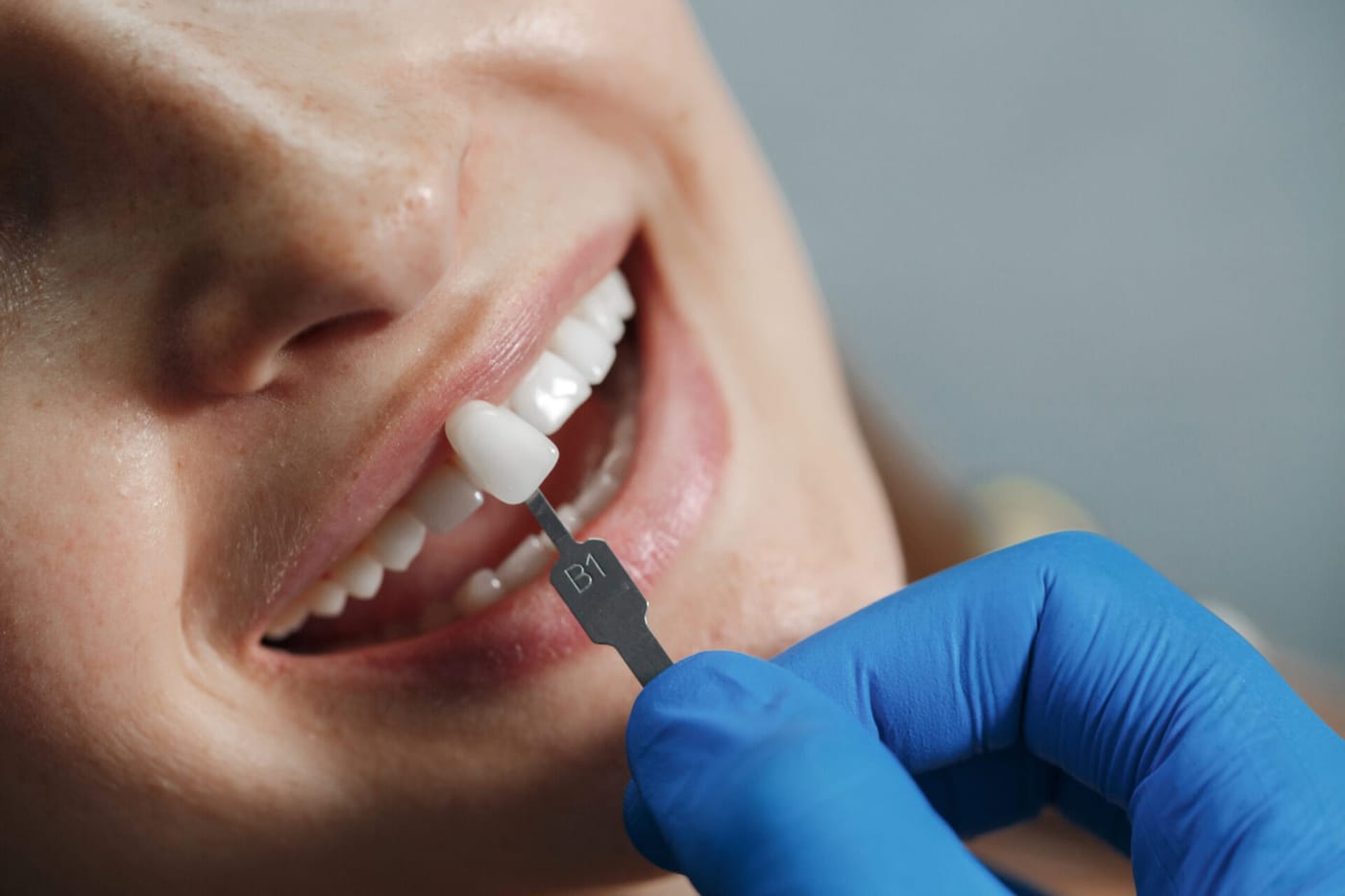
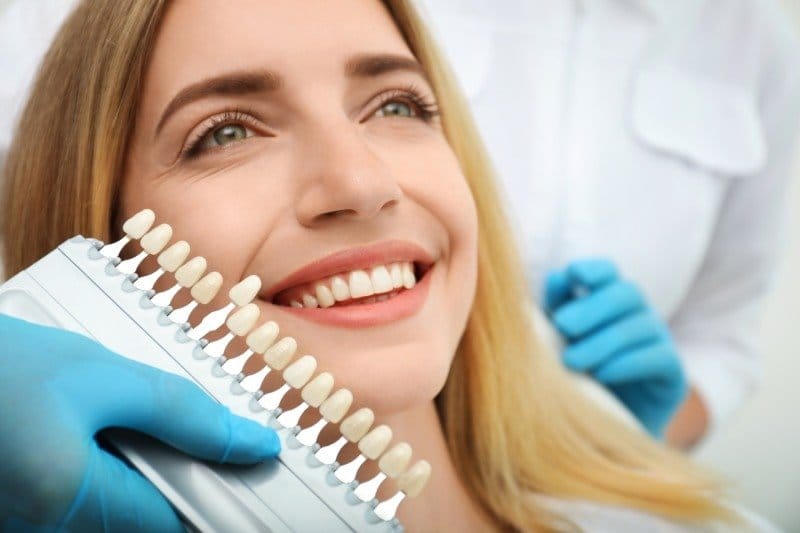
Day 1, Consultation and diagnosis Comprehensive examination, digital photographs, and X-rays or 3D imaging assess the tooth (or teeth) requiring crowns. Shade matching is conducted under natural lighting conditions.
Day 1–2, Tooth preparation Under local anaesthesia, the tooth is conservatively reshaped to accommodate the crown. Digital scanning captures the precise tooth geometry increasingly replacing traditional physical impressions for greater accuracy. A temporary crown protects the tooth while the permanent restoration is fabricated.
Day 3–5, Crown fabrication The permanent crown is designed using CAD software and milled from the selected material in Mosdent's digital laboratory. Colour and surface texture are finalised to integrate naturally with surrounding teeth.
Day 5–7, Fitting and cementation The crown is tried in for fit and aesthetic approval, adjusted as needed, and permanently bonded into place.
For most single-crown or limited-tooth cases, the entire process can be completed within a 5–7 day visit making it well suited to a planned trip to Istanbul. More extensive treatment plans involving implants or multiple procedures may require a longer stay or a return visit, which your treatment coordinator will outline in advance.
/ Gum Health and Larger Smile Planning Before Crowns
A frequently overlooked factor in crown success is the condition of the surrounding gum tissue. Crowns placed on unhealthy or inflamed gum tissue have a significantly higher risk of poor long-term fit, recession exposing the margin, and secondary decay beneath the restoration.
This is why a thorough periodontal evaluation should always precede crown treatment. At Mosdent, our periodontology team assesses gum health before any restorative procedure, and addresses active gum disease, including gum surgery where necessary, before crown preparation begins. Skipping this step is one of the most common reasons crown treatments fail prematurely, regardless of which clinic or country performs the procedure.
Crowns as Part of a Larger Smile Plan
Many patients researching crowns in Istanbul are actually exploring a broader cosmetic goal. Crowns frequently form part of:
- Smile makeover : A comprehensive plan combining crowns with veneers, whitening, and gum aesthetics for a coordinated result.
- Hollywood smile design : A full aesthetic transformation, where crowns are used on structurally compromised teeth while veneers handle purely cosmetic corrections on healthy teeth.
- Dental implant restoration : Every implant requires a crown placed on top to complete the restoration, zirconium is the standard choice for implant crowns due to its strength and biocompatibility.
- All-on-4 and All-on-6 full-arch restorations: The fixed prosthetic arches in these systems are typically fabricated from zirconium, combining the strength needed for full-mouth function with natural appearance.
If your treatment goals extend beyond a single tooth, a comprehensive consultation will map out exactly how crowns fit into your overall plan, alongside any other procedures required.
/ Choosing a Dental Crown Clinic in Istanbul and Aftercare Expectations
Istanbul has a large number of dental clinics catering to international patients, and quality varies significantly. Here is what to look for when evaluating your options:
In-house digital laboratory: Clinics with their own CAD/CAM milling and digital design capability, rather than outsourcing fabrication typically offer faster turnaround and tighter quality control.
Material transparency: A reputable clinic will clearly specify which zirconium, porcelain, or Emax brand and certification they use, rather than describing materials vaguely.
Comprehensive pre-treatment imaging: Look for clinics that perform digital X-rays or 3D CBCT scanning as standard, not as an optional extra.
Periodontal assessment as standard: As discussed above, gum health evaluation before crown placement is essential ask whether this is part of the standard treatment protocol.
Established clinical history: Clinics with a long-standing presence Mosdent has operated in Istanbul since 1992 typically have a more extensive case history and established international patient support infrastructure.
Multilingual patient coordination: For international patients, dedicated coordinators who manage communication, travel logistics, and follow-up care significantly smooth the treatment experience.
Aftercare and warranty policy: Understand what happens if an issue arises after you return home, does the clinic offer remote consultation, and what is their policy on warranty repairs or replacements?
What to Expect After Getting a Dental Crown
Crown placement is a well-established, low-risk procedure, but understanding the post-treatment period helps set realistic expectations.
First few days: Mild sensitivity to temperature is common as the tooth and surrounding tissue adjust. This typically resolves within a week.
First two weeks: Your bite will be checked and fine-tuned if needed. It is normal for a new crown to feel slightly different until you adapt to its exact shape and contact points.
Long term: With regular oral hygiene and professional checkups, modern tooth-supported single crowns showed five-year survival between 96.8% and 98.5% depending on material (PubMed 41489982). Avoid habitually chewing ice or very hard foods directly with crowned teeth, as this can chip or crack any ceramic restoration over time.
/ Frequently Asked Questions
Are dental crowns in Istanbul as good quality as in the UK or US?
Leading Istanbul clinics use the same internationally certified materials zirconium, Emax, porcelain and the same CAD/CAM digital technology found in top clinics worldwide. The key differentiator is choosing an established clinic with transparent material sourcing and proper clinical protocols, not the country itself.
How long does a dental crown trip to Istanbul take?
Most single or limited-tooth crown cases can be completed within 5–7 days. More extensive treatment plans involving implants or multiple procedures may require a longer stay.
What happens if something goes wrong with my crown after I return home?
Reputable clinics offer remote consultation support and a warranty policy covering material or fit issues within a defined period. Always clarify this policy before committing to treatment.
Can I get a crown and whitening done together?
Yes, but the order matters: teeth whitening should be completed before the crown's shade is selected, so the new crown matches your desired final tooth colour.
Do I need a healthy gum before getting a crown?
Yes. Active gum disease should be treated before crown placement to ensure a stable, long-lasting result. This is assessed as part of every comprehensive treatment plan at Mosdent.
Plan Your Dental Crown Treatment in Istanbul
Whether you need a single crown to restore a damaged tooth or several restorations planned together, the figure that decides the trip is the written quote rather than a headline comparison. At Mosdent a monolithic zirconia crown starts from EUR 170, a chairside milled zirconia crown from EUR 210 and an E-max crown from EUR 310, and what moves the figure is the material, the number of units and any root canal or post and core work the tooth needs first.
Mosdent Dental Hospital has been providing dental crown treatment to international patients since 1992, combining digital precision with a multilingual support team dedicated to making your treatment journey smooth from first enquiry to final fitting.
Explore our aesthetic dentistry services or contact us today for a free, personalised consultation and quote.
Let’s plan the right treatment together.
Free Assessment→- 1.Pjetursson BE, Pitta J, Balet A, Bjarnadottir GR, Sailer I, Romandini P. A Systematic Review and Meta-analysis Evaluating the Survival, Failure, and Complication Rates of Metal-Ceramic, Veneered, and Monolithic All-Ceramic Tooth-Supported Single Crowns-Part 1. Int J Prosthodont 2026;39:308-324. PubMed 41489982
- 2.Takaesu Y, Taniguchi Y, Kaga N, Yamaguchi Y, Kakura K, Suzuki N, et al. Long-term clinical outcomes of posterior monolithic and porcelain-fused zirconia crowns: A retrospective cohort study. J Prosthet Dent 2025;133:1475-1483. PubMed 39984403