Understanding a Dead Tooth: Causes, Symptoms, and Treatment Options
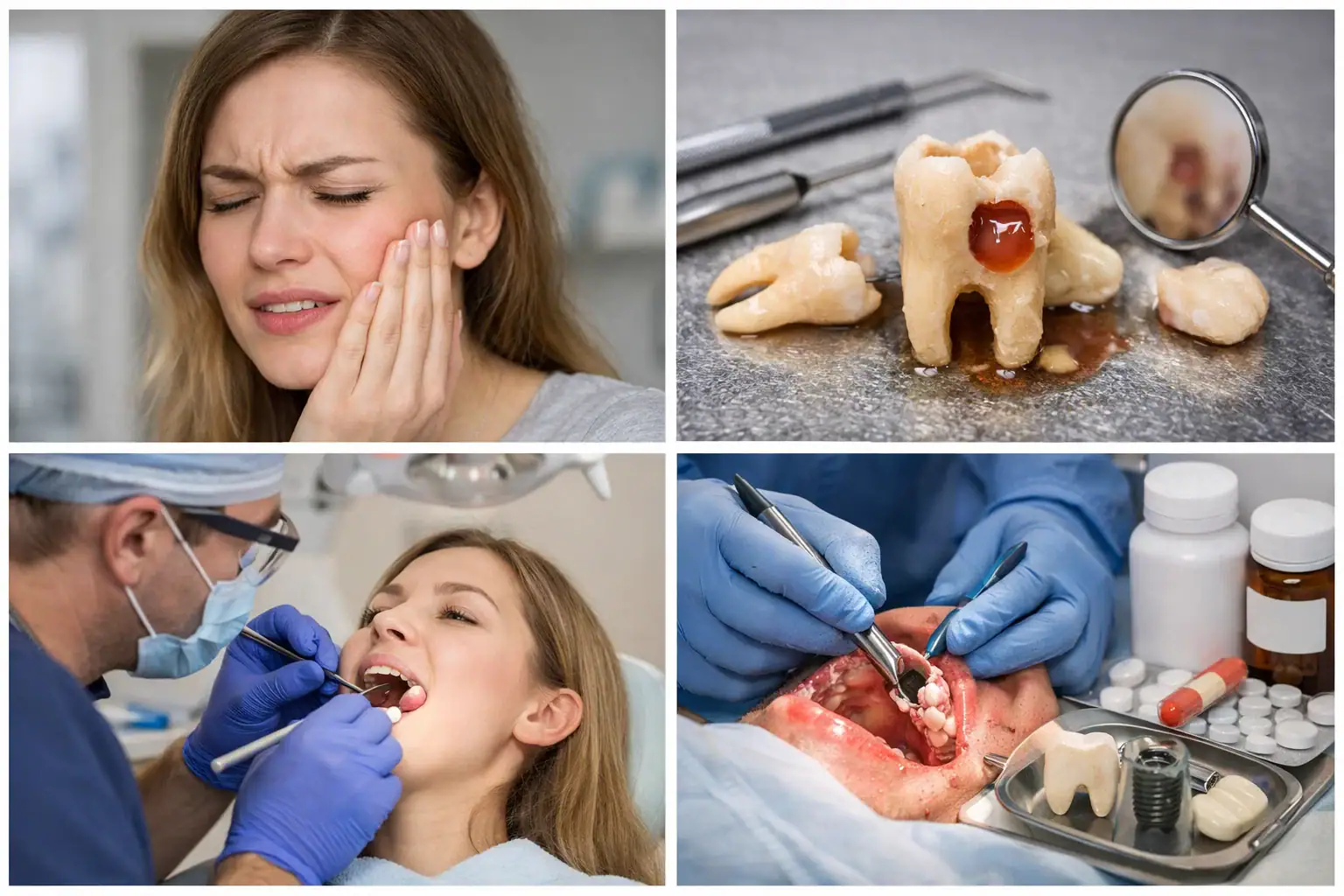
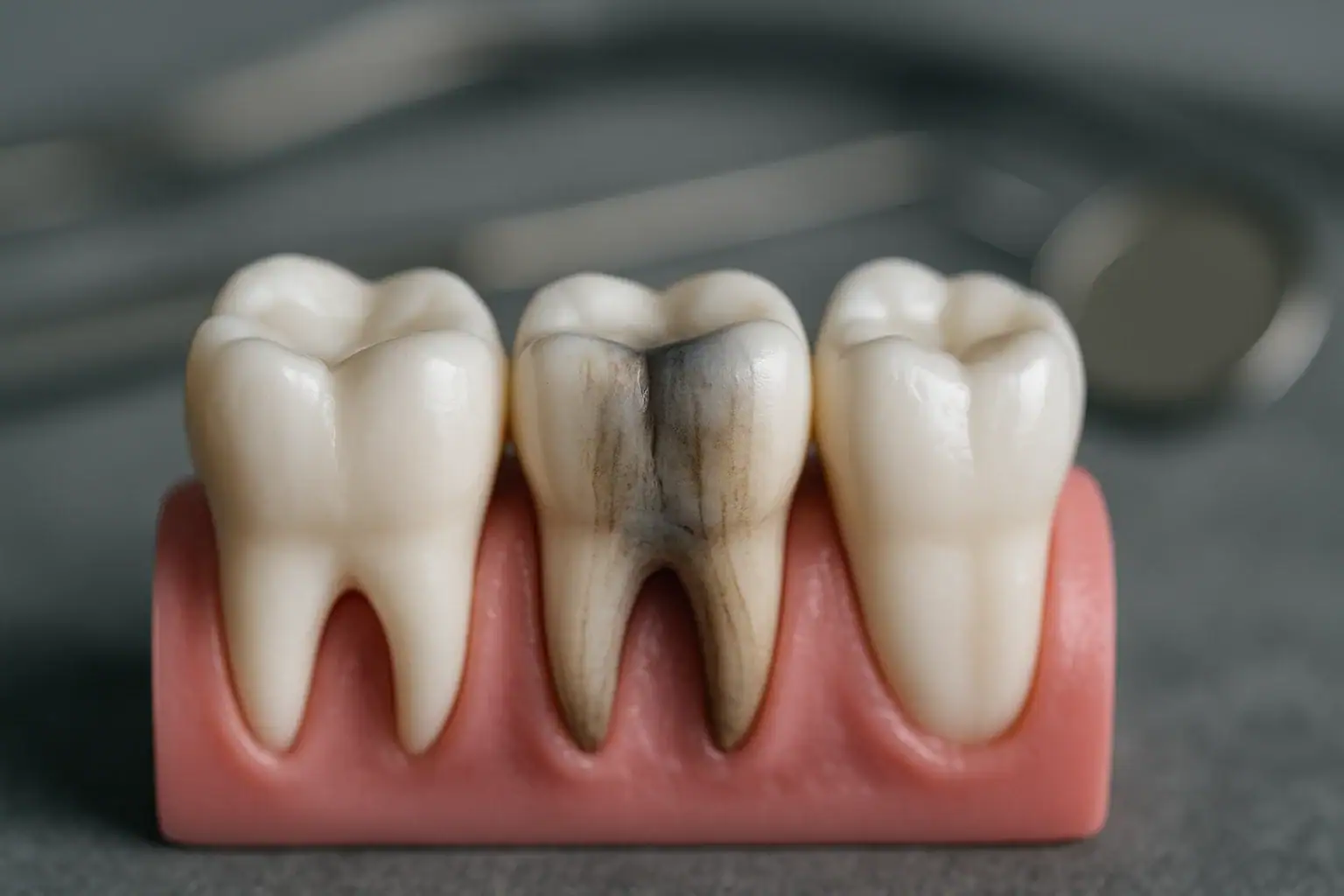
A dead tooth is not a lost tooth. Pooled data from 63 studies put primary root canal success at 68% to 85% under strict radiographic criteria.
Clinical experience, misunderstood concepts and frequently asked questions. Notes from many years of practice.

A dead tooth is not a lost tooth. Pooled data from 63 studies put primary root canal success at 68% to 85% under strict radiographic criteria.

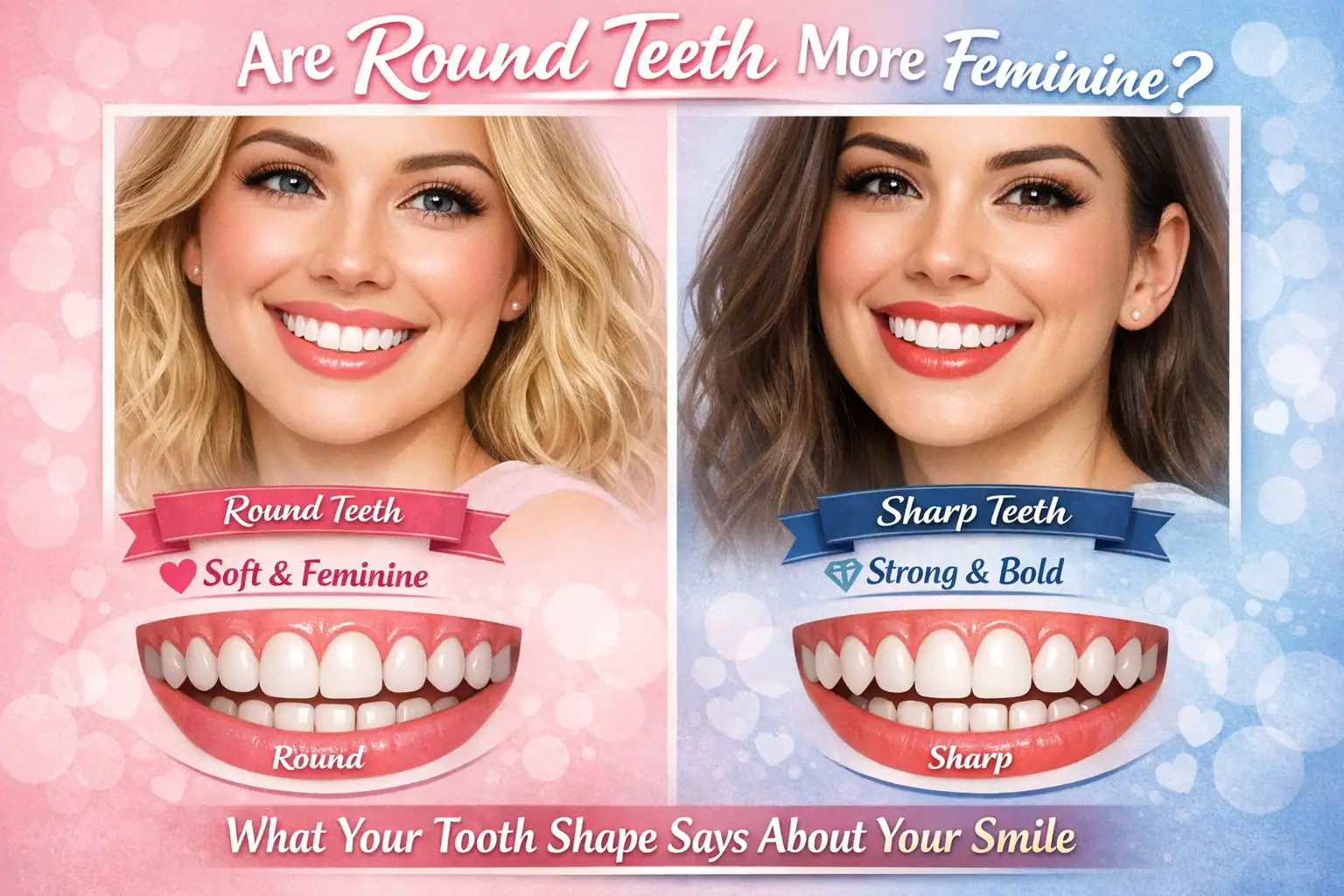
Rounded teeth do read as more feminine, but weakly: observers shown dentition photos identified sex correctly only 56.0% to 65.0% of the time.

A dental cyst grows quietly and is usually found on a routine radiograph. What causes one, how it is told apart from a granuloma, and how it is removed.

Over a median nine-year follow-up, a meta-analysis of 13 studies found debonding in 2 percent of veneers and fracture or chipping in 4 percent.

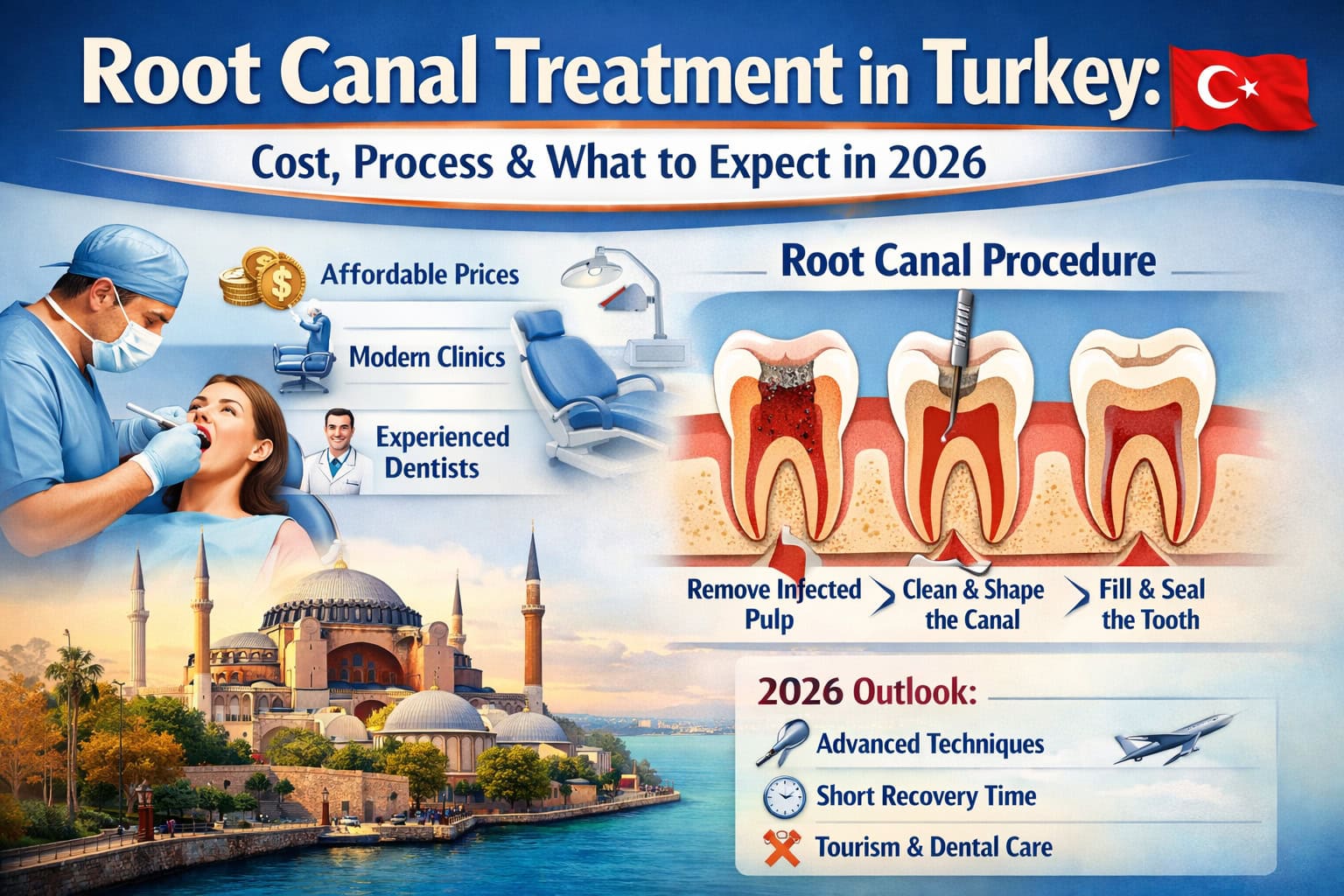
Root canal treatment removes infected pulp and seals the canals to save the tooth; in a 420-tooth cohort, 10-year survival was 81.5%, higher with a crown.

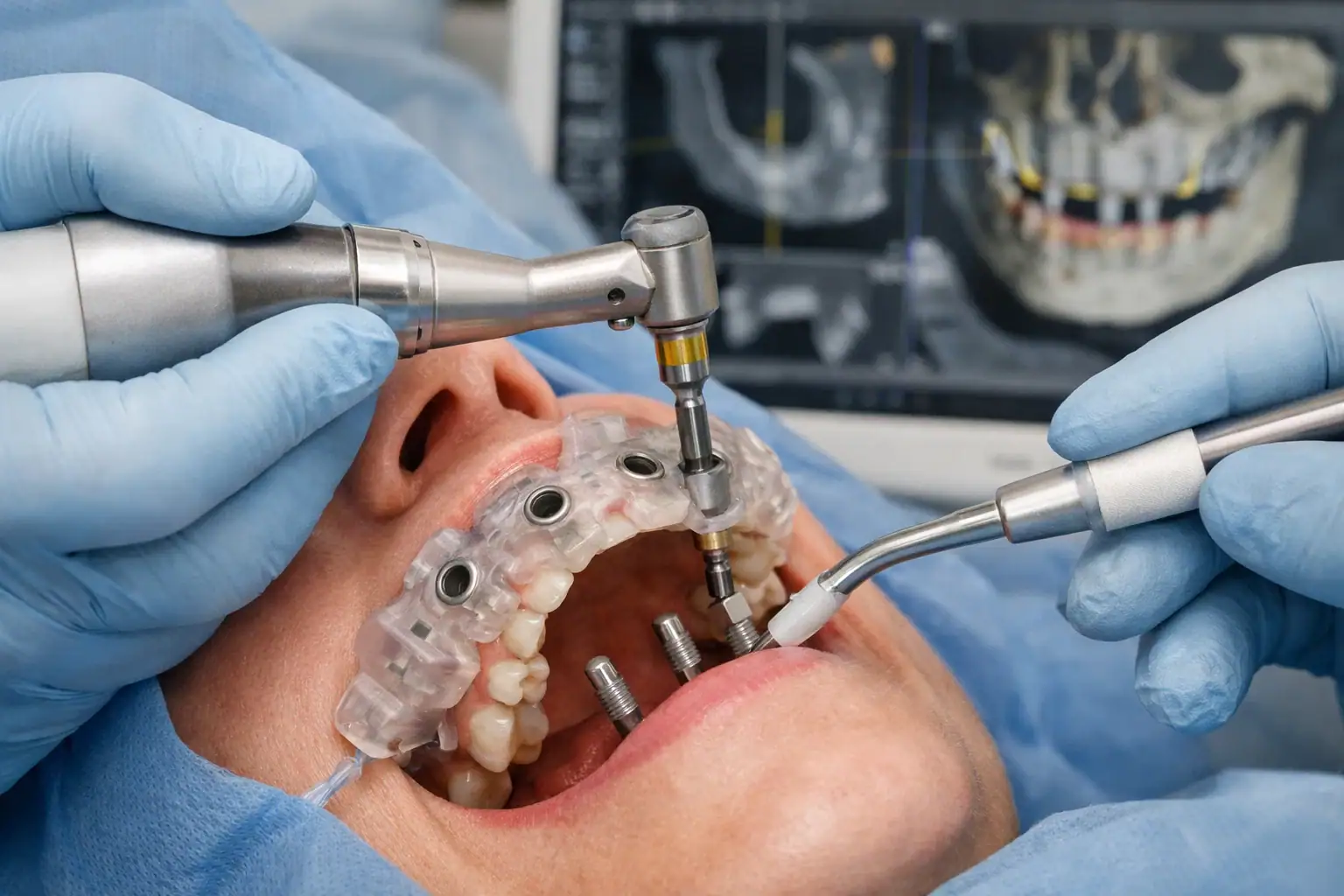
Guided surgery follows a plan built from the CT scan. A meta-analysis of 67 studies measured 1.11 mm deviation at the entry point and 1.40 mm at the apex.

Periodontitis is linked to cardiovascular disease, but modestly: across 30 cohort studies, people with gum disease had a relative risk of 1.20.

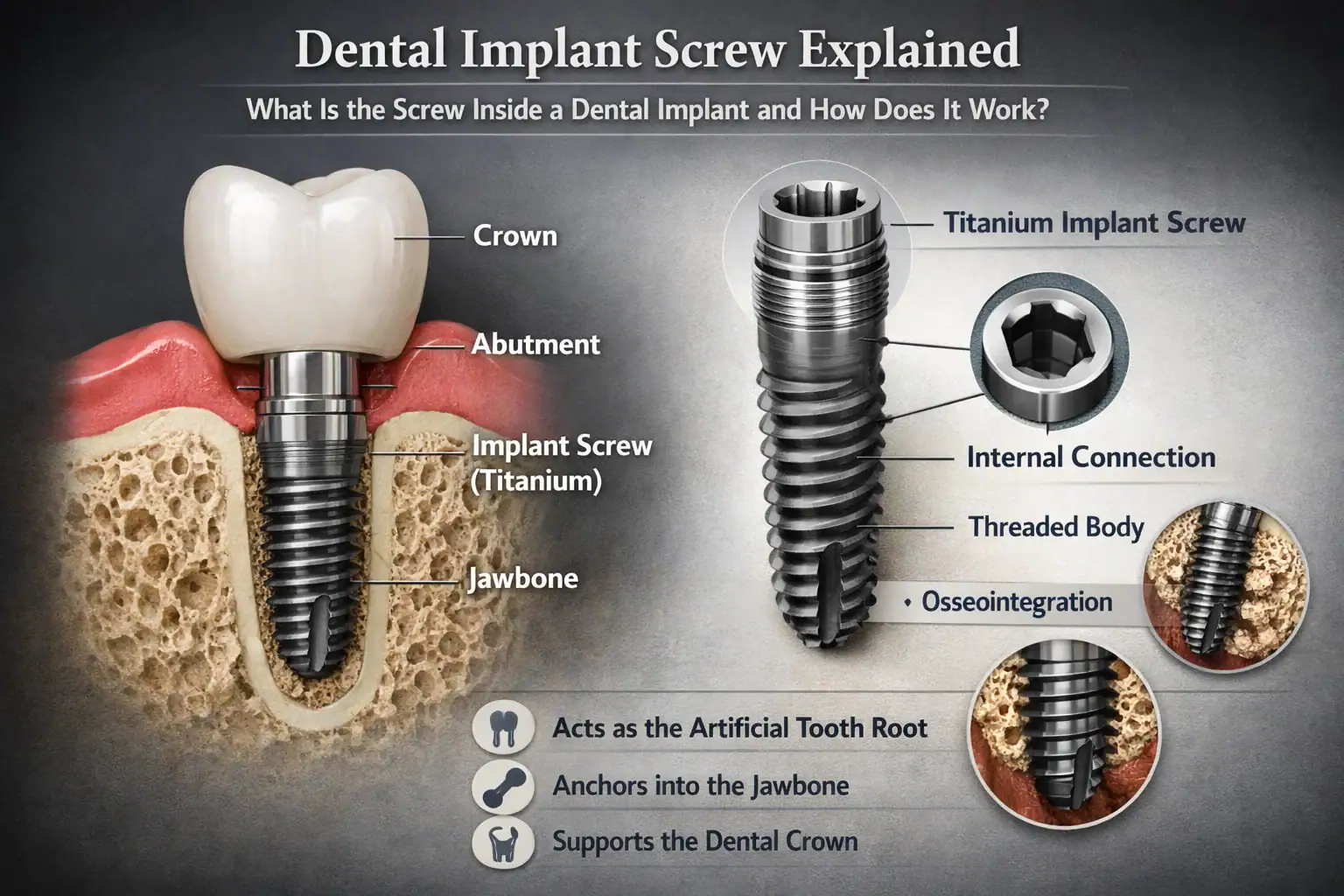
Screw loosening is the most common technical complication of implant single crowns, at 8.8% over five years. Here is what the abutment screw does.

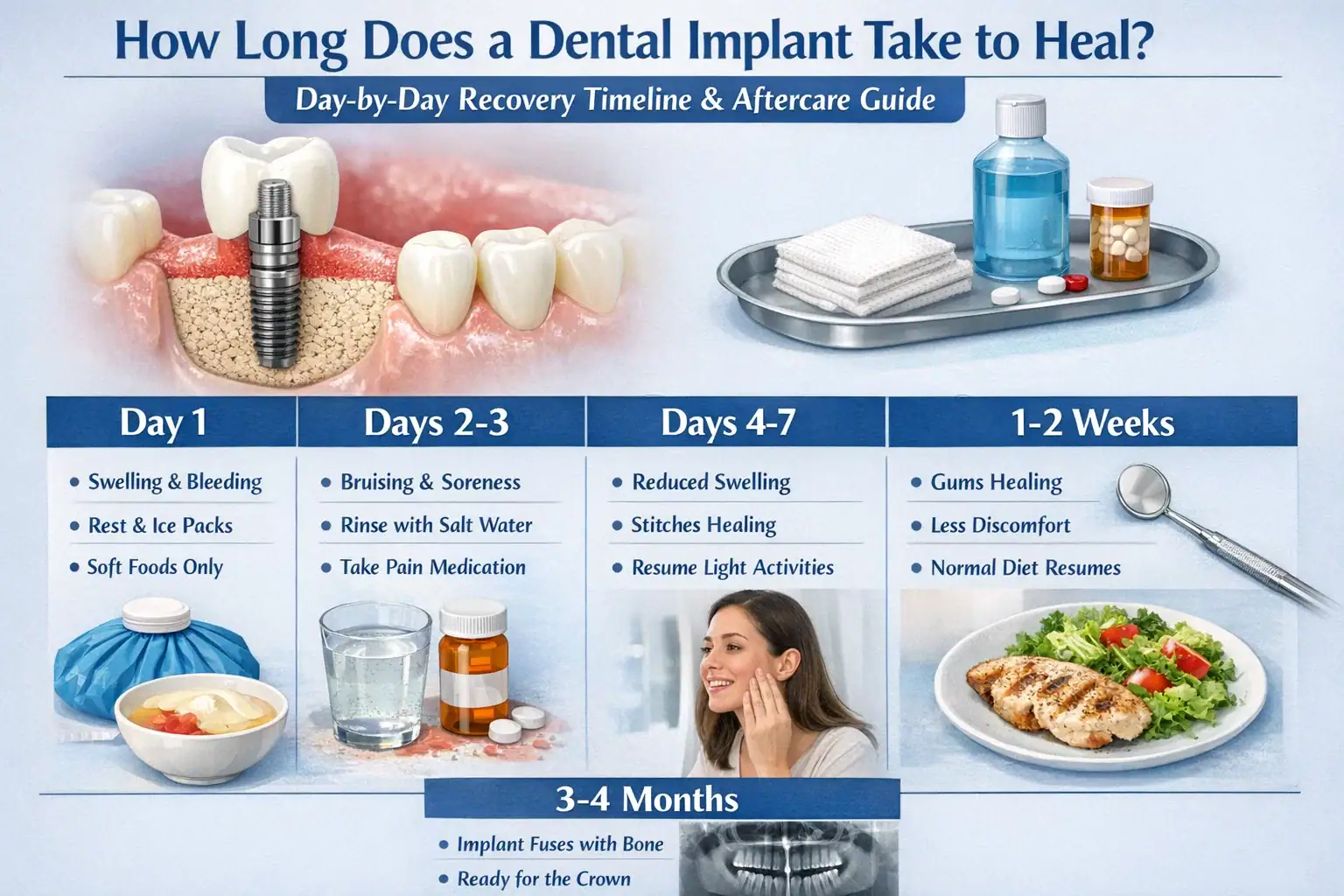
Healing after a dental implant runs in two phases: the gum closes in about one to two weeks, and the bone bonds to the implant over three to six months.