Gum Bleeding and Gum Recession: Causes, Treatments, and Can Receding Gums Grow Back?
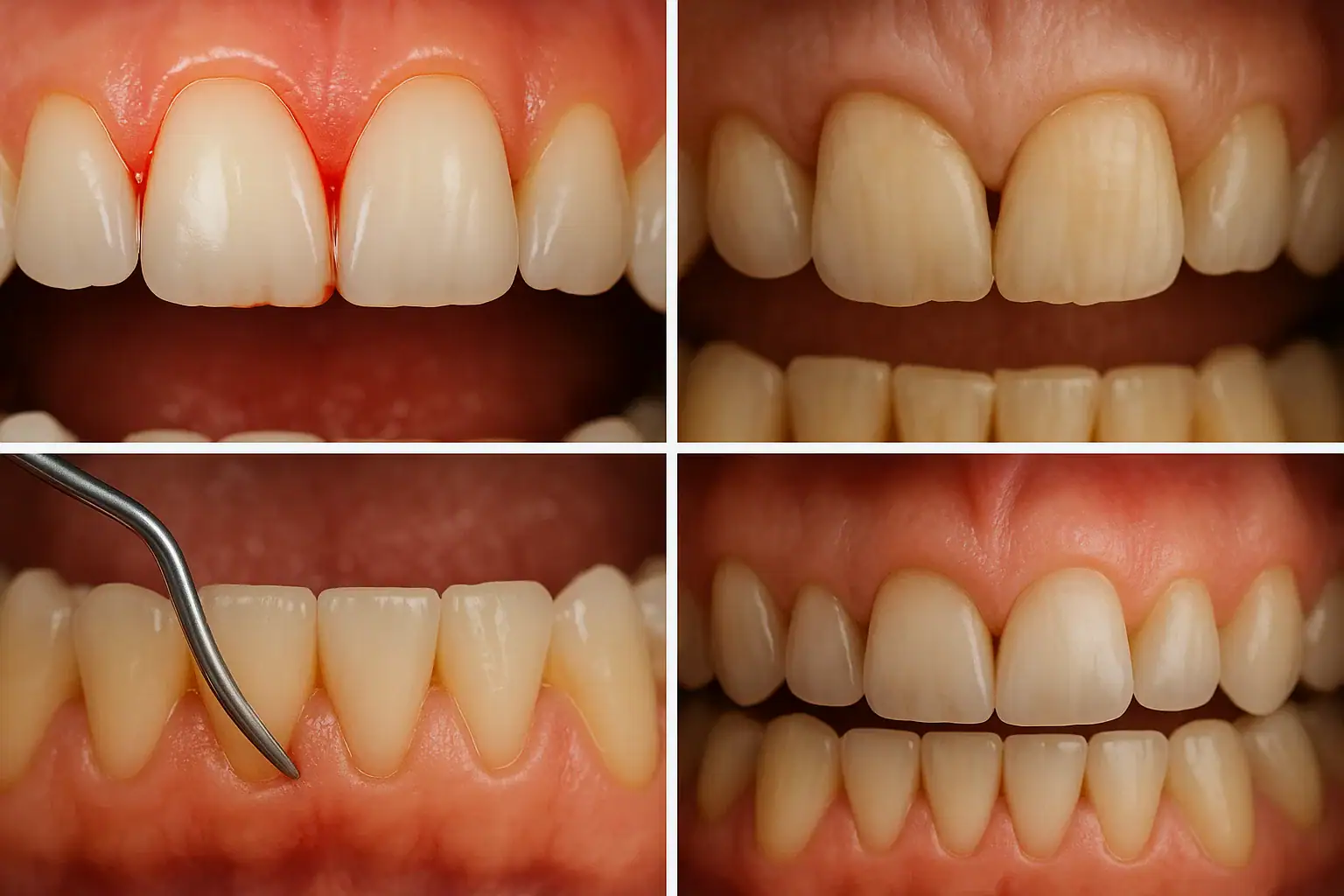
Gum recession affects about 50% of people aged 18 to 64 and 88% of those 65 and over. Bleeding can be reversed; receded gum does not grow back on its own.
Clinical experience, misunderstood concepts and frequently asked questions. Notes from many years of practice.

Gum recession affects about 50% of people aged 18 to 64 and 88% of those 65 and over. Bleeding can be reversed; receded gum does not grow back on its own.

A first consultation at Mosdent in Istanbul runs 45 to 60 minutes: an exam by the matching specialist, a panoramic X-ray and a written, itemised plan.

Teeth look right when five things line up: alignment without crowding or gaps, an even shade, symmetrical crown shape, a correct bite and healthy gums.

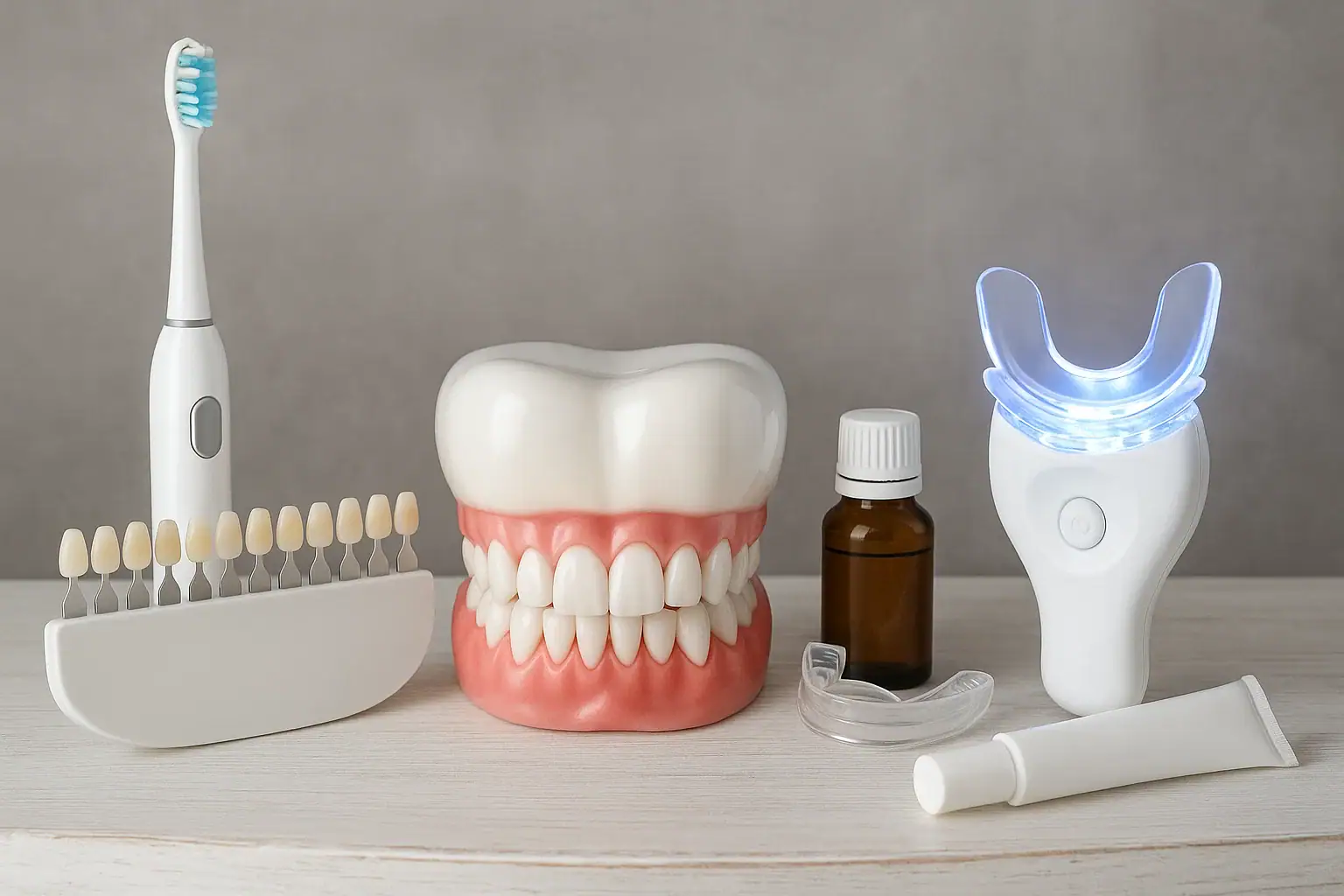
Professional whitening lightens tooth shade with hydrogen or carbamide peroxide. In a randomised trial of 30 patients it averaged three shade guide units.

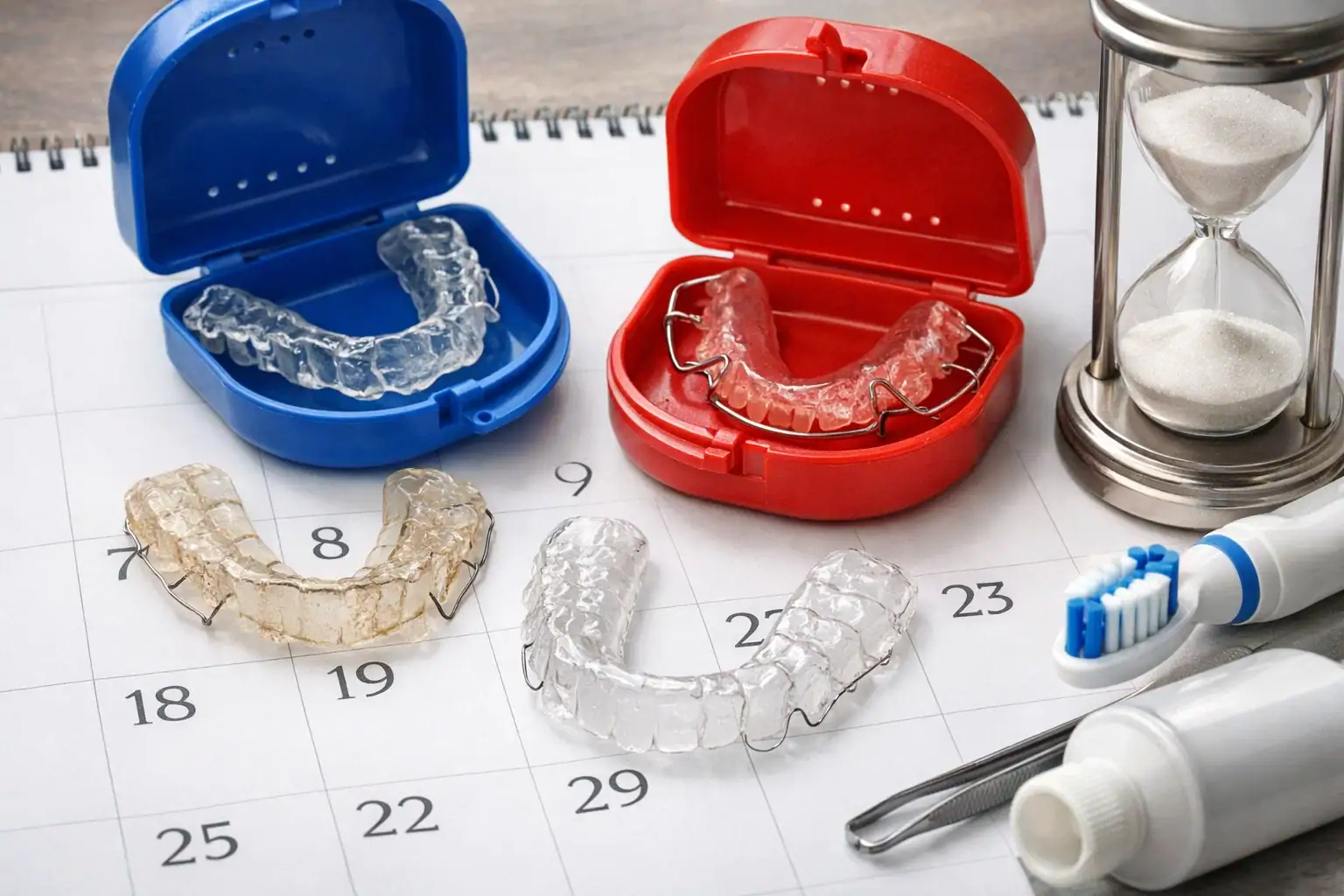
In a cohort of 591 retainers, median survival was 105 days for vacuum-formed, 1,529 for Hawley and 1,604 for bonded lingual retainers. Fit and damage decide.

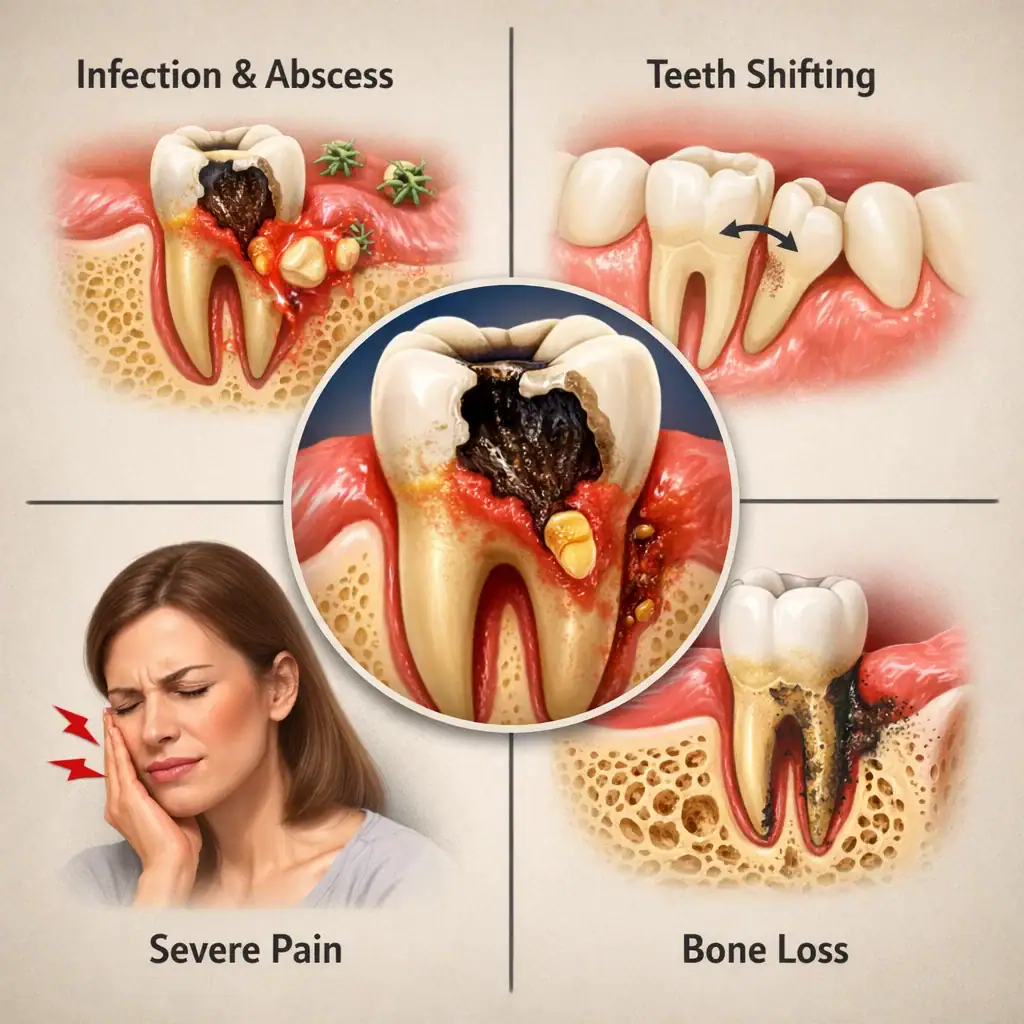
A tooth needing extraction keeps its disease active if left in. Six months after loss the ridge shows 29% to 63% horizontal and 11% to 22% vertical bone loss.

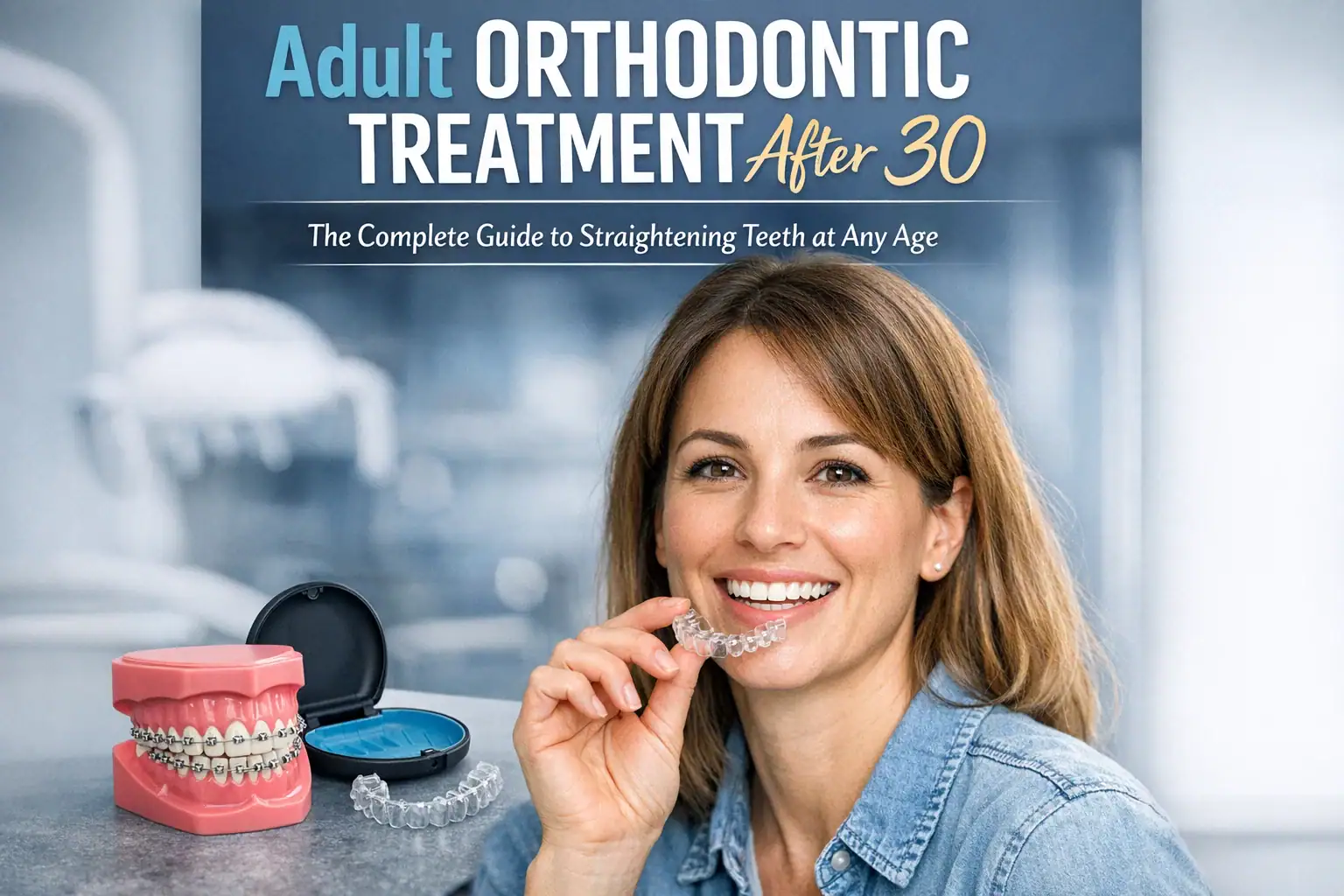
Orthodontic treatment after 30 works on the same biology as at 15: teeth move while the gums are healthy, and fixed braces averaged 19.9 months.

A meta-analysis of 29 clinical studies put ceramic laminate veneer survival at 96.13% for feldspathic and 96.81% for lithium disilicate at a mean 10.4 years.

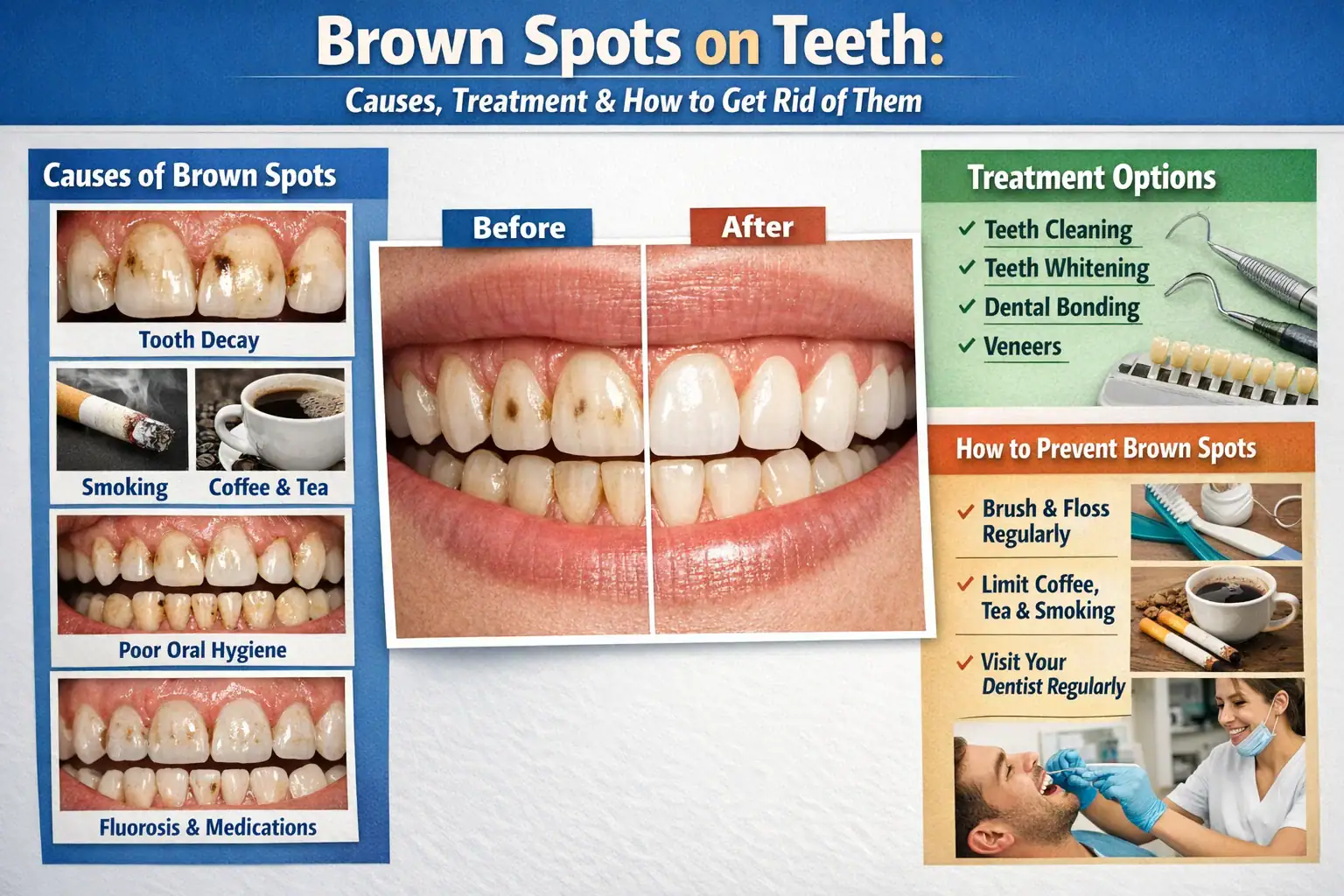
Surface stain or decay? Decay cannot wait: untreated caries in permanent teeth affected 2.03 billion people worldwide in 2019. How to tell them apart.