
2025
// Aesthetic
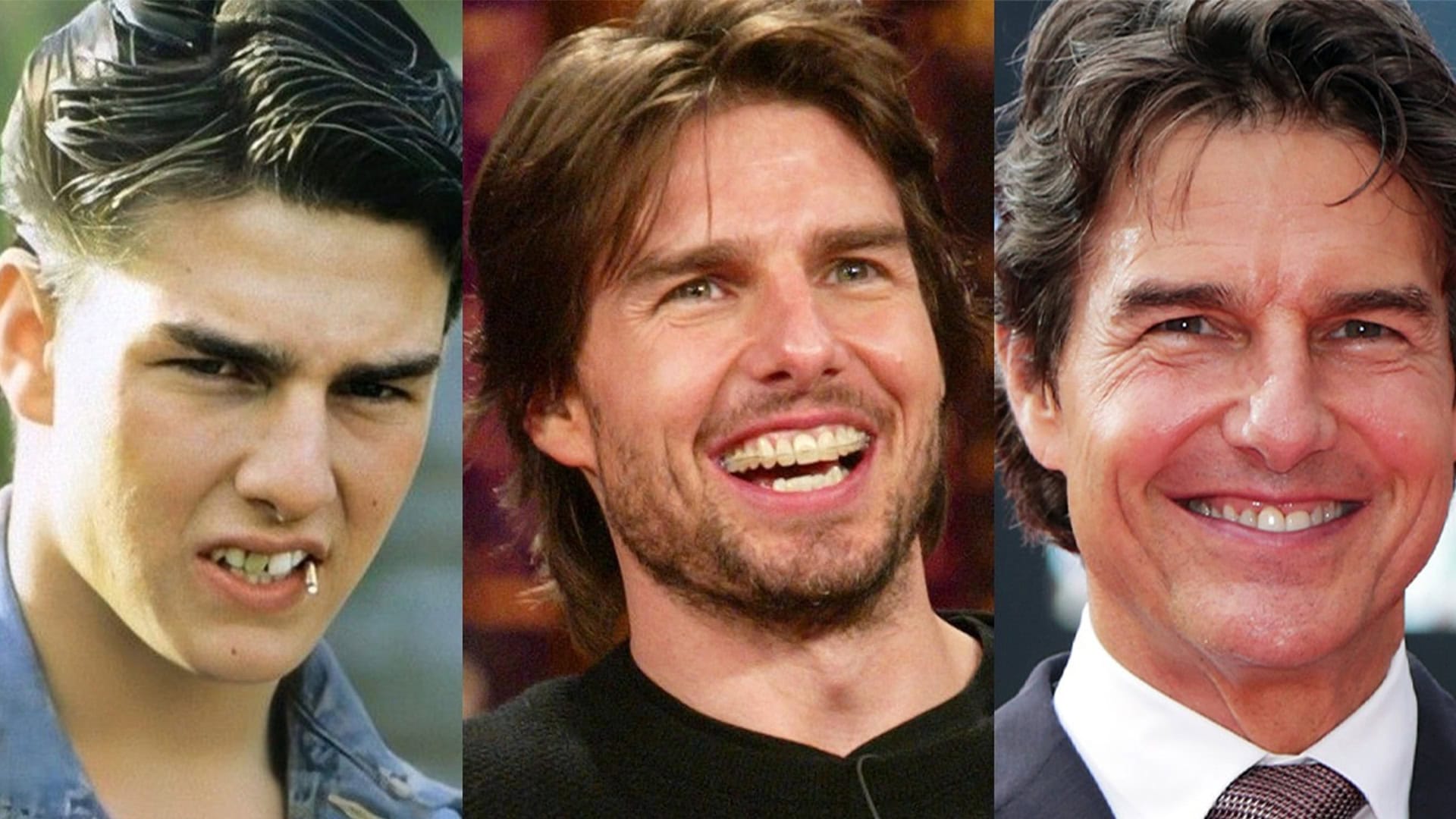
Tom Cruise's Teeth: The Evolution of the Hollywood Smile
Tom Cruise wore braces at 40, before any veneer work. What changed in his smile after 2002, and the order a comparable plan actually follows.
HK
Dr Hakan Kaval
Clinical experience, misunderstood concepts and frequently asked questions. Notes from many years of practice.
Tom Cruise wore braces at 40, before any veneer work. What changed in his smile after 2002, and the order a comparable plan actually follows.
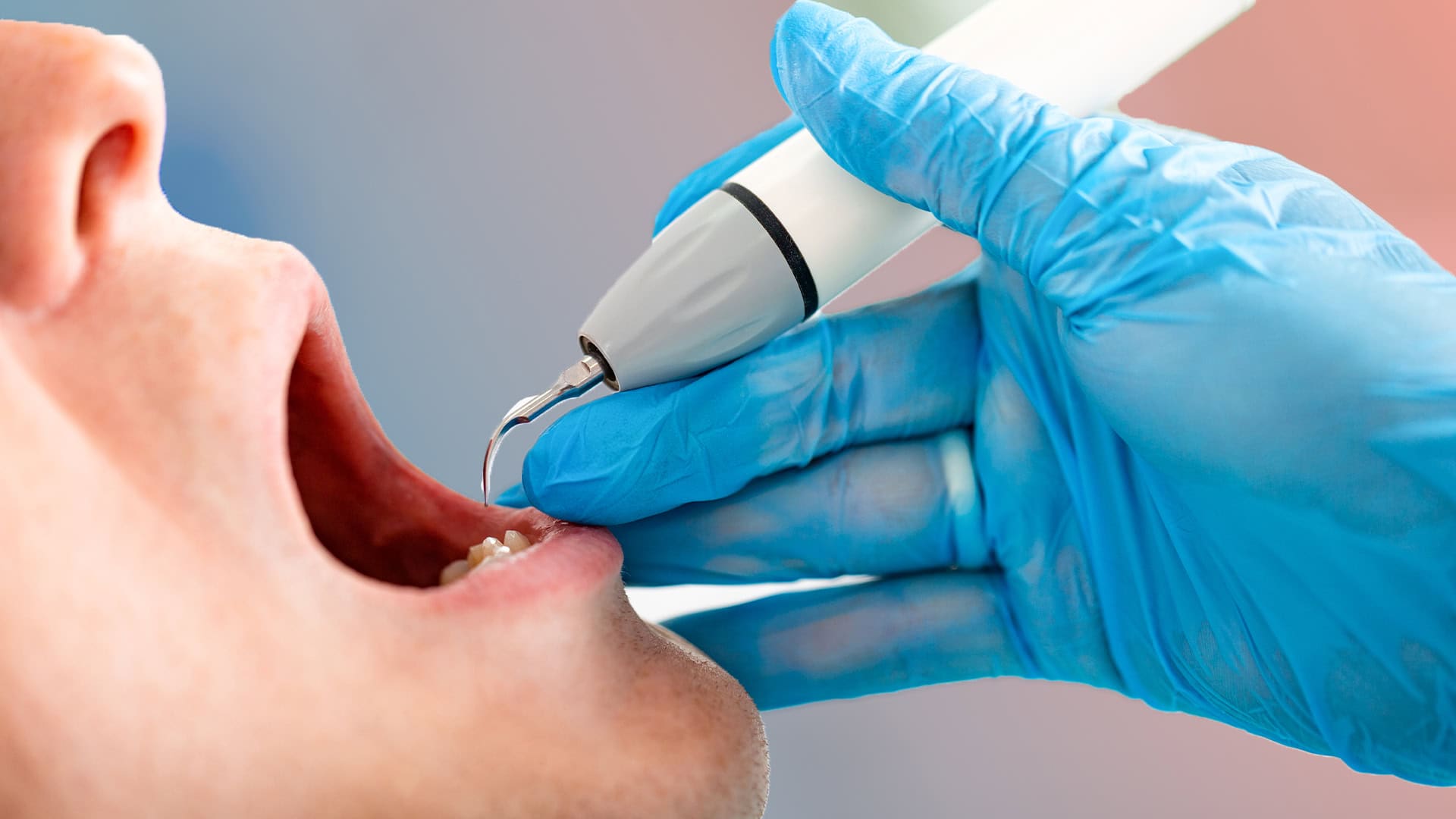
Untreated caries in permanent teeth is the most prevalent condition worldwide, affecting 2.4 billion people, and early childhood caries has a pooled global prevalence of 48 percent among preschool children. Symptoms that mark each stage, and what stops the progression.
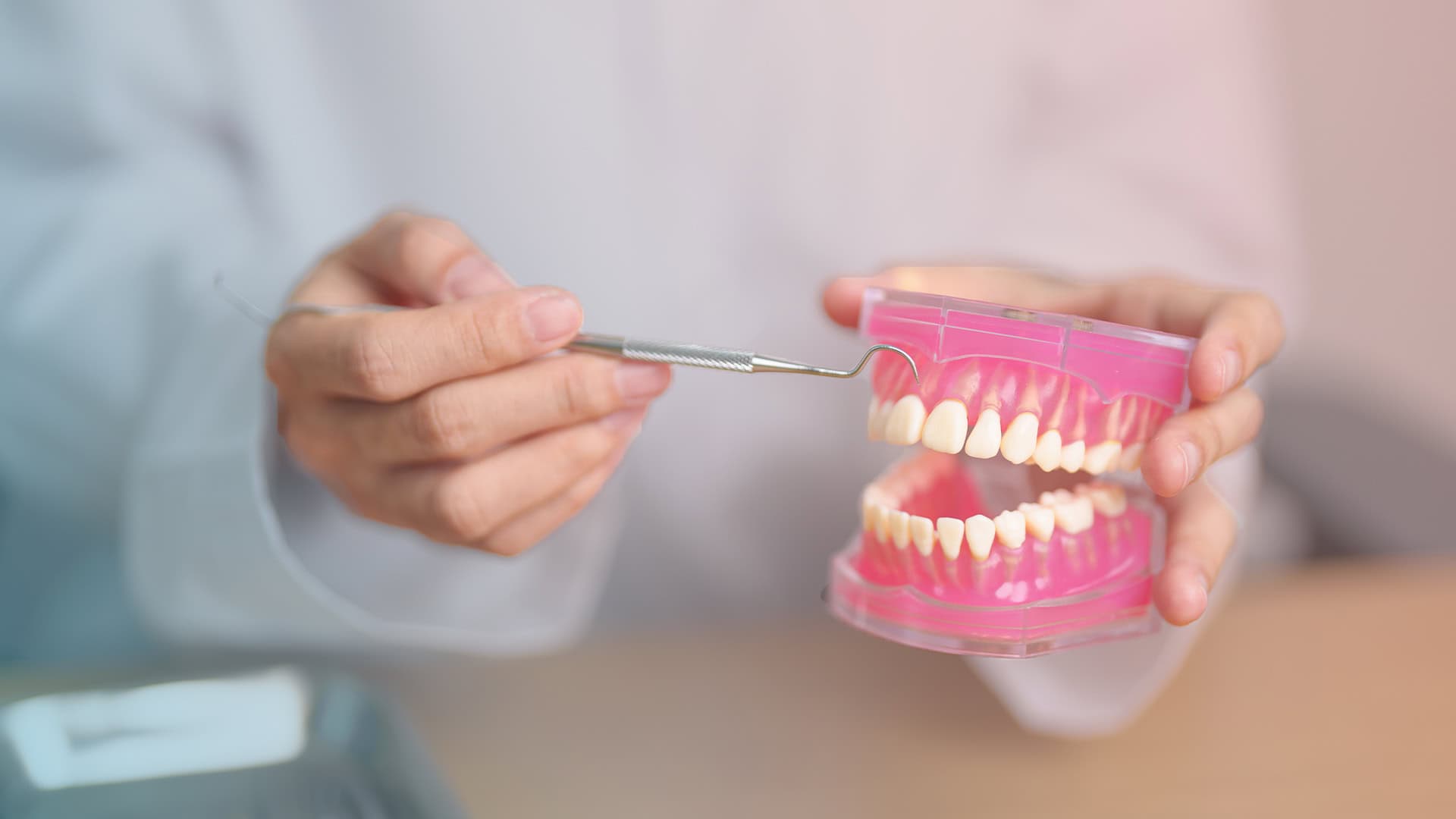
Recession is measured rather than estimated: NHANES III, which examined 9,689 people aged 30 to 90, found 22.5% of United States adults aged 30 and over had at least one surface with 3 mm or more of recession, roughly 23.8 million people. What stops it, and what genuinely reverses it.
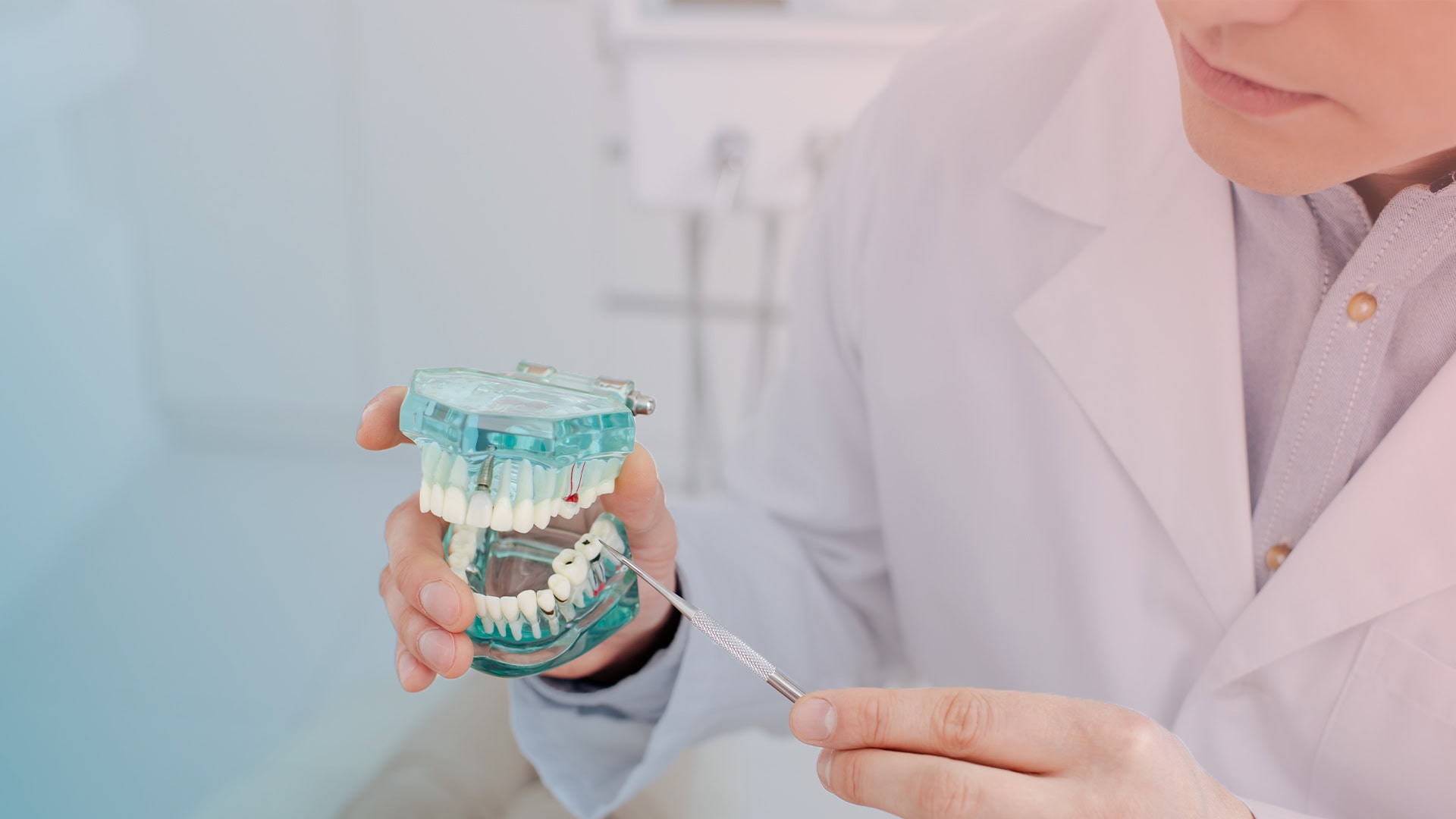
An AO/AAP systematic review of 102 studies covering 13,030 patients reported patient-level prevalence of 21% for peri-implantitis and 46% for mucositis, with weighted incidence rising to 22% and 53% over 20 years of function. Early signs, and the treatments that actually arrest it.
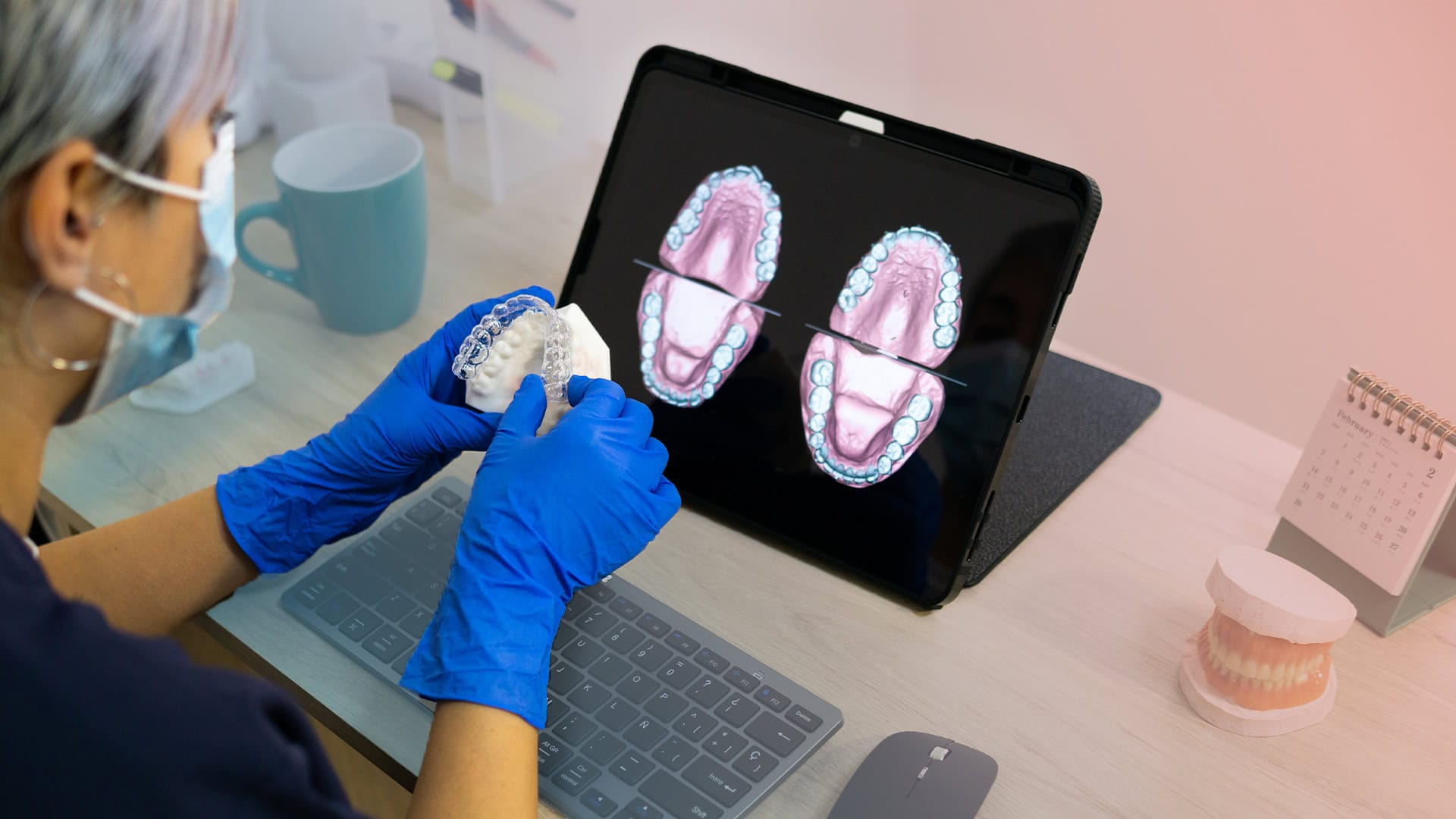
The claim is testable and it has been tested: in a meta-analysis of 21 studies drawn from 2,442 records, AI reading bitewing radiographs for approximal caries reached a pooled sensitivity of 0.94 and specificity of 0.91. Where it helps the clinician, and where judgement still decides.
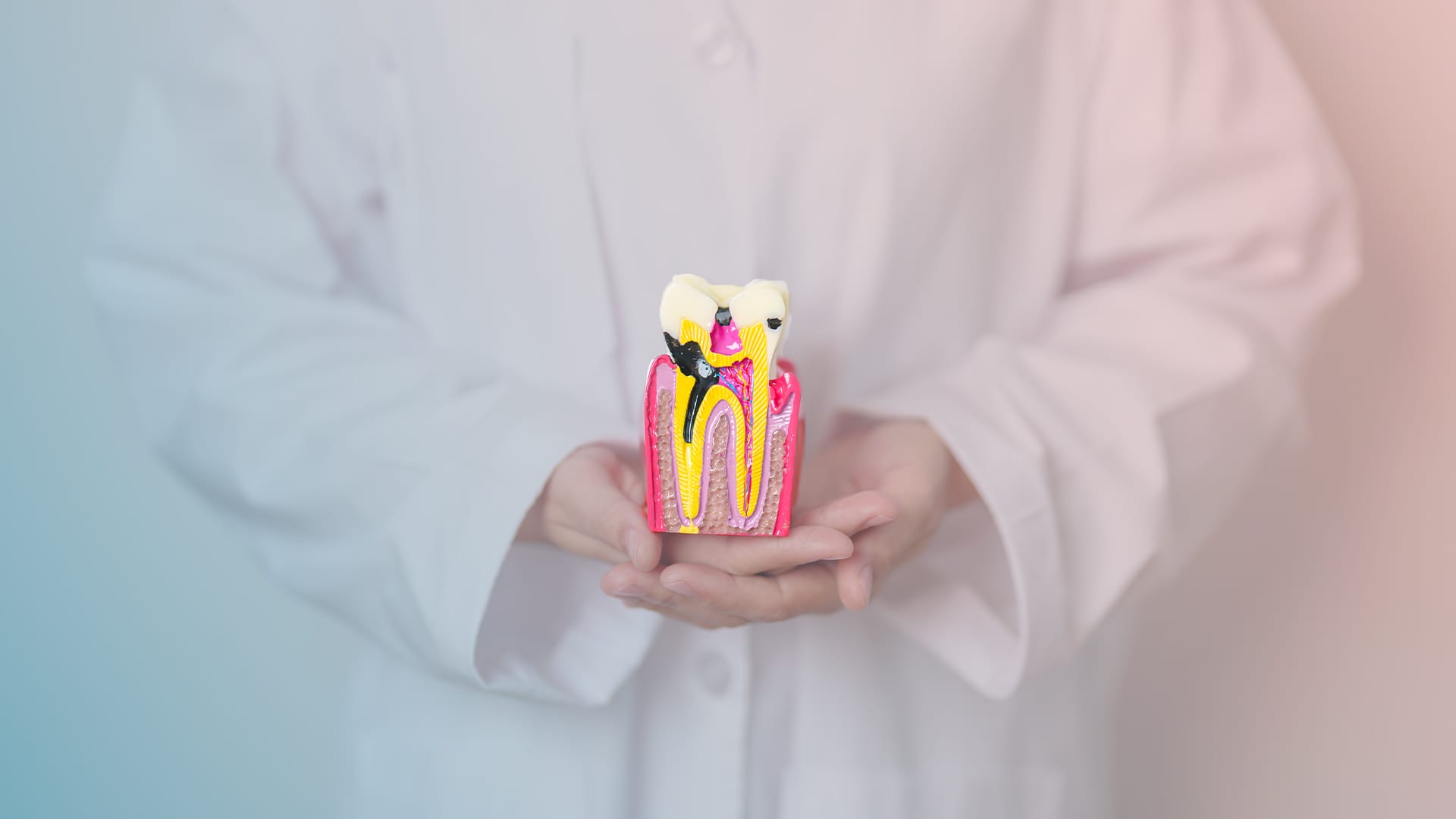
A root canal counts as failed when symptoms persist or a periapical lesion remains; non-surgical retreatment then reached 83.0% success at 4 to 6 years.
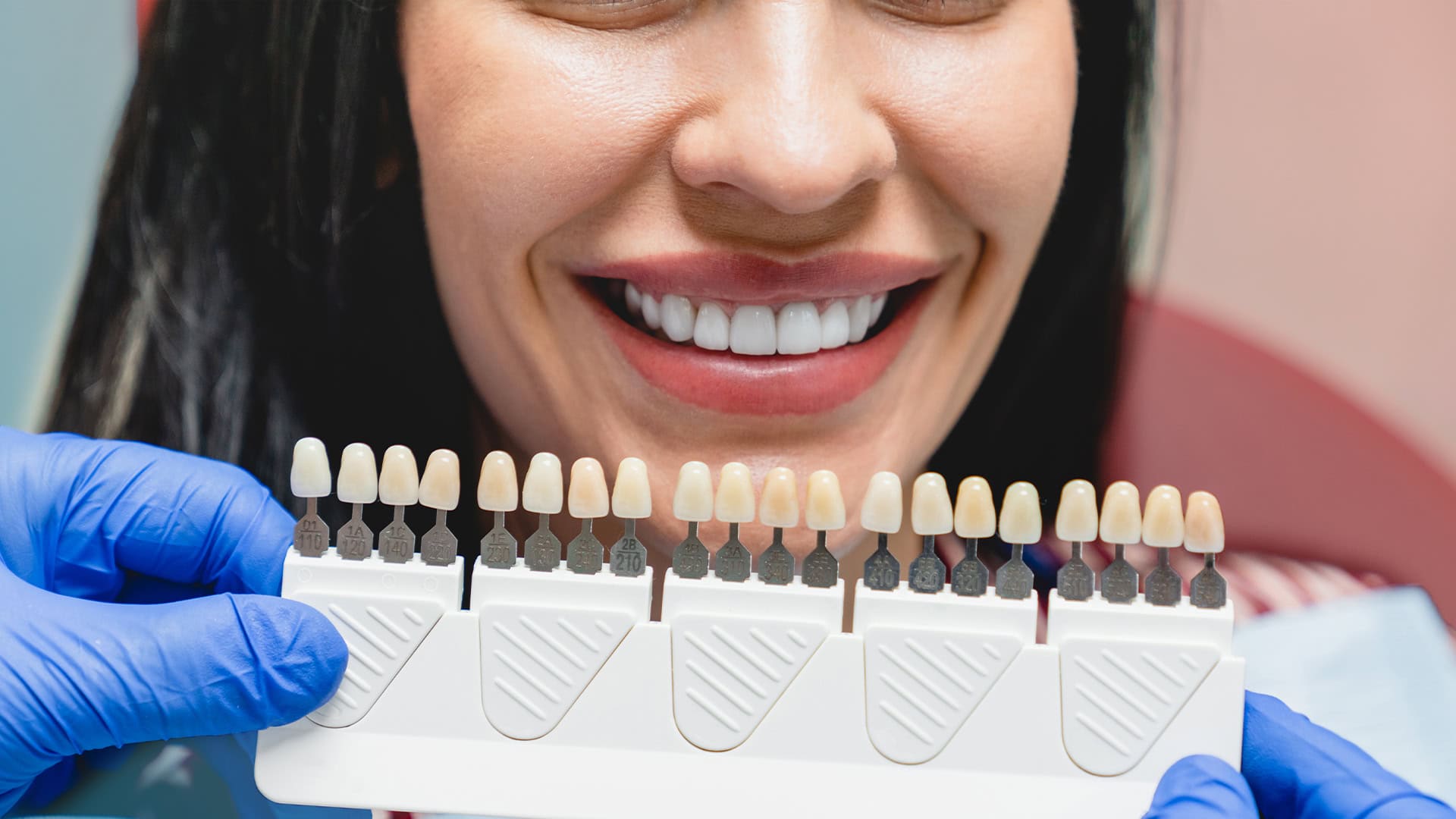
In a meta-analysis of 64 studies covering 8,051 all-ceramic single crowns, monolithic lithium disilicate recorded the highest five-year survival of the group at 98.5 percent, against 96.8 percent for monolithic zirconia, and both showed fewer fractures than veneered alternatives. Where Emax fits, and where it does not.

Traumatic dental injuries affect 15.2% of people in the permanent dentition worldwide, so a broken tooth is common rather than rare. Treated early the outlook is good: a systematic review of pulpotomy for complicated crown fractures reported success between 75% and 96%. What to do in the first hour.

Eruption timing is measured rather than assumed: in a Japanese birth cohort of 1,695 parental records, median emergence of the mandibular primary central incisors was 7.1 months in boys and 7.6 months in girls. How teeth form, and what disturbs the sequence.