
2025
In Which Cases Should a Tooth Not Be Extracted?
In a 10-year cohort of 132 root canal treated teeth, 91.6 percent were retained. Which situations require extraction, and which have alternatives?
HK
Dr Hakan Kaval
Clinical experience, misunderstood concepts and frequently asked questions. Notes from many years of practice.
In a 10-year cohort of 132 root canal treated teeth, 91.6 percent were retained. Which situations require extraction, and which have alternatives?
In post-implant recovery, soft tissue usually closes in one to two weeks and bone integration generally takes 2-6 months; long-term plaque control follows.

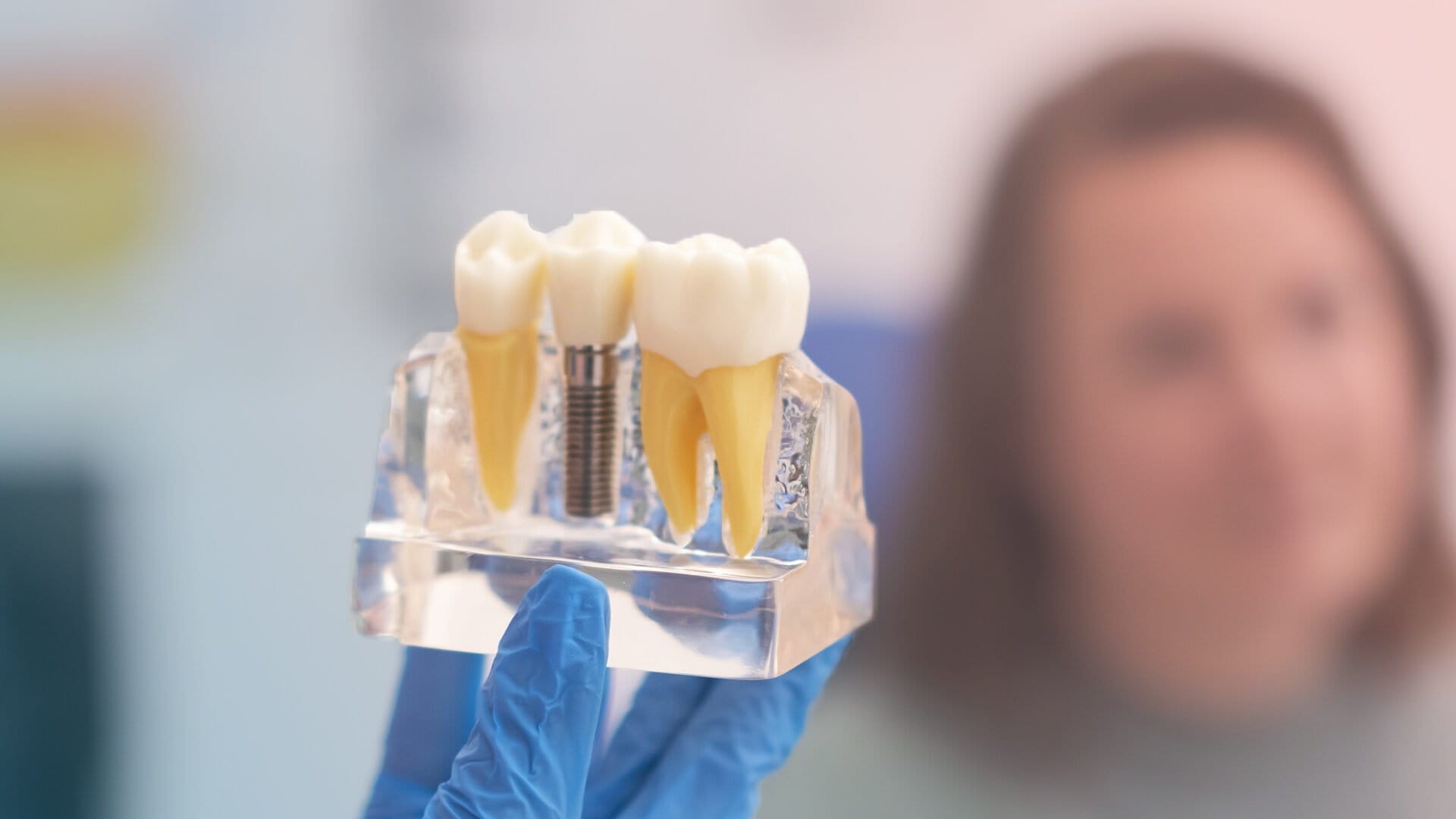
A dental implant is a titanium or zirconia screw that replaces the root of a missing tooth; across 18 prospective studies, 10-year survival was 96.4%.
In controlled trials, posterior resin composite restorations were lost at a rate of 1.55 per 100 restoration-years. How restorative work is judged.

INTERVAL followed 2,372 adults for four years and found no evidence of a difference in gum health across six-month, risk-based and 24-month recalls.
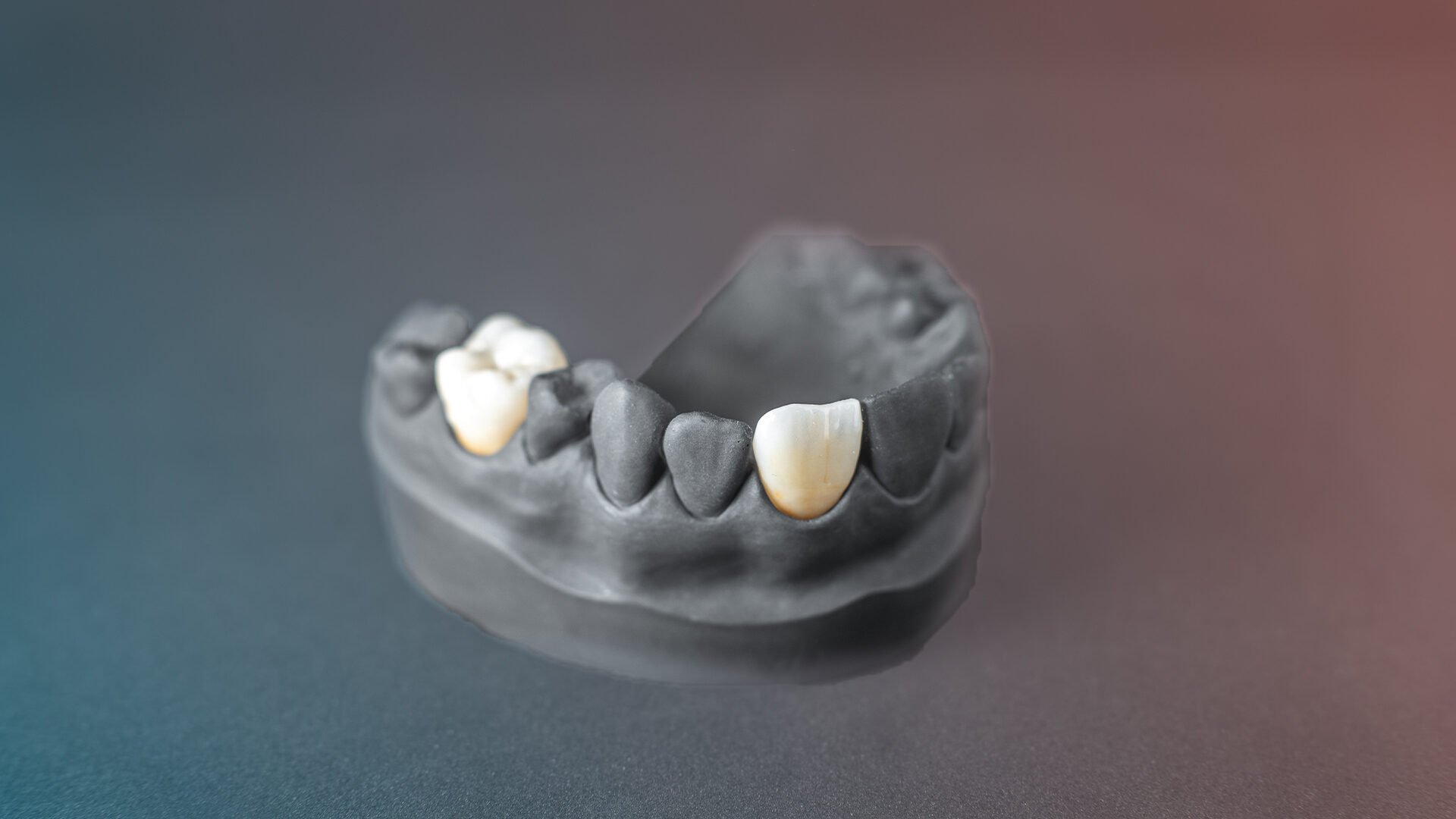
Five-year survival of tooth-supported single crowns was 96.8% for monolithic zirconia, 97.3% for veneered zirconia and 97.1% for metal-ceramic.

A randomised trial in 48 bruxism patients found significant masseter thickness reduction at 1 and 3 months, with groups back to similar values by 6 months.
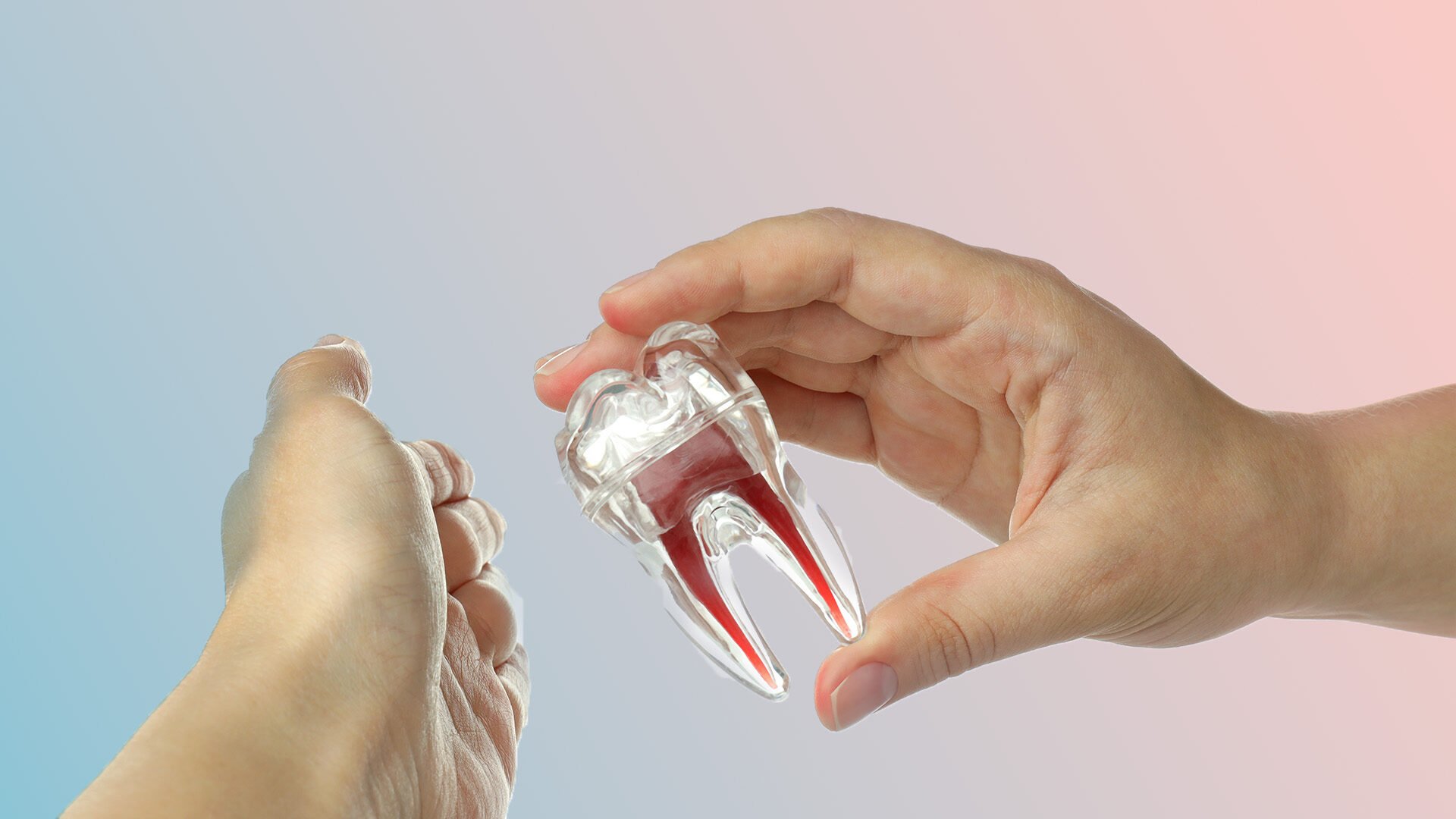
A semi-erupted wisdom tooth is a third molar that has broken through the gum only partly, leaving a tissue flap that traps plaque and can cause pericoronitis.

Six-monthly scale and polish reduced calculus in Cochrane data from 1,711 adults, while gingivitis changed little over two to three years. What the procedure removes, how often it is needed and what home cleaning adds.