
2025
// Paediatric
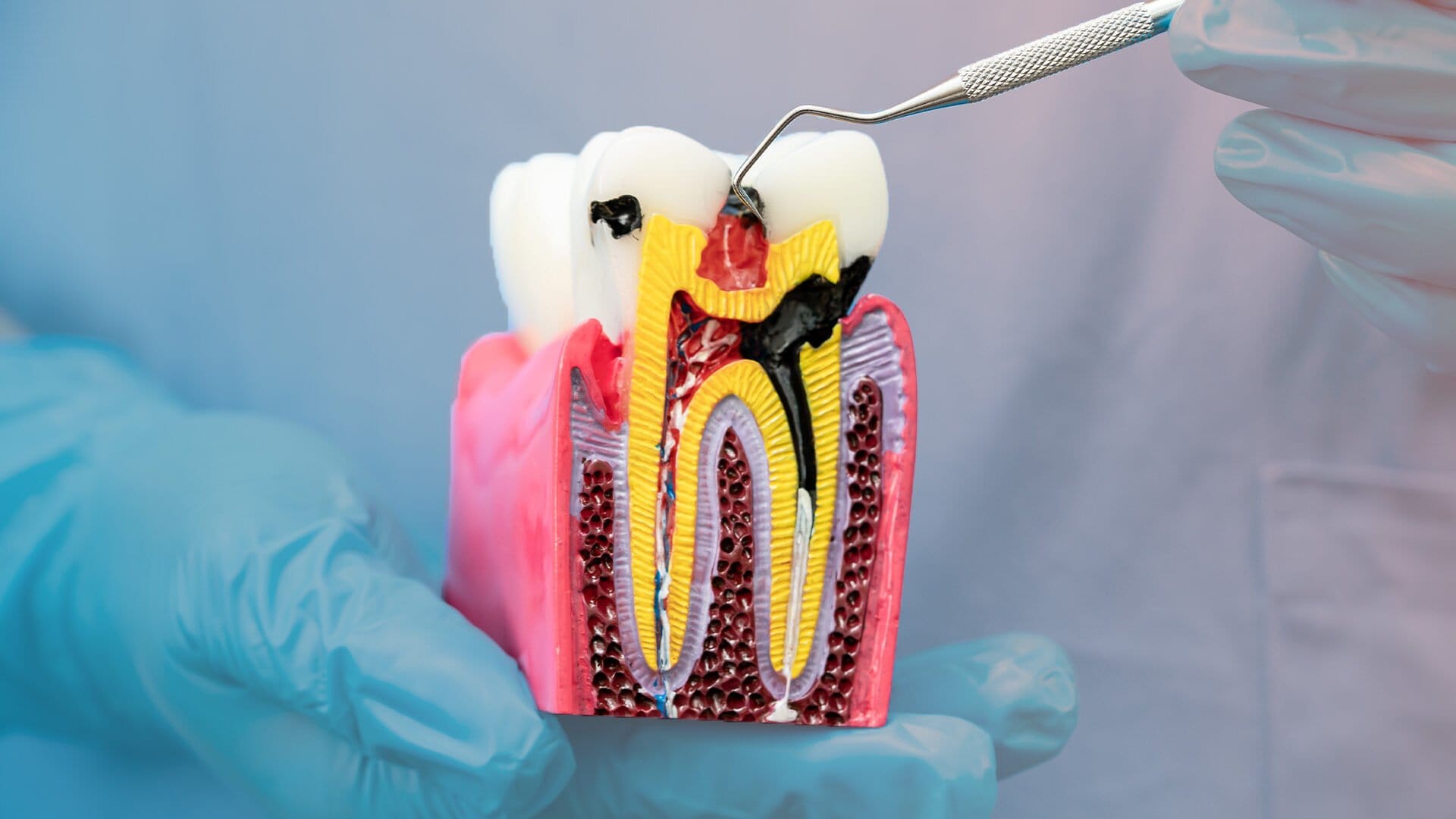
Unsuccessful Root Canal Treatment: Causes and Solutions
Failure rates run at 10 to 15 per cent, and endodontic microsurgery reached pooled success of 91.3 per cent. Why treatments fail, and what recovers them.
Eİ
Dr Ebru İmren
Clinical experience, misunderstood concepts and frequently asked questions. Notes from many years of practice.
Failure rates run at 10 to 15 per cent, and endodontic microsurgery reached pooled success of 91.3 per cent. Why treatments fail, and what recovers them.
A meta-analysis of 268,755 people estimated dental trauma prevalence at 15.2% in permanent and 22.7% in primary teeth. What to do in the first minutes.
Pooling 31 population studies of 72,577 adults, 15.3% reported dental fear and anxiety. Where conscious sedation ends and general anaesthesia begins.
Early orthodontic treatment starts at seven to eleven years; in trials, early functional appliances cut new incisal trauma to 19%, against 30% treated late.
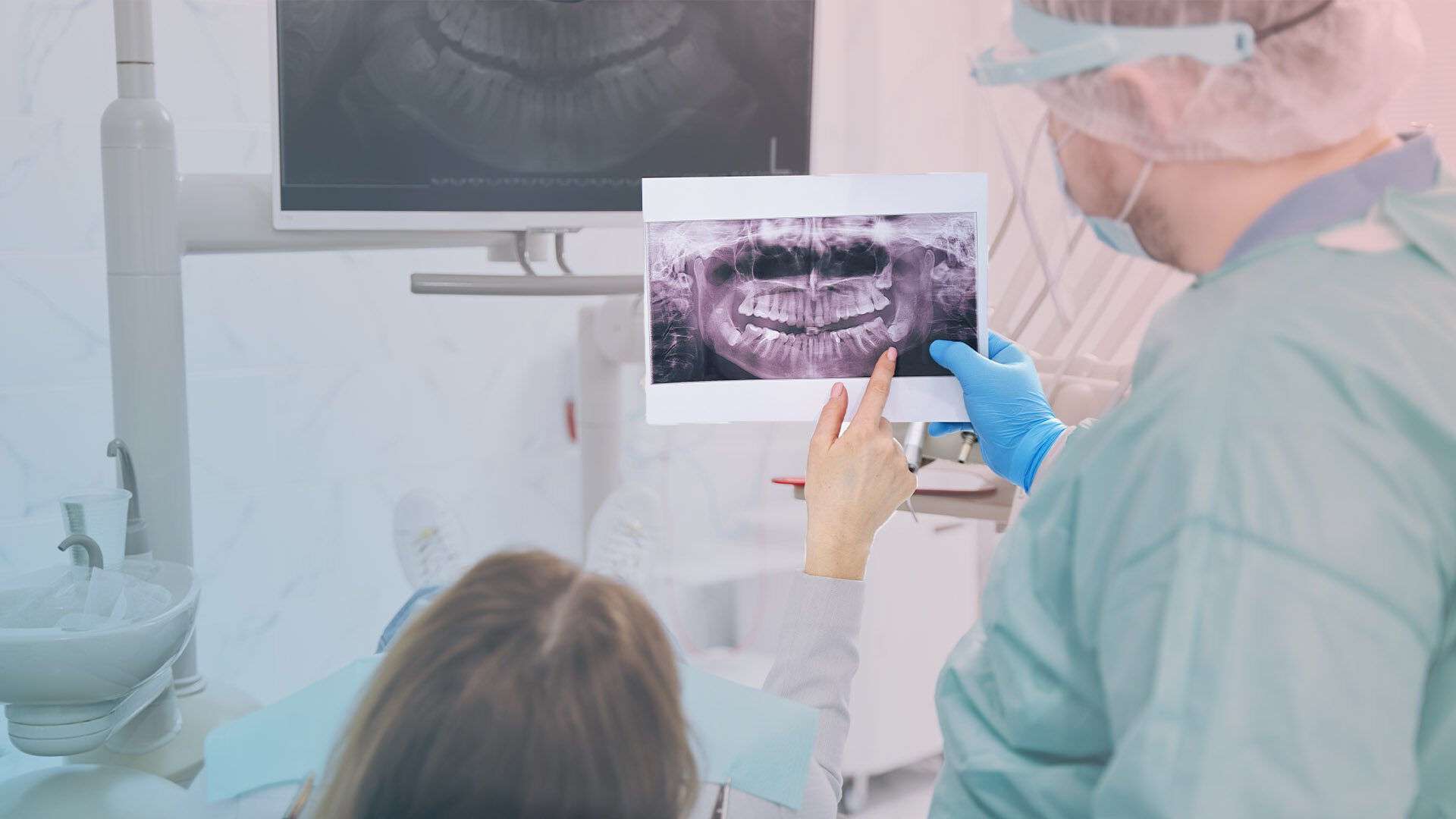
Wisdom teeth are the third molars, erupting at 17 to 25; across 98 studies, 36.9 percent of people had one impacted. A fully erupted, cleanable one can stay.
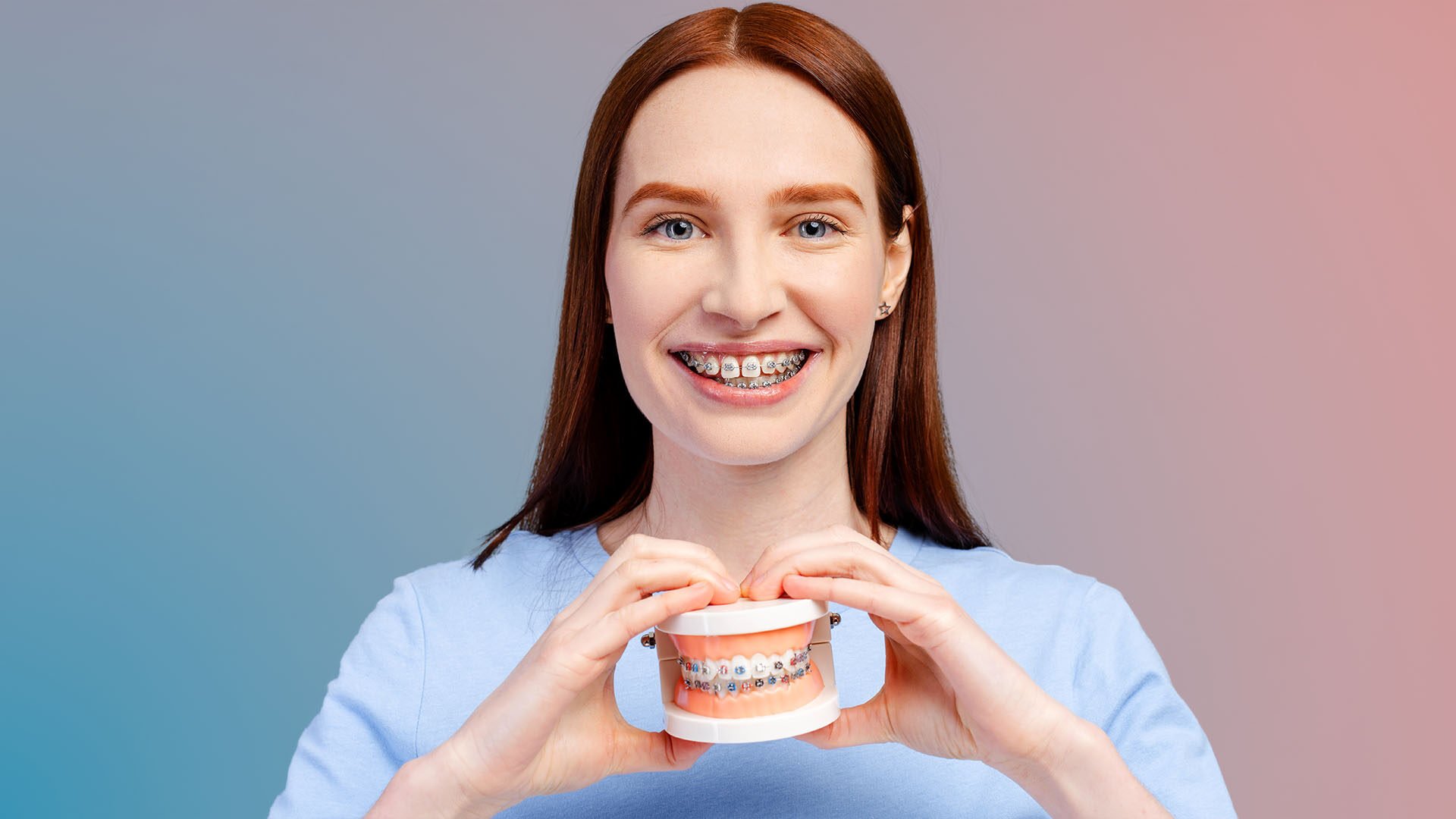
Pooling 11 studies, comprehensive fixed appliance treatment showed no significant difference in duration between adolescents and adults.
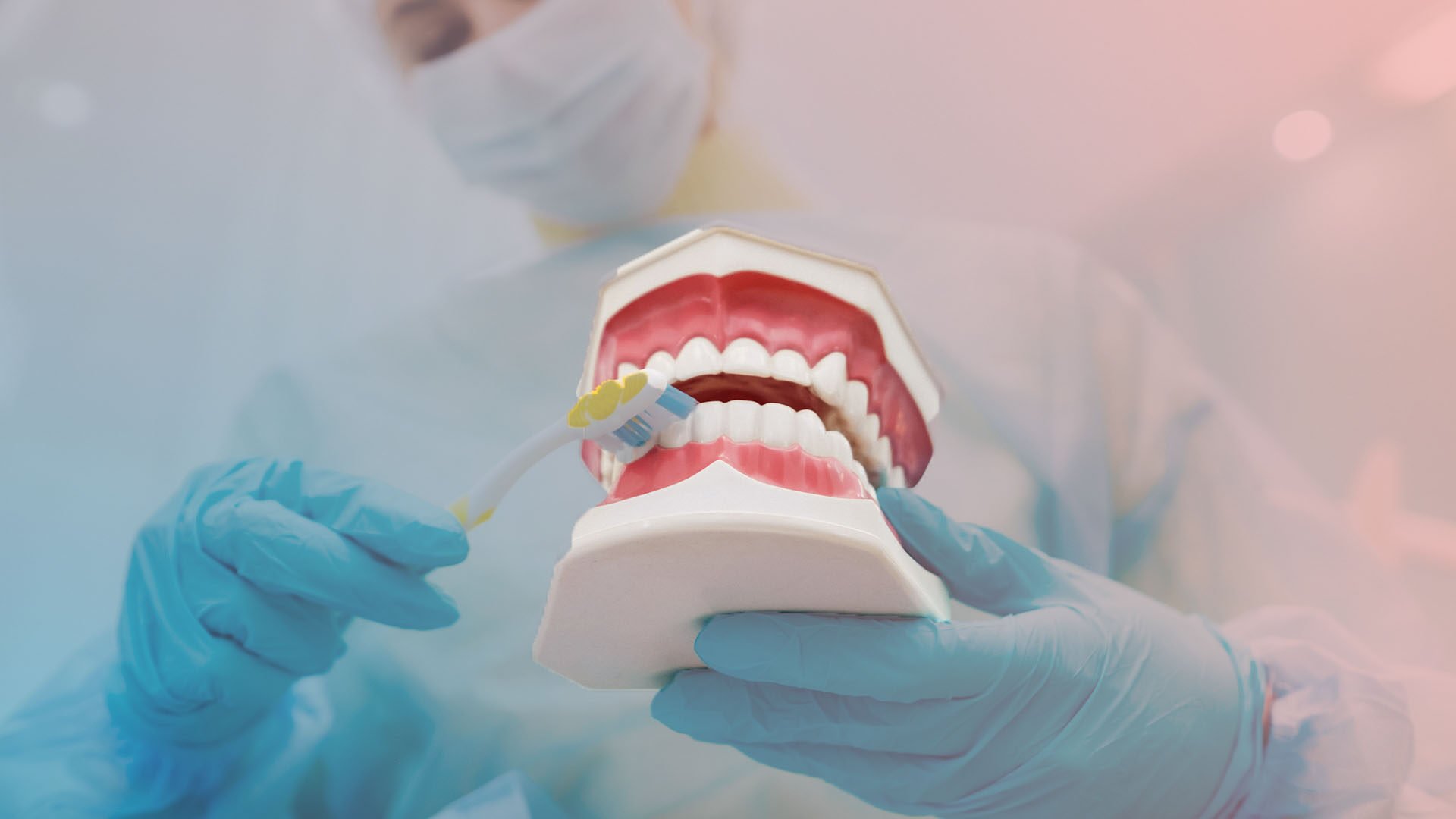
Consensus recommends brushing twice daily for at least two minutes with fluoridated toothpaste plus daily interdental cleaning. What each step is for.
Severe periodontitis showed an age-standardised prevalence of 11.2% across 72 studies. Why gums bleed, and what stops it at the reversible stage.
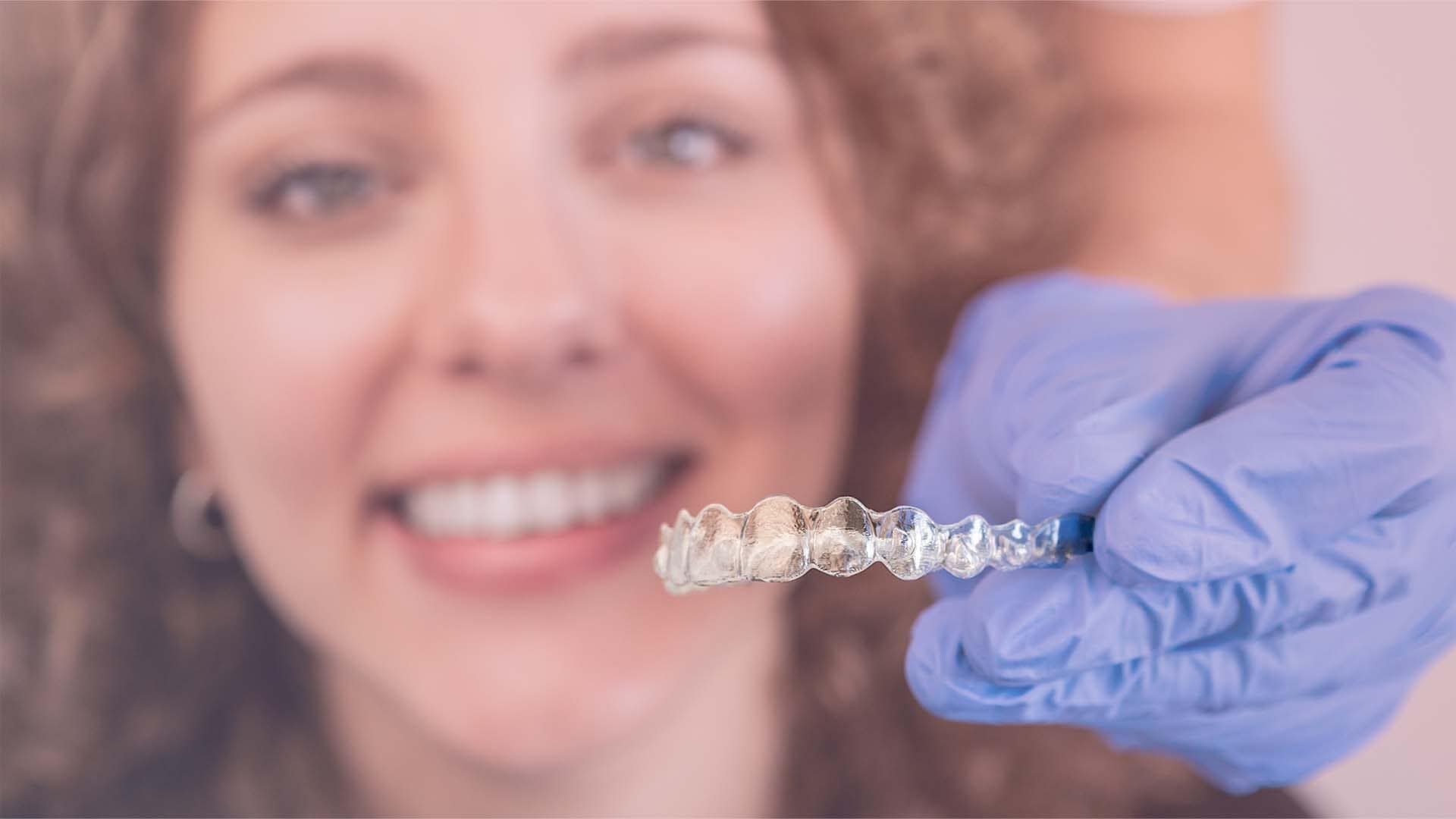
A night guard is a resin device worn in sleep that separates the teeth; in a 60-patient trial, splint therapy cut jaw muscle pain at three and six months.