
2026
// Paediatric
Dental Fillings in Children: What You Need to Know
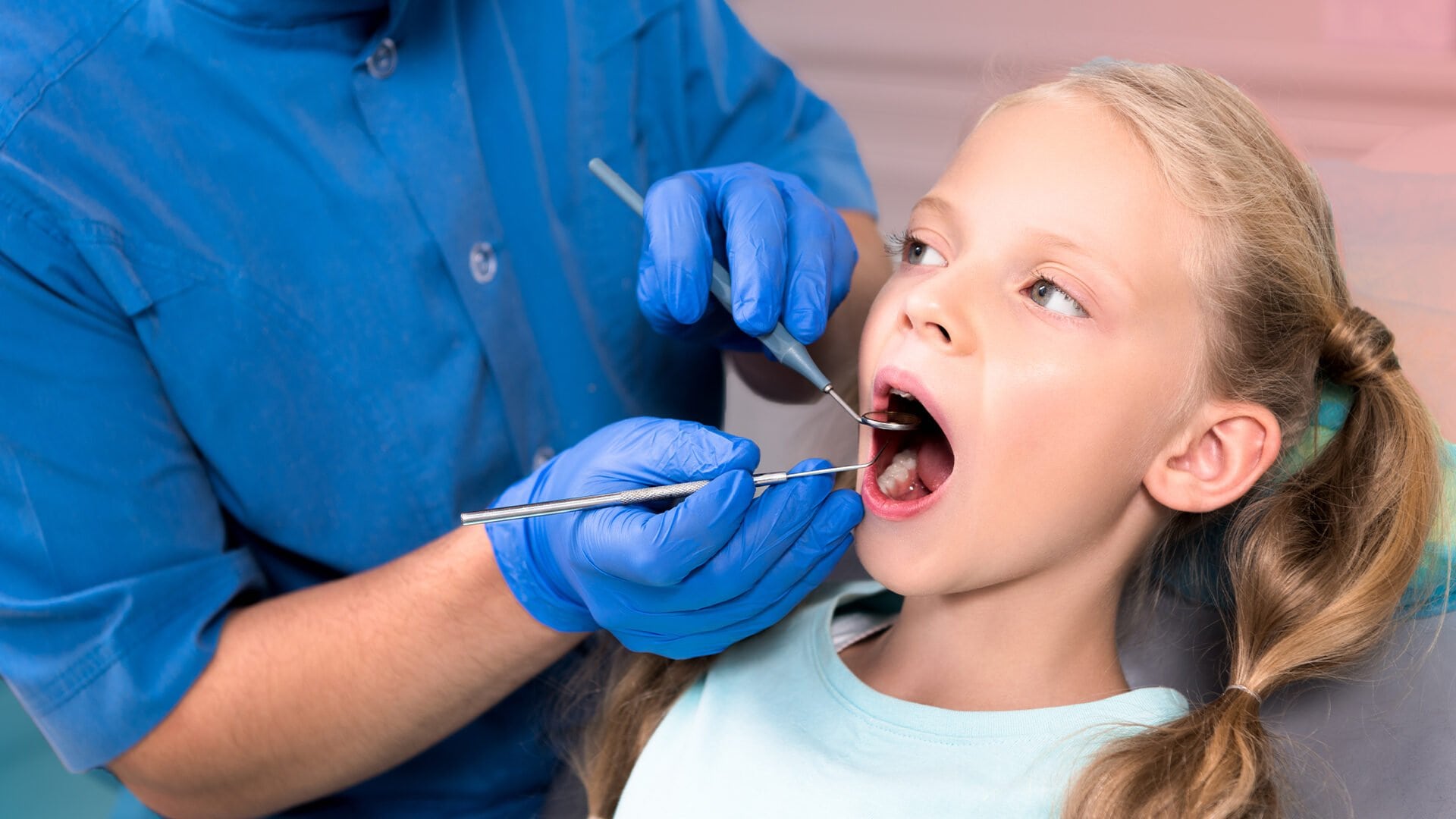
A dental filling restores a child's decayed or broken tooth using composite, amalgam or glass ionomer; the child should not eat for the first 2 hours.
Eİ
Dr Ebru İmren
Clinical experience, misunderstood concepts and frequently asked questions. Notes from many years of practice.
A dental filling restores a child's decayed or broken tooth using composite, amalgam or glass ionomer; the child should not eat for the first 2 hours.
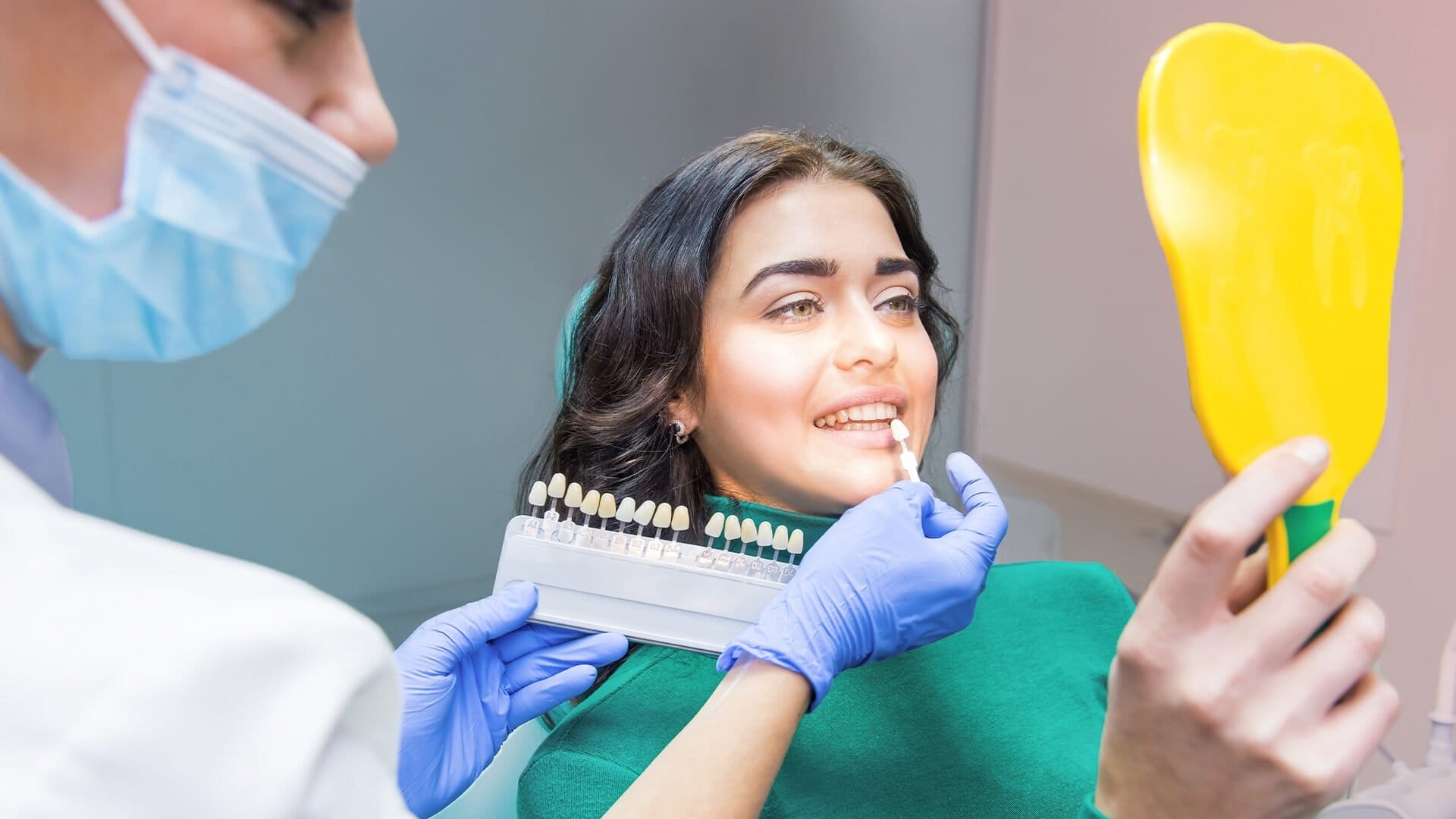
What decides the result is not the material but the preparation: across 580 porcelain laminate veneers followed for up to 12 years, survival was 99 percent where the preparation stayed within enamel and 94 percent where only the margins did. Which treatment suits which case.
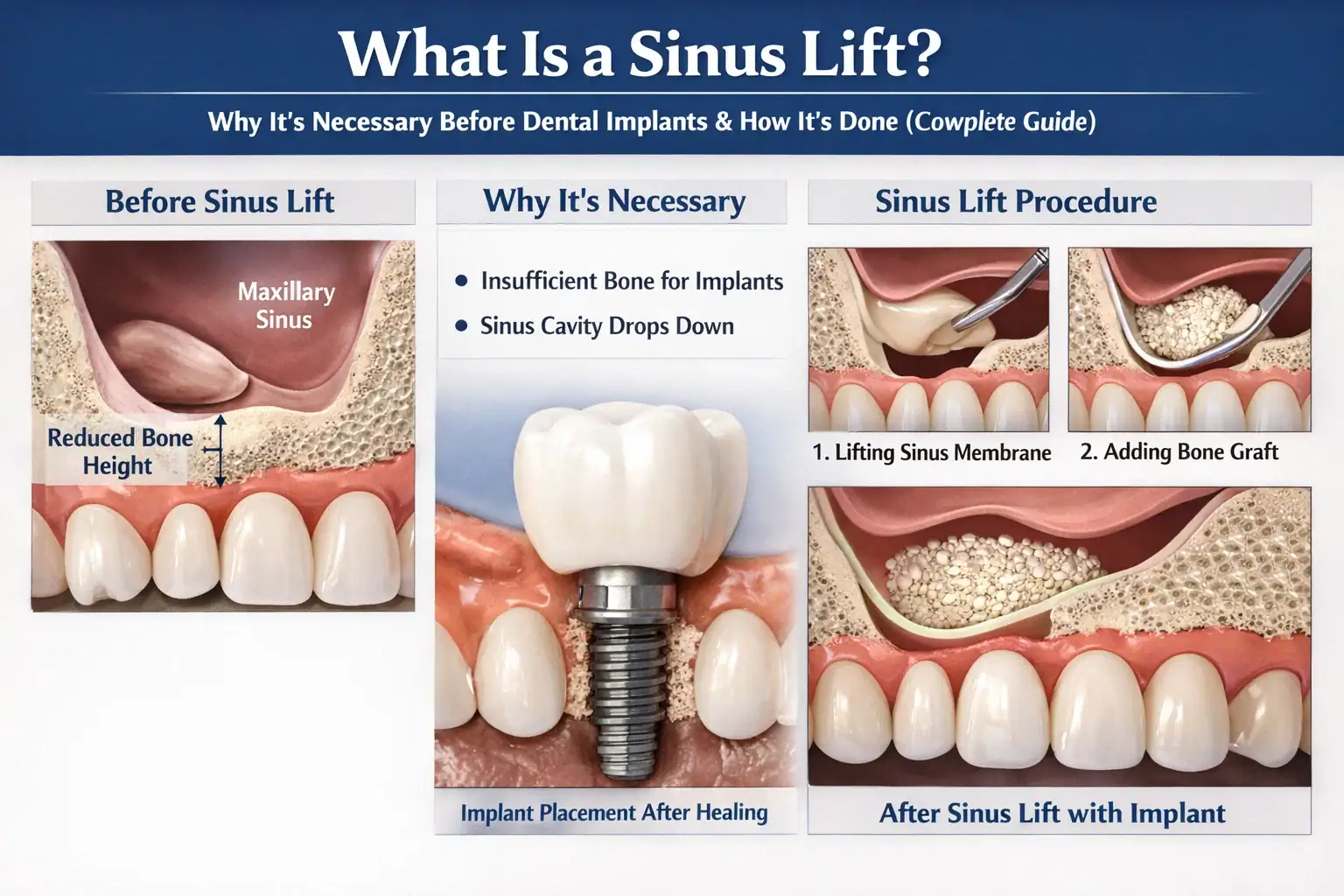
Membrane perforation is the common intraoperative event, with a weighted incidence of 23.5 percent across 1,652 surgeries, and in prospective studies with at least five years of follow-up weighted annual implant loss after the lateral window technique was 0.43 percent. Why the procedure is needed and how it is done.
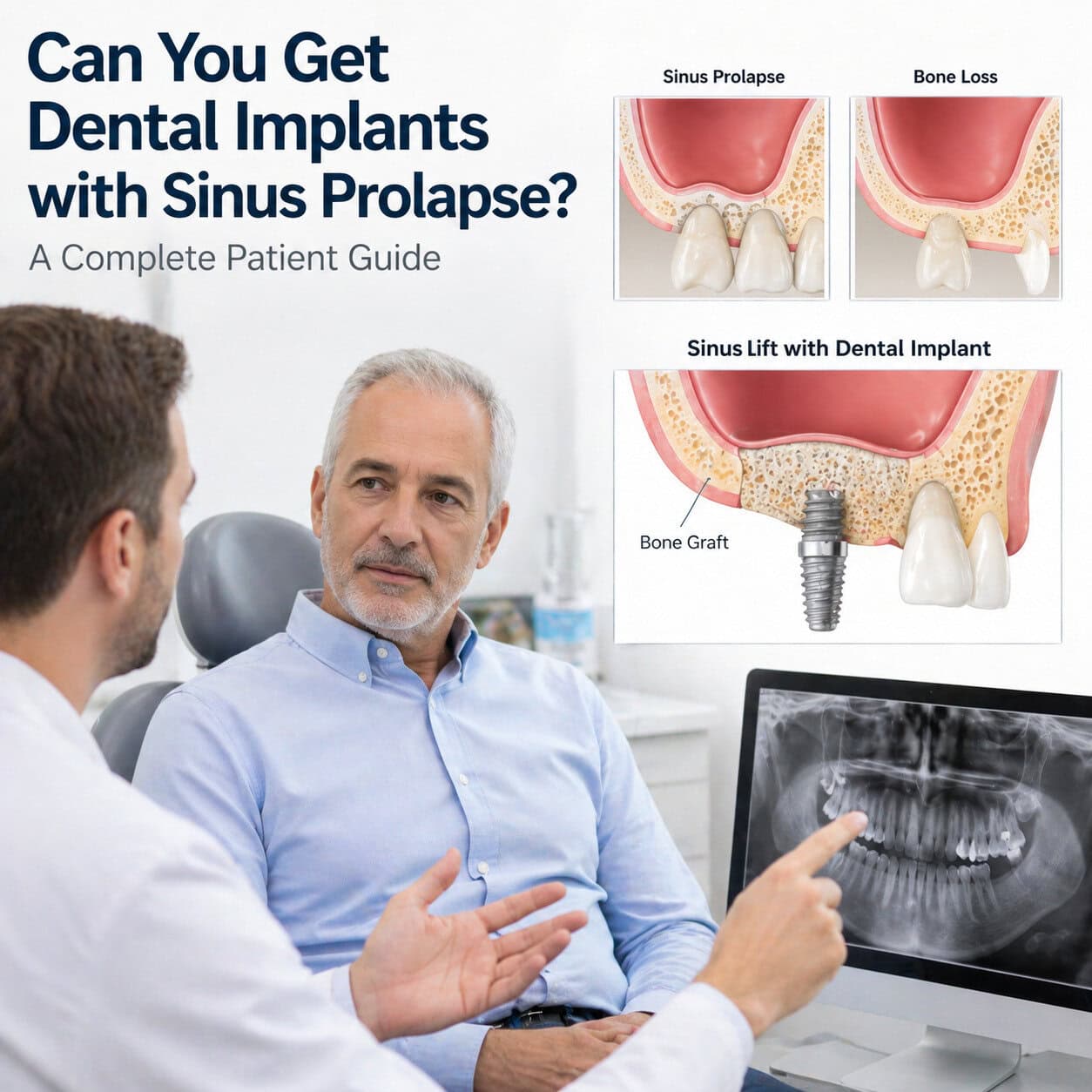
Dental implants are usually still possible with sinus prolapse: a sinus lift first raises the membrane and builds graft bone under the dropped sinus floor.
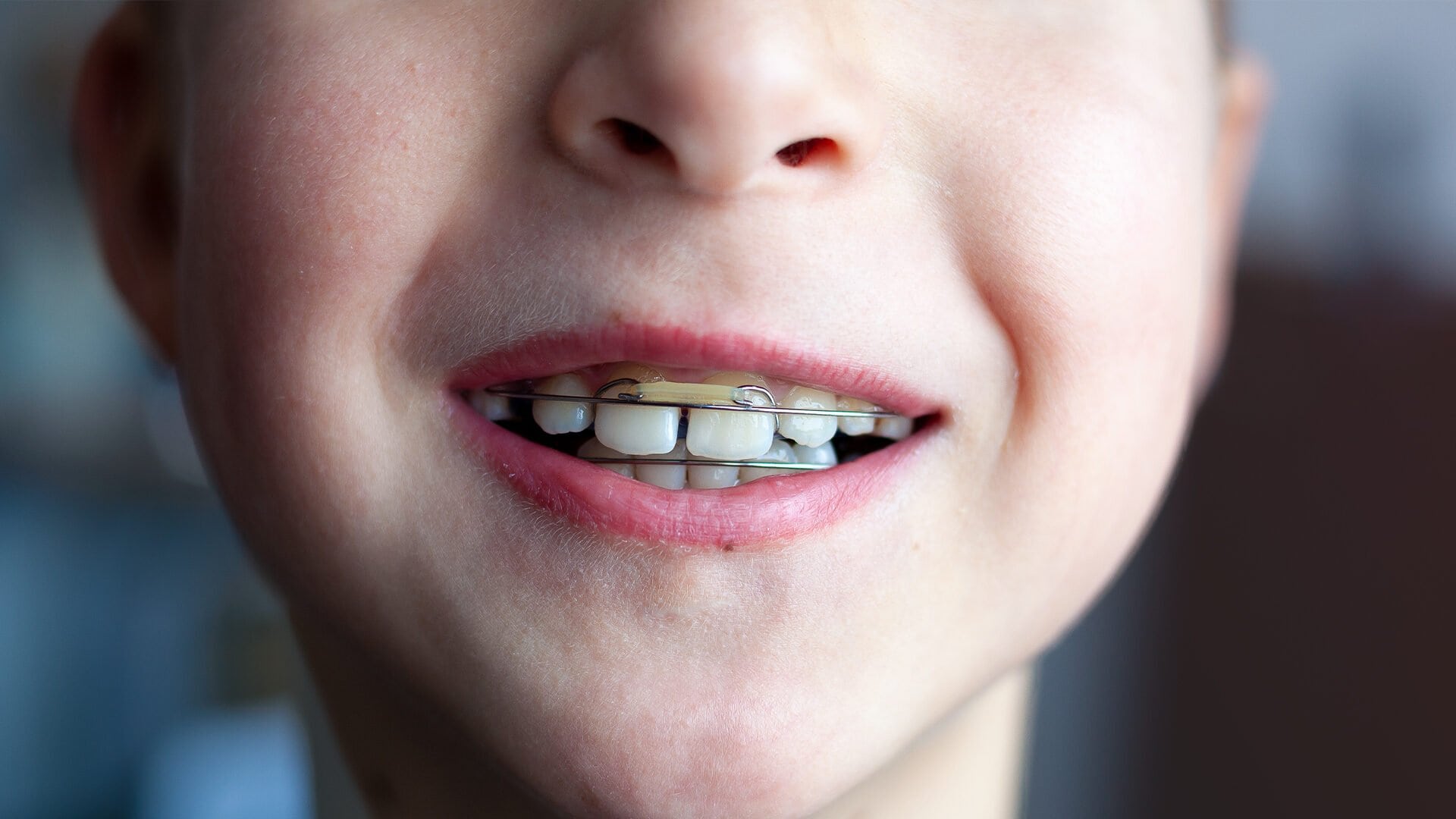
Retention is not an optional extra. In a two-year randomised trial of 66 patients, relapse appeared in 68.2% of those wearing only a removable retainer, and a separate 104-patient trial found most relapse occurs within the first six months after debonding. Which retainer, worn how long.
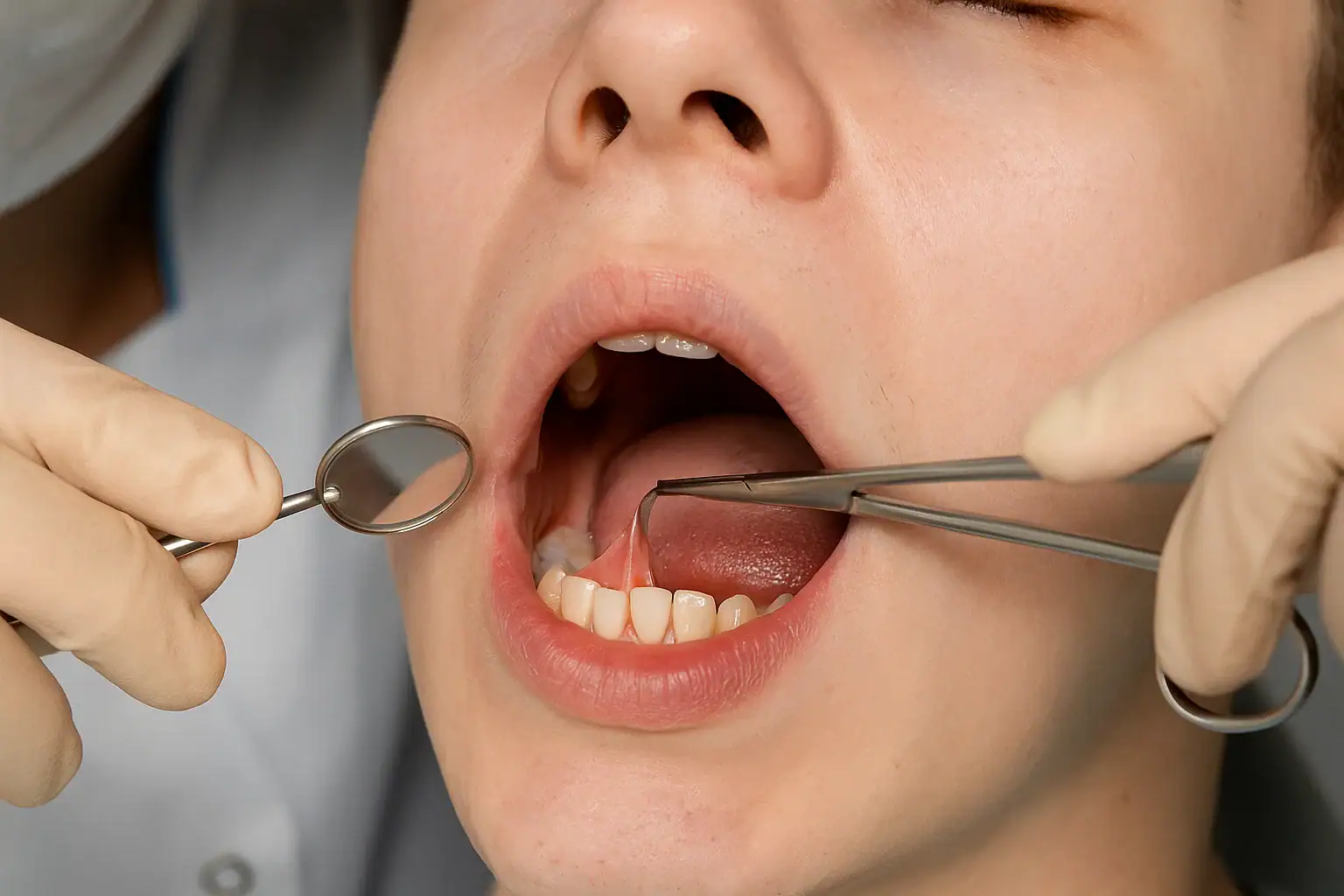
A frenectomy releases the band of tissue under the tongue or lip. The evidence is narrower than the debate suggests: a Cochrane review of 5 randomised trials in 302 infants reported reduced maternal nipple pain after frenotomy, but no trial followed breastfeeding long term. Which cases genuinely need it.
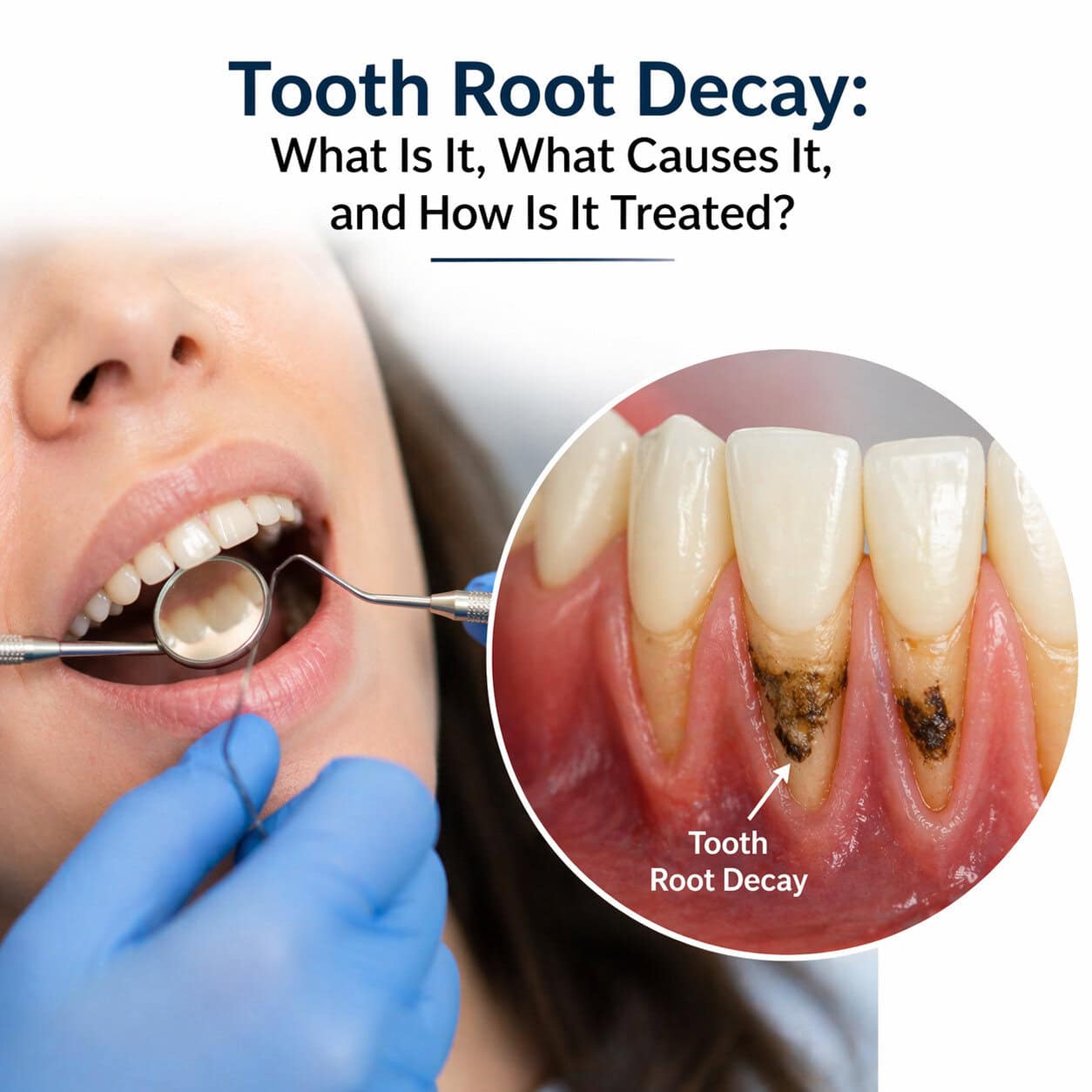
Root decay starts below the gum line, where brushing rarely reaches. A meta-analysis of 91 epidemiological publications put pooled prevalence at 41% in middle-aged and elderly populations, with a mean of 2.87 affected teeth per person. What drives it and how it is treated.

Full-mouth dental implants replace a whole arch on 4 to 8 implants carrying one fixed bridge or removable overdenture; treatment runs 3 to 12 months.
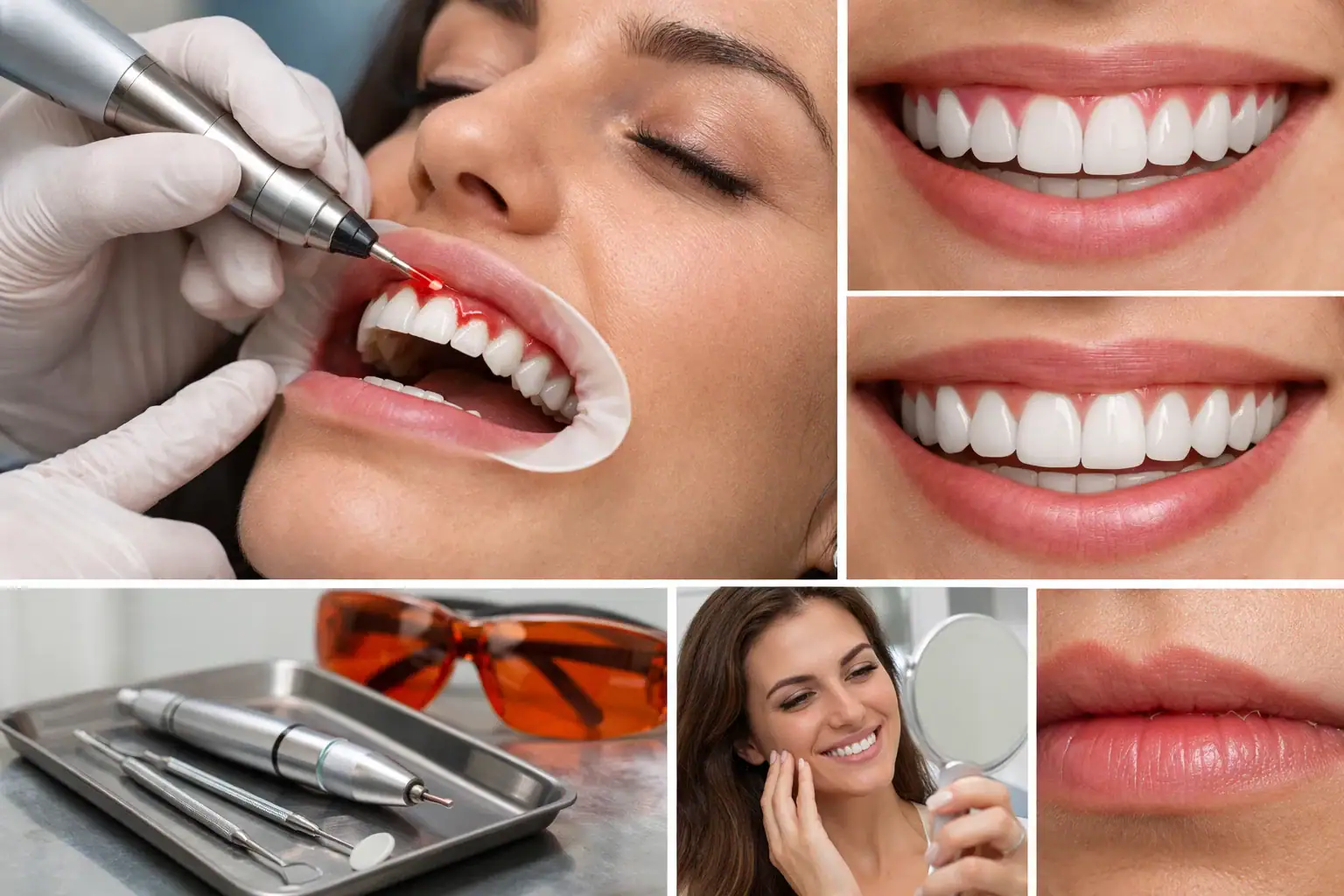
Gum shape decides as much of a smile as the teeth do. A systematic review of seven randomised trials found significantly less intraoperative and postoperative pain and bleeding with diode laser gingivectomy than with scalpel surgery. What the procedure involves and how recovery goes.