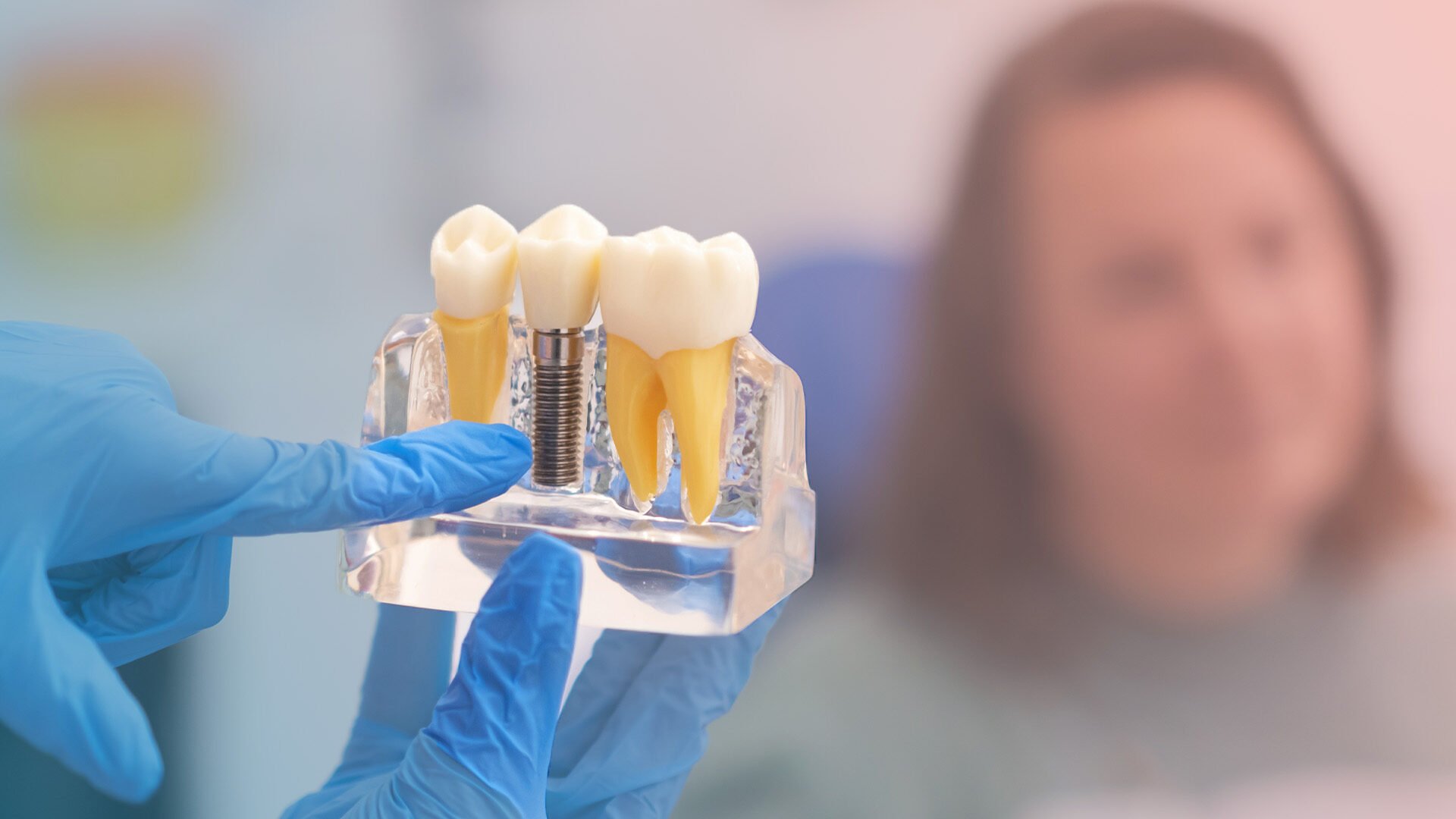
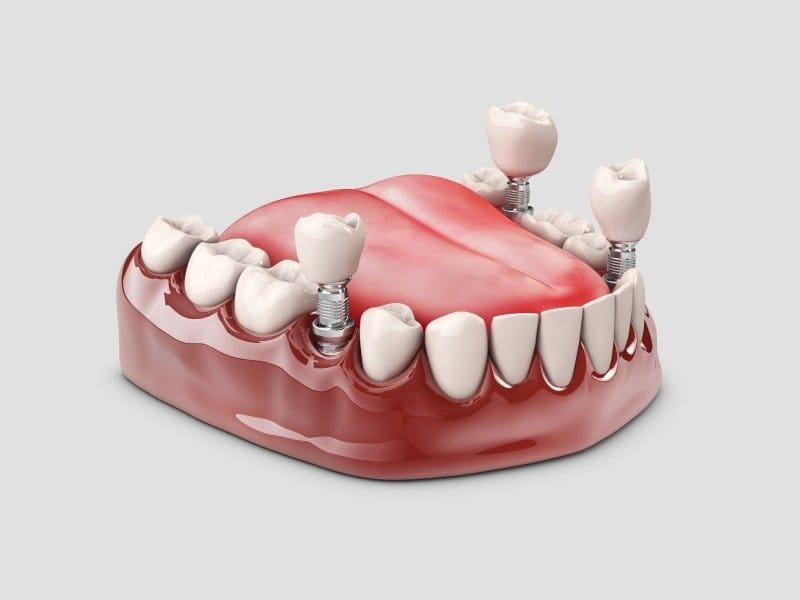
Implant brand matters because the system is one of the variables that shape the outcome ten years later, alongside bone volume, site and maintenance. The technical differences between systems show in the surface treatment and the connection geometry, and the volume of published clinical data shows how well each system is documented. A serial-numbered certificate records the manufacturer, system name, diameter, length and lot or serial number; years later, if a screw loosens or an abutment needs replacing, the compatible part cannot be chosen without it, because every manufacturer uses a different connection geometry and platform diameter.
- 01The implant system is one of the variables that shape the outcome ten years later, alongside bone volume, site and maintenance.
- 02The technical differences between systems show in the surface treatment and the connection geometry; the volume of published clinical data shows how well each system is documented.
- 03A serial-numbered certificate ensures continuity of care anywhere in the world.
- 04Mosdent selects the implant system per indication; any system used must have published long-term clinical data and documented long-term component availability.
When you receive a quote for an implant procedure, the first line reads "Brand". To most guests this name says little. It looks interchangeable, a small detail below the package price.
Yet the implant system decision is one of the variables behind what shows up ten years later, and it is usually the least understood line on the quote.
Implant surface data and specification criteria
Why the specification becomes readable ten years later
The microscopic architecture of the titanium surface influences how readily bone cells accept the implant and how stable it remains over the long term. For the Straumann, Nobel Biocare and Astra Tech surfaces, the volume of published long-term clinical data is a heading you can read in the specification. What you read there is the published follow-up time for that surface and how many implants the follow-up covered.
Every implant is handed over with a serial-numbered certificate. The certificate lets any dentist, years later, identify the system and continue treatment.
What to read in an implant system specification
The difference never shows on the quote; it surfaces over the years. The table below sets out the questions worth asking about any system, whichever one it is.
| Criterion | What to ask |
|---|---|
| Surface treatment | What is the surface called, and is there independent published clinical data for it |
| Survival data | Which cohort does the figure come from, how many implants, how many years of follow-up |
| Connection geometry | Conical or external, and are the components compatible with other systems |
| Component access | For how many years can abutments and prosthetic parts be sourced |
| Certificate & traceability | Is a serial-numbered certificate issued |
What to look for when deciding
- The system's clinical-publication history and follow-up duration
- Long-term access to abutments and spare parts
- Whether a serial-numbered certificate is provided
What these three headings share is that each can be answered with a document. However well a surface or a connection is presented, if there is no published cohort behind it and no parts catalogue that will still exist years later, anything said about the long term stays a guess.
What clinical trials show about surfaces and connections
Systems do differ technically, but it matters which outcome the difference shows up in. A Cochrane review of randomised trials comparing implant types included 27 trials with 1512 participants and 3230 implants across 38 implant types, and on a per participant basis found no significant differences between implant types for implant failures (PubMed 25048469). The same review found that implants with turned, smoother surfaces had a 20% reduction in the risk of peri-implantitis compared with rough surfaces three years after loading, while turned surfaces tended to fail early more often (PubMed 25048469). The authors also note that many of the trials were at high risk of bias, with few participants and relatively short follow-up.
The picture for connection geometry is similar. A network meta-analysis of randomised trials found that 12 months after prosthetic loading, conical connections showed lower marginal bone loss and fewer prosthetic complications than external hexagonal connections, while connection design made no difference to implant survival or biological complications (PubMed 34776267).
These findings move the brand question away from a contest over which system is superior and towards a question of documentation. The evidence does not show that any particular implant type has superior long-term success, yet surface and connection choices can leave a mark on intermediate outcomes such as bone level and prosthetic problems. The question a dentist asks is therefore whether the chosen system has published data on these headings and whether its components can still be sourced years later. The choice itself follows bone volume, the prosthetic plan and surgical timing.
What the certificate does ten years later
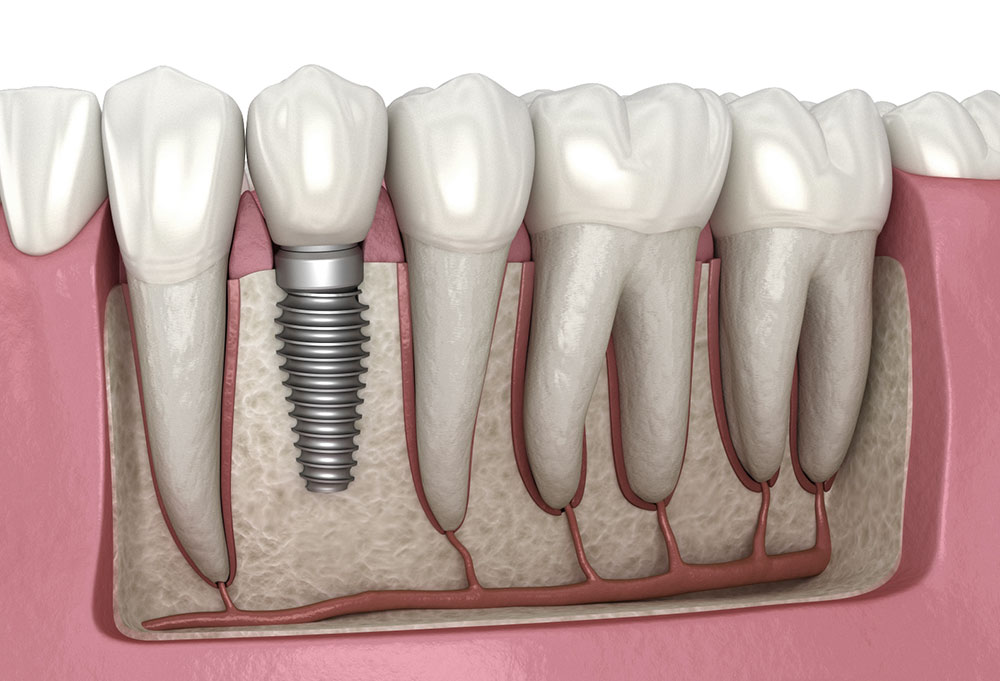
The implant certificate is a document we hand to every guest with the serial number, and it makes the specification permanent. It records the manufacturer, system name, diameter and length, lot or serial number, date of placement and site. A restoration does not seat directly on the implant; it connects through an abutment matching that system's prosthetic platform, and every manufacturer uses a different connection geometry. Ten years later, anywhere in the world, a dentist can use this document to see the brand and model of your implant and choose the compatible part.
That need can arise years later, because an implant stays in the mouth for a long time. A meta-analysis of 18 prospective studies using contemporary implant systems estimated 10-year survival at the implant level at 96.4% (PubMed 30904559). As long as the implant is in place, peri-implant disease can also develop. A systematic review of current epidemiology estimated weighted mean prevalences of 43% for peri-implant mucositis and 22% for peri-implantitis, and the prevalence of peri-implantitis rose with the time the implant had been in function (PubMed 25495683).
Identifying an undocumented implant from an X-ray alone is difficult. In a multicentre data set covering 25 implant systems from 10 manufacturers, the dental professionals who took part classified the system correctly from radiographs with a mean accuracy of 23.5%; the figure was 43.3% for dentists specialised in implantology and 16.8% for those who were not (PubMed 37085970).
Ten years from now, a dentist anywhere in the world should be able to read your implant's brand and continue treatment without missing a step.
The result of a system decision is read over the years, often in year ten. That is why we open up that line on the quote together at consultation, talking through which system, which surface and which connection were chosen, and which published data the choice rests on.
Let's plan the right treatment together.
Free Assessment→- 1.ITI · International Team for Implantology, Treatment Guidelines
- 2.Straumann · Clinical Evidence & Surface Technology
- 3.Esposito M, Ardebili Y, Worthington HV. Interventions for replacing missing teeth: different types of dental implants. Cochrane Database Syst Rev 2014:CD003815. PubMed 25048469
- 4.Camps-Font O, Rubianes-Porta L, Valmaseda-Castellón E, Jung RE, Gay-Escoda C, Figueiredo R. Comparison of external, internal flat-to-flat, and conical implant abutment connections for implant-supported prostheses: A systematic review and network meta-analysis of randomized clinical trials. J Prosthet Dent 2023;130:327-340. PubMed 34776267
- 5.Howe MS, Keys W, Richards D. Long-term (10-year) dental implant survival: A systematic review and sensitivity meta-analysis. J Dent 2019;84:9-21. PubMed 30904559
- 6.Derks J, Tomasi C. Peri-implant health and disease. A systematic review of current epidemiology. J Clin Periodontol 2015;42 Suppl 16:S158-71. PubMed 25495683
- 7.Park W, Schwendicke F, Krois J, Huh JK, Lee JH. Identification of Dental Implant Systems Using a Large-Scale Multicenter Data Set. J Dent Res 2023;102:727-733. PubMed 37085970