Skip to content
MosdentISTANBUL 1992
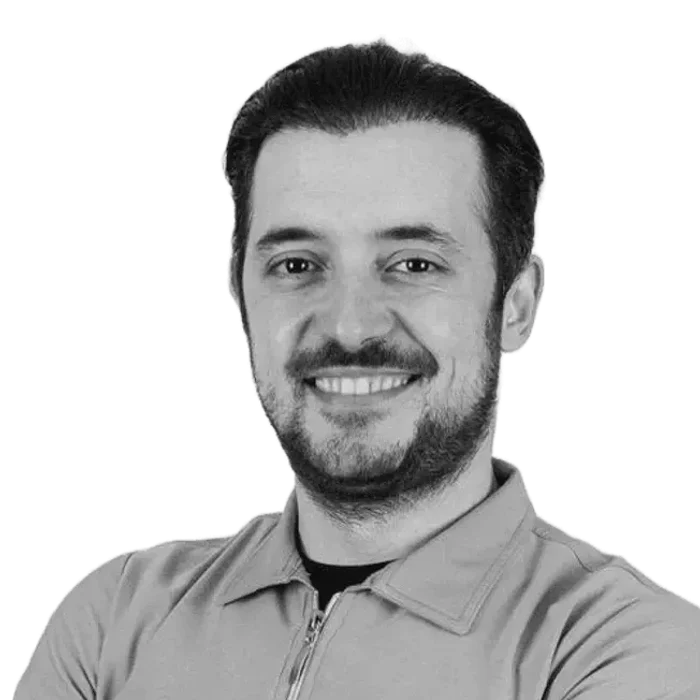
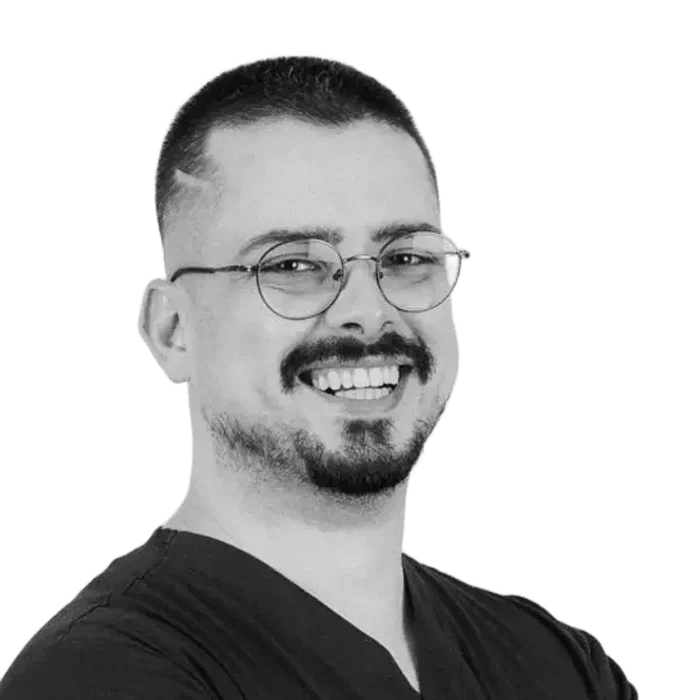
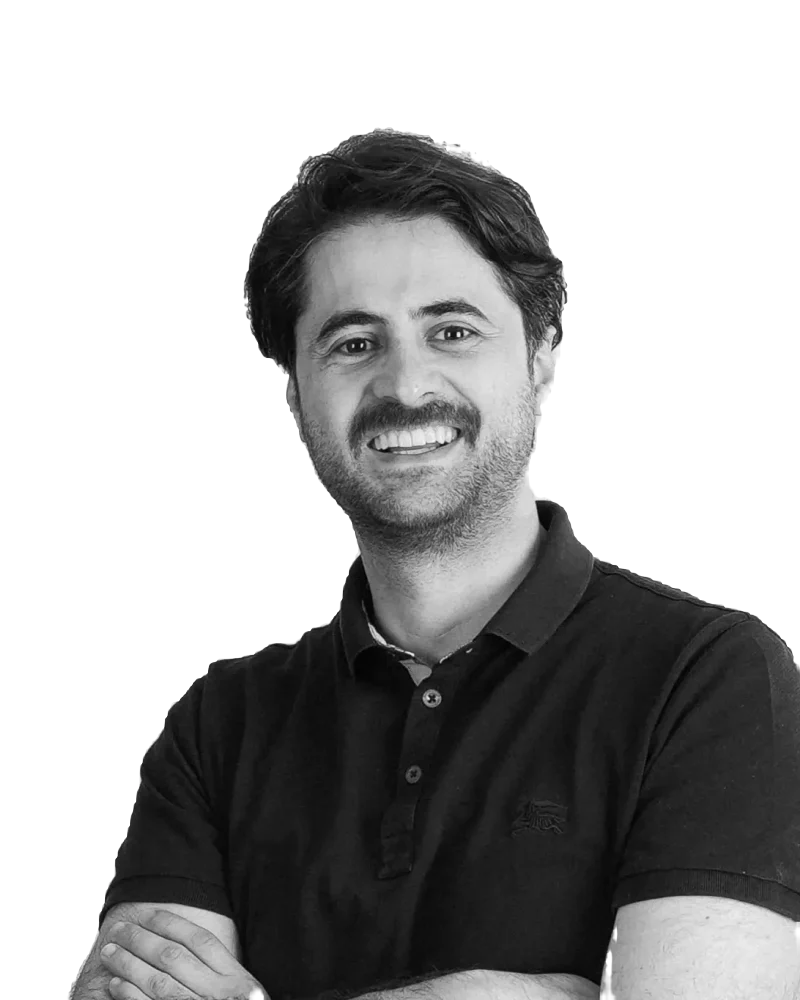
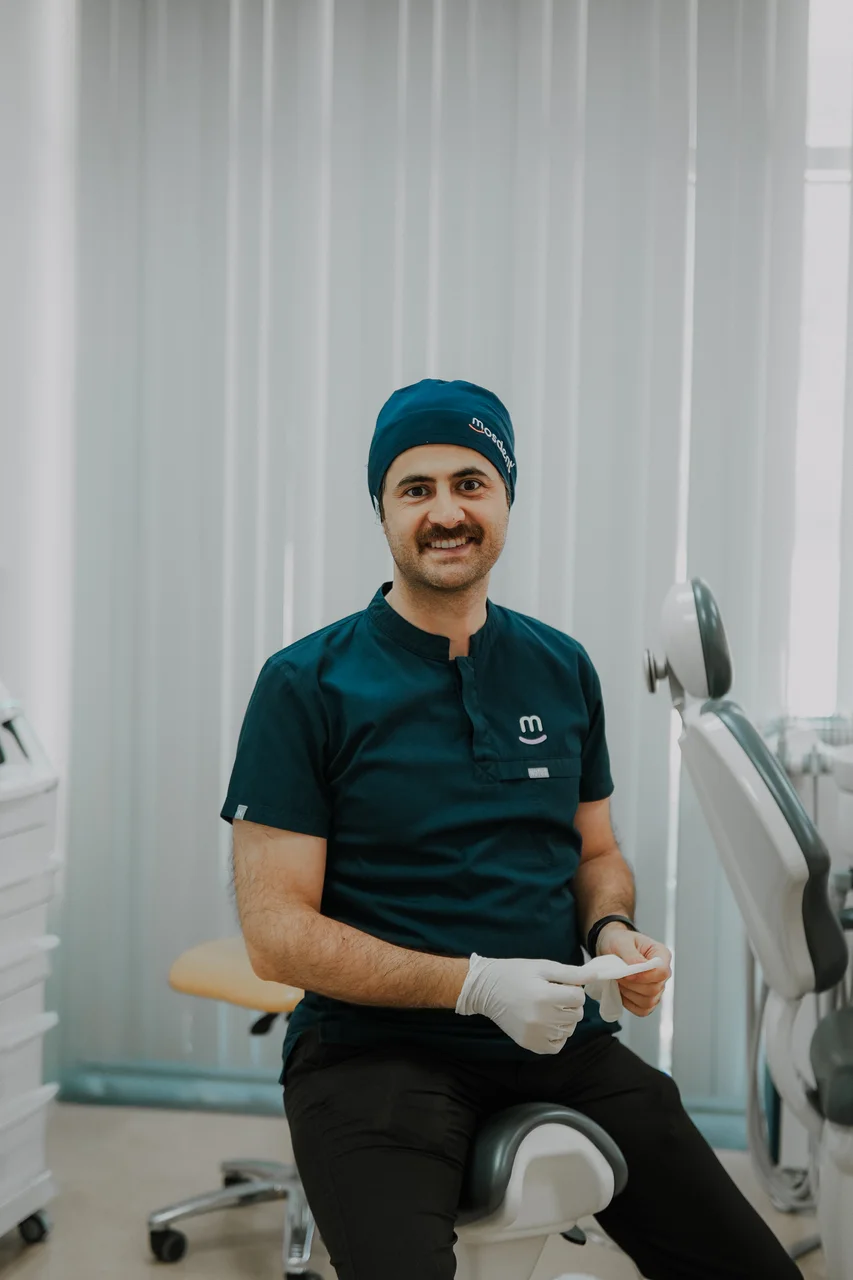
Dr Ahmet Murat Artuç, PhD
9
yrs
Orthodontics · PhD
// Dentist, PhD

Ahmet Murat Artuç

Orthodontics
1200+clear aligner cases
TDA Registration
49654
Graduated
2016
Publications
4
// ABOUT

BIOGRAPHY

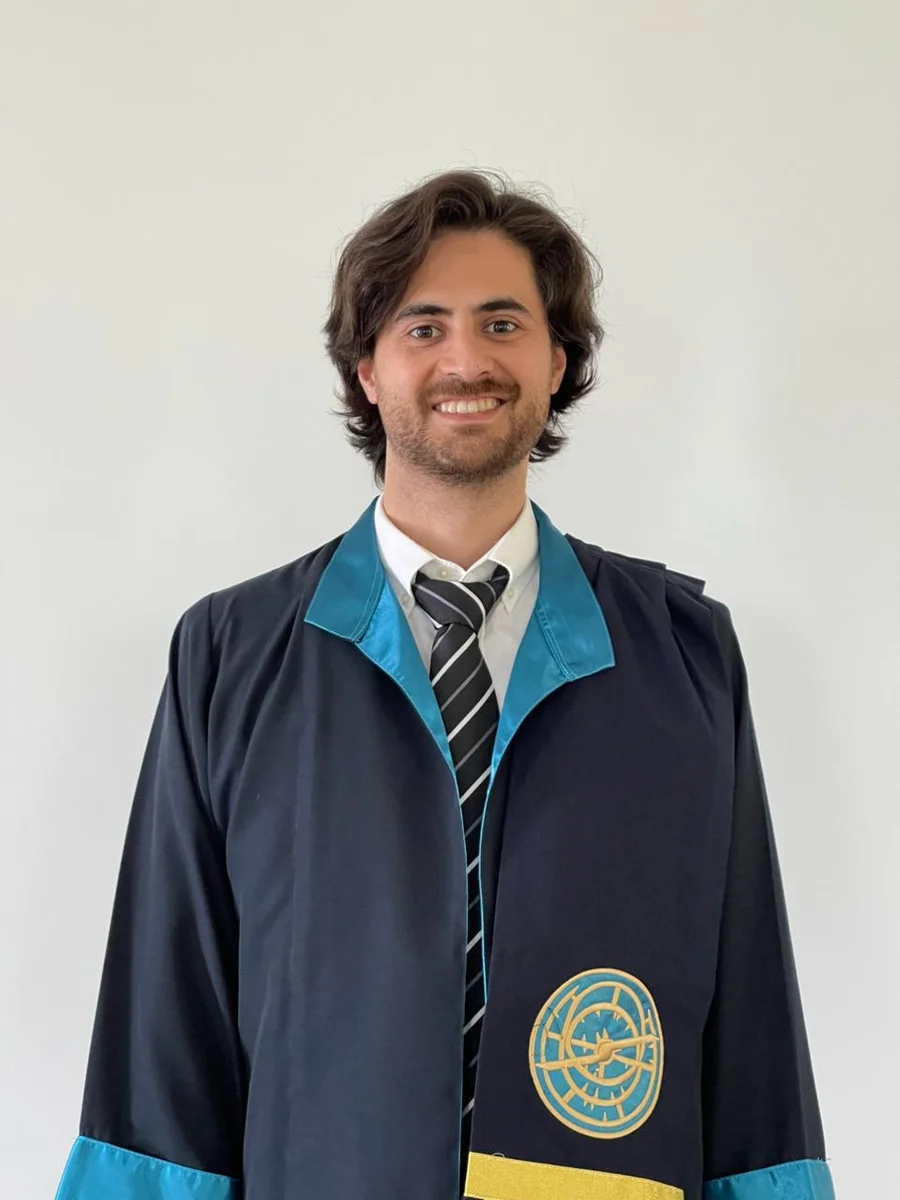
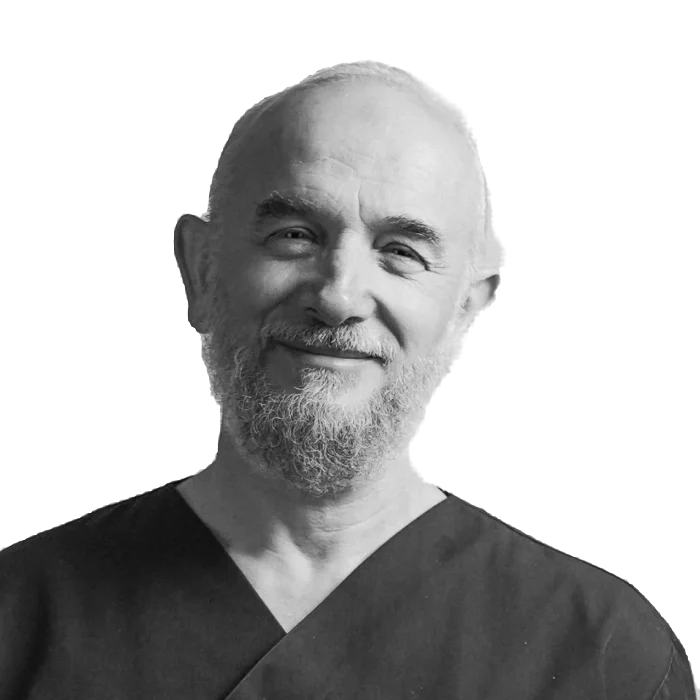
Dr Ahmet Murat Artuç has been Mosdent's orthodontist since July 2017. He graduated from Istanbul University Faculty of Dentistry in 2016, trained at the same university's Department of Orthodontics between 2016 and 2020, and completed his PhD in orthodontics at Biruni University in 2022. His doctoral thesis compared the physical properties of different clear aligner materials. Since 2025 he has also served as an assistant professor in the Department of Orthodontics at Istanbul Aydin University Faculty of Dentistry.

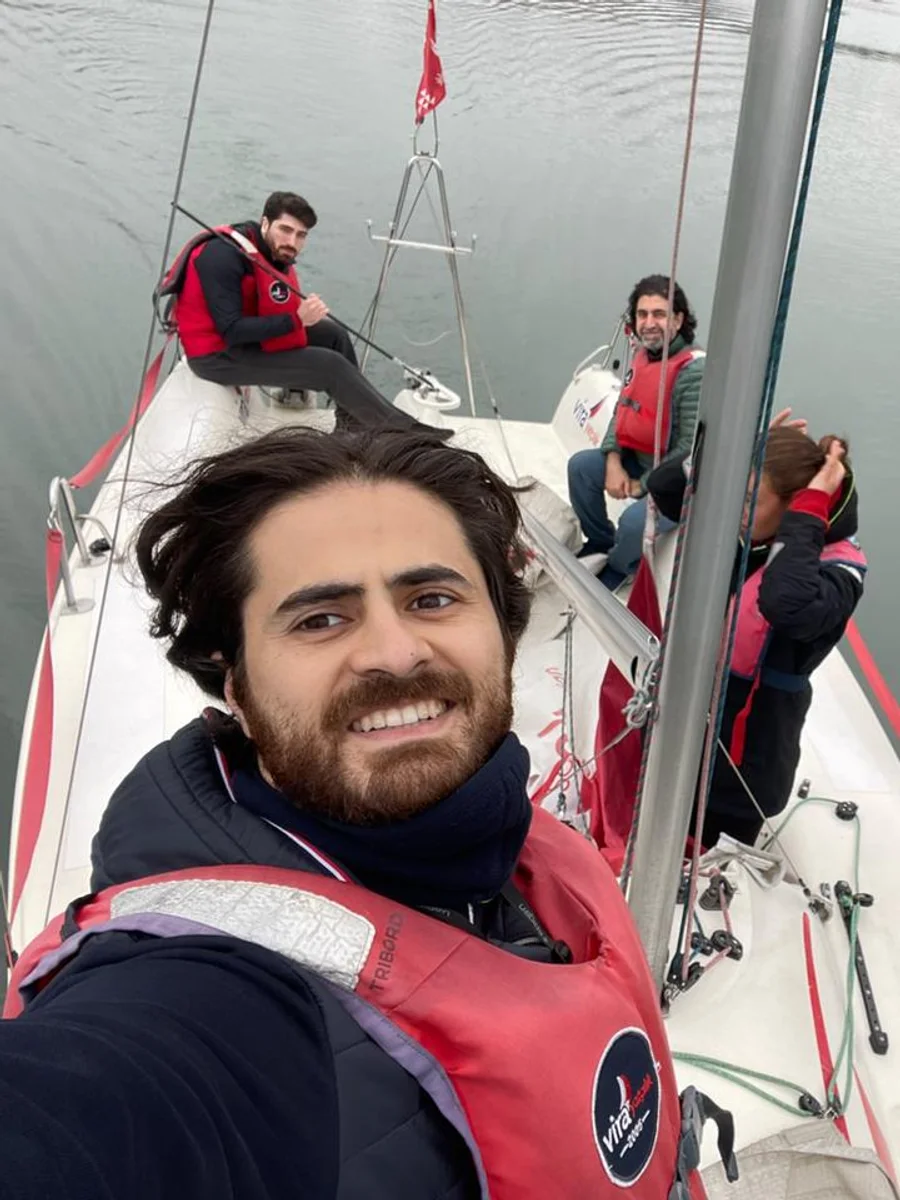
His clinical focus is adult orthodontics and clear aligner therapy; he has managed more than 1,200 aligner cases to date. As an internationally certified Invisalign provider, he plans treatment digitally. Born in Ankara in 1991, outside dentistry he rows and takes photographs.

He renews his professional training regularly, holding certificates from Ravindra Nanda's biomechanics courses (2018, 2019), Ormco's Damon and lingual straight-wire programmes (2019), the ClinCheck planning programme in Cologne (2019), the EUMAA conference in Paris (2019), the Turkish Aligner Society seminar (2022) and the Simply Ortho finishing course in Dubai (2023).

He has peer-reviewed publications on the mechanical properties of clear aligner materials and the biocompatibility of 3D-printed aligner resins. He is a member of the Turkish Dental Association, the Turkish Orthodontic Society and the Turkish Aligner Society.

// IN THEIR OWN WORDS

THE INTERVIEW

Dr Ahmet Murat Artuç, PhD
Frequently asked

Which is better, braces or clear aligners?

There is no single answer that holds for everyone. In orthodontics the right method changes from person to person: the current position of the teeth, the bite problem, the tooth movements required, the patient's age, their daily life and how well they can follow the treatment all have to be weighed together.

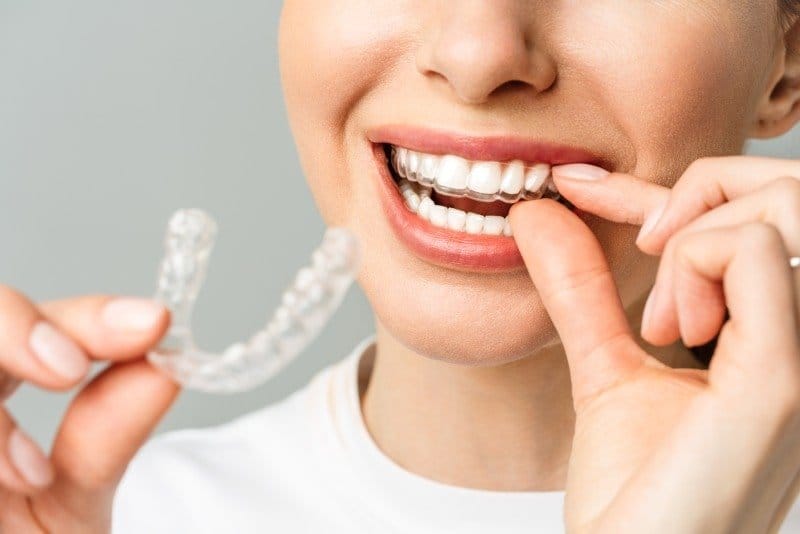
Braces are a method we have used for many years; they are effective and give us real advantages in certain complex tooth movements. Clear aligners are attractive for aesthetics and comfort, and thanks to advances in digital planning and materials they can now be used successfully across a very wide range of cases. In aligner treatment, though, wearing the trays for the recommended hours each day is what decides the outcome.

So what I usually tell my patients is this: the real question is not are braces better or aligners, it is which one is right for me. After the examination and the records have been assessed we talk through the specific advantages and limits of each method for that person, and we reach the decision together. In orthodontics the best method is not the newest or the most popular one; it is the one that is right for that patient and that case.
Common misconception

Orthodontic treatment is only for children and teenagers

In people with healthy teeth and healthy surrounding tissue there is no strict upper age limit for orthodontic treatment. Today both fixed appliances and clear aligner treatment are carried out successfully in adult patients.

It is true that in certain jaw problems, where we can make use of growth and development, treating early in childhood brings real advantages. But that does not mean adulthood is too late. What I tell my patients is that for orthodontic treatment your oral and dental health and the nature of your particular problem matter far more than your age.

Common misconception

Clear aligners only work for mild crowding

When clear aligners first came into use they were chosen for a more limited set of cases. As digital planning methods, aligner materials and supporting attachments have developed, we can now use them for a much wider group of patients and for more complex problems.

That said, a clear aligner is not automatically the right choice for every patient. Some tooth movements can be made very predictably with aligners, while others may need different mechanics, supporting attachments or fixed treatment. What matters to me is not whether the treatment is done with braces or with aligners, but that the diagnosis is correct and the method is planned for that particular patient.

Case

The father who decided on his own treatment while watching his daughter come to the end of hers

We had just completed a rather difficult course of clear aligner treatment for a child patient and we were in the final session. When it was all over her father looked at the result and asked me whether he could have the same treatment. I answered naturally that of course we could assess him as well.

I assumed that was a sentence for another day. Without waiting at all he sat down in the chair his daughter had just left and said we should start on him there and then. He did not even have an appointment.

We come across situations like this more often than you would think. Parents who follow their child through treatment see the change up close, and they also see that the process is easier than they had imagined. Sometimes the change in a child's smile becomes the courage a mother or father needs for the treatment they have been putting off for years.

Case

The patient who chose to start treatment two weeks before giving birth

A patient who was 38 weeks pregnant came to the clinic and said she wanted to start clear aligner treatment. She explained that ever since childhood people around her had told her she should get braces, but that she had never wanted fixed appliances. She had put it off for years; once she learned she could be treated with aligners she decided to begin.

With so little time left before the birth I suggested that we could start afterwards, as it would be more comfortable for her. Her answer was clear: she would have given birth before the aligners even arrived, so I should go ahead. It turned out she had already worked it out and wanted to get through most of the treatment during her six months of maternity leave. The period I was counting as a reason to postpone was, for her, exactly the right moment to begin the treatment she had delayed for years.

And that is how it went. She gave birth while the aligners were being made, then we started treatment and completed it successfully. It reminded me of something: in orthodontics we have to understand not only the teeth but the person in front of us. Sometimes what stands in the way of a treatment postponed for years is not the treatment itself, but the fact that the right alternative for that patient had simply never been put in front of them.

Where I say no

When I do not recommend treatment

If I think the planned treatment will not bring the patient a real benefit, or that the result to be gained is not worth the effort the process will demand, I prefer not to recommend it.

The aim of orthodontic treatment is not to make small changes to the teeth; it is to contribute meaningfully to oral health, to function or to the aesthetic expectation the patient came with. Sometimes patients focus on very small details that need no treatment, or hold expectations about a method that is not suitable for them. In such cases I explain openly why I am not recommending treatment.

Being technically able to carry out a treatment does not mean it has to be done. If I do not believe the patient will gain a meaningful benefit, I see saying so plainly as part of my professional responsibility.

Dr Ahmet Murat Artuç, PhD
IN THEIR OWN HAND
Because every patient and every case is different, rather than applying the same treatment to everyone I assess the patient's problem, lifestyle and expectations together with them, and then identify the option that is most suitable, most predictable and as comfortable as possible.
Dr Ahmet Murat Artuç, PhD
Documented credentials

Certificationadvanced training

Award
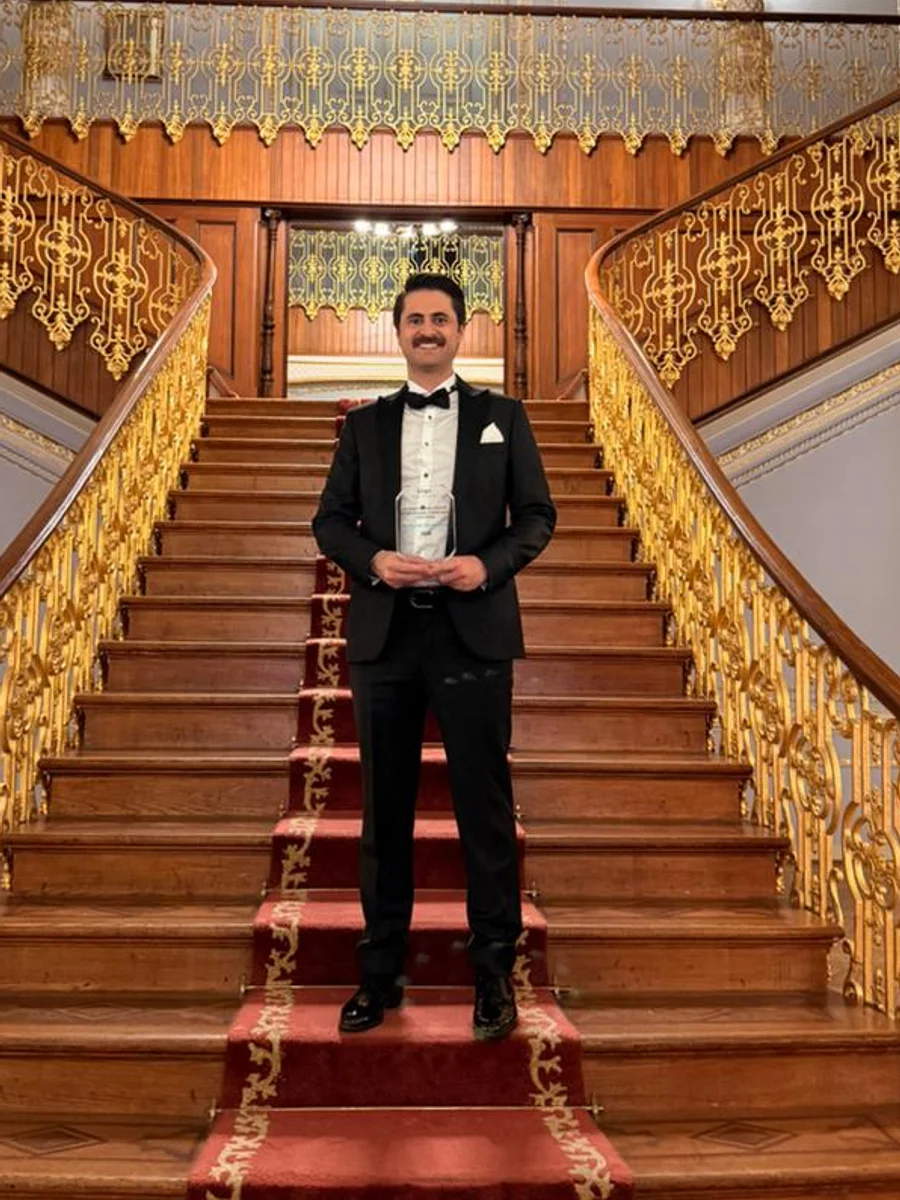
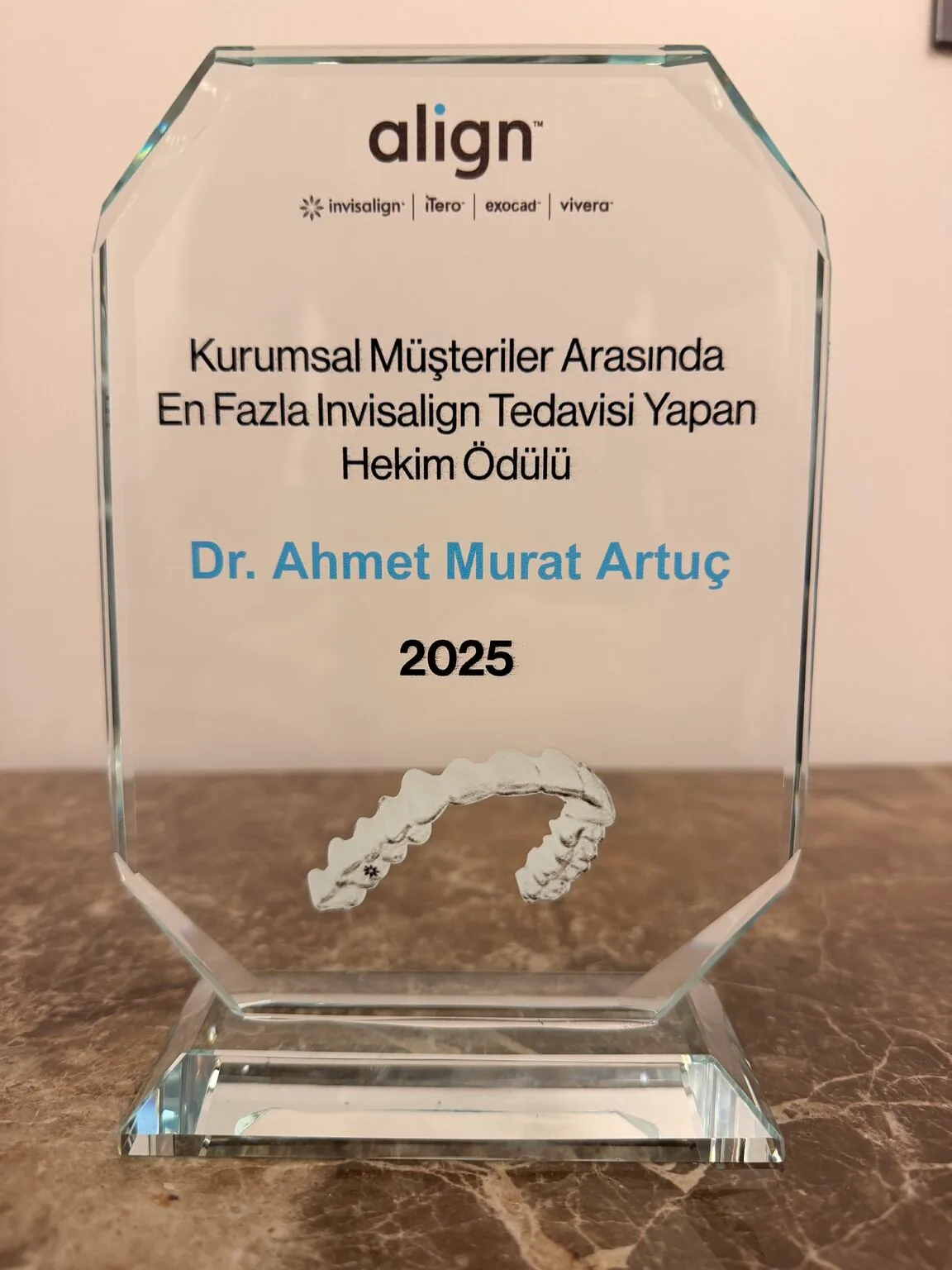
Align Technology glass award plaque for the highest number of Invisalign treatments among corporate customers, Dr Ahmet Murat Artuç, 2025
  • Most Invisalign Treatments Among Corporate Customers, Doctor Award (2025) · Align Technology, Night of Brilliance 2026
  1. 01Awareness in Clear Aligner Treatment · MiA Academy, Dr. Bertan Güzel, Istanbul, 2026
  2. 02Orthodontic Solutions: Treating and Finishing with Excellence · Simply Ortho, Dr. Kleber Meireles, Dubai, 2023 (16 hours)
  3. 03Orthero Masters' Class · International orthodontic training and qualification, Pamukkale, 2023
  4. 04Plan My Case Aligner Forum · 2023
  5. 05Turkish Aligner Society Full-Day Training Seminar · Izmir, 2022
  6. 06EUMAA & Friends Conference Day · Dr. David Couchat, Dr. Waddah Sabouni, Paris, 2019 (8 hours)
  7. 07Professional ClinCheck Planning · inviSolution, Cologne, 2019 (8 training credits)
  8. 08Science + Evidence + Biomechanics in Clinical Orthodontics · Dr. Ravindra Nanda, Istanbul, 2019
  9. 09Advanced Damon Course · Ormco, Dr. Dimitris Mavreas, Istanbul, 2019
  10. 10ALIAS Lingual Straight Wire Course · Ormco, Dr. Giuseppe Scuzzo, Istanbul, 2019
  11. 11Non-surgical Treatment for Surgical Malocclusions · Dr. Chris Chang, Istanbul, 2018
  12. 12Biomechanics and Esthetic Based Orthodontic Treatment Strategies · Dr. Ravindra Nanda, Istanbul, 2018
  13. 13Orthodontic Treatment Mechanics: Now and in the Future · Dr. John Bennett, Istanbul, 2018
  14. 14Dental Photography in Clinical Practice · Dentsem, Dr. Bora Korkut, 2019
  15. 15Laboratory Animal Use Certificate · Istanbul University Local Ethics Committee, 2017
Ahmet Murat Artuç

More thanjust a doctor

Dr. Dt. Ahmet Murat Artuç
It begins with a conversation

Meet Dr Ahmet Murat Artuç, PhD.

WhatsApp

Not sure which treatment fits? Tell us what’s wrong →