
2025
// Restorative
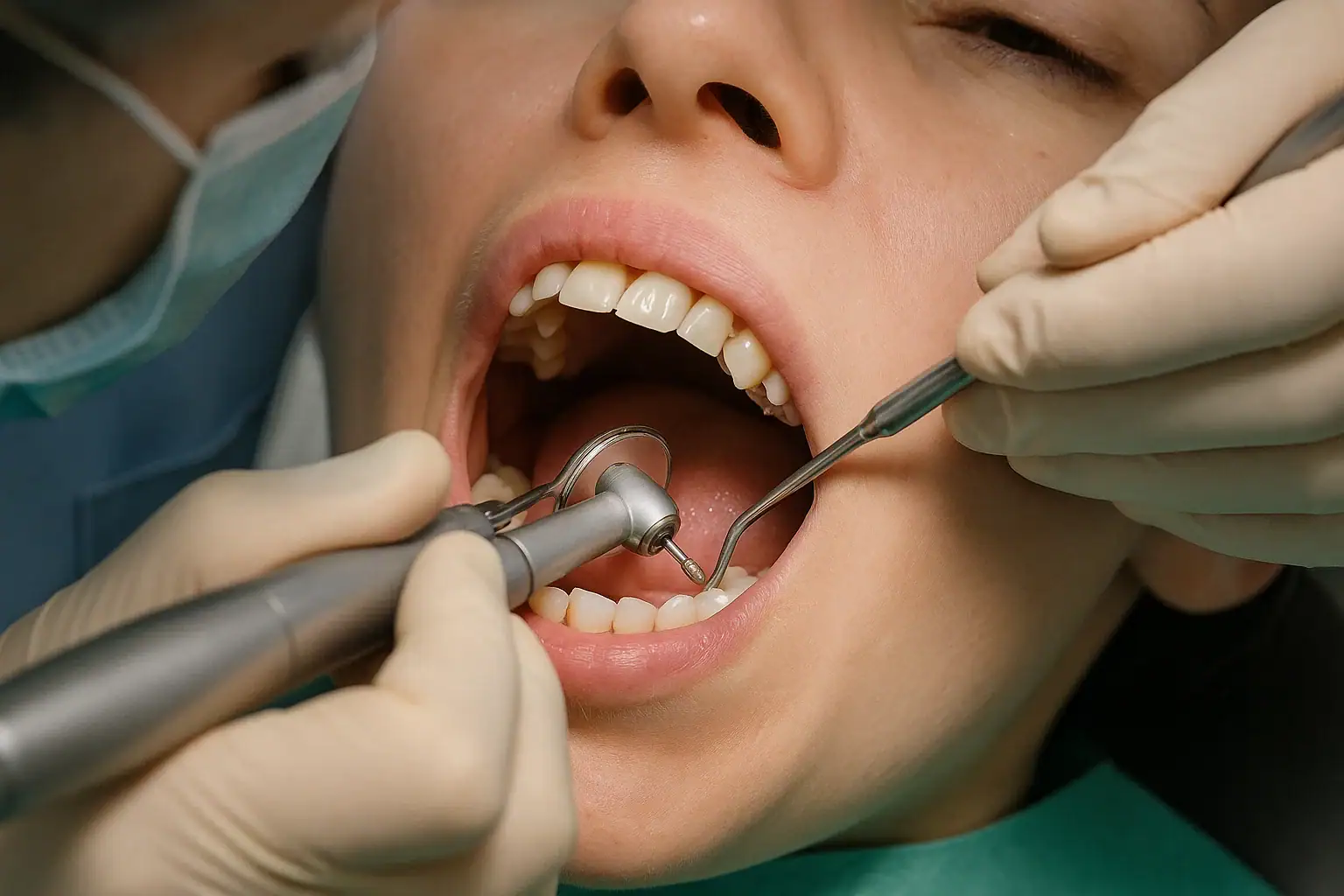
Treating a Cavity: Filling, Onlay or Root Canal
In a Cochrane review of 22 trials, fluoride varnish cut caries increment by 43 percent in permanent teeth. Here is what causes decay and what stops it.
Bİ
Dr İsmail Batuhan İp
Clinical experience, misunderstood concepts and frequently asked questions. Notes from many years of practice.
In a Cochrane review of 22 trials, fluoride varnish cut caries increment by 43 percent in permanent teeth. Here is what causes decay and what stops it.
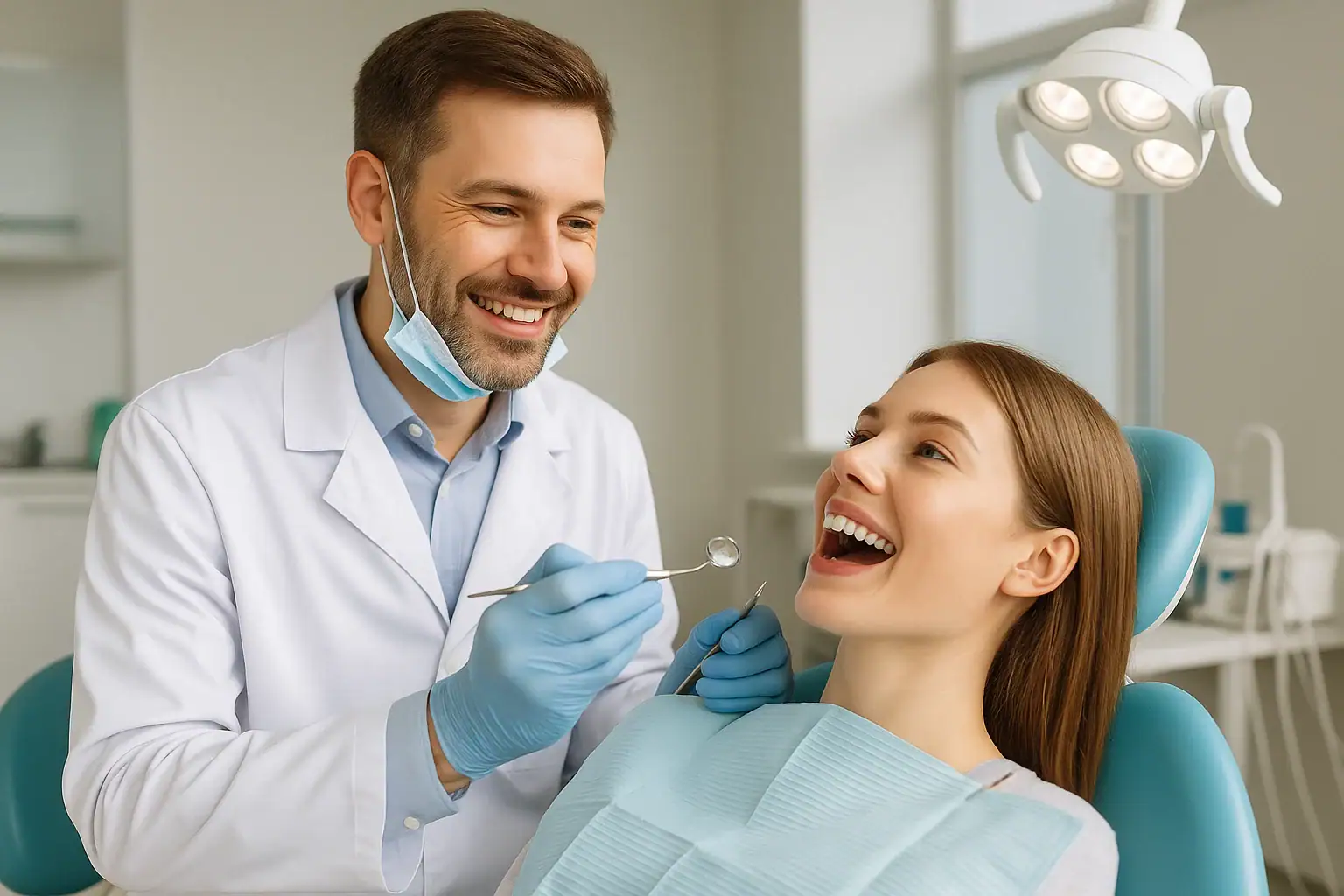
A systematic review of 233 articles from 49 countries found out-of-pocket payment ahead of dental fear. Here is how insurance acceptance is settled.
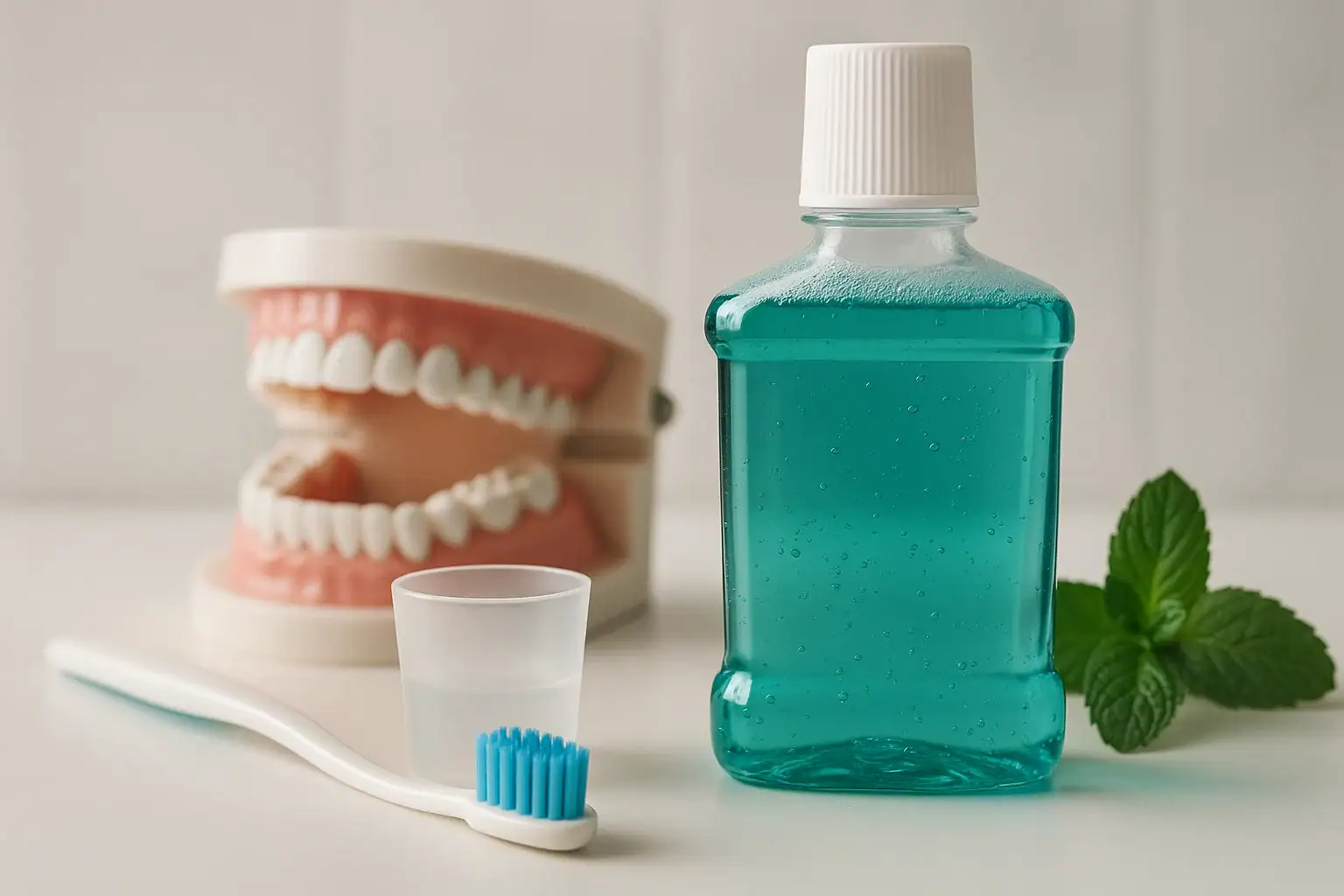
Antibacterial mouthwash reduces plaque when used with brushing and cannot replace it; chlorhexidine led across 12 trials and also stained teeth.
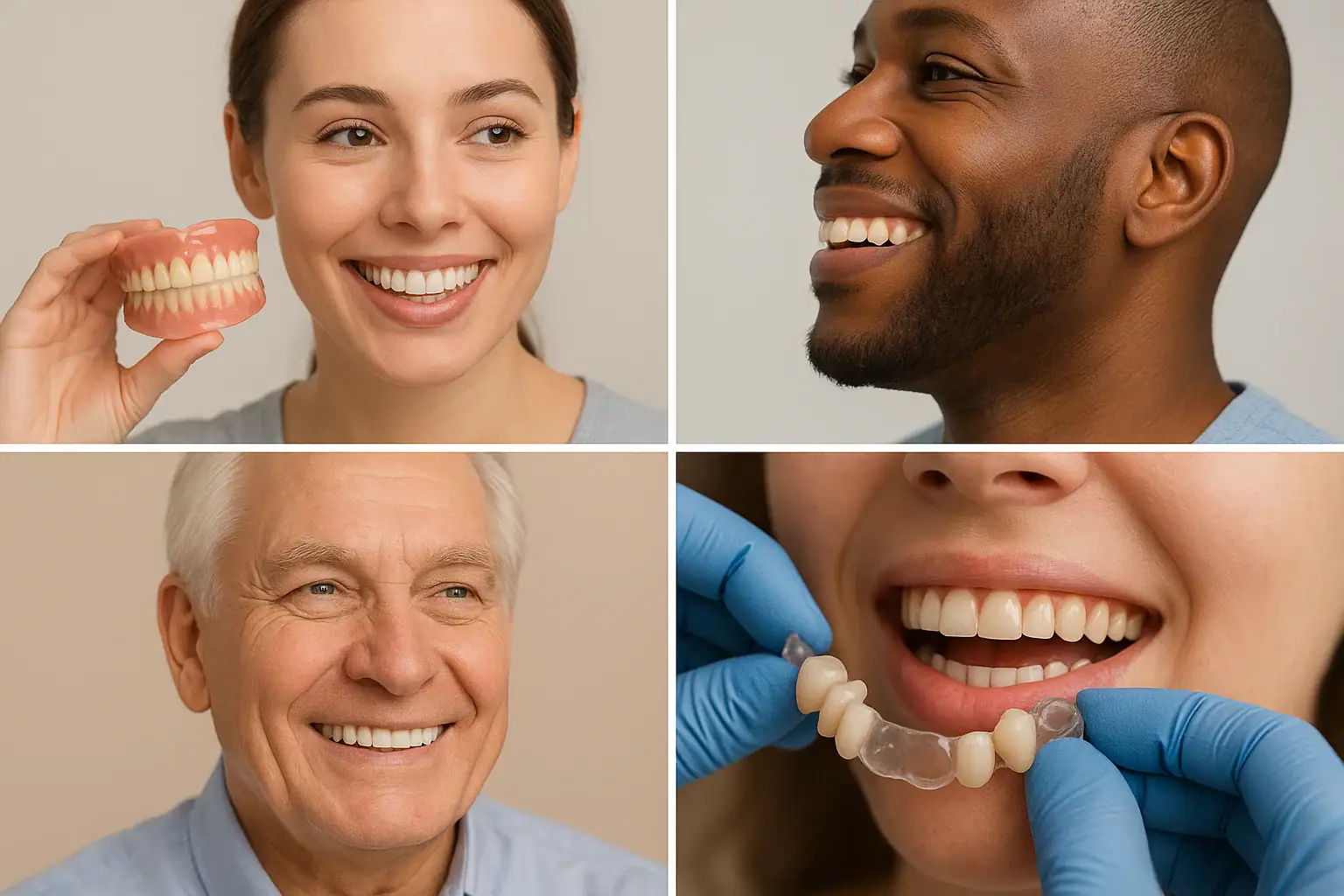
Across 35 studies, implant-supported single crowns reached an estimated 98.3% five-year survival for metal-ceramic, while composite veneers pooled 88%. Dentures, bridges, implant crowns and veneers compared.
Nobel Biocare is a Zurich-based implant maker grown from Branemark's research; its TiUnite surface showed 95.14% implant survival at 10 years in 106 studies.
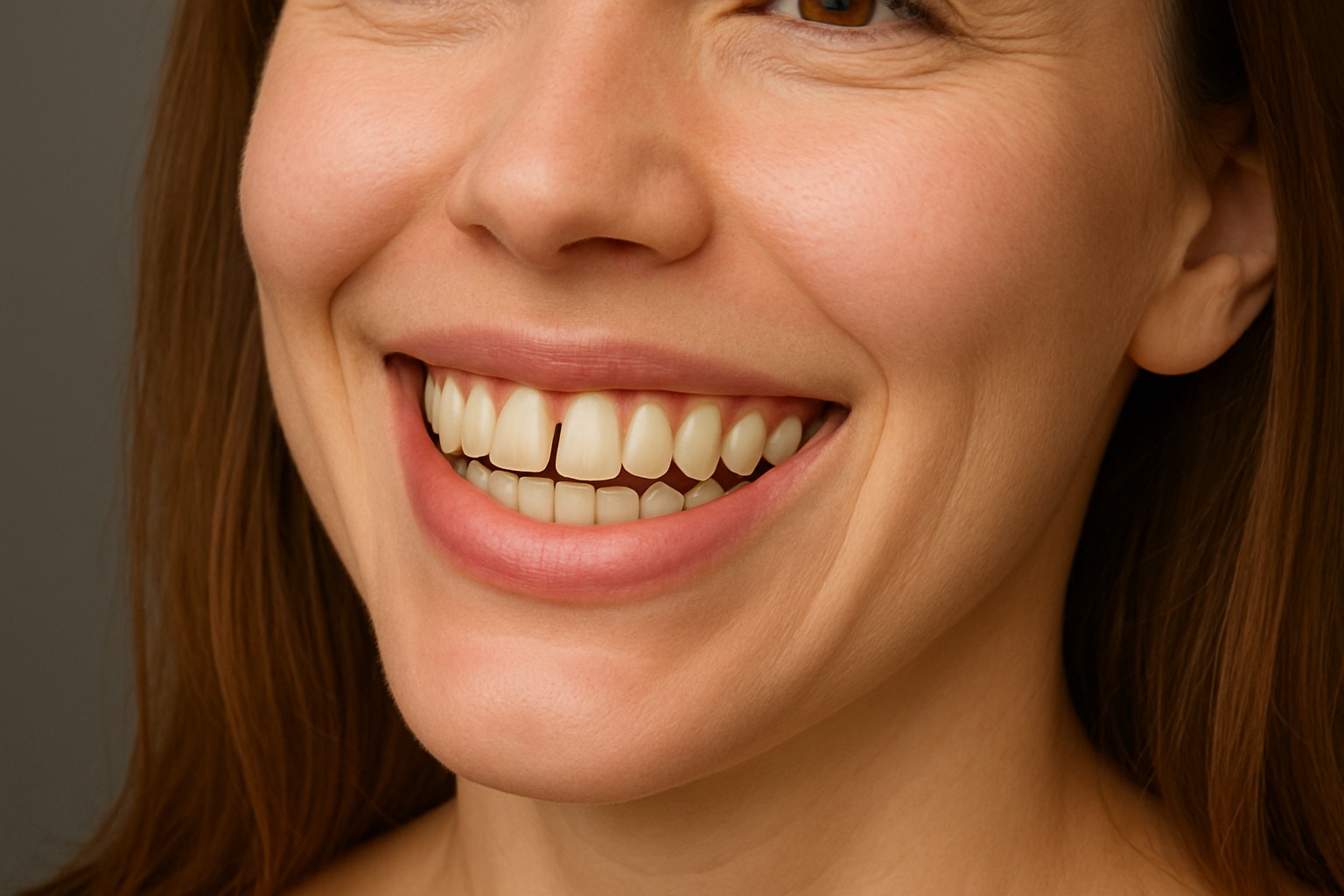
A diastema is a visible gap between two teeth, most often the upper central incisors; common in children, it rarely closes on its own in adults.
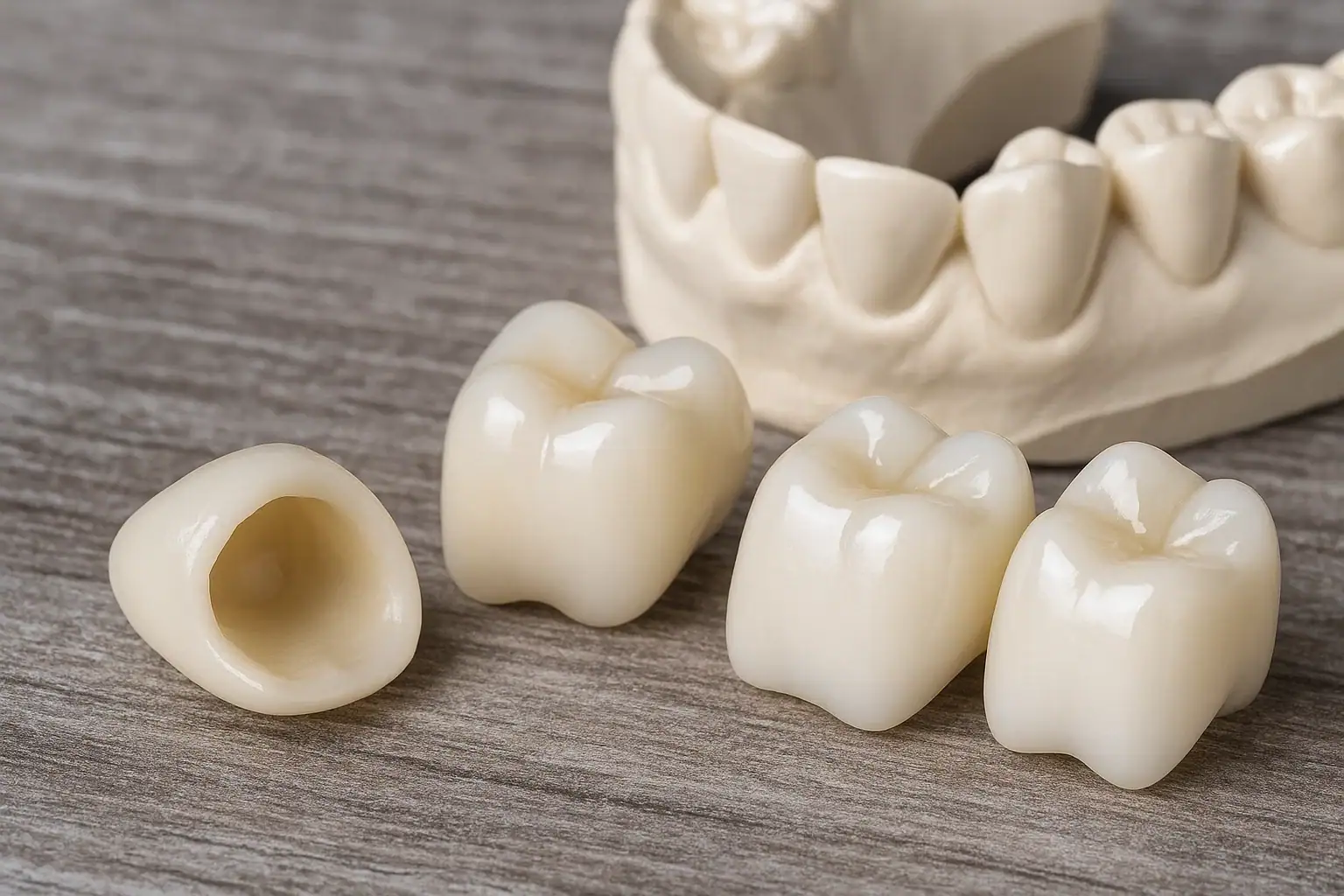
Zirconia crowns are metal-free caps milled from zirconium dioxide; translucent 4Y-PSZ averages 803 MPa flexural strength, and no metal line shows at the gum.
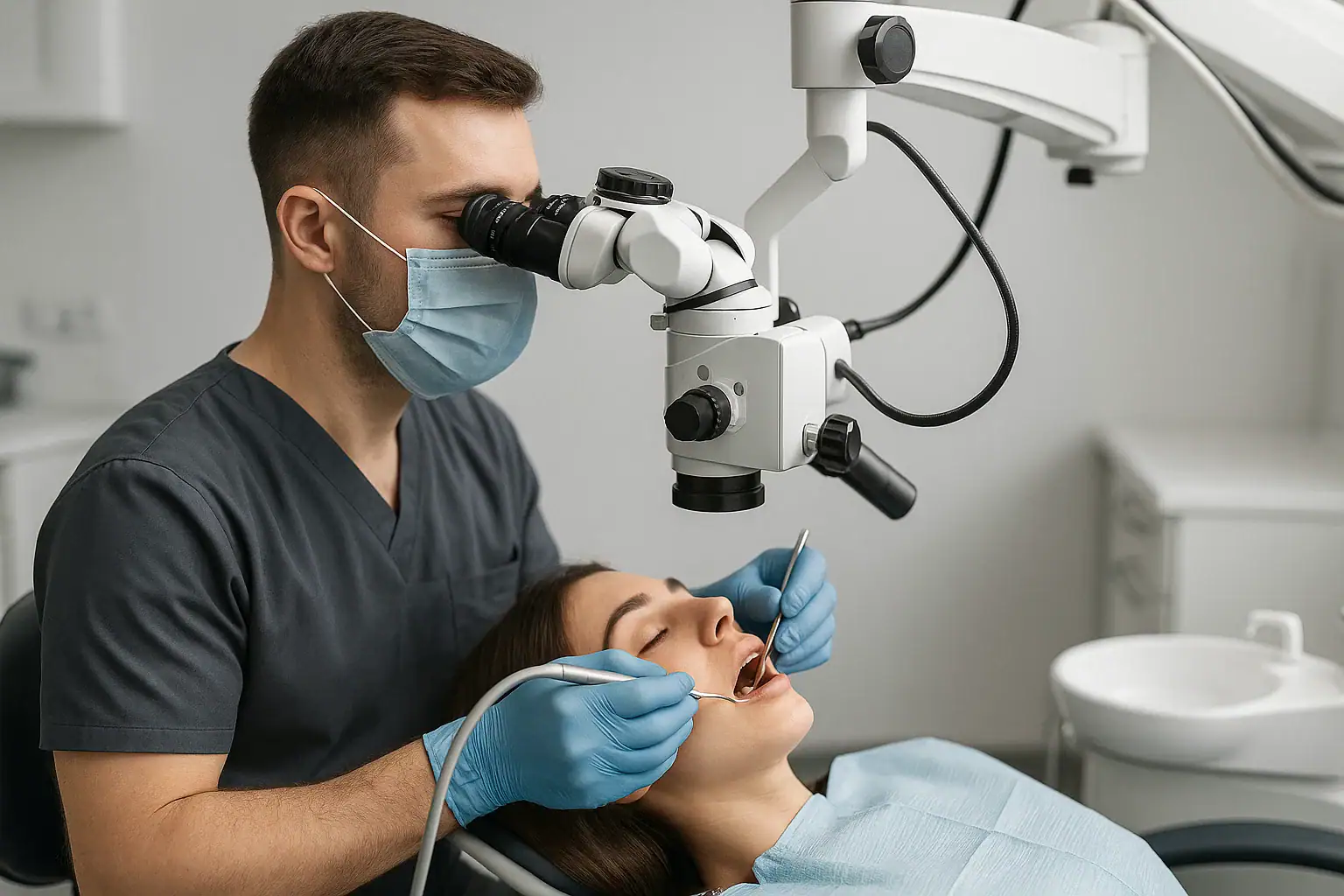
Micro endodontics is root canal treatment under a dental operating microscope, finding hidden canals and root fractures; a session takes 60 to 90 minutes.
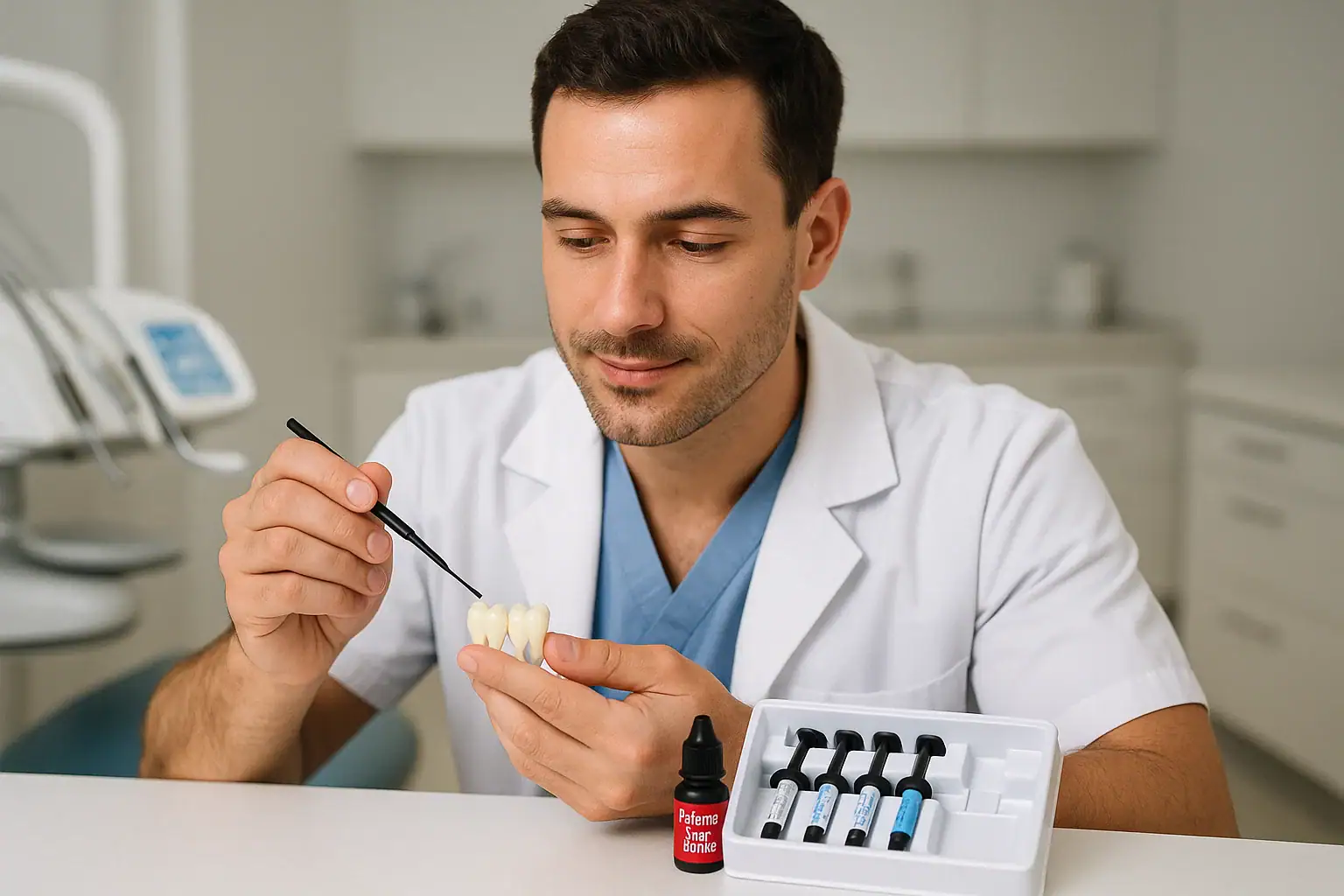
Postoperative sensitivity was more frequent with etch-and-rinse than self-etch (RR 2.12). Dry and wet bonding showed no significant retention difference.