Skip to content
MosdentISTANBUL 1992
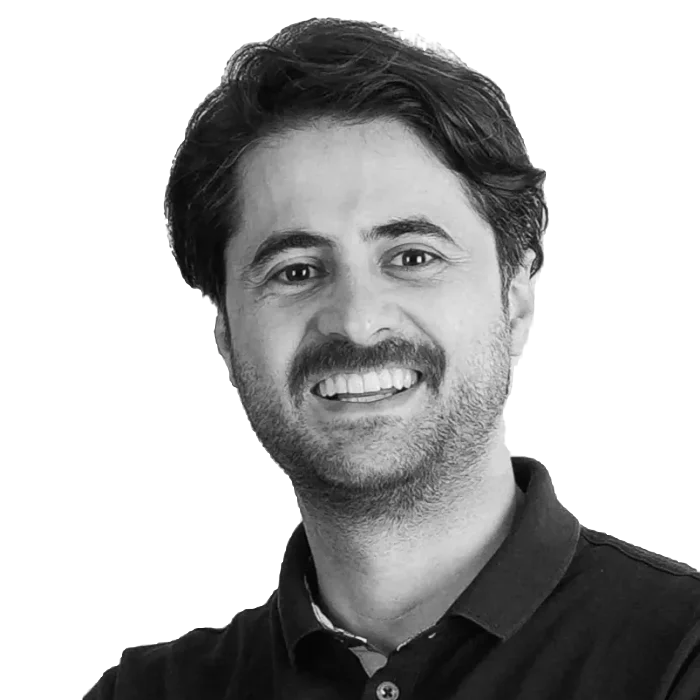
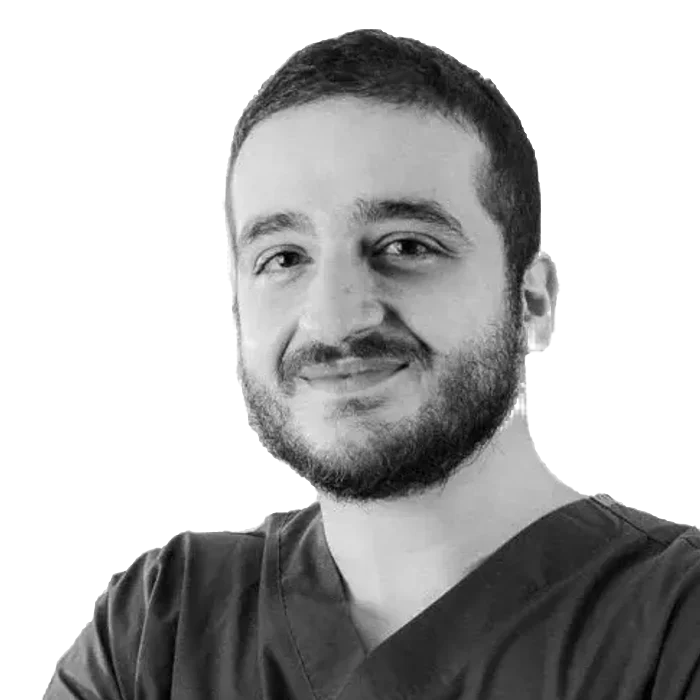
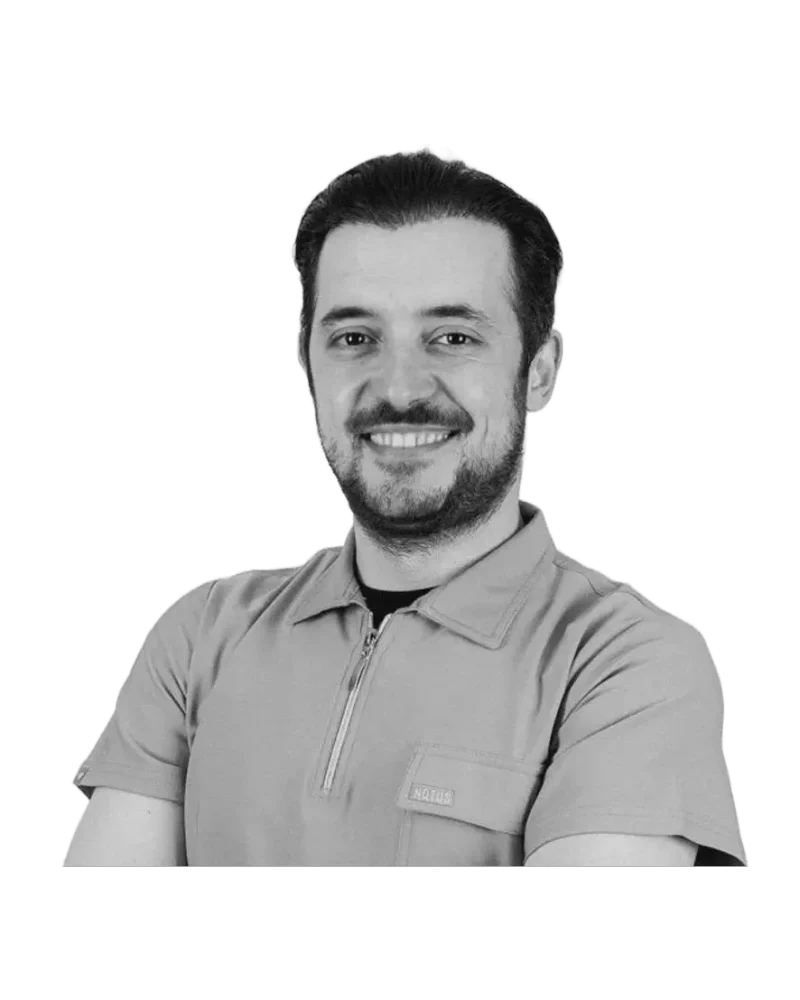
Dr Alaaddin Kılıçaslan, PhD
9
yrs
Prosthetics · PhD
// Dentist, PhD

Alaaddin Kılıçaslan

Prosthodontics
5000+crown and veneer cases
TDA Registration
42233
Graduated
2017
Publications
4
External Profile
// ABOUT

BIOGRAPHY

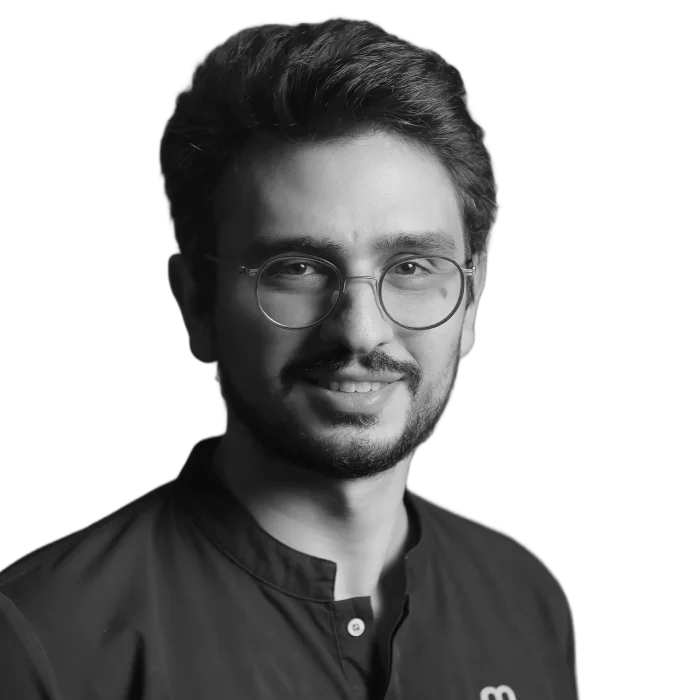
Dr Alaaddin Kılıçaslan is Mosdent's prosthodontist. Born in Istanbul in 1995, he graduated from Istanbul Medipol University Faculty of Dentistry in 2017 and completed his PhD in prosthodontics at the same institution in 2023. His doctoral thesis evaluated depression and somatisation findings in muscle- and joint-related temporomandibular disorders.

His clinical focus is fixed prosthetics, implant-supported prosthetics and aesthetic restorative work, with over five thousand crown and veneer cases. He plans treatment using intraoral scanners and AI-assisted smile design.

Temporomandibular disorders remain an interest from his doctoral work; night guards and joint splints are part of his clinical routine.

He has published a case series on the minimally invasive restoration of fractured maxillary central incisors with partial laminate veneers.

Originally from Antalya, he completed his secondary education at Beylikdüzü İhlas College and has worked at Mosdent since graduating in 2017. Alongside his doctoral studies, from 2018 he taught dental technician and oral health students as a lecturer at Üsküdar University Vocational School of Health Services.

Outside dentistry he enjoys photography, plays football and basketball, and likes exploring Istanbul's historic neighbourhoods.

// IN THEIR OWN WORDS

THE INTERVIEW

Dr Alaaddin Kılıçaslan, PhD
Frequently asked

What do you pay attention to in smile design?

The appearance of the face, the way the teeth and the jaws come together, the patient's expectations and the length of treatment are assessed as a whole; only after that is the treatment option that suits the patient put forward.

Frequently asked

What is the difference between zirconia, E.max and porcelain fused to metal, and which should I have?

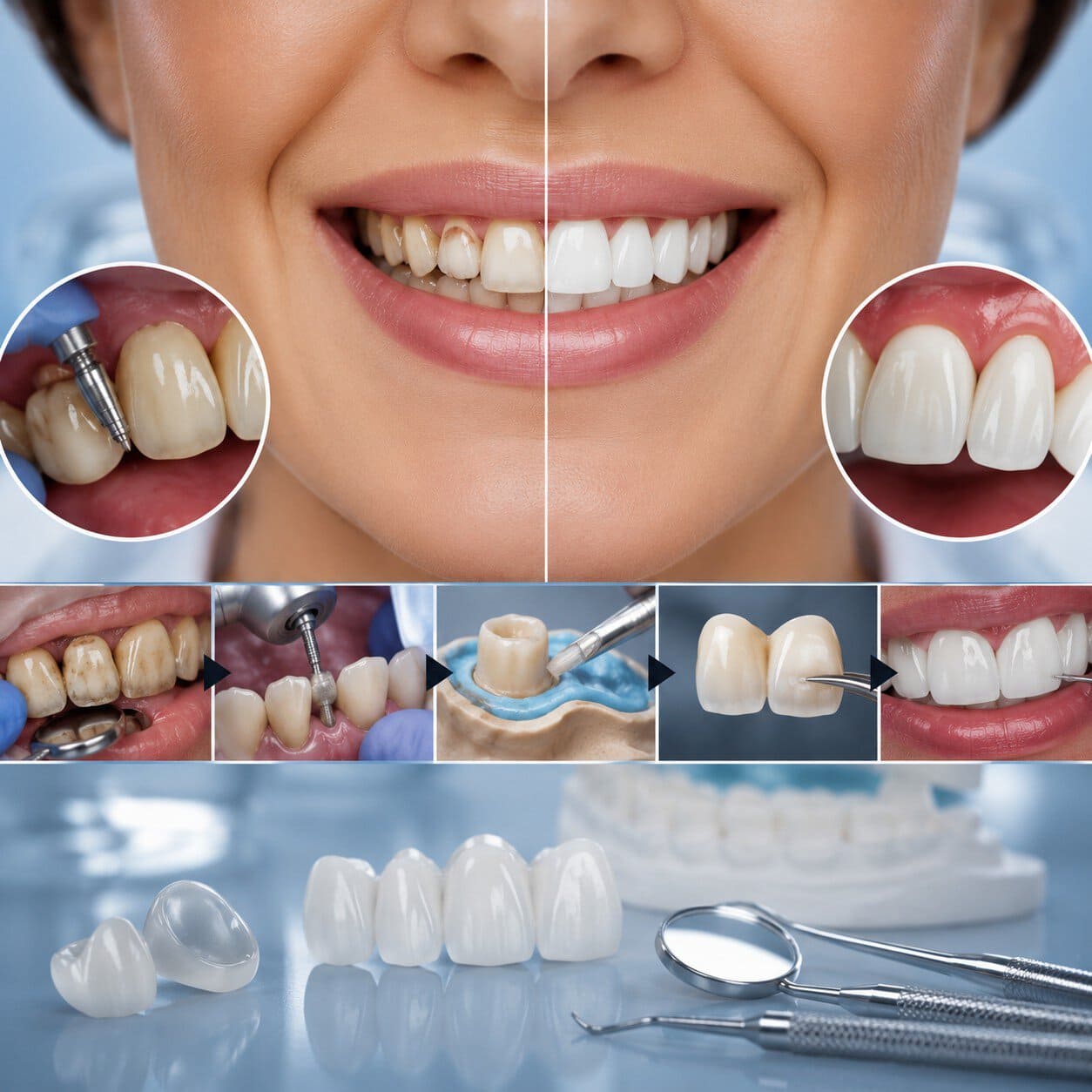
In the technique we call a crown, the tooth is prepared all the way around; in a laminate veneer only a small amount is reduced from the front surface. Where the situation allows, we prefer E.max restorations, which need as little reduction as possible.

If there is extensive loss of tooth structure, or if a bridge is needed and several teeth have to be joined together, we move to crown restorations. In those cases porcelain fused to metal or zirconia comes to the fore.

Porcelain fused to metal carries a dark line that is not visible at first but can become noticeable later if the gum recedes; zirconia is white all the way through. That makes zirconia restorations more aesthetic, kinder to the soft tissue and suitable for digital workflows.

When long-span bridges are needed, porcelain fused to metal is still what comes to our rescue.

Frequently asked

I feel pain in my jaw when I wake up in the morning. What causes it?

Jaw pain on waking very likely comes from clenching or grinding during the night. If the intraoral examination shows the signs that confirm it, we move to a protective night guard or a temporomandibular joint splint.

These appliances protect the teeth and the joint while also relaxing the muscles, which brings the pain down and keeps new pain from developing.

Common misconception

Laminate veneers fall off

They do not. However little reduction has been done, a properly made laminate veneer does not have a problem with coming away.

Common misconception

I will not be able to use my crowns like my own teeth

You will. Crowns that are properly planned and properly made can be used for many years just as you use your own teeth.

Case

The patient who spent years treating their ear

Before coming to me about the pain around the jaw, one of my patients had spent a long time knocking on other doors. Thinking it was earache they had been to an ear, nose and throat specialist; for the headaches they had seen other doctors; nothing had come of it. Their arrival with us was really a coincidence; they had come for a routine dental check-up.

At the examination I asked a few simple questions. When is the pain worst? In the morning. Does the jaw tire, does it lock? Now and then. And the intraoral examination showed the marks that confirm night-time clenching. The source of the problem was not the ear; it was the jaw joint and the muscles.

We managed the process together with appropriate appliance therapy; as the muscles eased, so did the mornings. I tell this case often, because jaw joint complaints can present themselves as pain somewhere else entirely. A patient can spend years looking for the answer at the wrong address. Asking the right question is sometimes worth more than the most expensive test.

Case

The patient who broke a front tooth

A patient arrived with a broken front tooth. They were anxious; an important day was coming up soon, and every glance in the mirror showed them the fracture. Their first sentence was to ask whether we were going to cut the whole tooth down and crown it.

No, we said. The fracture was limited and the rest of the tooth was sound; there was no need to sacrifice healthy tissue. Instead of preparing the whole tooth we planned a minimally invasive restoration that completed only the broken part. The restoration of fractured front teeth with partial laminate veneers is a subject I have published on; the strength of the approach shows itself precisely in cases like this.

What surprised my patient most was that almost all of the tooth they thought they had lost was still in place. My job was to complete what was missing, not to cut away what was sound. First, do no harm is not a sentence written in a book; it is the substance of the decisions taken in the chair every day.

Where I say no

When I do not recommend treatment

This comes up often. Patients who need no restoration and want their teeth prepared purely for aesthetic reasons are steered towards more conservative treatments such as orthodontics or laminate veneers, and we try to offer them solutions that will leave them happier in the long run.

Dr Alaaddin Kılıçaslan, PhD
IN THEIR OWN HAND
First, do no harm.
Dr Alaaddin Kılıçaslan, PhD
Alaaddin Kılıçaslan

More thanjust a doctor

Coming soon
Coming soon
Coming soon
Coming soon
Coming soon
Coming soon
Coming soon
Coming soon
Coming soon
Coming soon
Coming soon
Coming soon
Coming soon
Coming soon
It begins with a conversation

Meet Dr Alaaddin Kılıçaslan, PhD.

WhatsApp

Not sure which treatment fits? Tell us what’s wrong →