
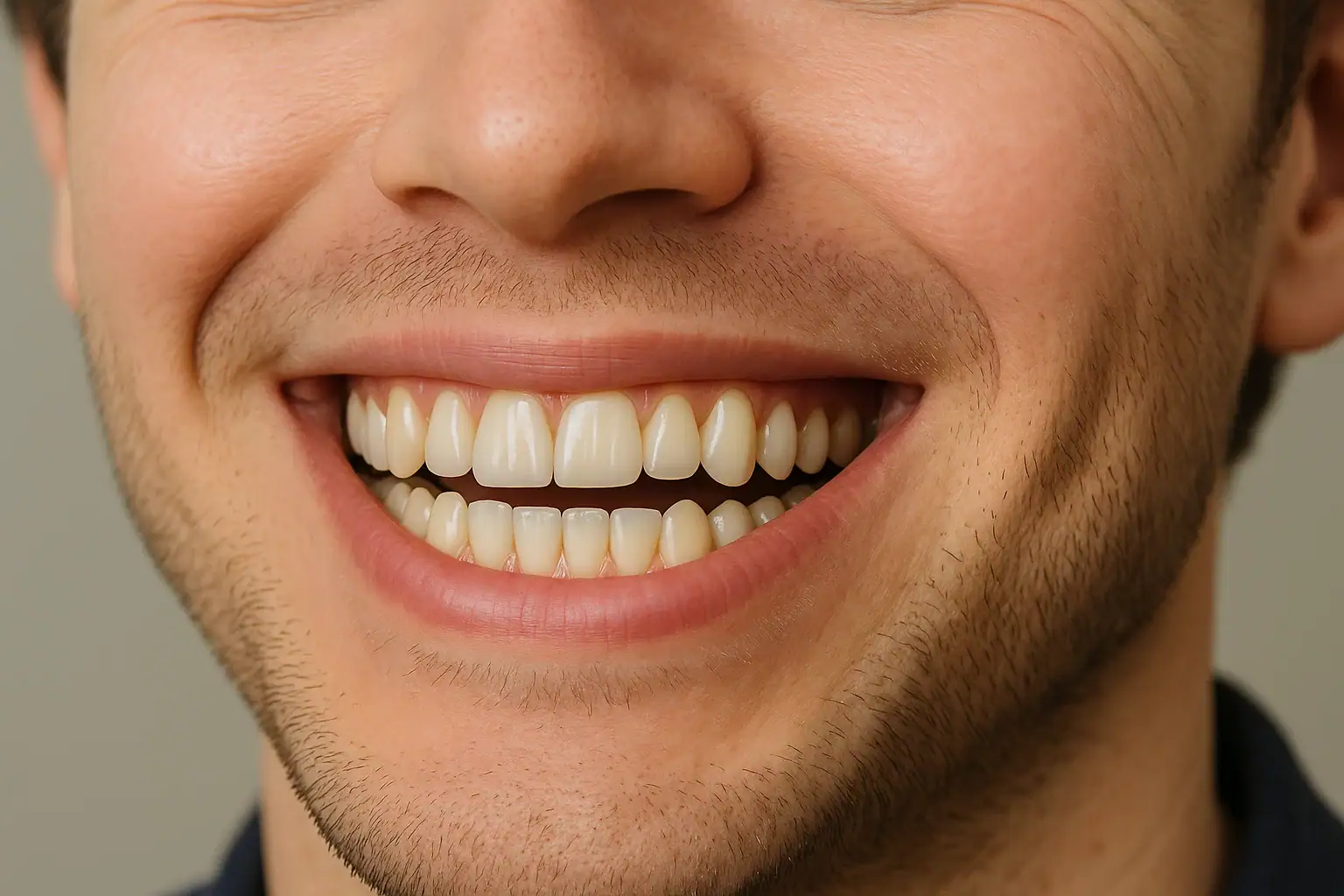
Humans grow two sets of teeth: 20 primary teeth made up of 8 incisors, 4 canines and 8 molars, then 32 permanent teeth made up of 8 incisors, 4 canines, 8 premolars and 12 molars, the last 4 of which are the wisdom teeth. The primary set erupts from roughly 6 months to 33 months and sheds between about age 6 and 13. The number 32 is not universal: a meta-analysis of 92 studies put worldwide agenesis of at least one third molar at 22.63% (95% CI 20.64-24.76), so more than one adult in five never reaches the full count (PubMed 25883107).
- 01The primary dentition is 20 teeth, 10 in each jaw: 8 incisors, 4 canines and 8 molars, with no premolars at this stage.
- 02The permanent dentition is 32 teeth: 8 incisors, 4 canines, 8 premolars and 12 molars, usually complete in the late teens once the third molars arrive.
- 03Eruption timing is population-dependent rather than fixed: pooling 42 studies and 42,109 children, the mandibular central incisor appeared at 6 months in North America but 13.5 months in Asia (PubMed 38128337).
- 04Agenesis of at least one third molar was estimated at 22.63% worldwide across 92 studies, with individual study estimates ranging from 5.32% to 56.0% (PubMed 25883107).
- 05Enamel is roughly 96% mineral, the hardest tissue in the body, and does not regenerate once formed, which is why it is protected rather than repaired.
Ever wondered how many teeth humans have and why the number changes as we grow? Human dentition undergoes a remarkable transformation from infancy to adulthood. Humans develop a set of 20 primary (baby) teeth during infancy, which gradually give way to 32 permanent (adult) teeth over the years. This transition is not just a simple replacement but a vital process that supports essential functions like chewing, speaking, and facial aesthetics. In this article, we will explore the number of teeth humans have at various life stages, delve into the anatomy and functions of these teeth, and provide essential care tips to maintain optimal oral health.
/ Baby Teeth: First Set and Number of Primary Teeth
The first set of teeth, known as baby teeth or primary teeth, is vital for your child’s early development. While these teeth are temporary, they serve essential functions that help shape the foundation for a lifetime of healthy teeth. Baby teeth not only help with chewing and speaking, but they also create the necessary space for the adult teeth that will eventually replace them.
How Many Baby Teeth Do Humans Have?
Humans typically have 20 primary (baby) teeth, which are essential for early oral development. These include:
- 8 Incisors : The four front teeth in each jaw, crucial for biting and cutting food.
- 4 Canines : Pointed teeth located next to the incisors, aiding in tearing food.
- 8 Molars : Located at the back of the mouth, these teeth have broad surfaces for grinding and chewing food.
These 20 teeth are distributed evenly across the upper and lower jaws, with 10 on top and 10 on the bottom. They play a vital role in speech development, chewing, and maintaining space for permanent teeth.
/ Baby Teeth: Eruption, Shedding and Oral Development
Eruption and Shedding
The eruption of baby teeth typically begins around 6 months of age and continues until approximately 3 years old. The process usually follows this general timeline:
- Lower Central Incisors : 6 to 10 months
- Upper Central Incisors : 8 to 12 months
- Upper Lateral Incisors : 9 to 13 months
- Lower Lateral Incisors : 10 to 16 months
- First Molars : 13 to 19 months
- Canines (Cuspids) : 16 to 22 months
- Second Molars : 23 to 33 months
After the eruption phase, these baby teeth begin to shed (exfoliate) to make room for permanent teeth. The shedding process typically starts around age 6 and continues until age 12 or 13. The order of shedding generally mirrors the eruption sequence, starting with the lower central incisors and progressing through the lateral incisors, first molars, canines, and second molars.
Importance of Baby Teeth
Despite being temporary, baby teeth are crucial for several reasons:
- Speech Development : They help in forming sounds and words.
- Chewing Function : Allow children to eat a variety of foods.
- Jaw Development : Aid in the proper development of jaw muscles and bones.
- Space Maintenance : Reserve space for the eruption of permanent teeth.
Maintaining the health of baby teeth is essential, as early loss due to decay or injury can lead to misalignment of permanent teeth. Regular dental check-ups and good oral hygiene practices should begin as soon as the first tooth appears. This includes brushing with a soft-bristle toothbrush and fluoride toothpaste, and flossing once two teeth touch.
/ Adult Teeth: Exploring the Full Set and Their Lifelong Importance
As we grow, adult teeth become part of our evolving dental needs, and the transition from baby teeth to adult teeth is a significant milestone. Adult teeth, also known as permanent teeth, are designed to last a lifetime, provided they are properly cared for. These teeth are not just for biting and chewing; they also play a crucial role in speech, facial aesthetics, and overall health. Let’s explore how many adult teeth humans typically have, the role of wisdom teeth, and why taking care of your permanent set is essential for lifelong oral health.
How Many Adult Teeth Do Humans Have?
Adults typically have 32 permanent teeth, which are essential for various functions such as chewing, speaking, and maintaining facial aesthetics. These include:
- 8 Incisors : The four front teeth on the top and bottom, used for cutting food.
- 4 Canines : Pointed teeth located next to the incisors, aiding in tearing food.
- 8 Premolars : Flat-topped teeth situated behind the canines, designed for crushing and grinding food.
- 12 Molars : Located at the back of the mouth, these teeth have broad surfaces for grinding and chewing food. This group includes the 4 wisdom teeth .
The full set of 32 adult teeth is typically achieved by the late teens. However, some individuals may have fewer teeth due to various reasons, such as tooth loss, extraction, or congenital conditions like hypodontia.
Third Molars (Wisdom Teeth)
Wisdom teeth, also known as third molars, are the last set of adult teeth to emerge. They typically erupt between the ages of 17 and 25. However, some individuals may not develop them at all. In fact, about 25% of people worldwide never develop wisdom teeth.
Historically, wisdom teeth were useful for early humans who consumed a diet of raw plants and meat. As human diets and jaw sizes have evolved, the need for these extra molars has diminished. Consequently, many people today experience issues with their wisdom teeth, such as impaction, infection, or misalignment. In such cases, dental professionals often recommend removal.
/ Tooth Anatomy and Structure
Understanding the anatomy of a tooth is essential for appreciating its role in oral health. Each tooth is a complex structure composed of several layers, each serving specific functions vital for its overall performance.
Layers of a Tooth
A tooth is primarily divided into three regions: the crown, neck, and root. These regions are further composed of four main tissues: enamel, dentin, cementum, and pulp. Each tissue plays a unique role in maintaining the tooth's health and functionality.
- Enamel: The Protective Outer Layer: Enamel is the hardest substance in the human body, composed of approximately 96% mineral content, primarily hydroxyapatite. It covers the crown of the tooth, providing a durable barrier against physical wear and chemical attacks from acids and bacteria. Enamel is translucent, and its color can range from light yellow to grayish-white, influenced by the underlying dentin and individual variations. Once formed, enamel does not regenerate, making its preservation crucial for dental health.
- Dentin: The Supportive Core: Beneath the enamel lies dentin, a yellowish tissue that constitutes the majority of the tooth's structure. Comprising about 70% mineral content, dentin is less hard than enamel but still provides substantial support. It contains microscopic tubules that connect to the pulp, allowing sensations such as temperature and pressure to be felt. Dentin is produced by odontoblasts and continues to form throughout life, with secondary and tertiary dentin layers developing in response to stimuli like decay or injury.
/ Tooth Anatomy: Cementum, Pulp and Dental Health
- Cementum: Anchoring the Tooth: Cementum is a bone-like tissue covering the root of the tooth, facilitating its attachment to the jawbone via the periodontal ligament. It is softer than enamel and dentin but plays a vital role in tooth stability. Cementum is produced by cementoblasts and is continuously deposited throughout life, allowing for the repair of minor damage. It has a high fluoride content, which can help in remineralization processes.
- Pulp: The Vital Center: The pulp is the innermost part of the tooth, located within the pulp chamber and extending into the roots through the root canals. It consists of nerves, blood vessels, and connective tissue, playing a crucial role in the tooth's nourishment and sensory functions. The pulp also produces dentin and responds to stimuli by initiating reparative processes. Infections or injuries to the pulp can lead to conditions like pulpitis, requiring dental intervention.
Understanding the structure and function of each tooth layer highlights the complexity and importance of dental health. Maintaining enamel integrity, supporting dentin health, ensuring cementum stability, and preserving pulp vitality are all essential for overall oral well-being.
/ Dental Care for Healthy Teeth
Maintaining healthy teeth is essential for overall well-being. Good oral hygiene practices not only prevent dental issues like cavities and gum disease but also contribute to better general health. In this section, we'll explore effective strategies to keep your teeth in optimal condition.
1. Brush Your Teeth Twice a Day
Brushing your teeth is the cornerstone of oral hygiene. Use a soft-bristle toothbrush and fluoride toothpaste to clean all surfaces of your teeth. Brush for at least two minutes, ensuring you reach the back molars and along the gumline. Brushing before bedtime is particularly important to remove the day's buildup of plaque and bacteria. If you prefer to brush after breakfast, wait at least 30 minutes to allow your enamel to remineralize, especially if you've consumed acidic foods or beverages.
2. Floss Daily
Flossing removes food particles and plaque from between your teeth and under the gumline, areas your toothbrush can't reach. Daily flossing helps prevent cavities and gum disease. If traditional floss is challenging, consider using floss picks, interdental brushes, or a water flosser for easier access.
3. Use Mouthwash
Mouthwash can help reduce oral bacteria, clean hard-to-brush areas, and freshen your breath. Choose an antimicrobial mouthwash to fight bacteria and a fluoride mouthwash to help prevent cavities. Avoid using mouthwash immediately after brushing, as it can wash away the concentrated fluoride left by toothpaste. Instead, use it at a different time during the day.
4. Maintain a Tooth-Friendly Diet
Your diet plays a significant role in oral health. Limit sugary snacks and drinks, as they can lead to tooth decay. Instead, opt for a balanced diet rich in fruits, vegetables, whole grains, and dairy products. These foods provide essential nutrients like calcium and vitamin C, which support strong teeth and gums. Be cautious with acidic foods and beverages, such as citrus fruits and sodas, as they can erode tooth enamel over time.
/ Dental Care: Harmful Habits, Regular Visits and Long-Term Oral Health
5. Avoid Tobacco Products
Smoking and using tobacco products can lead to gum disease, tooth loss, and oral cancer. They also stain your teeth and contribute to bad breath. Quitting tobacco use is one of the best things you can do for your oral and overall health.
6. Be Cautious with Ice Chewing
Chewing ice may seem harmless, but it can cause serious damage to your teeth. The hard texture can crack or chip your enamel, leading to increased sensitivity or cavities. If you have a habit of chewing ice, consider substituting it with safer alternatives like sugar-free gum or crunchy fruits and vegetables.
7. Visit Your Dentist Regularly
Regular dental check-ups are crucial for maintaining oral health. Dentists can detect early signs of dental issues, provide professional cleanings, and offer personalized advice for your oral care routine. It's generally recommended to visit your dentist every six months, but your dentist may suggest more frequent visits based on your individual needs.
By incorporating these practices into your daily routine, you can maintain healthy teeth and gums, contributing to your overall health and well-being.
Conclusion
Maintaining healthy teeth is essential for a beautiful smile and for overall health. By understanding the anatomy of your teeth and adopting a consistent oral care routine, brushing, flossing, using mouthwash, eating a balanced diet, and visiting your dentist regularly, you give your teeth the best chance of staying in excellent condition as you age.
Remember, your teeth are designed to last for many years, but they need proper care and attention. Small changes in your daily habits can lead to significant improvements in your oral health, preventing painful and costly dental issues in the future. So, take charge of your dental care today and enjoy the benefits of a healthy, confident smile for years to come!
Let’s plan the right treatment together.
Free Assessment→- 1.Carter K, Worthington S. Morphologic and Demographic Predictors of Third Molar Agenesis: A Systematic Review and Meta-analysis. J Dent Res 2015;94:886-94. PubMed 25883107
- 2.Muthu MS, Vandana S, Akila G, Anusha M, Kandaswamy D, Aswath Narayanan MB. Global variations in eruption chronology of primary teeth: A systematic review and meta-analysis. Arch Oral Biol 2024;158:105857. PubMed 38128337