Lip Pain After Dental Crowns: Causes, Treatment & When to Worry
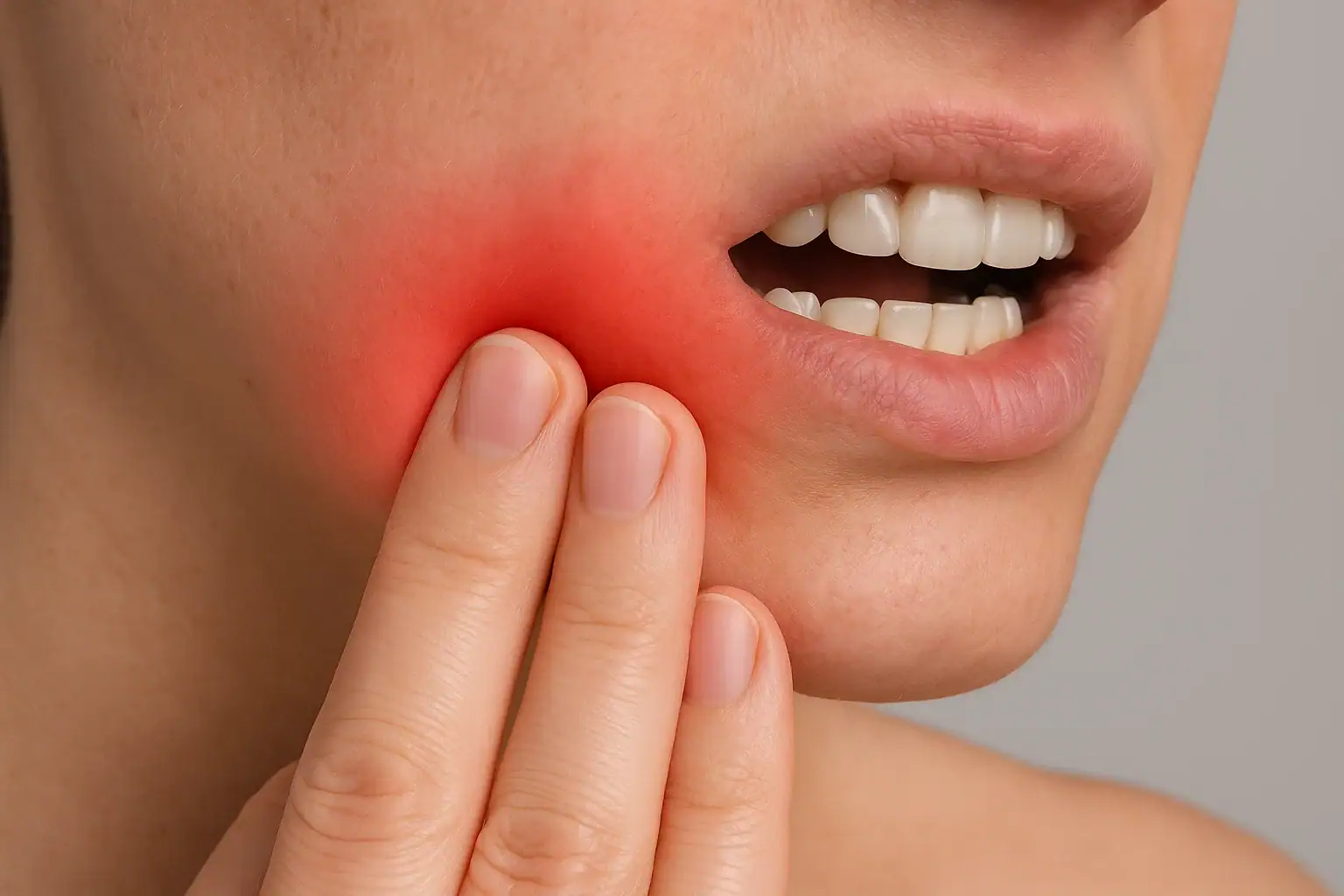
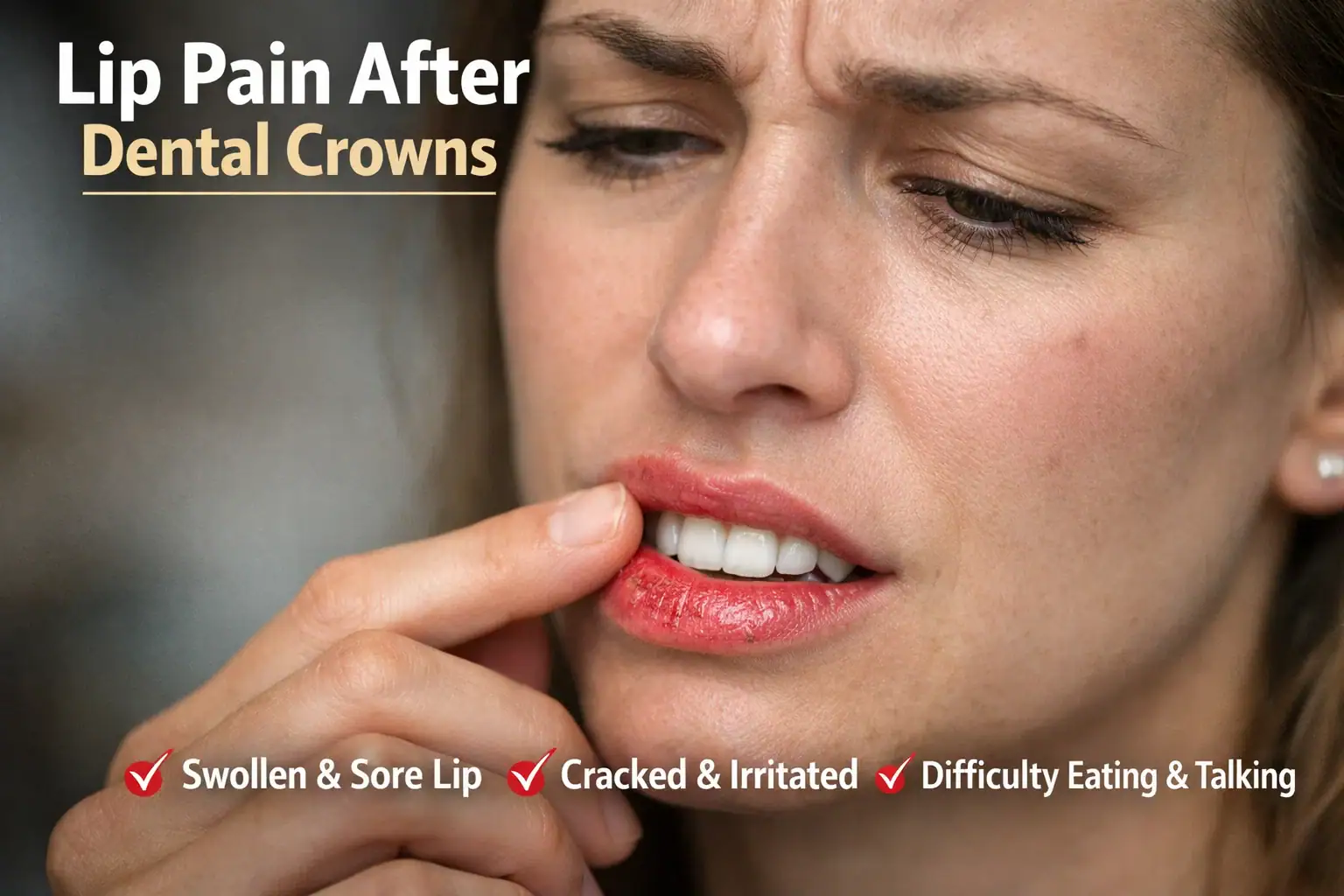
Sore lips after crowns usually trace back to retraction during the visit and the anaesthetic wearing off, not the crown itself. How long it lasts, and which signs mean call the clinic.
Clinical experience, misunderstood concepts and frequently asked questions. Notes from many years of practice.

Sore lips after crowns usually trace back to retraction during the visit and the anaesthetic wearing off, not the crown itself. How long it lasts, and which signs mean call the clinic.

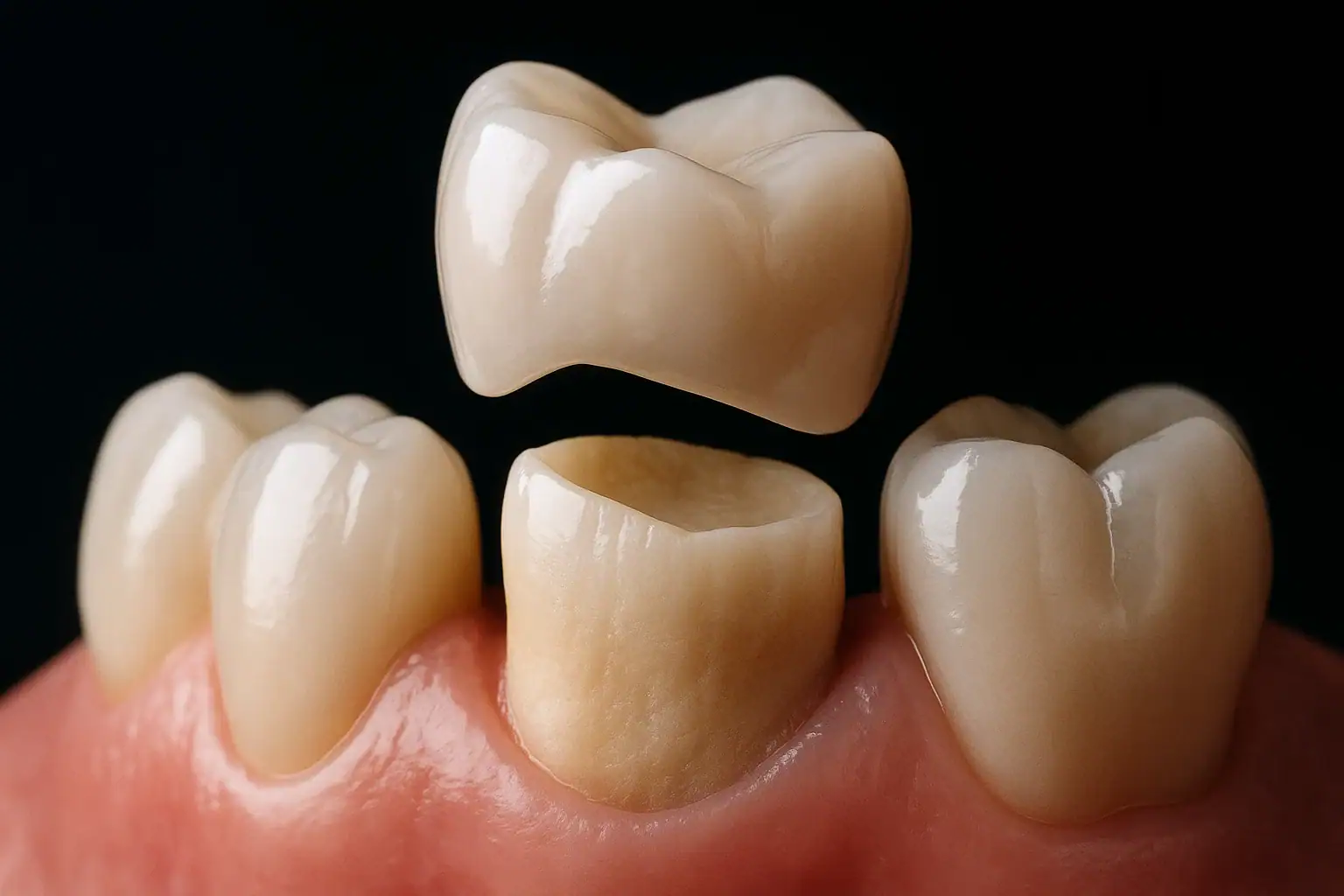
In a meta-analysis of 64 studies reporting on 3,509 metal-ceramic and 8,051 all-ceramic single crowns, five-year survival was 98.5 percent for monolithic lithium disilicate, 97.1 percent for metal-ceramic and 96.8 percent for monolithic zirconia. Types, longevity, and why a crown can start to smell.

Third molars are the most affected site: a meta-analysis of 98 studies covering 183,828 subjects put pooled prevalence of impacted third molars at 36.9% per subject and 46.4% per tooth, ranging from 43.1% in Asia to 24.5% in Europe. Symptoms, surgery and recovery.

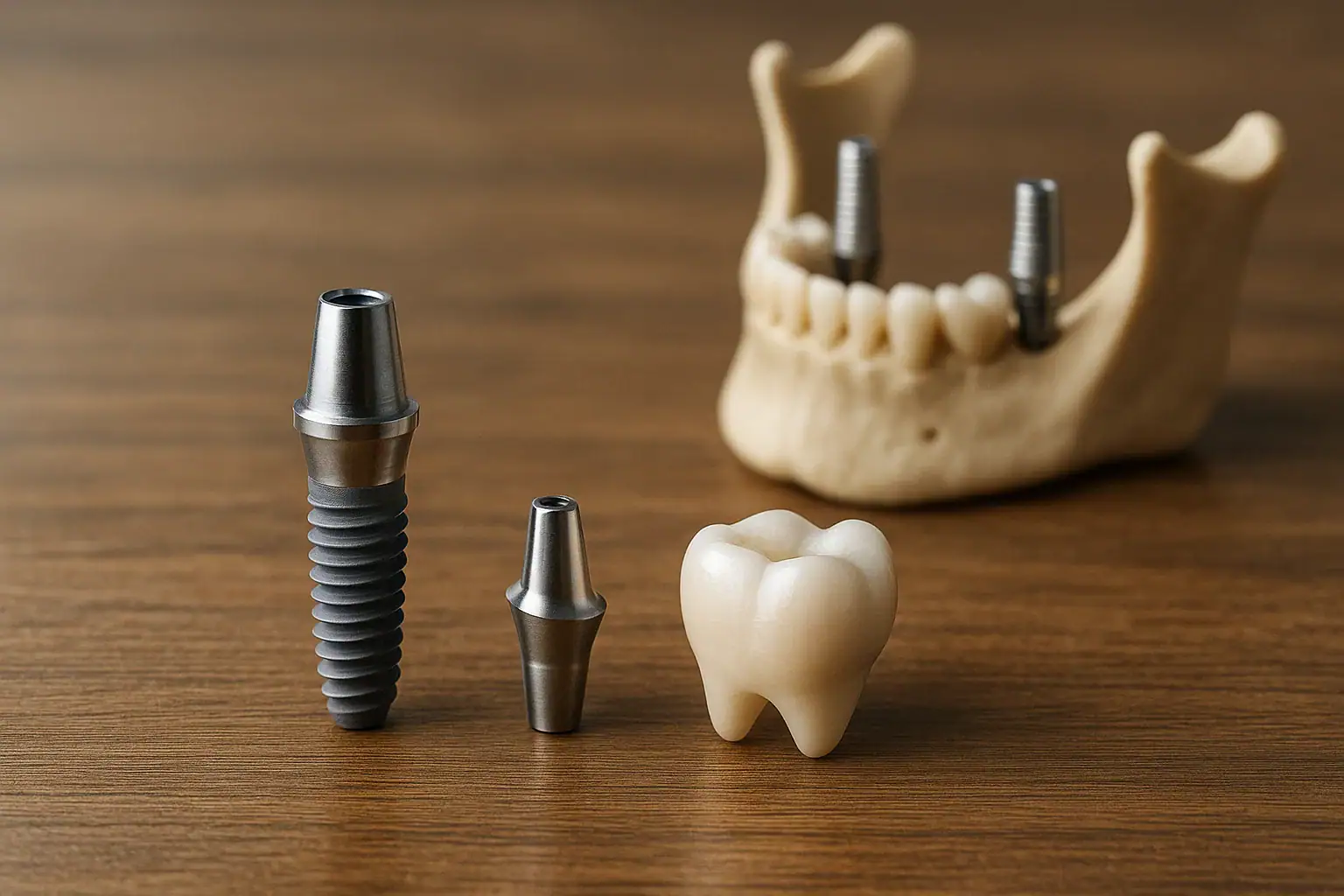
The abutment is the connector that carries the crown on an implant. Material is not a biological trade-off: a systematic review of 12 randomised trials found no difference in peri-implant marginal bone level or probing depth between titanium and zirconia abutments at one or five years. Stock against custom, and what shapes the gum profile.

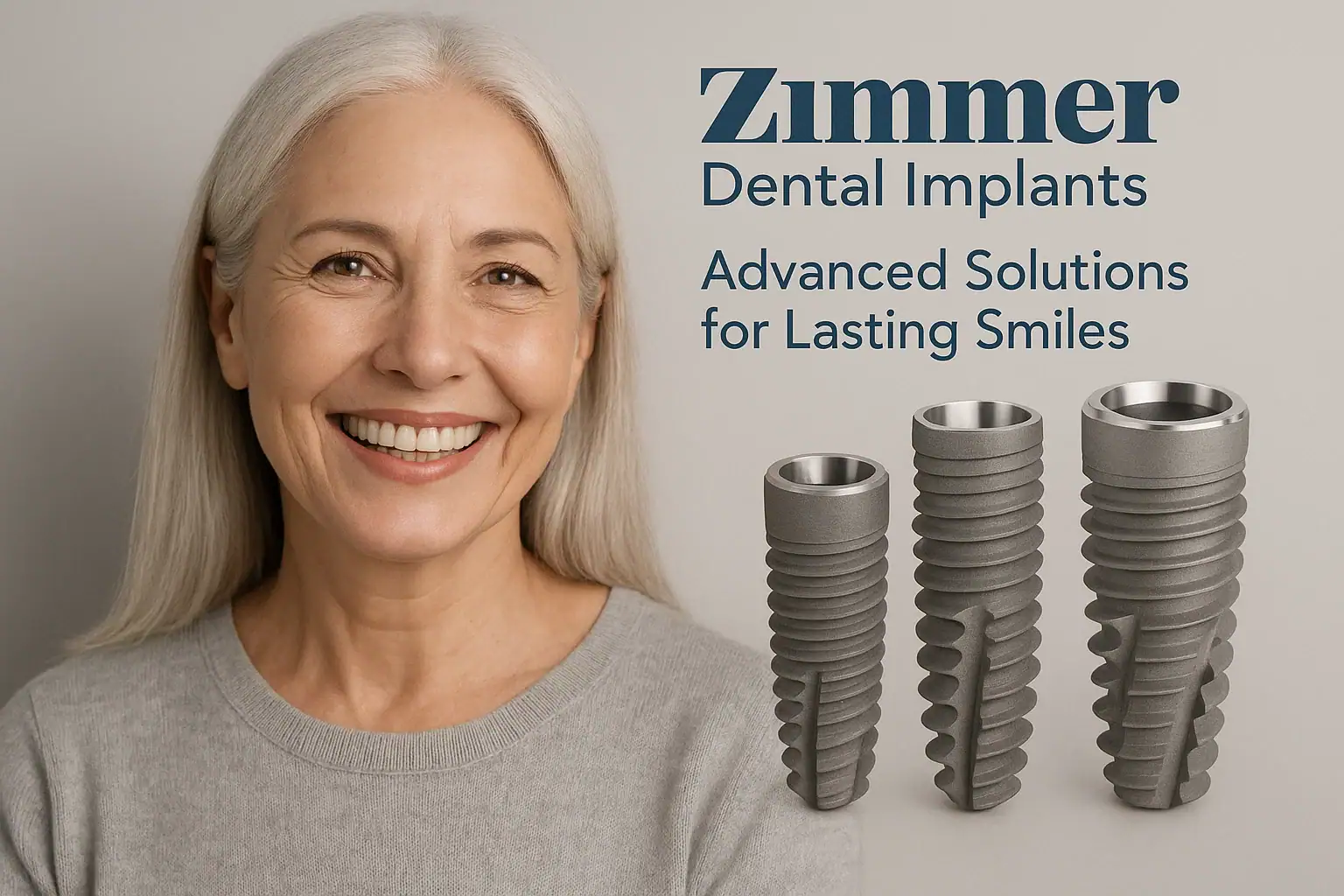
Brand claims are worth checking against published follow-up: a seven-year prospective study of 50 hydroxyapatite-coated Tapered Screw-Vent implants in 42 patients reported cumulative survival of 98.0%. What the system does differently, and where it sits among the alternatives.

The leading cause of tooth loss is gum disease, not decay, and it advances without pain. Contained vertical defects are the exception where surgery pays: in a randomised trial of 47 patients, clinical attachment gain measured 4.09 mm at 12 months. What to watch for, and when.

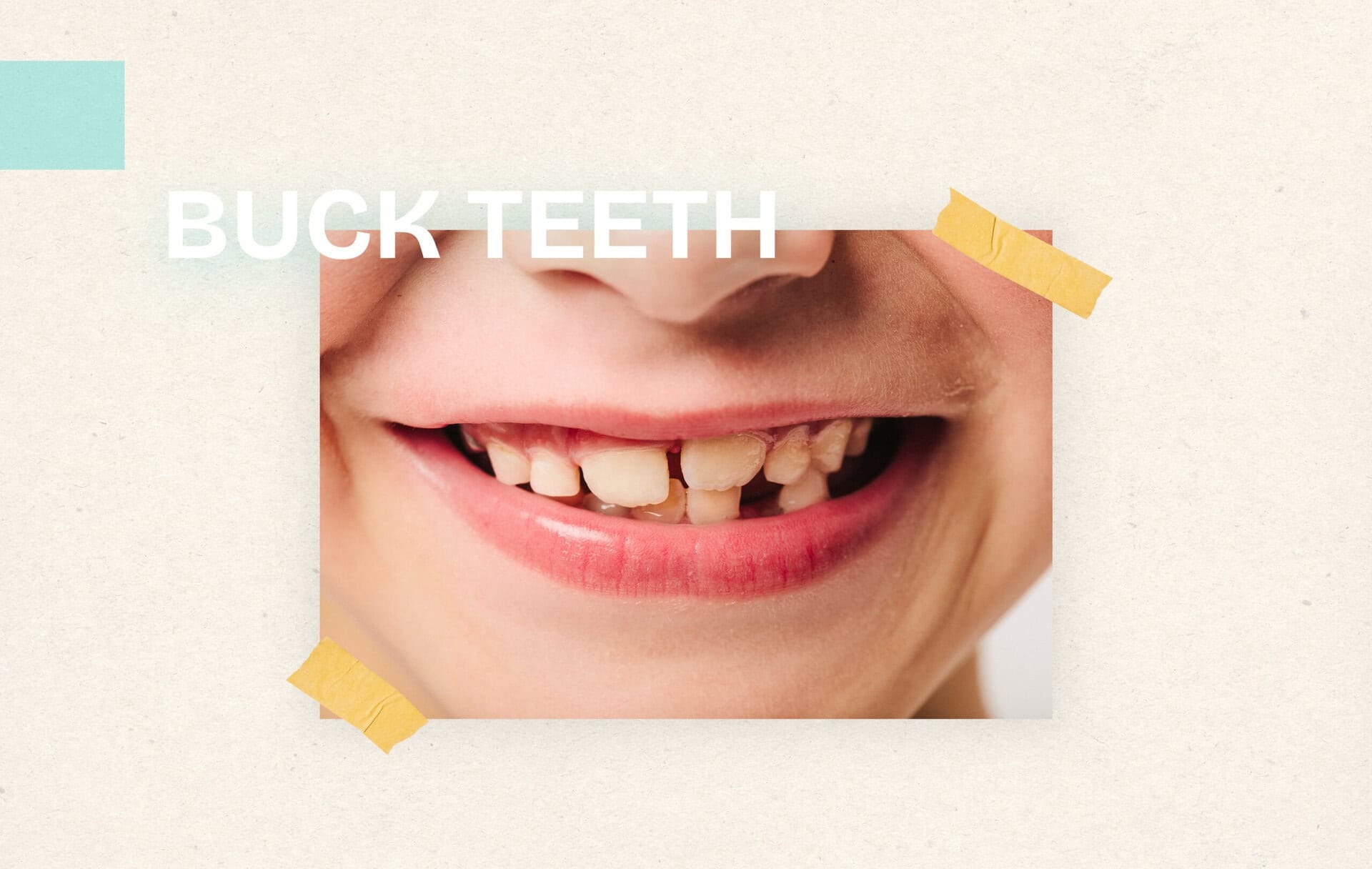
Prominent incisors matter beyond appearance: an overjet above 3 mm carries higher odds of injury, and the Cochrane review found removable functional appliances reduced final overjet by a mean of 4.62 mm and fixed functional appliances by 5.46 mm against no treatment in adolescents. Why they happen and how they are corrected.

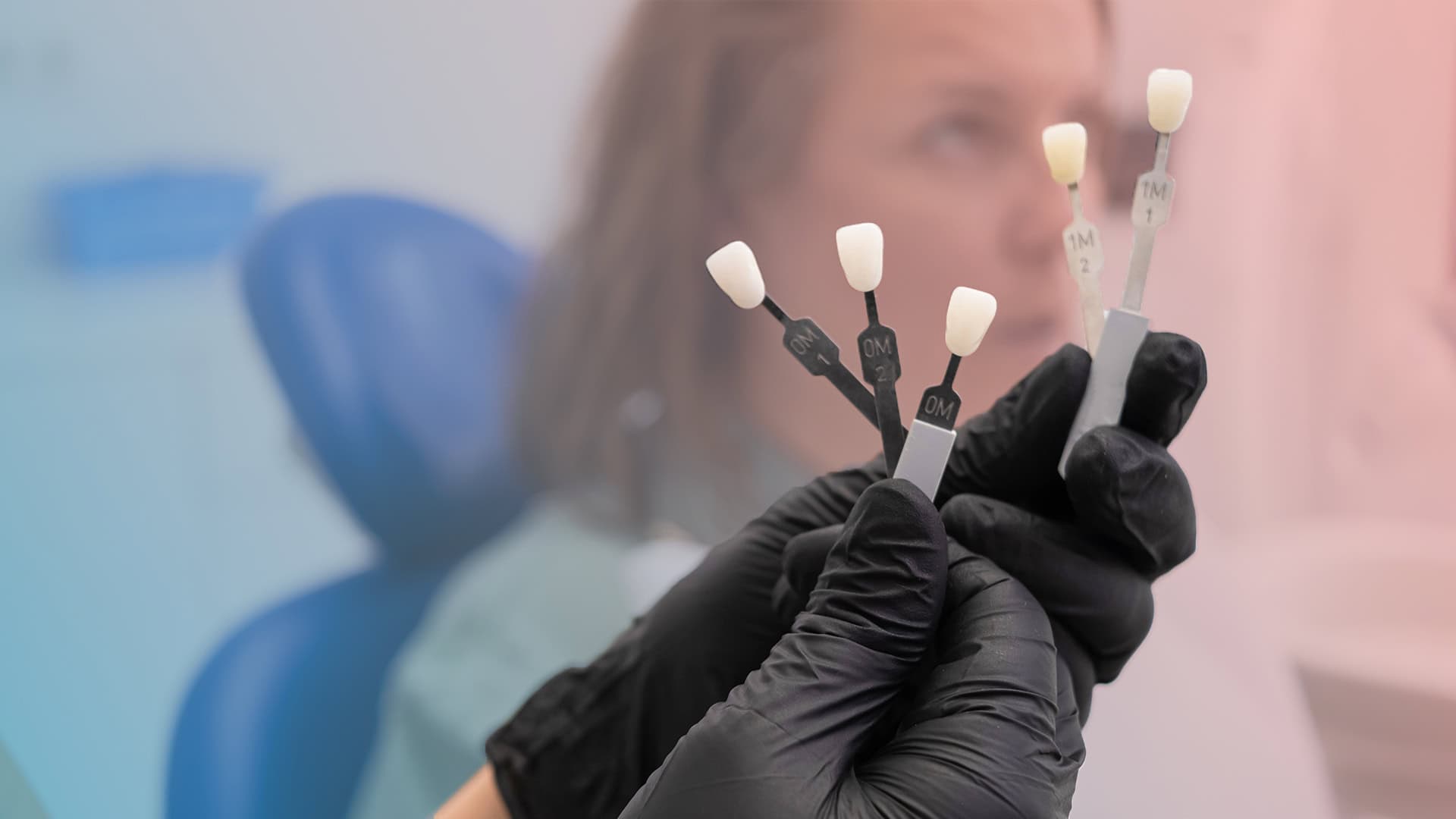
Coverings differ more in failure mode than in survival: across 64 studies covering 11,560 single crowns, five-year survival was 98.5 percent for monolithic lithium disilicate, 96.8 percent for monolithic zirconia and 90.4 percent for feldspathic ceramic. Which material belongs where, and how much tooth each one costs.

The Complete, Evidence-Based Guide to Xerostomia, Triggers, and What to Do Next Dry mouth also called xerostomia happens when your salivary glands don’t produce enough saliva to keep your mouth comfortably moist. Saliva is not “just…