Porcelain Crowns: Cost, Types, Longevity, and Their Link with Halitosis
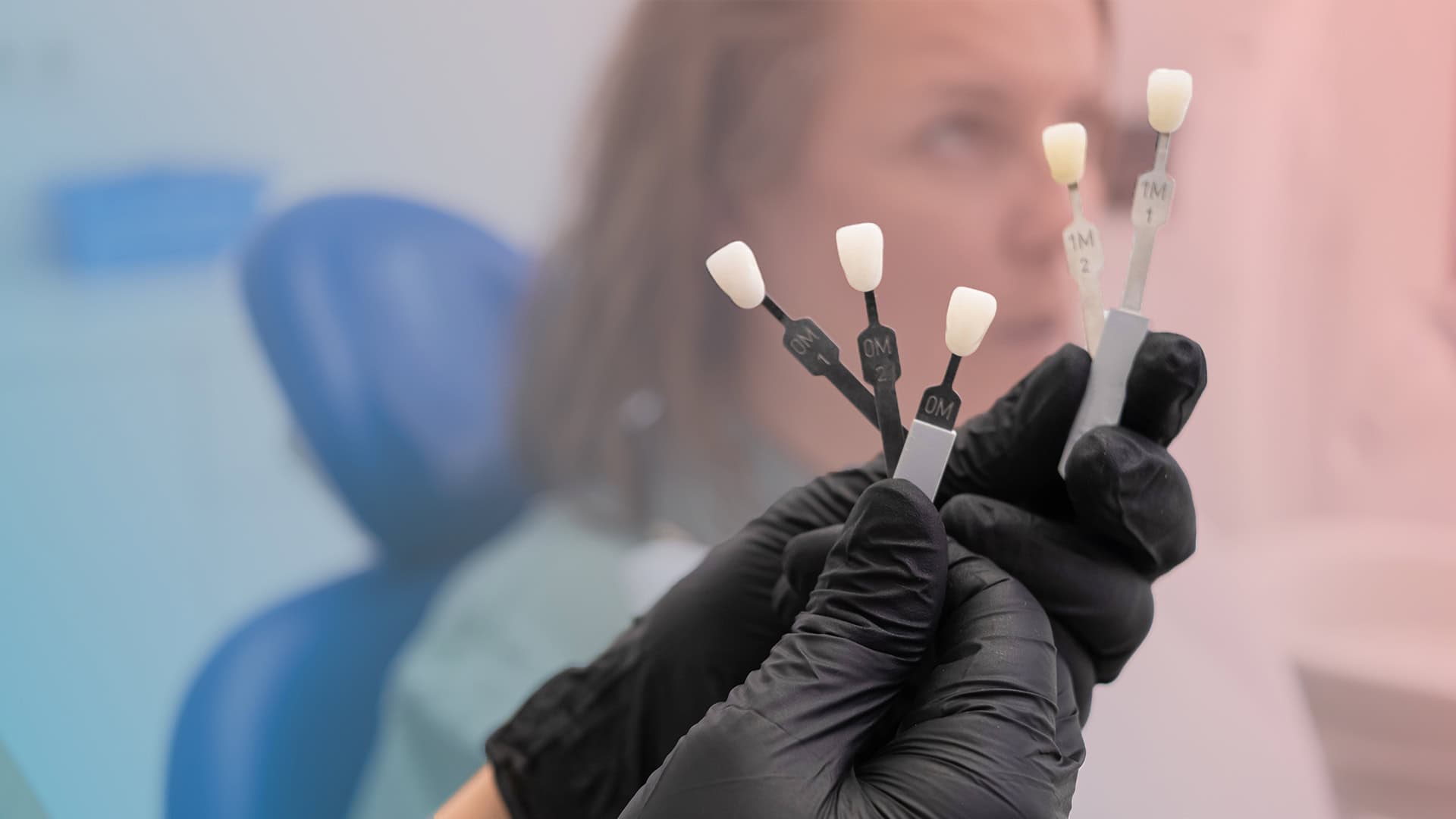
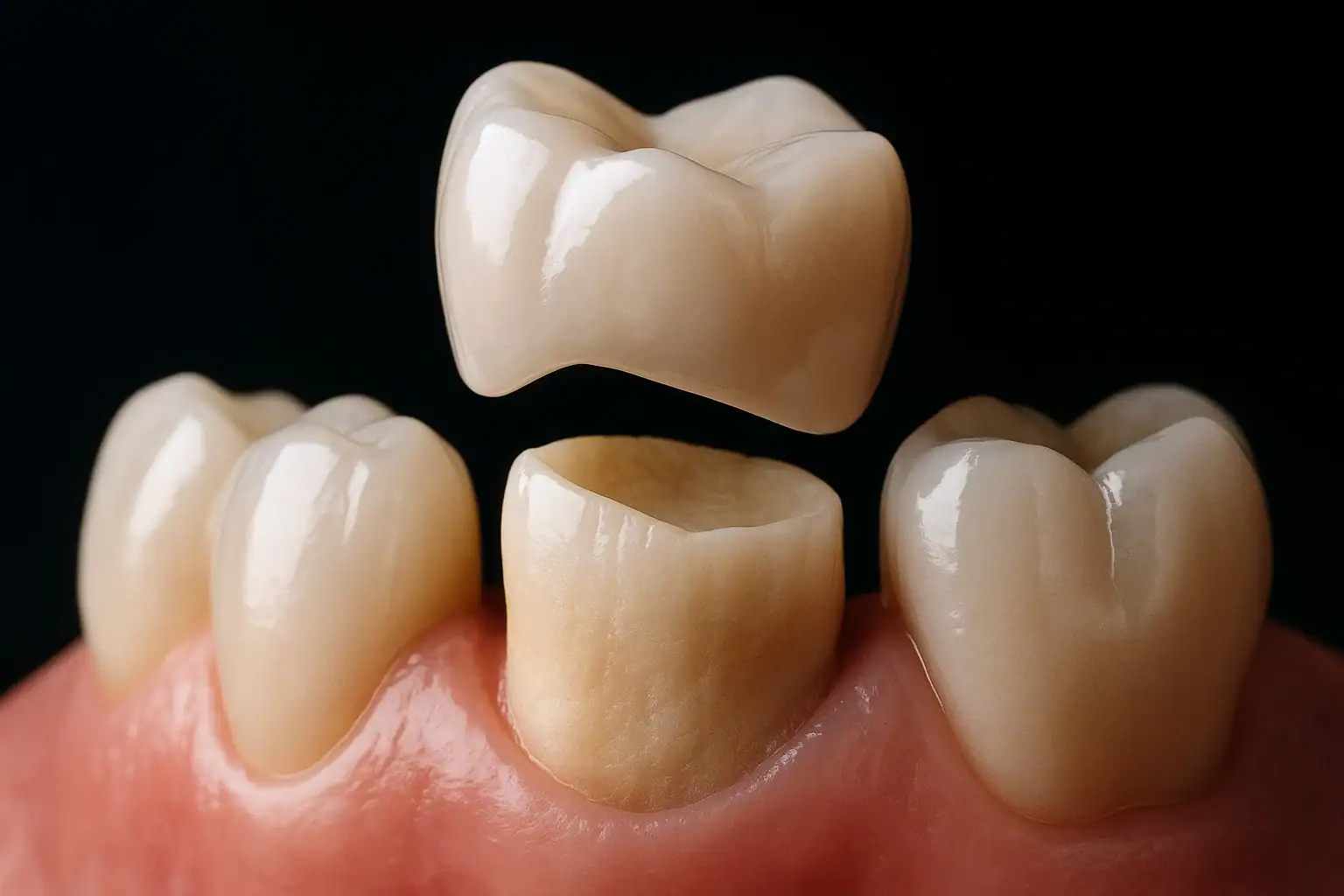
Across 64 studies, five-year crown survival was 98.5 percent for monolithic lithium disilicate, 97.1 percent for metal-ceramic and 96.8 percent for zirconia.
Clinical experience, misunderstood concepts and frequently asked questions. Notes from many years of practice.

Across 64 studies, five-year crown survival was 98.5 percent for monolithic lithium disilicate, 97.1 percent for metal-ceramic and 96.8 percent for zirconia.

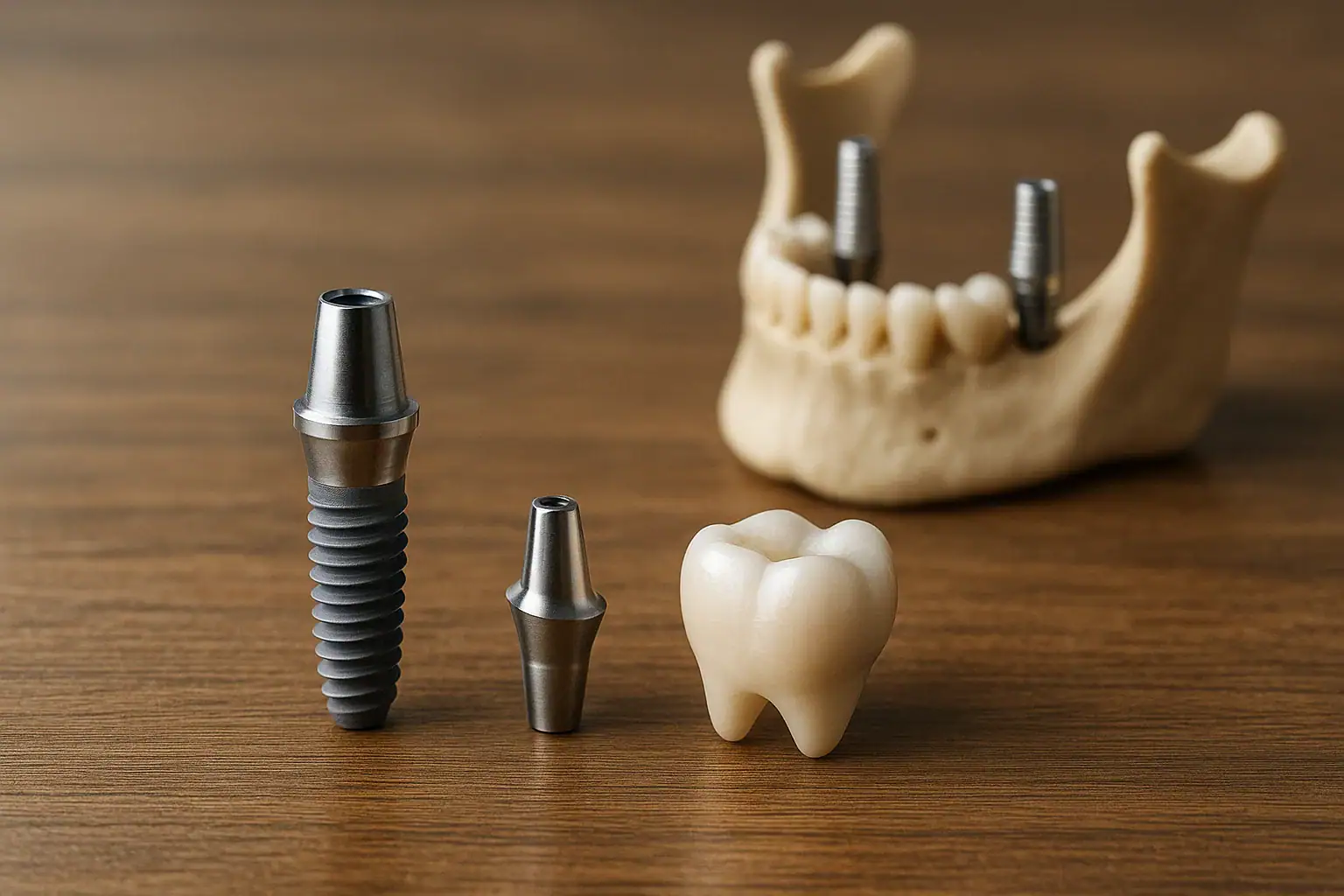
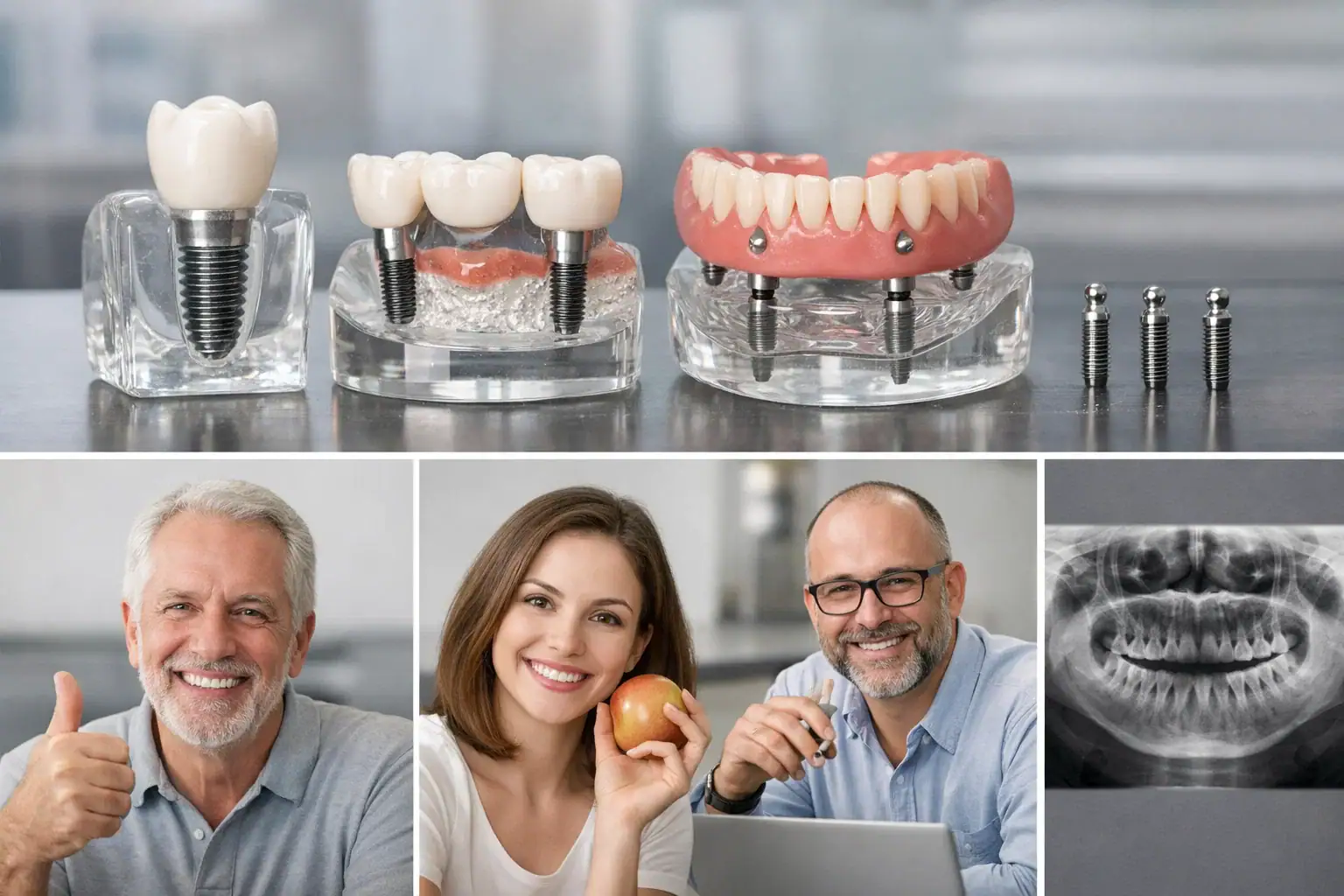
An abutment is the connector that holds the crown on a dental implant. In 12 trials, titanium and zirconia abutments showed no difference in bone level.

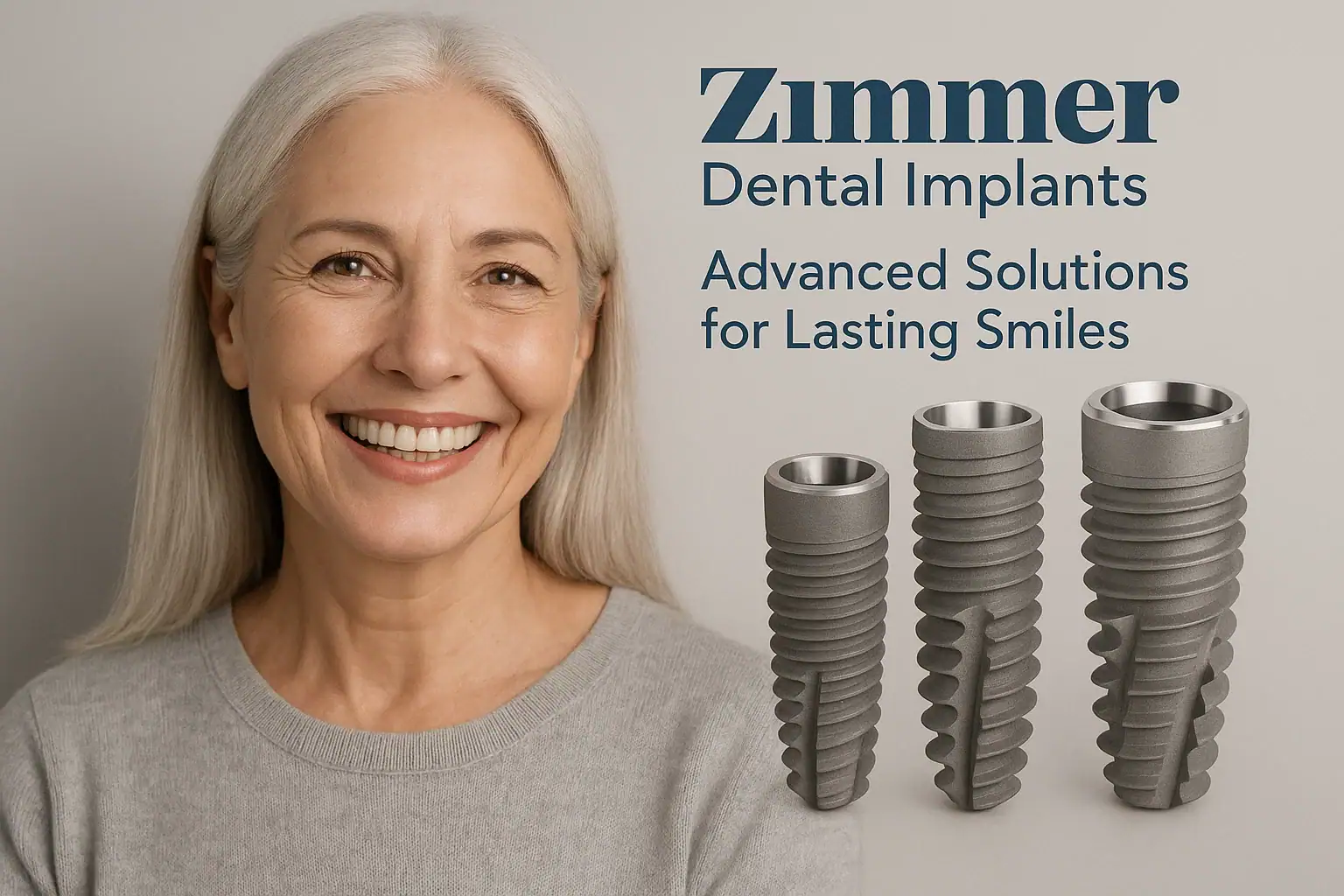
A seven-year prospective study of 50 hydroxyapatite-coated Tapered Screw-Vent implants reported cumulative survival of 98.0%. Brand claims, checked.

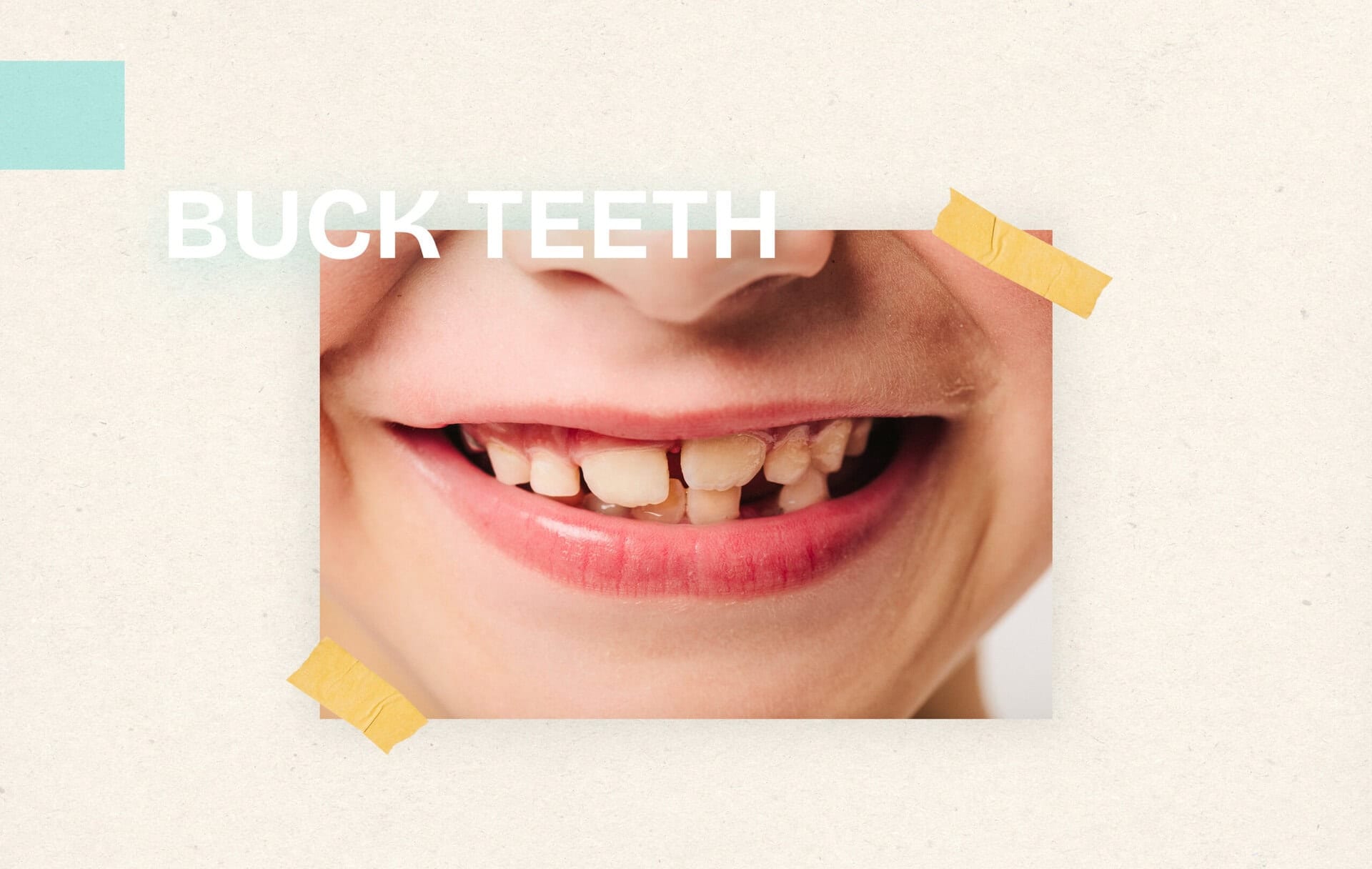
Buck teeth are upper front teeth that sit too far forward. In a Cochrane review, functional appliances reduced overjet by a mean 4.6 to 5.5 mm in teenagers.

Across 64 studies, five-year crown survival was 98.5 percent for monolithic lithium disilicate and 96.8 percent for zirconia. Which covering fits where.

Dry mouth, or xerostomia, affects about 23 percent of people; medication is the leading trigger, alongside dehydration, mouth breathing and diabetes.

Pooled 10-year survival of contemporary titanium systems is 96.4 percent (95% CI 95.2 to 97.5) across 18 prospective studies. Implants differ by connection, surface and dimension, and the site decides.

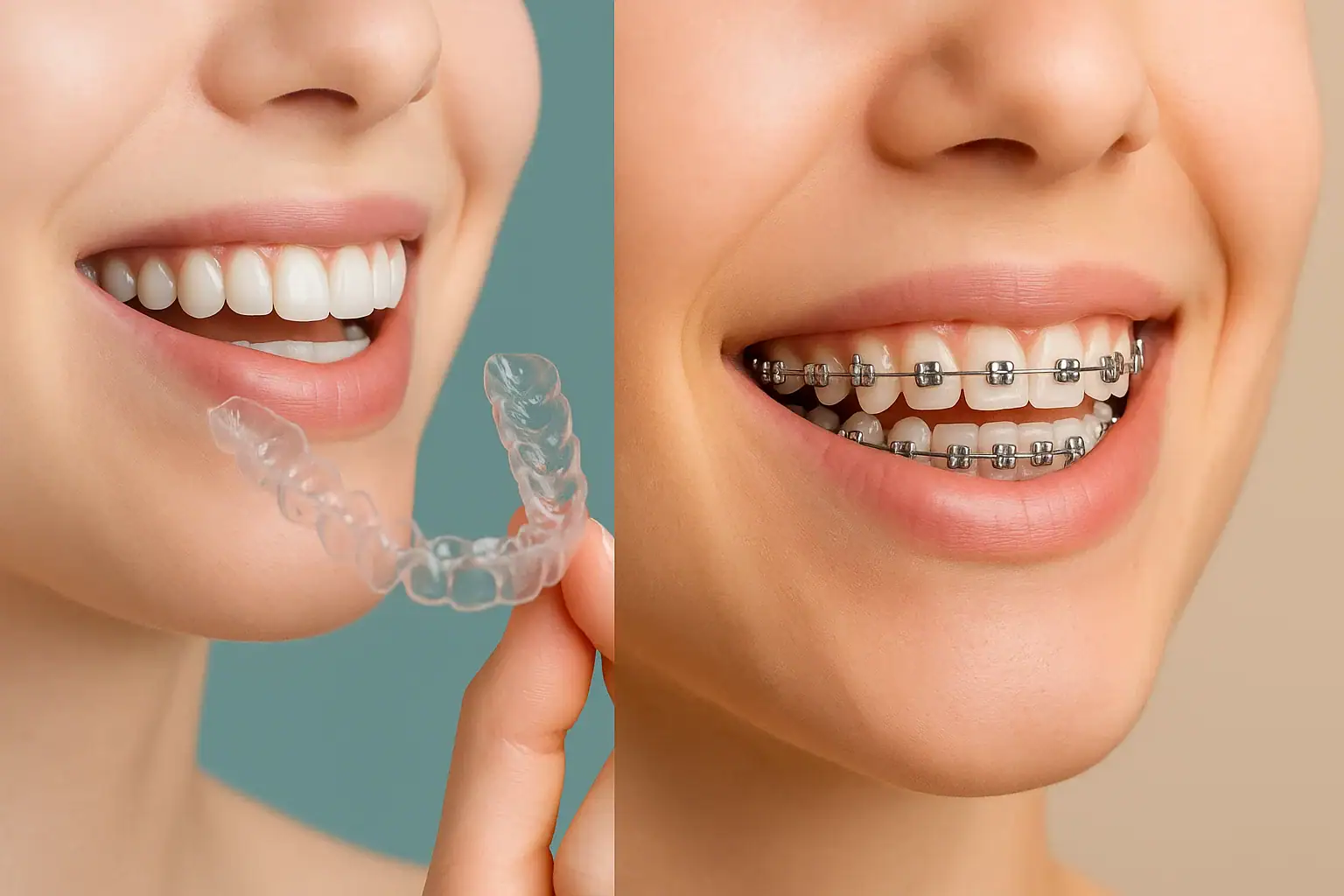
In non-extraction cases, a meta-analysis of 1084 patients found no significant difference in result quality between aligners and braces. In extraction cases braces did better. Wear time decides the rest.

Wait at least 72 hours after a simple extraction and 7 to 10 days after a wisdom tooth. Why suction causes dry socket, and how to cut the risk.