
2026
// Prosthetics
Emax Veneers Explained
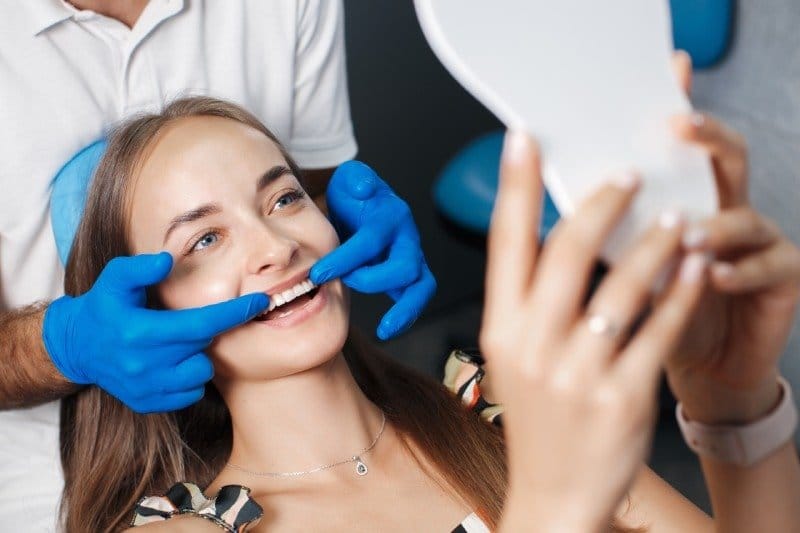
Emax is a lithium disilicate glass-ceramic material, while a veneer is a technique. This compares millimetres of tooth removed and ten-year survival data.
HK
Dr Hakan Kaval
Clinical experience, misunderstood concepts and frequently asked questions. Notes from many years of practice.
Emax is a lithium disilicate glass-ceramic material, while a veneer is a technique. This compares millimetres of tooth removed and ten-year survival data.
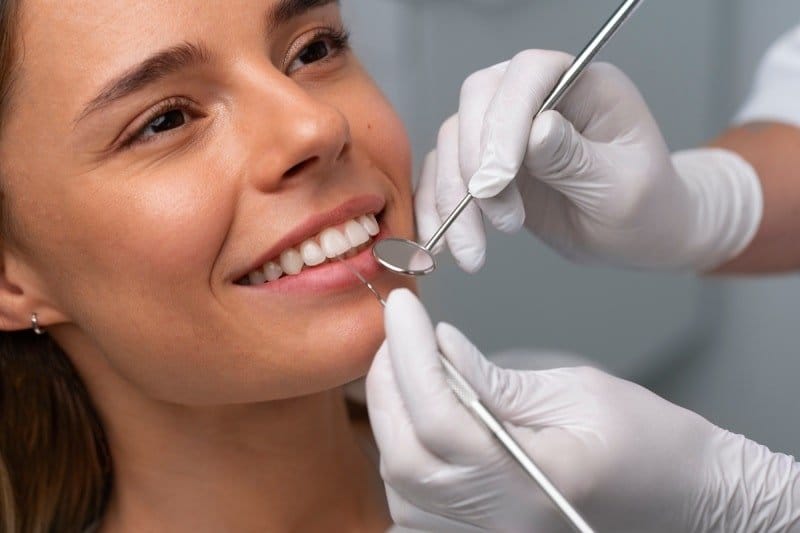
Composite bonding is tooth-coloured resin shaped on a tooth in one visit. Composite veneers pooled 88% survival over 24 to 97 months; chips can be repaired.
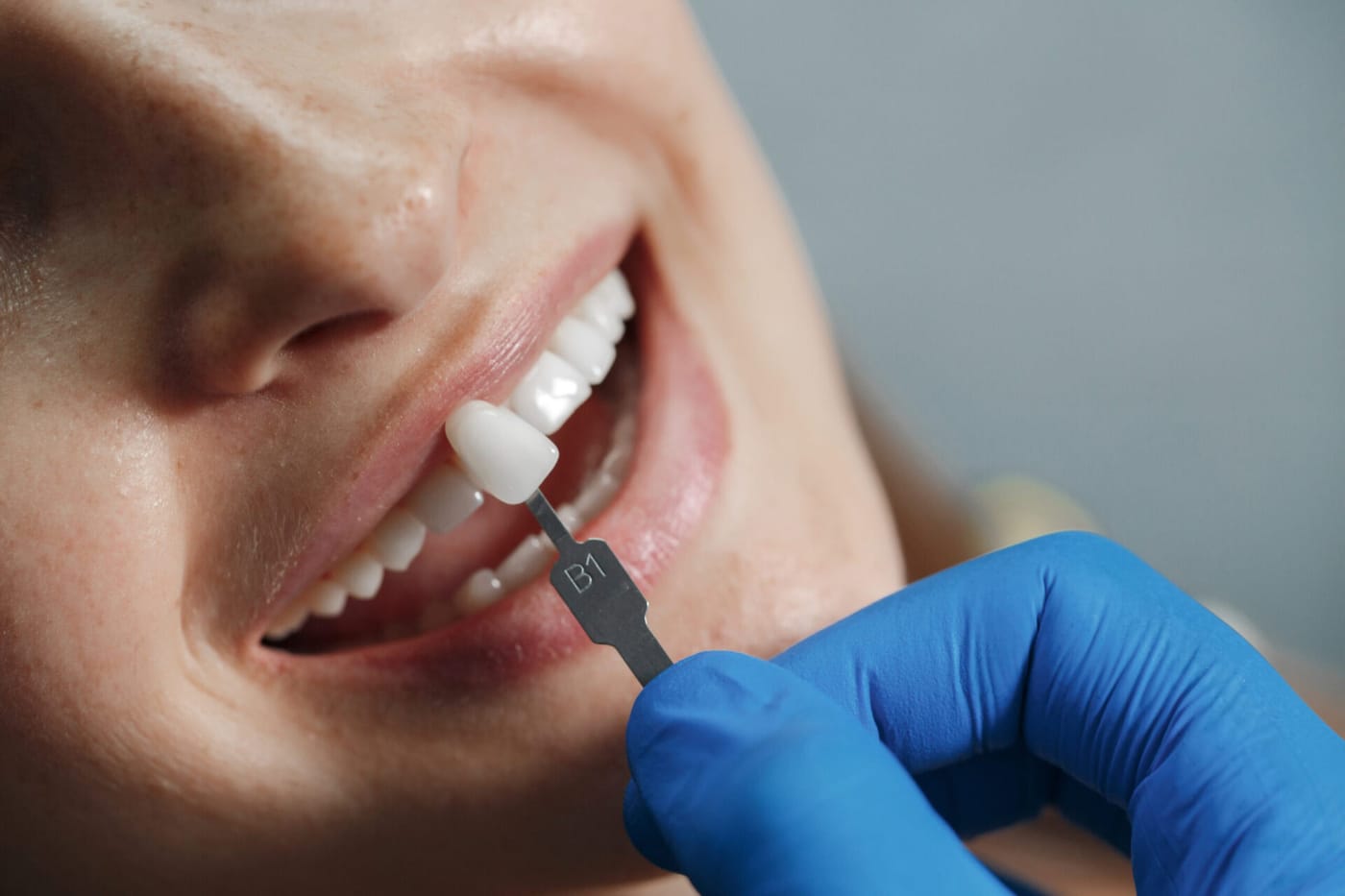
PFM means porcelain fused to metal, also called a metal-ceramic crown; three systematic reviews report five-year single-crown survival of 94.7% to 97.1%.
Long-term temporaries followed for a median of 362 days recorded a 14.1% fracture rate and 18.1% decementation. Plus what to do if one comes off.
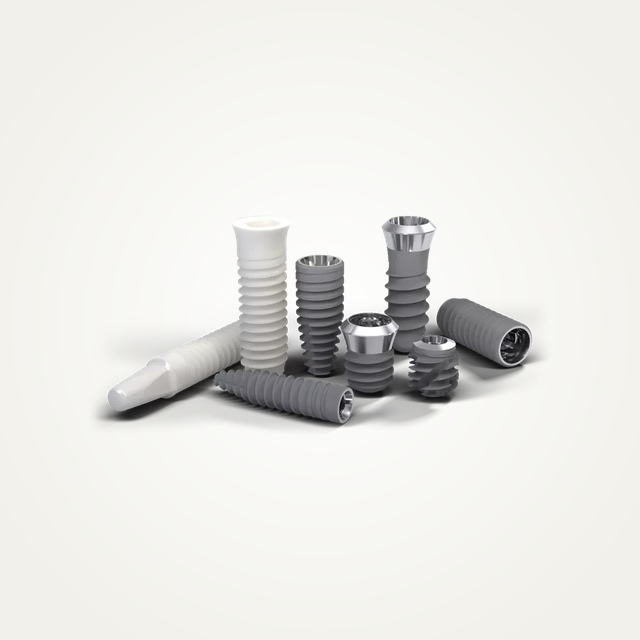
Straumann implants are made in Switzerland. Ten-year Kaplan-Meier survival was 98.9% for titanium-zirconium and 95.8% for commercially pure titanium.
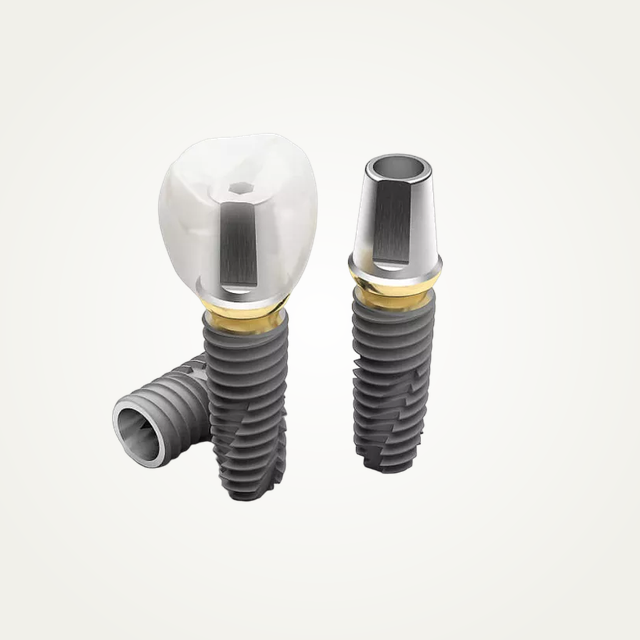
Osstem is a South Korean implant maker founded in 1997. Its largest dataset, 2,474 implants followed up to 10 years, reported 98.3% survival.
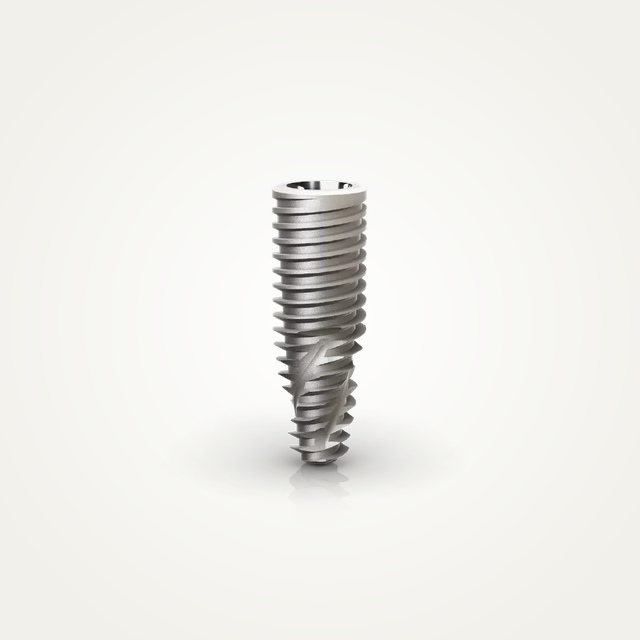
Neodent implants are made in Curitiba, Brazil, by a Straumann Group company. The largest Neodent cohort reported 95.4% survival at a mean 29.5 months.
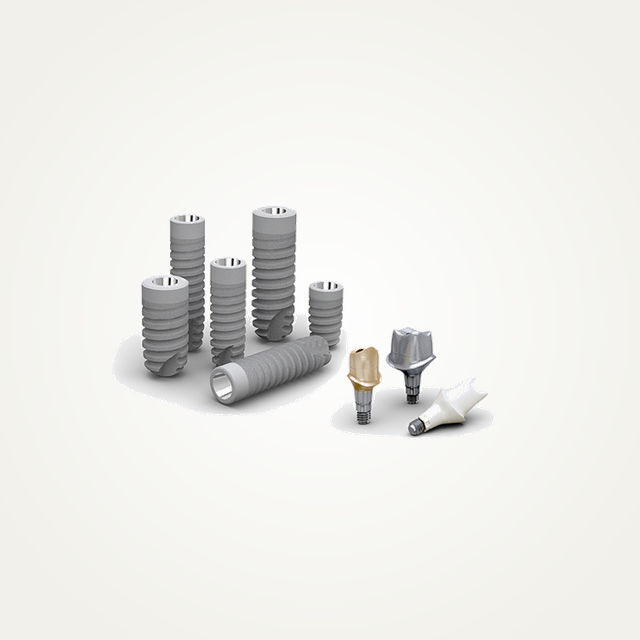
Ankylos is a German implant system owned by Dentsply Sirona and in clinical use since 1987. Survival was 93.0% at ten years in a cohort of 18,945 implants.
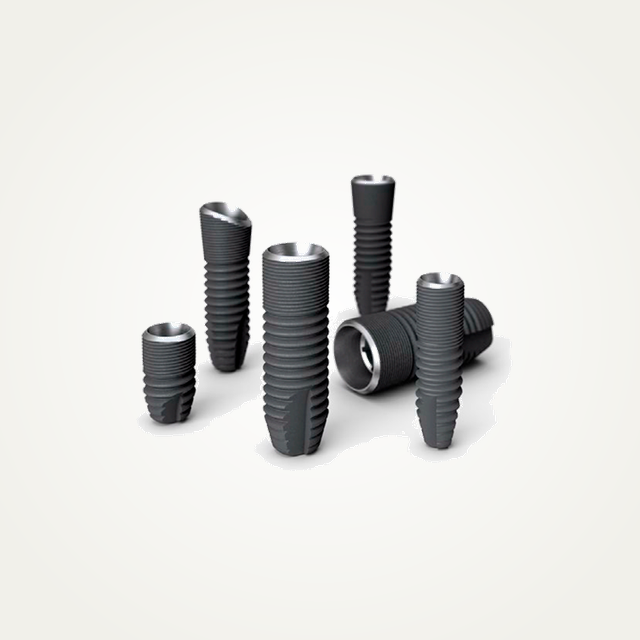
Astra Tech dental implants are Swedish in origin and owned by Dentsply Sirona. Across 597 EV implants followed up to eight years, survival was 92.6%.