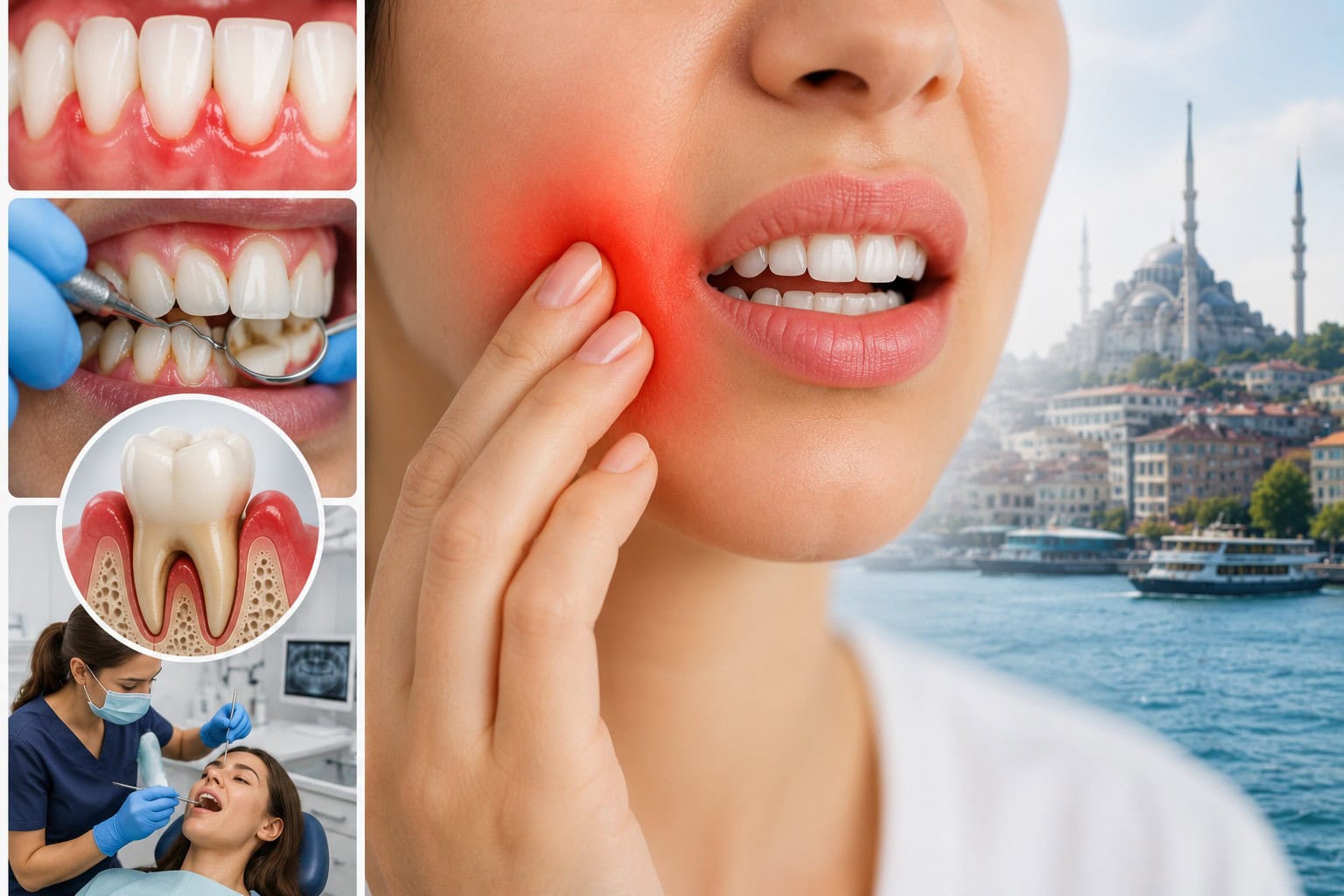
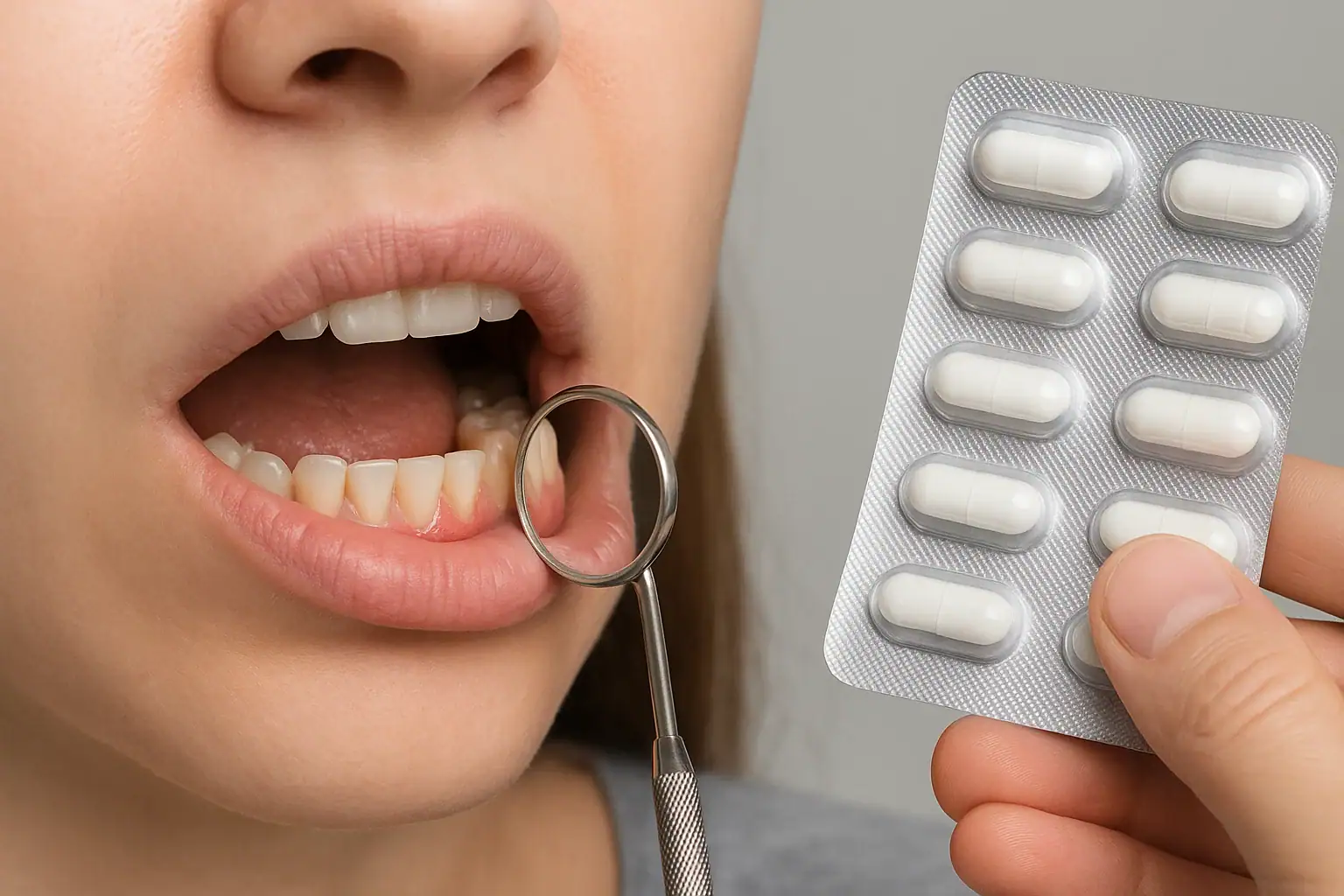
Antibiotics are not the first-line treatment for most gum infections. Gingivitis, the stage with inflammation but no bone loss, is reversible with professional scaling and daily plaque control, typically within 7 to 14 days, and antibiotics add nothing because the bacteria sit inside plaque and calculus that only mechanical removal takes away. A Cochrane review of 45 trials in 2664 adults rated the evidence for adjunctive systemic antibiotics in periodontitis as very low certainty, with only some outcomes reaching a minimally important clinical difference (PubMed 33197289). Antibiotics belong to abscesses, spreading infection, fever, facial swelling and medically compromised patients.
- 01Gingivitis and periodontitis are different stages: gingivitis affects soft tissue only and reverses within 7 to 14 days with scaling and plaque control, while periodontitis involves bone loss and can be controlled but not fully reversed.
- 02A Cochrane review of 45 randomised trials in 2664 adults rated adjunctive systemic antibiotics for periodontitis as very low certainty evidence; with amoxicillin plus metronidazole only closed pockets and bleeding on probing reached a minimally important clinical difference (PubMed 33197289).
- 03The EFP S3 level guideline builds treatment as a stepwise protocol resting on 15 commissioned systematic reviews, placing behaviour change, supragingival biofilm control and subgingival instrumentation ahead of any adjunct (PubMed 32383274).
- 04Antibiotics are indicated for a gum abscess, spreading infection, fever or facial swelling and in medically compromised patients; in an abscess the decisive step is drainage, with medication as support.
- 05None of the Cochrane trials reported antimicrobial resistance or patient-reported quality of life outcomes, so the harms side of the adjunct decision is measured less well than the benefits (PubMed 33197289).
Gums that are swollen, bleeding or painful raise an immediate question:
“Do I need antibiotics for a gum infection?”
The answer is not always yes, and in many cases antibiotics are not the right first line of treatment. In fact, incorrect antibiotic use can delay proper treatment, increase bacterial resistance, and make gum disease harder to control in the long term.
Whether antibiotics are needed turns on a handful of distinctions:
- When antibiotics are necessary for gum infections
- When antibiotics are not recommended
- The difference between gingivitis and periodontitis
- The role of bacteria in gum infections
- Why dental cleaning is often more important than medication
- Natural treatments vs medical treatments
- The risks of overusing antibiotics
- The most commonly prescribed antibiotics for severe periodontal infections
- How long gum infections take to heal
- What happens if a gum infection is left untreated
- When a gum abscess becomes dangerous
Current periodontal guidelines put mechanical plaque removal first and treat antibiotics as an adjunct to it.
/ Gum Infection (Gingival and Periodontal Infection Explained)
A gum infection, medically referred to as a periodontal infection, is an inflammatory condition caused by pathogenic bacteria accumulating beneath the gum line. These bacteria form biofilms (plaque) and release toxins that trigger inflammation in the surrounding soft tissues and bone .
Over time, untreated bacterial activity leads to:
- Gingival inflammation
- Bleeding gums
- Gum recession
- Pocket formation
- Bone destruction
- Tooth mobility and eventual tooth loss
There are two main types of gum infection, and the need for antibiotics depends heavily on which stage the patient is in.
1. Gingivitis (Early-Stage Gum Infection)
Gingivitis is the earliest and mildest form of gum infection. It affects only the superficial gum tissue and does not involve bone loss.
Common clinical signs:
- Red, irritated gum margins
- Bleeding during brushing or flossing
- Mild swelling
- Occasional bad breath
- No deep pockets
- No loose teeth
Gingivitis is fully reversible with proper plaque control and professional cleaning.
Critical medical fact:
Gingivitis is NOT treated with antibiotics because:
- The infection is localized
- There is no tissue or bone destruction
- Mechanical removal of plaque is fully sufficient
Professional scaling combined with daily brushing and flossing can completely reverse gingivitis within 7 to 14 days.
2. Periodontitis (Advanced Gum Infection)
Periodontitis is a chronic, destructive bacterial infection that damages the supporting structures of the teeth, including:
- Periodontal ligaments
- Alveolar bone
- Gingival connective tissues
Common signs and symptoms:
- Persistent bleeding
- Deep periodontal pockets
- Receding gums
- Loose or shifting teeth
- Chronic bad breath
- Pus around the gum line
- Pain or discomfort while chewing
- Changes in bite alignment
Unlike gingivitis, periodontitis is NOT fully reversible, but it can be controlled with proper periodontal therapy.
This is the stage where antibiotics may be considered in selected cases, but only as an adjunct to mechanical treatment.
/ When Antibiotics Are Needed for Gum Infections
Antibiotics Are Needed When:
Antibiotics are not routinely prescribed for gum infections. They are only indicated under specific medical conditions, including:
- Presence of a severe periodontal infection
- Gum abscess formation
- Rapidly progressing aggressive periodontitis
- Infection spreading to facial or deep soft tissues
- Systemic symptoms such as:
- Fever
- Facial swelling
- General fatigue
- Difficulty swallowing
- Patients with compromised immunity:
- Diabetes
- Cancer treatment
- Organ transplant recipients
- Autoimmune diseases
- High risk of systemic complications:
- Heart disease
- History of infective endocarditis
In these cases, antibiotics are used to control bacterial spread, not to cure the disease alone.
Antibiotics Are NOT Needed When:
- The patient has simple gingivitis
- Bleeding occurs only during brushing
- No deep periodontal pockets are present
- No abscess or facial swelling exists
- The condition can be resolved with professional cleaning
Key dental principle:
Most gum infections are caused by hardened plaque and tartar, not free-floating bacteria that antibiotics alone can eliminate.
Why Dentists Avoid Prescribing Antibiotics for Every Gum Infection
Unnecessary antibiotic use causes serious long-term problems:
- Development of antibiotic-resistant bacteria
- Suppression of beneficial oral microbiome
- Recurrent infections that become harder to treat
- Gastrointestinal side effects
- Allergic reactions
- Increased risk of fungal infections
According to modern periodontal guidelines:
Antibiotics must never replace mechanical periodontal treatment .
They are only supportive tools in advanced infections.
The Role of Bacteria in Gum Infections
More than 700 bacterial species exist in the human oral cavity. Only a fraction of these are responsible for periodontal disease, including:
- Porphyromonas gingivalis
- Tannerella forsythia
- Aggregatibacter actinomycetemcomitans
- Treponema denticola
These bacteria live in deep pockets where oxygen levels are low. This is why mechanical removal and oxygen exposure are essential for healing.
/ Antibiotics in Severe Gum Infection Treatment
Antibiotics Used for Severe Gum Infections
Only dentists and physicians are authorized to prescribe antibiotics for gum infections. The choice depends on bacterial profile, patient health, and allergy status.
| Antibiotic | Clinical Use |
|---|---|
| Amoxicillin | Broad-spectrum periodontal infections |
| Metronidazole | Anaerobic bacterial infections |
| Amoxicillin + Metronidazole | Severe or aggressive periodontitis |
| Clindamycin | Penicillin allergy |
| Azithromycin | Alternative therapy |
Important warnings:
- These drugs should NEVER be self-prescribed
- Incorrect dosing increases resistance
- Alcohol must be avoided with metronidazole
- Pregnancy status must be considered
How Are Gum Infections Treated Without Antibiotics?
1. Deep Professional Cleaning (Scaling and Root Planing)
This is the gold standard treatment for gum infections. It removes:
- Subgingival plaque
- Hardened tartar
- Bacterial toxins
- Infected cementum
2. Antibacterial Mouthwashes
- Chlorhexidine gluconate
- Povidone iodine
Used for temporary bacterial control, not long-term treatment.
3. Proper Home Oral Care
- Soft-bristle toothbrush
- Gentle circular brushing motion
- Daily flossing
- Interdental brushes
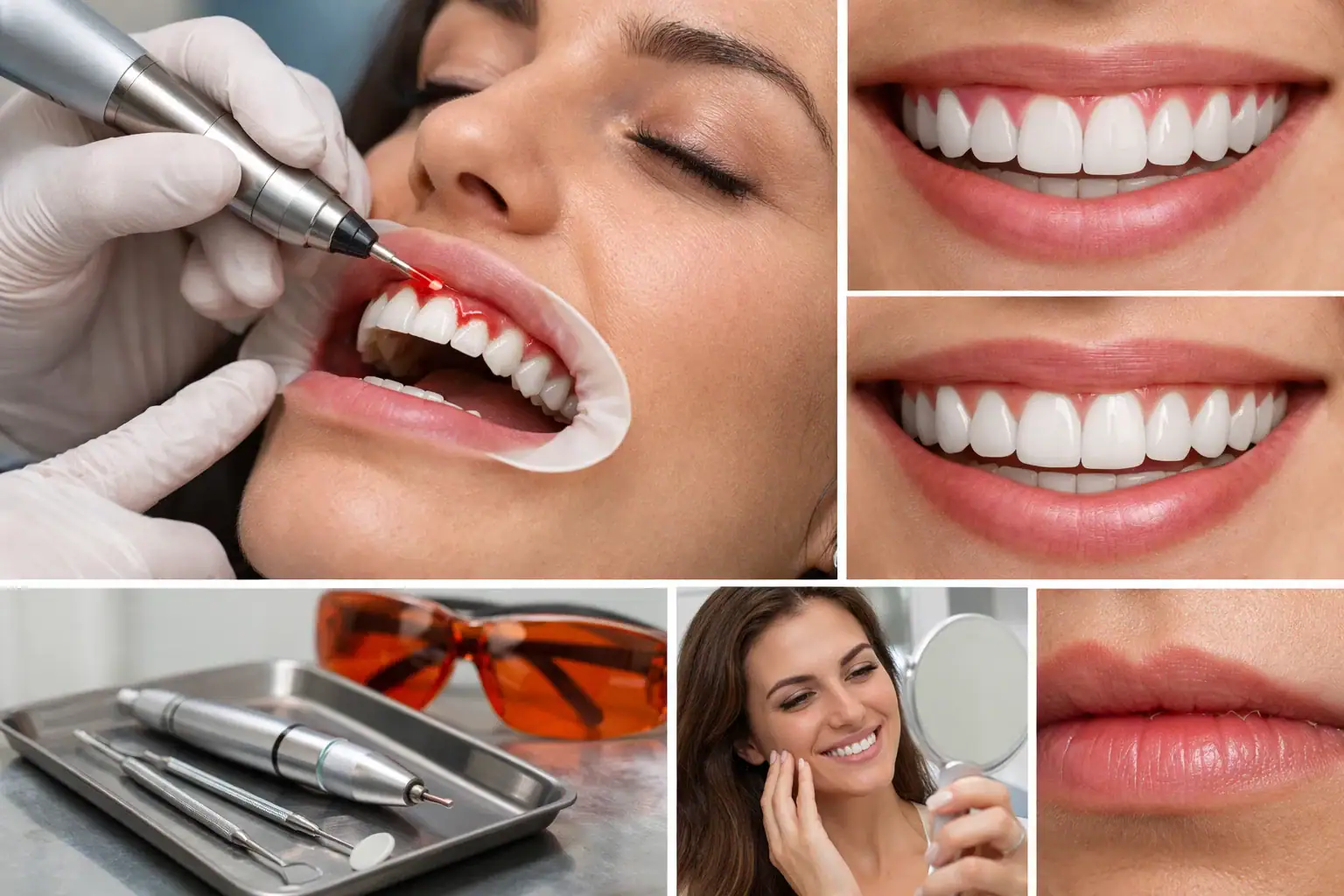
4. Laser Periodontal Therapy
Laser energy destroys bacteria and promotes tissue regeneration without antibiotics.
Natural Remedies for Gum Infection (Supportive Only)
These can reduce inflammation but do NOT cure infection:
- Saltwater rinses
- Aloe vera gel
- Green tea
- Turmeric
- Oil pulling
Natural methods are supportive but never replace professional care.
What Is a Gum Abscess and Does It Require Antibiotics?
A gum abscess is a localized collection of pus caused by advanced bacterial infection.
Signs:
- Severe throbbing pain
- Facial swelling
- Fever
- Metallic taste
- Pus discharge
A gum abscess always requires professional drainage and often requires antibiotics to prevent systemic spread.
What Happens If a Gum Infection Is Left Untreated?
- Progressive bone destruction
- Tooth mobility
- Tooth loss
- Spread of infection to:
- Jaw
- Sinuses
- Bloodstream
Untreated gum disease is strongly linked to:
- Heart attacks
- Strokes
- Diabetes complications
- Pregnancy complications
- Respiratory infections
Can Gum Infections Heal Without Antibiotics?
- Early gingivitis heals fully without antibiotics
- Periodontitis requires professional periodontal therapy
- Abscesses rarely heal without drainage and medication
How Long Does a Gum Infection Take to Heal?
| Condition | Healing Time |
|---|---|
| Mild gingivitis | 7–14 days |
| Moderate periodontitis | 1–3 months |
| Severe periodontitis | Long-term maintenance |
| Gum abscess | Improvement within days after drainage |
When Should You See a Dentist Immediately?
- Facial swelling
- Fever
- Pus discharge
- Severe pain
- Loose teeth
- Persistent bad taste
/ Frequently Asked Questions
Do antibiotics cure gum disease permanently?
No. They only reduce bacteria temporarily.
Can I take antibiotics at home for gum pain?
No. This delays correct diagnosis.
Is bleeding gums a sign I need antibiotics?
No. It usually indicates plaque-related inflammation.
Are antibiotics enough for periodontitis?
Never alone. Mechanical therapy is mandatory.
Final Verdict: Are Antibiotics Necessary for Gum Infections?
Antibiotics are:
- Sometimes necessary
- Rarely the first line of treatment
- Only prescribed in advanced infections
The real solution is professional periodontal care, not medication alone.
Let’s plan the right treatment together.
Free Assessment→- 1.Khattri S, Kumbargere Nagraj S, Arora A, Eachempati P, Kusum CK, Bhat KG, et al. Adjunctive systemic antimicrobials for the non-surgical treatment of periodontitis. Cochrane Database Syst Rev 2020;11:CD012568. PubMed 33197289
- 2.Sanz M, Herrera D, Kebschull M, Chapple I, Jepsen S, Beglundh T, et al. Treatment of stage I-III periodontitis-The EFP S3 level clinical practice guideline. J Clin Periodontol 2020;47 Suppl 22:4-60. PubMed 32383274