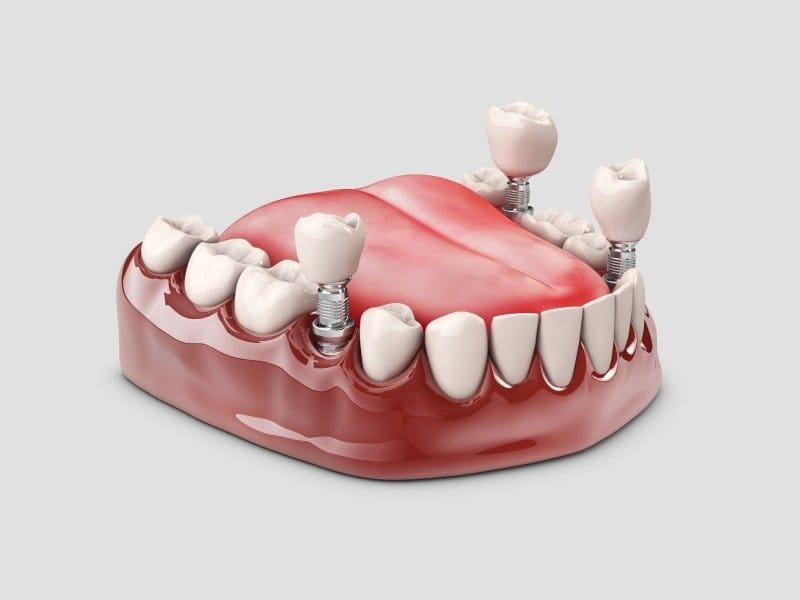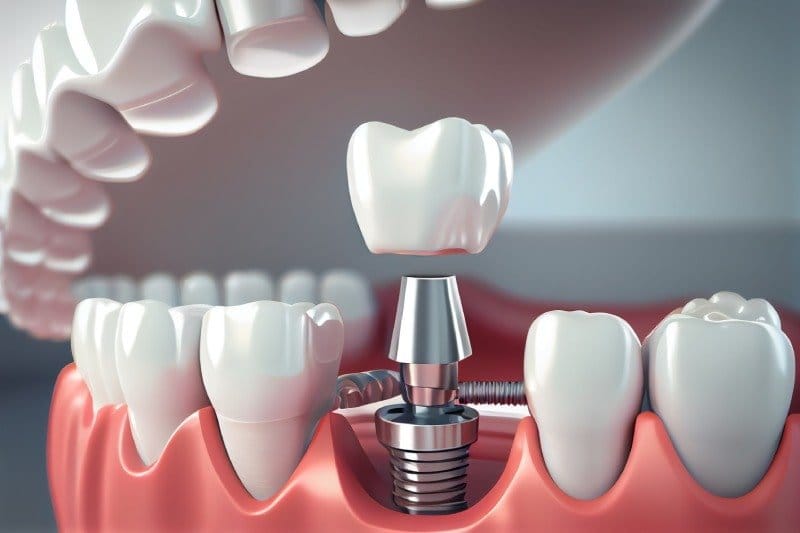
A smart implant is a titanium dental implant sold together with a modified surface and a digital workflow rather than a separate implant category: hydrophilic surface chemistry that wets faster with blood and proteins, computer-guided or robot-assisted placement planning, and in a few systems biosensors for follow-up. The claimed benefit is faster osseointegration, yet a systematic review of five randomised trials covering 246 implants found no clinically significant difference in implant stability or survival between a hydrophilic surface and a conventional sandblasted, acid-etched surface (PubMed 32450983).
- 01Smart implant is not a regulatory class: it labels a titanium implant combined with hydrophilic surface treatment, digital or robot-assisted planning and, in some systems, biosensor follow-up.
- 02Hydrophilic surfaces did not show a clinically significant advantage in implant stability or survival over conventional sandblasted, acid-etched surfaces across 5 randomised trials and 246 implants, with stability measured at baseline and at 3, 6 and 8 weeks (PubMed 32450983).
- 03Computer-guided placement carries a measured error budget: pooled mean deviation across 67 studies was 1.11 mm at the entry point, 1.40 mm at the apex and 3.51 degrees in angulation, with robot-assisted systems lowest at 0.81 mm, 0.77 mm and 1.71 degrees (PubMed 38509530).
- 04In a prospective series of 25 hydrophilic bone-level tapered implants placed immediately in posterior sites, 24 of 25 (96 percent) survived a mean of 57 plus or minus 8.07 months; the leading prosthetic complication was proximal contact loss at 41.67 percent (PubMed 38454439).
- 05The exclusions do not change with the surface: ongoing chemotherapy or radiotherapy, uncontrolled diabetes and advanced osteoporosis remain the contraindications listed for implant placement.
One of the most commonly used treatment methods for individuals experiencing tooth loss is implant applications. In recent years, thanks to developing digital technology and artificial intelligence-supported solutions, smart implant systems have been developed alongside classical methods. Hydrophilic implant surfaces, for example, are designed to improve biological compatibility and may shorten the healing period.
/ Smart Implant Definition and System Features
What is a Smart Implant?
Smart implants are implants designed with advanced surface technologies, hydrophilic (water-loving) structure, biosensor support and artificial intelligence in some systems, unlike traditional titanium implant systems. This technology allows the implant to fuse with the jawbone faster and more firmly. It is also intended to shorten the healing time and to make the treatment period more comfortable.
Features of Smart Implant Systems
Hydrophilic Surface Technology
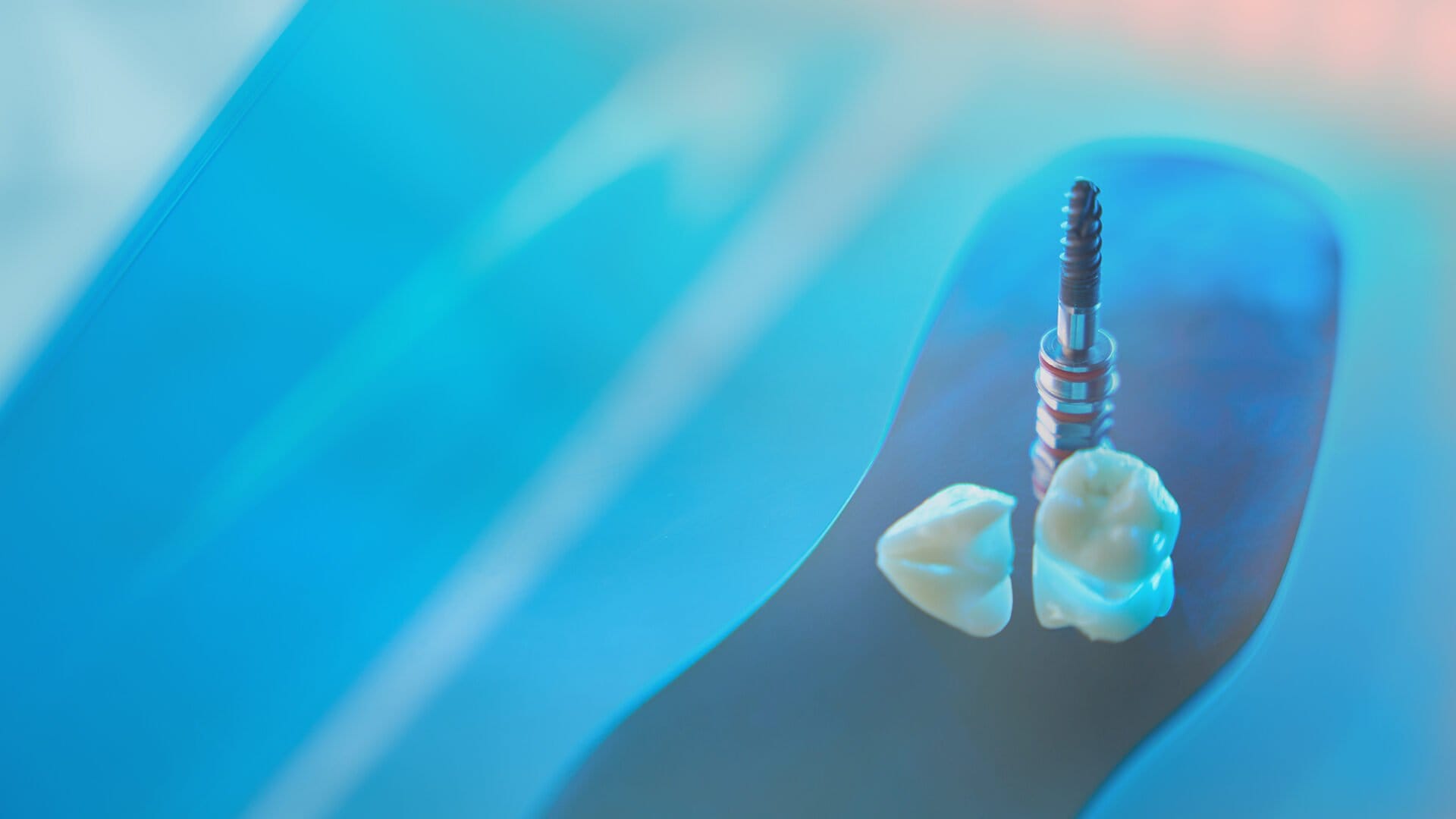
The most distinctive feature of smart implants is that their surface structures are hydrophilic. This structure allows the implant to come into contact with blood and proteins more quickly. This means faster osseointegration (integration with the bone).
Artificial Intelligence-Assisted Planning
Some smart implant systems, supported by digital planning software, determine the most appropriate placement angle and position with the help of artificial intelligence. In this way, the risk of pre-operative errors is reduced.
Antibacterial and Tissue-Friendly Structure
Surfaces developed with advanced technology reduce bacterial retention and are highly compatible with surrounding soft tissues. This prevents gum diseases.
Monitoring and Tracking Systems
In some new generation implants , the status of the implant can be monitored using biosensors. This system provides the physician with ease of follow-up after treatment.
/ Advantages, Application and Suitability of Smart Implants
Advantages of Smart Implants
Fast Healing
Thanks to smart implant surface technology, the time it takes to integrate with the bone is significantly shortened compared to classic implants. This allows patients to have their prostheses in a shorter time.
Less Pain, Less Swelling
Smart implants applied with minimally invasive techniques significantly reduce post-operative pain and swelling complaints.
High Success Rate
Thanks to digital planning and biocompatible structure, the success rate of smart implants is over 95%.
Long-Lasting Use
With their robust material structure and correct application, smart implants can be used for up to 20 years.
How is a Smart Implant Applied?
- Digital Examination and Planning: The oral structure is analyzed with 3D tomography and digital scanners.
- Surgical Operation: The implant is placed at the specified point with a minimally invasive method.
- Healing Process: Rapid integration with the bone is achieved thanks to the surface structure.
- Prosthesis Placement: A porcelain or zirconia crown is placed on the implant.
Who is a smart implant suitable for?
- Individuals with good general health
- Patients with sufficient jawbone
- Non-smokers or those planning to quit
- Patients who have lost teeth and want fixed prosthesis
Who is a smart implant not suitable for?
- Patients undergoing chemotherapy or radiotherapy
- Individuals with uncontrolled diabetes
- Patients with advanced osteoporosis
/ Differences Between Smart Implants and Other Implants
Smart implants offer significant advantages over conventional implants in many ways. One of the most obvious differences is the surface structure. Conventional implants generally have hydrophobic, i.e. liquid-repellent surfaces. In contrast, smart implants are produced with hydrophilic surface technology. In this way, they interact more quickly with blood and healing cells, shortening the time it takes to integrate with the bone.
There is also a significant difference in terms of integration time. While this period can vary between 3 and 6 months in conventional implants, healing can be achieved in a much shorter period of 2 to 3 months in smart implants. This allows patients to have their prostheses earlier.
Digital planning is also a distinctive feature. Digital planning is optional in traditional implant systems and may not be applied in every clinic. However, digital planning has almost become standard in smart implants. In this way, the location, angle and depth of the implant are determined in advance in a computer environment, minimizing the margin of error.
The success rate is another important reason for choosing smart implants. While the success rate in classic implants is around 85-90 percent, this rate is over 95 percent in smart implants.
Smart implants also stand out in terms of patient comfort. The comfort they provide both during the operation and during the healing process is much higher than in classic systems.
/ Frequently Asked Questions
- Are smart implants painful?
No. Local anesthesia is used during the application, and minimal pain and swelling are experienced afterwards.
- Why is the price higher?
Due to its advantages such as advanced surface structure, digital planning and faster healing process, it costs a little more than classic implants.
- Is it suitable for every patient?
It can be easily applied to individuals with good general health and sufficient jawbone.
- How long can it be used?
It can be used for up to 20 years without any problems. Regular check-ups and maintenance are a must.
- Is there a warranty?
Most smart implant brands offer a 5-10 year warranty.
Leading Brands Used in Smart Implants
Some of the most commonly used smart implant brands in the market are:
- Straumann Roxolid SLActive
- Nobel Biocare
- Astra Tech
- Osstem TSIII CA
- MIS V3
These brands have globally approved quality and clinically proven success.
Let’s plan the right treatment together.
Free Assessment→- 1.Almassri HNS, Ma Y, Dan Z, Ting Z, Cheng Y, Wu X. Implant stability and survival rates of a hydrophilic versus a conventional sandblasted, acid-etched implant surface: Systematic review and meta-analysis. J Am Dent Assoc 2020;151:444-453. PubMed 32450983
- 2.Khaohoen A, Powcharoen W, Sornsuwan T, Chaijareenont P, Rungsiyakull C, Rungsiyakull P. Accuracy of implant placement with computer-aided static, dynamic, and robot-assisted surgery: a systematic review and meta-analysis of clinical trials. BMC Oral Health 2024;24:359. PubMed 38509530
- 3.Wipawin R, Amornsettachai P, Panyayong W, Rokaya D, Thiradilok S, Pujarern P, et al. Clinical outcomes of 3-5 years follow-up of immediate implant placement in posterior teeth: a prospective study. BMC Oral Health 2024;24:312. PubMed 38454439