Skip to content
MosdentISTANBUL 1992
// Orthodontics

Bruxism Guards: Hard, Soft and Which One Lasts

A bruxism guard is worn between the teeth so grinding force lands on the device, not enamel; a dentist-made custom guard fits best and lasts longest.

Dr Ahmet Murat Artuç, PhDWritten by
Published
7 minread
Dr Enes Yusuf Gönül, PhDmedical review
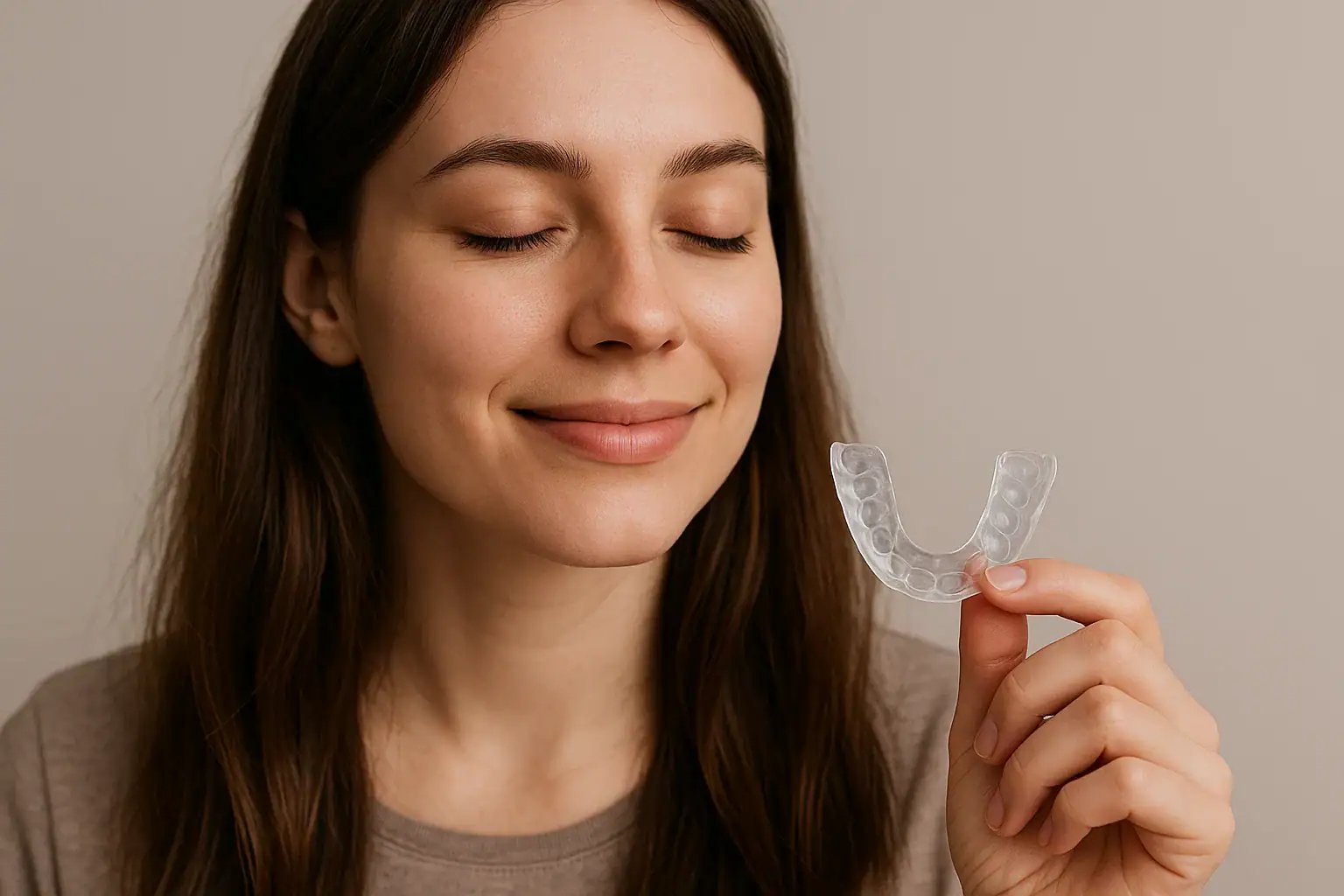
Woman with closed eyes holding a clear thermoplastic night guard beside her face
Orthodontics·7 min
// Quick answer

A gum shield for bruxism, also sold as a night guard, mouth guard or occlusal splint, is an appliance worn between the upper and lower teeth so grinding and clenching force lands on the device instead of on enamel, crowns and fillings. It manages damage rather than curing the habit. The problem is common: a systematic review of 35 publications reported frequent sleep bruxism in 12.8 percent of adults (standard deviation 3.1) and awake bruxism in 22.1 to 31 percent (PubMed 23630682). A later review that screened 808 articles and included 15 concluded splint therapy is a viable treatment for sleep bruxism, with adjustable designs performing best (PubMed 38182999).

// Key takeaways
  • 01A gum shield is a barrier, not a cure. It cushions the bite and absorbs clenching force, which protects teeth and restorations and eases jaw strain, but it does not stop the grinding behaviour itself.
  • 02Sleep bruxism affects about 12.8 percent of adults (standard deviation 3.1) when frequent grinding is measured, and awake bruxism 22.1 to 31 percent, across 35 publications; activity was unrelated to sex and decreased with age (PubMed 23630682).
  • 03Splint design matters: from 808 articles screened, 15 met inclusion, and adjustable splints such as full-occlusion biofeedback designs were more effective at reducing sleep bruxism episodes and improving reported symptoms (PubMed 38182999).
  • 04The three retail tiers differ in more than price: stock guards $10 to $30 with a poor fit, boil-and-bite $20 to $60, and dentist-made custom guards $200 to $600 with the best fit and durability.
  • 05A sports mouthguard is not a substitute. It is built thicker to absorb high-impact trauma rather than chronic grinding, and it is usually uncomfortable to sleep in.

Teeth grinding and jaw clenching, also known as bruxism, can lead to significant damage if left untreated. From worn-down enamel to chronic jaw pain and sleep disturbances, the consequences of bruxism are far-reaching. Thankfully, a gum shield for bruxism, also called a night guard or mouth guard, offers a highly effective and non-invasive solution.

In this detailed guide, we’ll explore everything you need to know about gum shields for bruxism, including how they work, the types available, how to choose the best one, and how they compare to other treatments. Whether you're searching for relief or researching for a loved one, this article will help you make an informed decision.

/ Understanding Bruxism and Gum Shields

What Is Bruxism?

Bruxism is a condition characterized by involuntary grinding or clenching of teeth, often during sleep but also sometimes while awake. It affects both adults and children, and many people don't even realize they have it until complications appear.

Common Symptoms of Bruxism:

  • Jaw pain or soreness
  • Headaches, especially in the morning
  • Tooth sensitivity or wear
  • Cracked or chipped teeth
  • Disrupted sleep (for you or your partner)
  • Clicking or popping in the jaw (TMJ disorders)

Causes of Bruxism

Understanding the root cause of bruxism can help in managing and treating it effectively. Common causes include:

  • Stress and anxiety (most common trigger)
  • Sleep disorders like sleep apnea
  • Misaligned teeth or bite issues
  • Neurological conditions
  • Certain medications (e.g., SSRIs)
  • Substance use (alcohol, caffeine, tobacco)

What Is a Gum Shield for Bruxism?

A gum shield for bruxism is a custom or over-the-counter device worn in the mouth to prevent the upper and lower teeth from making damaging contact. It cushions the bite and absorbs the force of clenching or grinding, minimizing wear and jaw strain.

Other common names for a gum shield include:

  • Night guard
  • Dental guard
  • Mouth guard
  • Occlusal splint
  • Bite plate

/ Choosing a Gum Shield for Bruxism

Benefits of Using a Gum Shield for Bruxism

  • Prevents tooth wear and fractures
  • Reduces jaw pain and facial tension
  • Protects dental restorations (crowns, veneers, fillings)
  • Improves sleep quality
  • May help reduce headaches and earaches
  • Prevents temporomandibular joint (TMJ) disorders

Types of Gum Shields for Bruxism

There are several types of gum shields available on the market. The best one for you depends on the severity of your bruxism, comfort preferences, and budget.

1. Custom-Fitted Gum Shields

Made by your dentist from an impression of your teeth. These offer the best fit, comfort, and durability.

✅ Pros:

  • Best protection and longevity
  • High comfort
  • Tailored to your bite

❌ Cons:

  • More expensive
  • Requires dental visits

2. Boil-and-Bite Mouth Guards

Available in pharmacies; softened in hot water and molded at home.

✅ Pros:

  • More affordable
  • Better fit than one-size

❌ Cons:

  • Less durable
  • May be bulky or uncomfortable

3. Ready-Made (Stock) Gum Shields

Pre-formed and available in limited sizes.

✅ Pros:

  • Cheapest option
  • Immediate availability

❌ Cons:

  • Poor fit
  • Can be uncomfortable
  • Offers minimal protection

How to Choose the Best Gum Shield for Bruxism

When selecting a gum shield for bruxism, consider the following factors:

  • Severity of your bruxism
  • Comfort and material softness
  • Breathability (especially for sleep use)
  • Durability (daily wearers may need high-grade materials)
  • Ease of cleaning and maintenance
  • Presence of other dental appliances (like braces)

Your dentist can help guide the decision, especially if you have chronic or severe bruxism.

/ Gum Shield Guidance for Bruxism Care

Bruxism in Children: Do They Need a Gum Shield?

Children can develop bruxism too, often related to growth, anxiety, or airway issues. A pediatric dental professional may recommend a softer night guard for children who grind their teeth at night.

Note: Children’s gum shields must be monitored regularly as their teeth and jaws are still developing.

How to Know If You Need a Gum Shield

If you notice any of the following signs, it's time to consider using a gum shield:

  • You wake up with jaw pain or headaches
  • Your partner hears you grinding teeth at night
  • You have chipped, cracked, or flattened teeth
  • You've had multiple dental restorations break unexpectedly
  • You clench your jaw when stressed or focused

Gum Shield vs. Other Bruxism Treatments

Treatment OptionPurposeWhen It's Used
Gum ShieldPrevents teeth contactMost common and non-invasive solution
Botox InjectionsRelaxes jaw musclesFor severe, chronic bruxism
Behavioral TherapyReduces stress or clenching habitsFor daytime bruxism
OrthodonticsAligns teeth and biteIf malocclusion is the root cause
MedicationsTreats underlying conditionsIf linked to neurological or anxiety meds

Cleaning and Maintaining Your Gum Shield

To prevent bacteria buildup and extend the life of your gum shield:

  • Rinse with cold water after each use
  • Clean with non-abrasive toothpaste or guard cleaner
  • Soak weekly in a denture or retainer cleaner
  • Store in a ventilated case
  • Keep away from pets (they love to chew on them!)

/ Bruxism Management with Gum Shields

Can a Gum Shield Cure Bruxism?

While a gum shield for bruxism doesn’t "cure" the condition, it effectively prevents damage to your teeth and jaws. It also gives relief from symptoms and allows better sleep. Long-term management of bruxism may include:

  • Stress reduction techniques (e.g., meditation, therapy)
  • Dental alignment
  • Dietary changes (reduce caffeine, alcohol)
  • Sleep studies for underlying disorders

How Long Should You Wear a Gum Shield?

Most people wear their gum shield every night during sleep. Some may also need to wear it during high-stress periods or activities like driving or working at a desk if they unconsciously clench their jaw.

Your dentist can evaluate the frequency based on your condition.

Does Insurance Cover a Gum Shield for Bruxism?

In many cases, dental insurance partially covers custom night guards, especially if the condition leads to tooth damage or TMJ disorders. However, coverage varies by provider and plan. Always check with your insurance company or clinic before committing to a treatment.

Bruxism and TMJ Disorders: What's the Connection?

Bruxism can place excessive strain on the temporomandibular joint (TMJ), the hinge connecting your jaw to your skull. Over time, this can result in:

  • Clicking or popping sounds in the jaw
  • Jaw locking or stiffness
  • Facial pain or migraines

A gum shield helps by reducing stress on the TMJ, preventing escalation of symptoms and preserving joint health.

Psychological Aspects of Bruxism

Anxiety and stress are major contributors to sleep bruxism. Addressing the psychological side through:

  • Cognitive-behavioral therapy (CBT)
  • Mindfulness meditation
  • Exercise and relaxation routines

can significantly reduce grinding and clenching tendencies. A gum shield works best when paired with stress management strategies.

New Innovations in Gum Shield Technology

Modern advancements have led to the development of:

  • 3D-printed night guards
  • Dual-laminate materials for extra comfort
  • Bite-monitoring smart guards that track clenching patterns
  • Ultra-thin, daytime invisible guards

These options offer greater personalization, comfort, and data-driven insights for treating bruxism.

/ FAQs

What is the best gum shield for bruxism?

A custom-fitted night guard from a dentist is typically the best option in terms of comfort, durability, and effectiveness.

Can I use a sports mouthguard for bruxism?

No. Sports guards are thicker and designed to absorb high-impact trauma, not chronic grinding. They may cause discomfort during sleep. That impact protection has real value in sport, which accounts for 10% to 42% of facial fractures, including fractures of the jaw; football, soccer, hockey and baseball are most often involved.

How much does a gum shield cost?

  • Stock: $10–$30
  • Boil-and-bite: $20–$60
  • Custom: $200–$600 (sometimes covered by insurance)

Can I wear a gum shield during the day?

Yes, especially if you suffer from daytime clenching or TMJ symptoms. Some guards are designed to be less bulky for daytime wear.

Summary and Conclusion on Gum Shield Value

Summary: Is a Gum Shield Worth It?

Absolutely. A gum shield for bruxism is one of the simplest, most cost-effective ways to:

  • Protect your teeth
  • Reduce pain
  • Improve sleep
  • Prevent costly dental procedures in the future

Whether you opt for a boil-and-bite solution or invest in a custom-fit guard from your dentist, taking action early can save your smile in the long run.

Conclusion

If you suffer from teeth grinding, jaw clenching, or frequent headaches, don’t ignore the symptoms. A properly fitted gum shield for bruxism can make a significant difference in your comfort, dental health, and quality of life.

Speak to your dentist today about your symptoms. With the right guard and guidance, you can enjoy restful sleep and protect your smile, one night at a time.

Let’s plan the right treatment together.

Free Assessment
OrthodonticsMosdent
// Written by
Medically reviewed by: Dr Enes Yusuf Gönül, PhD

Let’s plan the right treatment together.

Your personal data is processed as described in our .

Message on WhatsApp
// Frequently Asked

Frequently asked questions

What is the best gum shield for bruxism?+

A custom-fitted night guard made by a dentist from an impression of your teeth, because it matches your bite, is the most comfortable to sleep in and lasts longest. In the splint literature, adjustable designs such as full-occlusion biofeedback splints performed best at reducing sleep bruxism episodes (PubMed 38182999). Boil-and-bite guards are a reasonable interim step; stock guards fit poorly and protect least.

How much does a night guard for teeth grinding cost?+

Stock guards run roughly $10 to $30, boil-and-bite versions $20 to $60, and a dentist-made custom guard $200 to $600. Dental insurance often covers part of a custom guard when grinding has already damaged teeth or is linked to a temporomandibular joint disorder, though coverage varies by provider and plan. Check with your insurer and clinic before committing.

Can I use a sports mouthguard for bruxism?+

No. Sports guards are made thick to absorb sudden high-impact trauma, not the sustained low-grade force of chronic grinding, and that bulk usually makes them uncomfortable to wear during sleep. A night guard is thinner, shaped to your bite and designed for hours of continuous wear. Using the wrong device tends to end with it being abandoned rather than worn. A gum shield for bruxism is an appliance worn between the upper and lower teeth, and its thickness and fit are built for clenching rather than impact.

Can a gum shield cure teeth grinding?+

No, it prevents the damage rather than removing the cause. Sleep bruxism is linked to stress and anxiety, sleep disorders such as sleep apnea, bite issues, some medications and substance use. Long-term management usually combines the guard with stress reduction, reviewing dental alignment, cutting caffeine and alcohol, and a sleep study where an underlying disorder is suspected. Bruxism is a condition of involuntary grinding or clenching, so an appliance protects the teeth without removing the cause.

Can I wear a gum shield during the day?+

Yes, if you clench during the day. Awake bruxism is reported in 22.1 to 31 percent of people in the published prevalence data (PubMed 23630682), and daytime clenching often shows up during driving, desk work or stressful periods. Ultra-thin daytime designs exist for exactly this. Your dentist sets the frequency based on your symptoms and the wear pattern on your teeth.

How do I clean and store a night guard?+

Rinse with cold water after each use, clean with a non-abrasive toothpaste or a dedicated guard cleaner, and soak weekly in a denture or retainer cleaning solution. Store it dry in a ventilated case rather than a sealed box, and keep it away from pets, which are drawn to chewing them. Hot water can distort the material, so avoid it. A night guard is an appliance worn between the upper and lower teeth every night, which is why daily cleaning matters as much as storage.

Continue Reading

All articles →
It begins with a conversation

Discuss the questions with your doctor.

WhatsApp

Not sure which treatment fits? Tell us what’s wrong →